Rethinking the Killer Whale

What Iceland’s Orcas Reveal About a Changing Ocean
For nearly 50 years, scientists thought they understood quite a lot about orcas—at least about what they ate.
Research dating to the 1970s suggested that orcas, also known as killer whales, segregated themselves by diet—whales that lived together ate together and, notably, ate the same food. Some groups sustained themselves almost exclusively on fish, especially Chinook salmon. Others hunted marine mammals like seals and porpoises. Over time, scientists determined that whales with different diets belonged to different social groups, spoke different dialects and rarely interbred. The prevailing view was simple: what orcas ate determined nearly every aspect of their lives.
But those were whales from the Pacific Northwest, off the coasts of British Columbia, Washington and southeast Alaska. When marine biologist Dr. Filipa Samarra turned her attention to Iceland’s North Atlantic waters in 2008, her observations challenged that long-held view.
Some of Iceland’s orcas fed almost exclusively on herring. Others hunted seals, porpoises and whatever other prey was available. Rather than strict specialists, many appeared surprisingly adaptable.
“This told us that Iceland’s orcas are more adaptable and much more complicated than we realized,” says Samarra.
Suddenly, the old assumptions no longer fit. Why were Iceland’s killer whales so different? Why did some orcas specialize while others remained opportunistic? Could that flexibility determine which orcas thrive as the climate changes?
“These are not easily answered questions,” says Dr. Samarra. “To begin to understand how populations change over time, you need long-term research.”
Enter the Icelandic Orca Project.
Founded by Dr. Samarra after her first Iceland research season in 2008, the project set out to build the kind of long-term record that has informed scientists’ understanding of Pacific Northwest orcas. By following individual animals over decades, the project is revealing how Iceland’s orcas live, what they eat, who they associate with and how they respond to rapidly changing conditions in the North Atlantic Ocean.
A Photo of an Old Friend
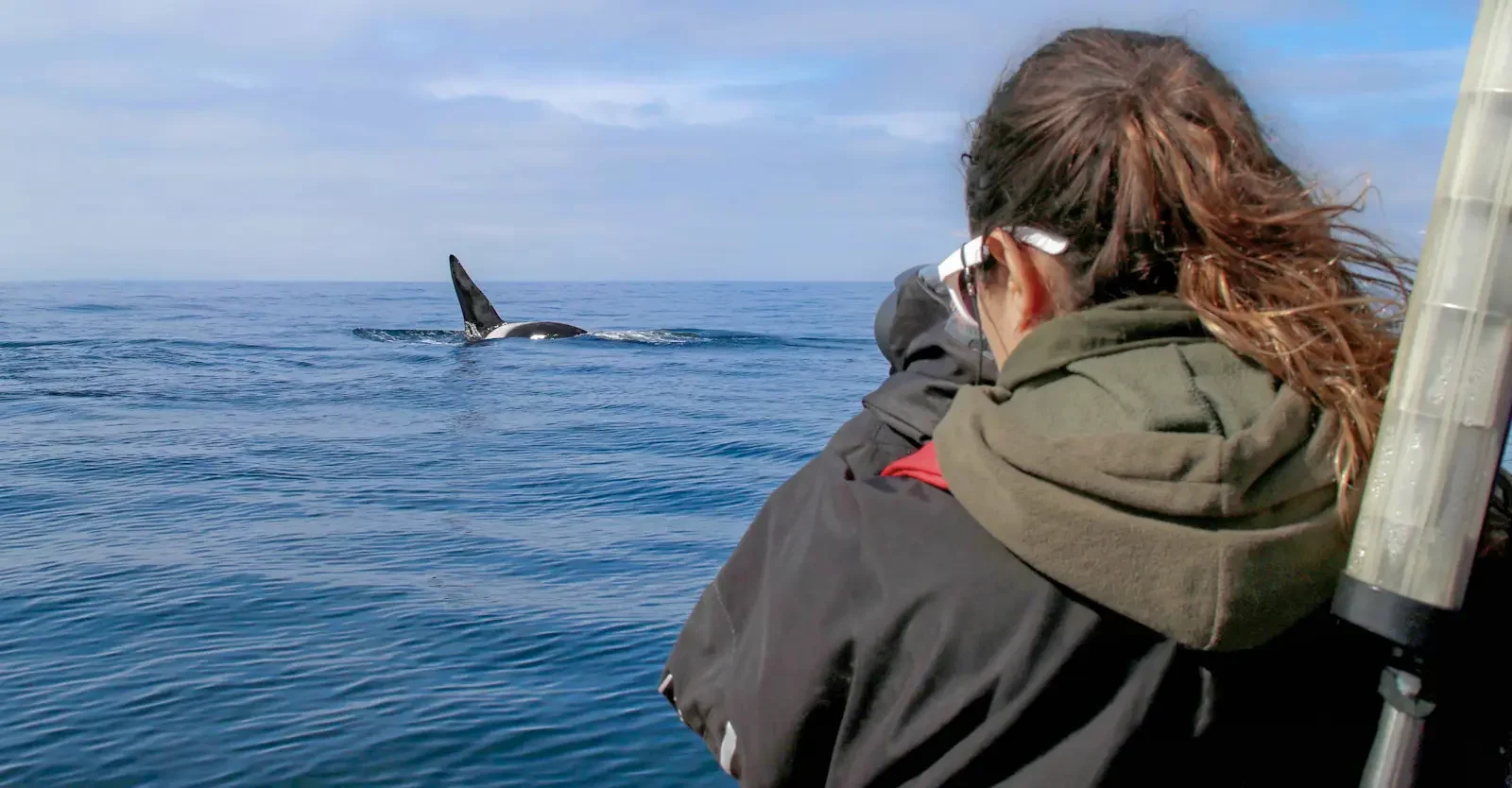
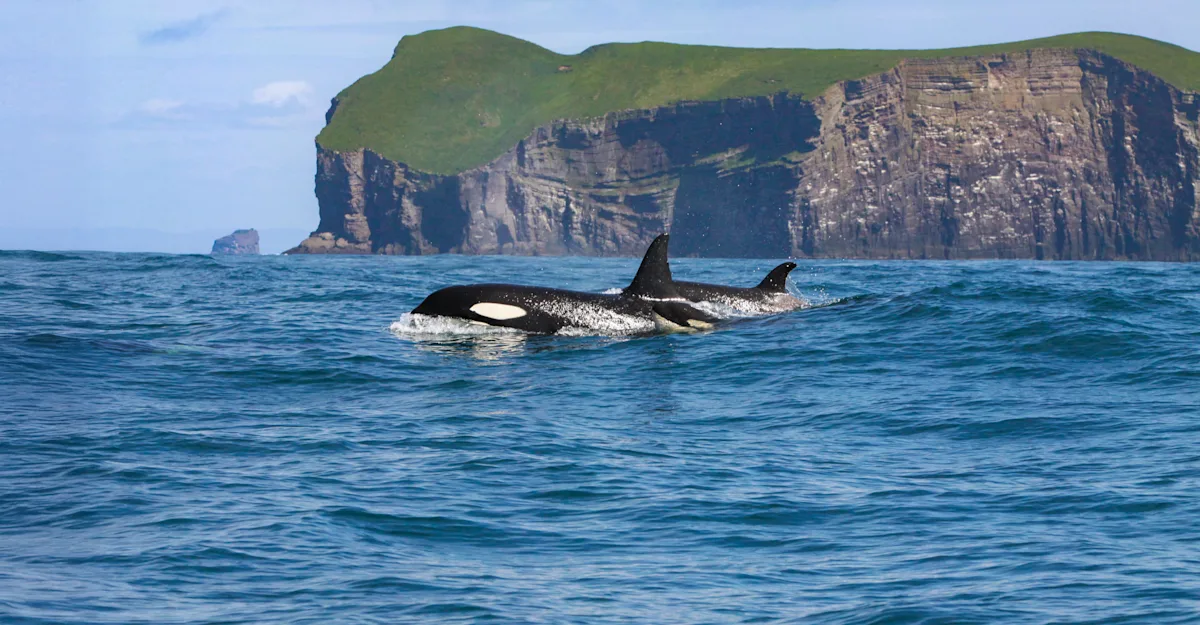
At the heart of the Icelandic Orca Project is a growing catalog of individual whales. Every field season, Dr. Samarra and her team, which includes travelers with Earthwatch Expeditions, photograph killer whales around Iceland’s Westman Islands, matching each image to known individuals by the unique nicks, scars and gray saddle patches behind their dorsal fins. Over time, those photographs become life histories, revealing where whales travel, what they eat, who they associate with and, ultimately, how they adapt.
“Photo ID is the foundation of everything we know,” Samarra says.
That became clear one evening after returning from the water. Samarra was reviewing photographs of a whale whose markings she didn’t recognize. She searched through decades of photo-identification records, including images collected long before the Icelandic Orca Project began, until she found a match. The whale had last been photographed 20 years earlier.
In many long-term orca studies, an animal that disappears for a year or two is often presumed dead. This whale hadn’t died. It had simply vanished from view.
The rediscovery raised a possibility. If researchers could lose track of an individual whale for two decades, what else had they been missing?
A 500-Mile Food Run
The answer emerged slowly, one photograph at a time.
As the image catalog expanded, researchers noticed something puzzling. Some orcas appeared in Iceland year after year. Others, like the individual that had gone unseen for two decades, seemed to vanish and were assumed dead.
Deeper investigation revealed they hadn’t disappeared at all. Photographs contributed to the Icelandic Orca Project by whale-watching guides, naturalists and members of the public in Scotland showed those “missing” whales were regularly sighted in the United Kingdom more than 500 nautical miles away. By matching photographs taken on opposite sides of the North Atlantic, Dr. Samarra’s team discovered that more than 30 whales regularly traveled between the two countries.
One orca, nicknamed Musa, spends winters feeding on herring in Iceland before appearing off Scotland each summer, where she has been observed harassing seals. If Musa and her fellow travelers weren’t sticking strictly to herring, what were they eating?
Skin and blubber samples revealed that the migratory orcas had surprisingly diverse diets. While some specialized on fish and others regularly hunted marine mammals, still others appeared to do both.
“We tend to think of a population as behaving one way,” says Dr. Samarra. “What we’re finding is that neighboring whales can make a living in completely different ways.”
The discovery challenged one of the defining assumptions in orca research.
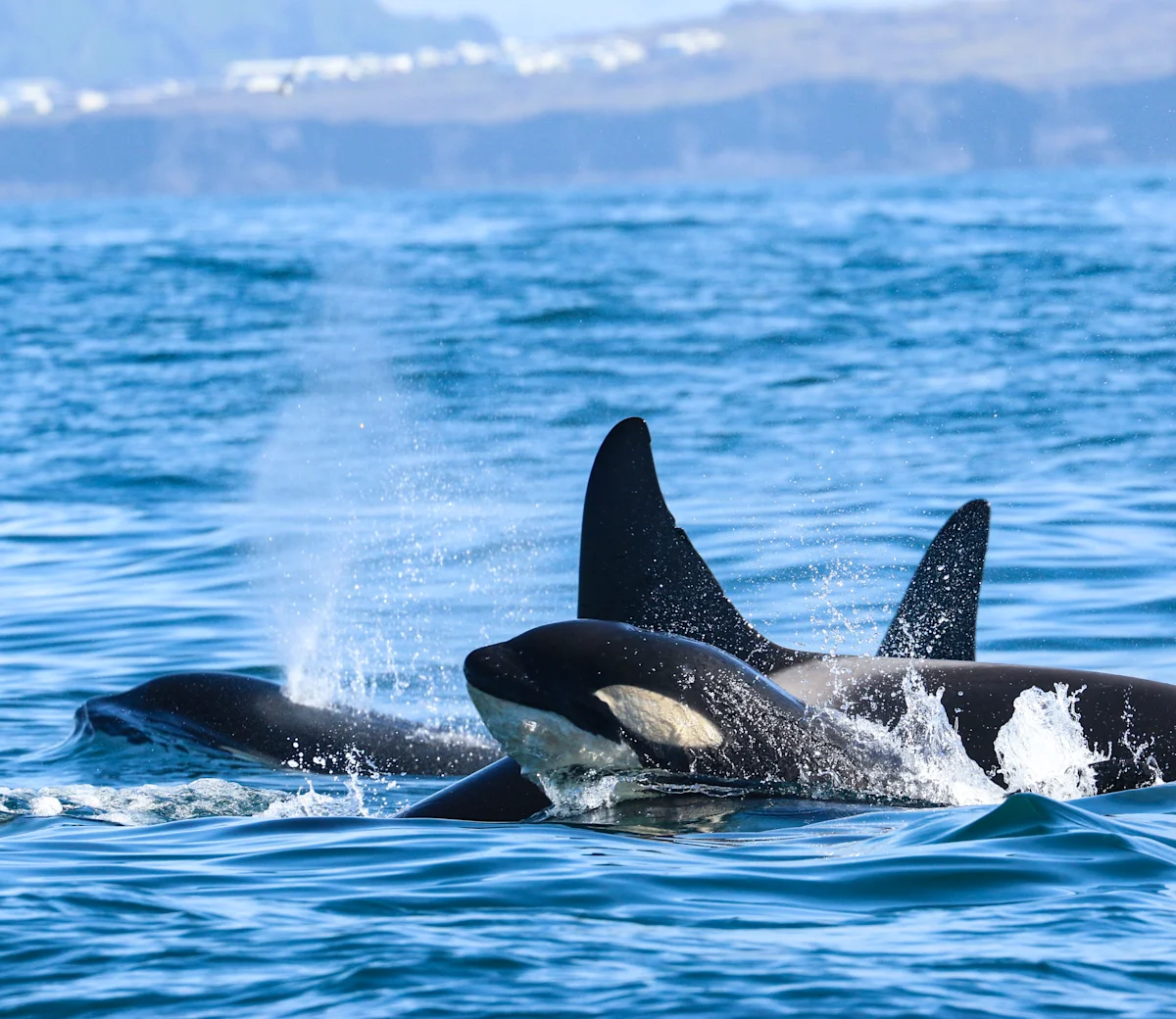
Surprisingly Diverse Diets
For decades, scientists believed diet defined nearly every aspect of killer whale society. Fish eaters stayed with fish eaters. Mammal hunters kept to themselves. Iceland’s orcas broke that mold.
Dr. Samarra’s team documented whales with different feeding strategies traveling together, maintaining long-term social bonds and even producing calves together.
For Dr. Samarra, that’s the value of long-term research. A single field season offers only a snapshot. Following the same whales over decades reveals how individuals respond as prey shifts, habitats change and the North Atlantic continues to warm.
“We want to find out how resilient this population is to environmental change,” she says. “Are all the individuals able to change their diet, or is that just a capability for a select few?”
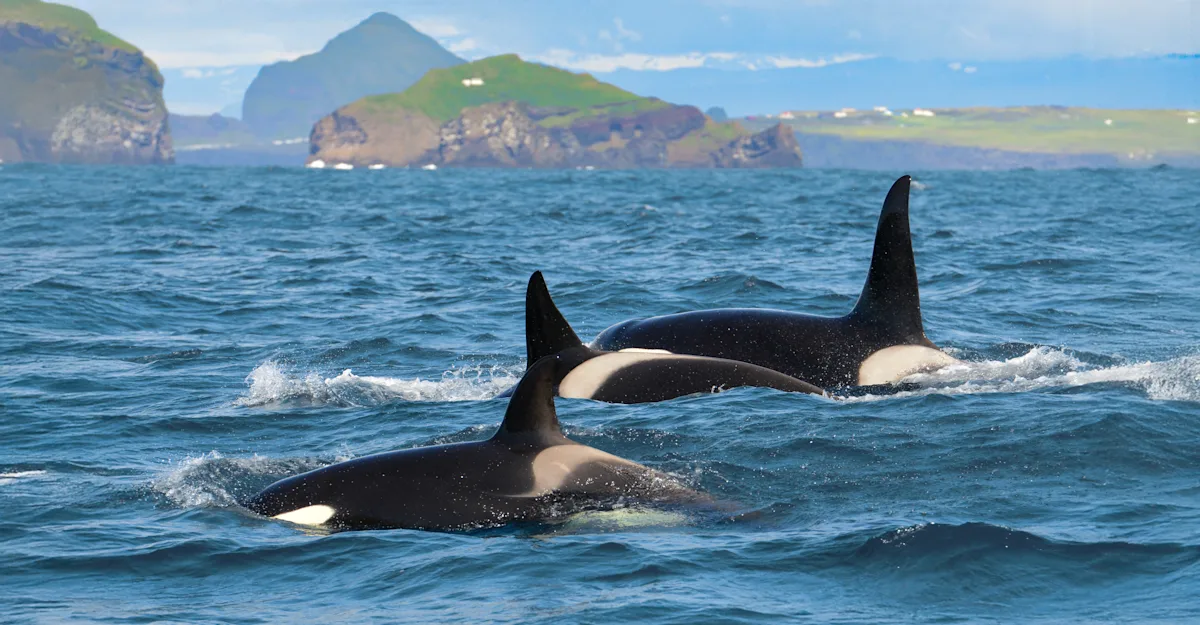
Survivors in a Warming Ocean
The answer could determine the future of Iceland’s killer whales. Specialists that depend on a narrow range of prey may struggle as ocean conditions change, while whales that can switch between prey may be better equipped to adapt. Researchers don’t yet know which strategy will prove most successful.
That’s why the Icelandic Orca Project returns to the same waters year after year, documenting individual whales across generations. Every photograph, every biopsy sample and every sighting adds another piece to the puzzle, helping researchers understand not only how Iceland’s killer whales live today, but how they’ll adapt to the North Atlantic of tomorrow.
How Scientists Recognize & Track Individual Orcas
Every killer whale has a distinctive set of markings. Researchers identify individuals by photographing the dorsal fin and the gray saddle patch behind it. Nicks along the fin’s trailing edge, scars and subtle variations in the saddle patch remain remarkably consistent throughout a whale’s life, allowing scientists to recognize the same individual year after year.
Those identifications become the backbone of long-term research. By repeatedly photographing the same whales over decades, scientists can reconstruct where they travel, what they eat, who they associate with, when they have calves and how their behavior changes over time.
Without photo identification, many of the Icelandic Orca Project’s biggest discoveries—including whales traveling regularly between Iceland and Scotland—would have remained invisible.