Good Nature Travel Blog

  • Nature & Wildlife

    People Making Positive Change for the Planet

    May 19, 2026 · Candice Gaukel Andrews

    More-than-human animals predate humans on Earth by approximately 500 million to more than 800 million years. While modern humans (Homo sapiens) have existed for only about 300,000 years, the first animal life (likely sponges) appeared in the ocean hundreds of millions of years prior to the human lineage.
  • News & More

    2025 Is the Earth’s Third Hottest Year: Glaciers, Mountains and Oceans

    May 12, 2026 · Candice Gaukel Andrews

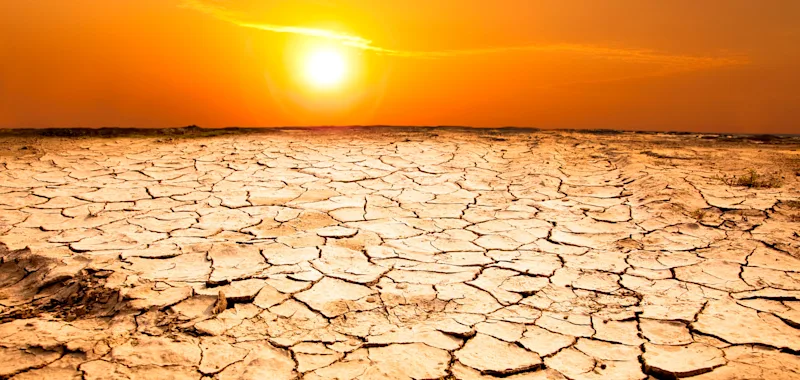
    The year 2025 finished as the third hottest globally (behind 2024 and 2023), according to reports from NASA (National Aeronautics and Space Administration), NOAA (National Oceanic and Atmospheric Administration) and WMO (World Meteorological Organization).

  • Nature & Wildlife

    New Insights into Animal Behavior

    May 5, 2026 · Candice Gaukel Andrews

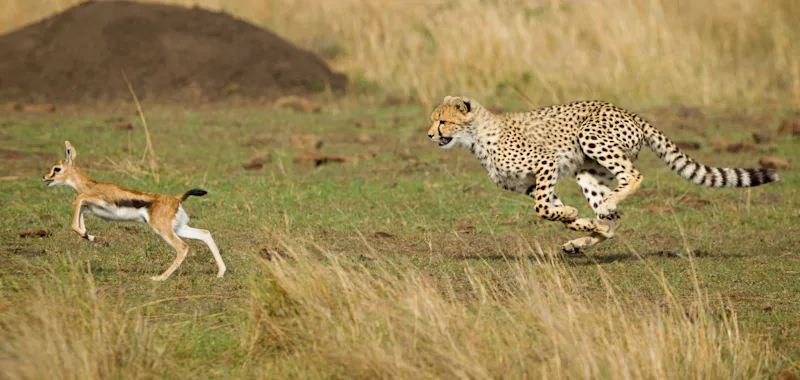
    It’s typically said that animal behavior is the result of biology and environment. The responses of wildlife are driven by the primal urges to survive and reproduce; or are triggered by internal or external cues, such as the appearance of a nearby threat.

  • Nature & Wildlife

    The Powers and Potentials of Small Mammals

    Apr 28, 2026 · Candice Gaukel Andrews

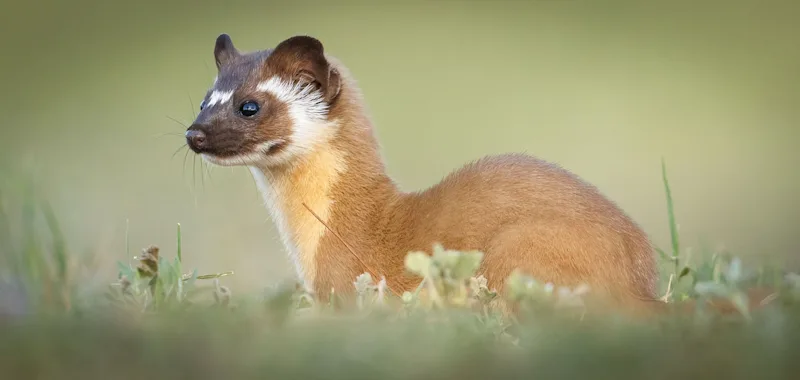
    The decline of charismatic and large animals like lions and pandas often captures global attention, but a quieter and perhaps more damaging crisis is unfolding among those that are smaller. These bitty beings are disappearing at alarming rates, and their loss can have outsize consequences for biodiversity. But don’t count these small bodies out yet.

  • Conservation

    Arbor Day 2026: Honoring the Damaged, Logged and Old Trees

    Apr 21, 2026 · Candice Gaukel Andrews

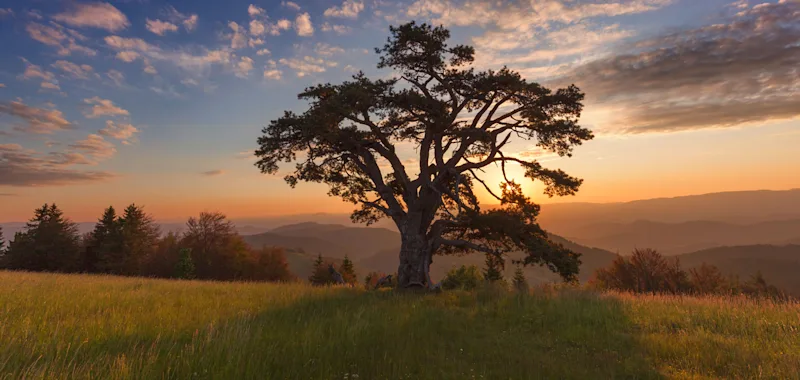
    On National Arbor Day—which this year is on April 24—we typically recognize forests and trees for their essential roles in conserving soils, providing oxygen, reducing energy consumption through shade and serving as wildlife habitats.

  • Conservation

    Earth Day 2026: Our Power, Our Planet

    Apr 14, 2026 · Candice Gaukel Andrews

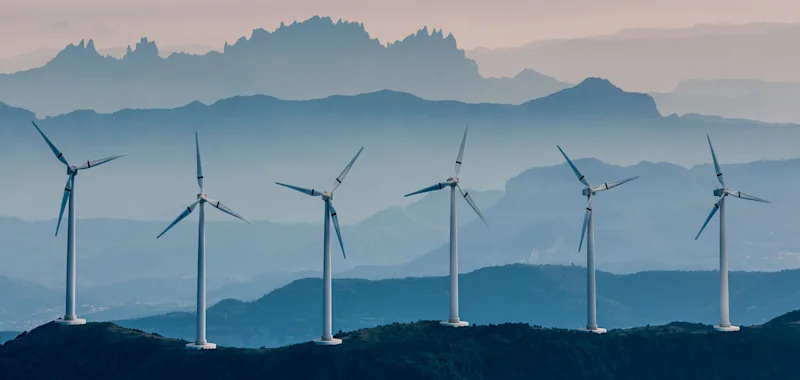
    The theme for the 56th annual Earth Day, April 22, 2026, is “Our Power, Our Planet.” According to the official Earth Day website, “it emphasizes collective action, community mobilization and the role of individuals in defending environmental protections, accelerating the transition to clean energy and ensuring a sustainable future.”

  • Latin America

    The Loudest Bird on the Planet Lives in the Amazon

    Apr 13, 2026 · Candice Gaukel Andrews

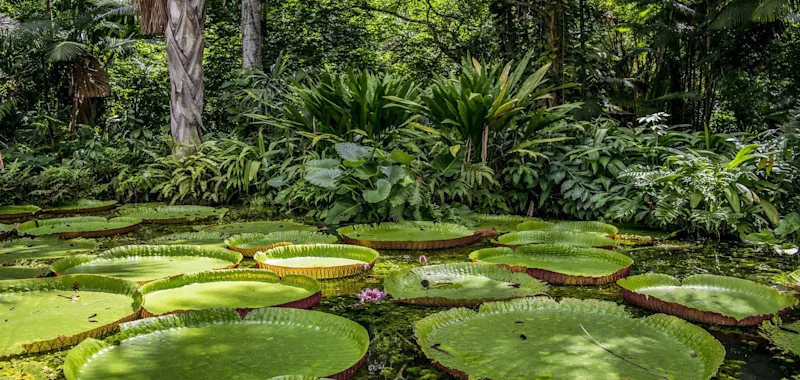
    Some animals are known for being loud; for example, howler monkeys are said to be aptly named. When a number of them let loose their lungs in concert, the din can be heard up to three miles away. These New World monkeys—found in tropical Central and South America—often cry at dawn or dusk.

  • Nature & Wildlife

    Animal Creativity and International Haiku Poetry Day

    Apr 7, 2026 · Candice Gaukel Andrews

    This year, International Haiku Poetry Day is on April 17. Traditionally, haiku is a Japanese poetic form that takes the natural world and the seasons as its primary subject matter. It acts as a concise form of environmental literature, emphasizing direct observation, sensory details and an appreciation for the transient beauty of the natural world.

  • Nature & Wildlife

    Rains and Renewable Energy

    Mar 31, 2026 · Candice Gaukel Andrews

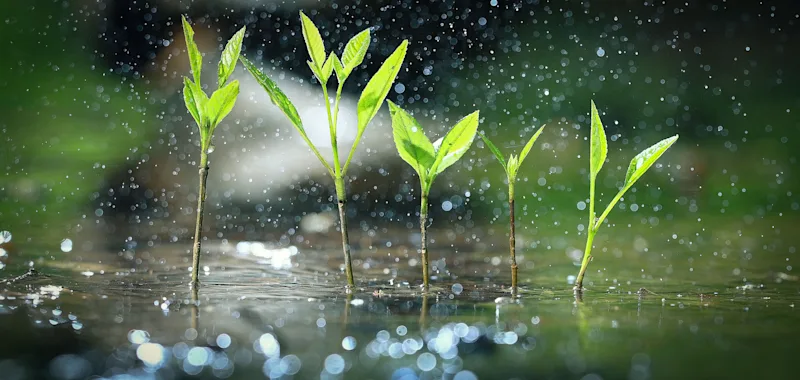
    Rain can be thought of as a common weather phenomenon, but it plays a vital role in keeping the Earth’s ecosystems running and our lives healthy. Whether it’s a mild drizzle or a heavy downpour, rain affects the environment, shapes landscapes and even influences our emotions. Rain, though, has some lesser-known and surprising facets.

  • Nature & Wildlife

    Life Goes On in Earth’s Most Extreme Environments

    Mar 24, 2026 · Candice Gaukel Andrews

    “Life finds a way.” That’s a now-famous statement from Dr. Ian Malcolm, a fictional character played by actor Jeff Goldblum in the 1993 movie Jurassic Park.

  • Nature & Wildlife

    Nature’s Lights: Bioluminescence and Fluorescence

    Mar 17, 2026 · Candice Gaukel Andrews

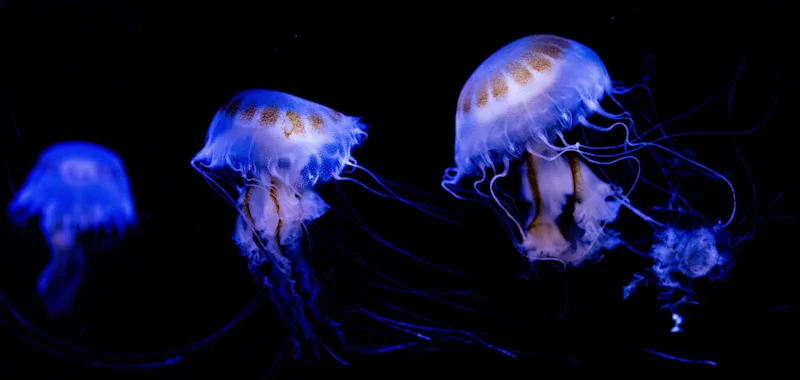
    Natural lights in nature come in two familiar forms: bioluminescence and fluorescence. They differ primarily by their light source: bioluminescence is a chemical reaction within an organism that creates its own light, while fluorescence is a physical process where an organism or object absorbs external light and reemits it.

  • Galapagos Islands

    Galapagos: Fit Birds and Darwin’s Fine Books

    Mar 12, 2026 · Candice Gaukel Andrews

    If you’re a lover of books (or a bibliophile) like me, you’ll appreciate Charles Darwin, the biologist famous for his Theory of Evolution that was formulated while visiting the Galapagos Islands. Arguably the most influential man of science in history, Darwin accumulated a vast personal library throughout his working life.