

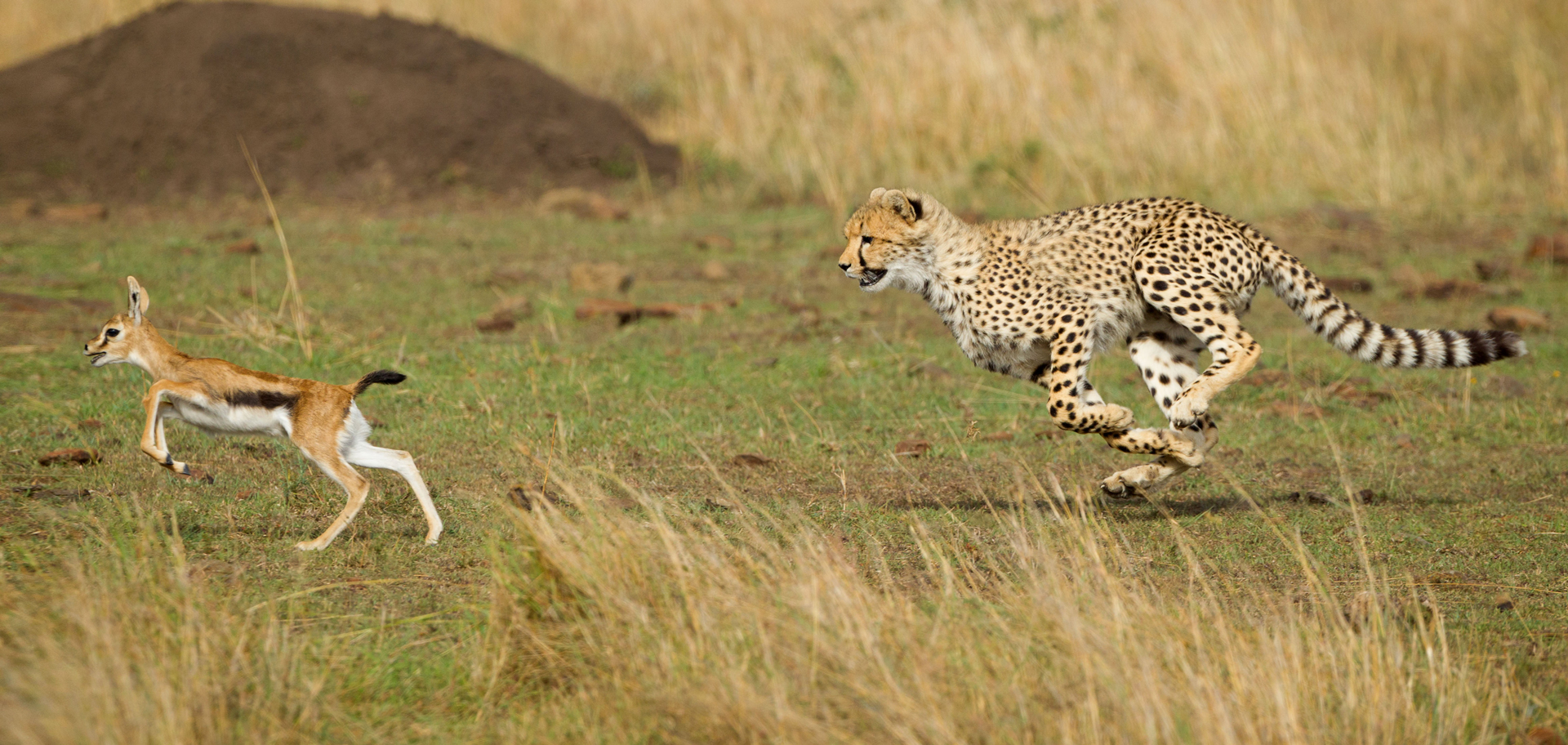
While animal behavior can vary widely based on the individual, certain behavioral traits, like chasing prey, are genetically inherited. Or so we thought.
It’s typically said that animal behavior is the result of biology and environment. The responses of wildlife are driven by the primal urges to survive and reproduce; or are triggered by internal or external cues, such as the appearance of a nearby threat. While animal behavior can vary widely based on the individual, certain behavioral traits—like attention-grabbing and chasing prey—are genetically inherited. Or so we were told.
New research, however, is turning that long-held belief on its head. Take ravens, for example. It was thought that the birds follow wolves to find food, but we’re now realizing that they’re far more strategic. By tracking both animals in Yellowstone National Park, scientists have discovered that ravens memorize areas where wolf kills are likely to happen and fly directly to those spots—sometimes from great distances. In other words, rather than just trailing wolves, ravens rely on learned patterns in the landscape. It’s a clever system that highlights just how intelligent these birds really are.
In Yellowstone’s wild chess match between wolves and cougars, it turns out the real power play is theft. After looking at almost a decade of GPS data and tracking thousands of kill sites, researchers found that wolves often muscle in on cougar kills—sometimes even killing the cats—but cougars never return the favor. Instead of fighting back, cougars adapt. As elk numbers dropped, they shifted toward hunting more deer, which they can eat quickly and in safer terrain, helping them dodge wolf encounters.
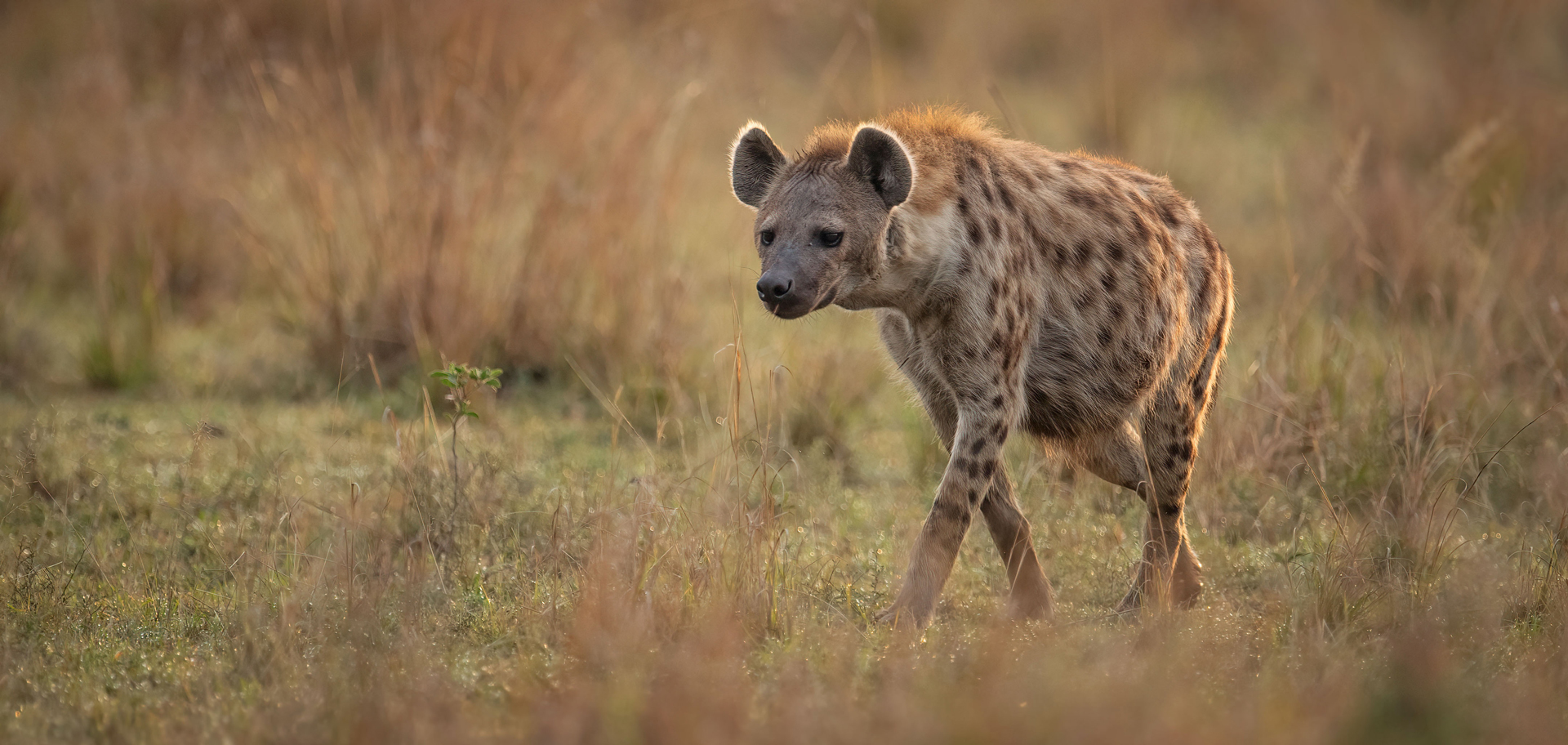
From meerkats in the Kalahari Desert to spotted hyenas in Kenya’s savannas, researchers have discovered that the daily actions of animals show surprisingly similar patterns.
Certainly in the natural world—where predators pounce, prey flee and group members feed and sleep in solidarity—animal behavior is magnificent in its variety. Yet there may be an underlying architecture that orders the movements of animals as they go about their very different lives. And, surprisingly, it’s more widespread than previously imagined.
Ravens are using memories—rather than wolves—to find food
When a wolf pack brings down prey, ravens are often the first to show up. Even before wolves begin feeding, these birds gather nearby, ready to snatch any scraps that become available. Their timing has long seemed almost uncanny, leading many people to assume that ravens simply follow wolves to find food.
But a new study, published in the journal Science in March 2026 and led by researchers at Austria’s University of Veterinary Medicine Vienna and the Max Planck Institute of Animal Behavior in Germany, reveals a much more advanced strategy. After tracking ravens and wolves in Yellowstone National Park over two-and-a-half years, the scientists found that instead of trailing wolves, ravens remember locations where kills are likely to occur and return to those areas, even from great distances.
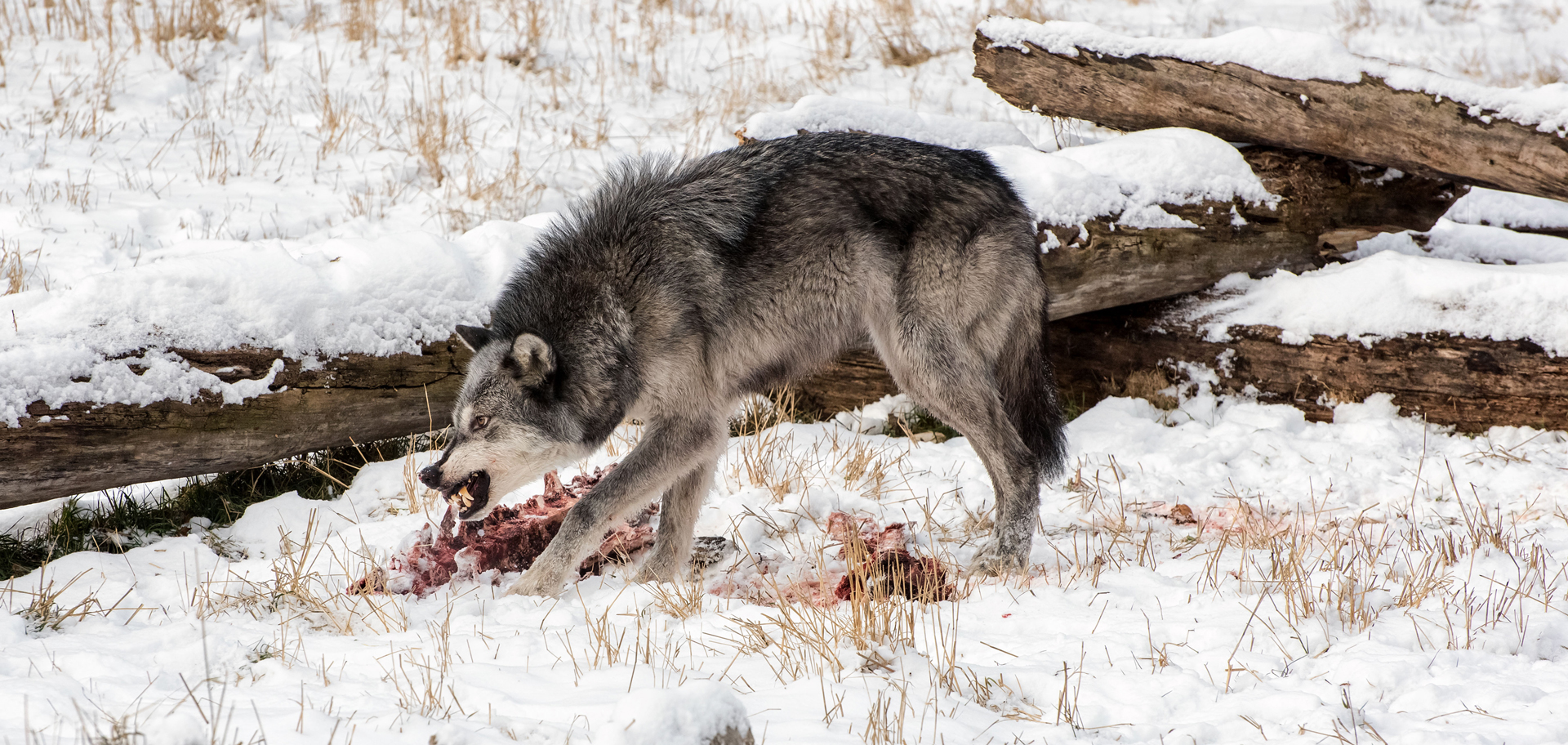
Wolves create reliable feeding opportunities for scavengers such as bald and golden eagles, coyotes, foxes, grizzly bears, ravens and wolverines. By leaving carrion from their hunts, wolves provide a vital food source that supports biodiversity and helps maintain ecosystem health.
Ravens rely on spatial memories and navigation to locate food spread across the landscape. Since they have such good memories and can cover large distances by flying, they don’t need to constantly follow wolves in order to profit from the predators. In fact, they can fly six hours nonstop, straight to a kill site.
Wolves were reintroduced into Yellowstone National Park in the mid-1990s after a 70-year absence. Each year now, about a quarter of the wolf population carries tracking collars. Scientists have noted that ravens often appear closely tied to the canids; the birds have been seen flying directly above traveling packs or hopping close behind wolves as they take down prey.
This behavior makes sense, since wolves create reliable feeding opportunities for scavengers. It was assumed, then, that the ravens just stuck close to the wolves. But that idea had never been directly tested. No one truly knew what ravens were capable of because nobody had ever put them at the center; nobody had taken the scavenger’s point of view, state the researchers.
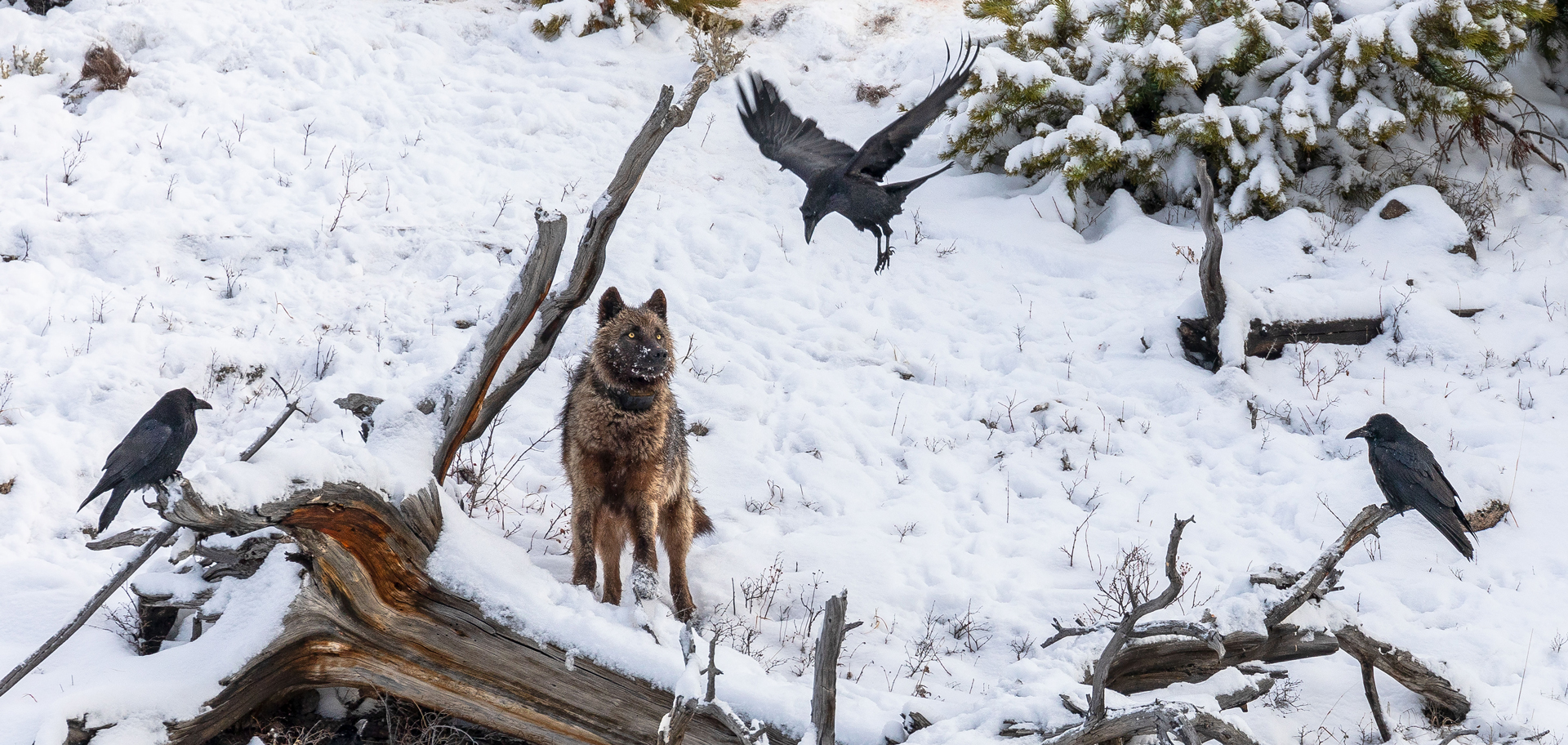
Ravens primarily interact with wolves in winter because the birds depend on the canids to open frozen carcasses, providing a consistent food source when other foods are scarce.
So, to better understand raven behavior, 69 of the birds were fitted with small GPS trackers, an unusually large number for this type of study. Ravens are so observant of the landscape that they don’t step into traps easily. To successfully capture them, the researchers carefully blended traps into the surroundings. For instance, traps near campsites were disguised with fast food and trash.
In addition to the raven data, the team members analyzed movement patterns from 20 collared wolves. They focused on wintertime, when ravens most often interact with wolves. They recorded raven locations every 30 minutes and wolf locations every hour. They also documented where and when wolves killed prey, which mainly consisted of bison, deer and elk.
Over the course of the study period, only one clear example of a raven following a wolf for more than 0.62 miles for more than an hour was found. At first, the scientists were puzzled. Once they realized that ravens were not following wolves over long distances, they couldn’t explain why the birds still arrived so quickly at wolf kills.
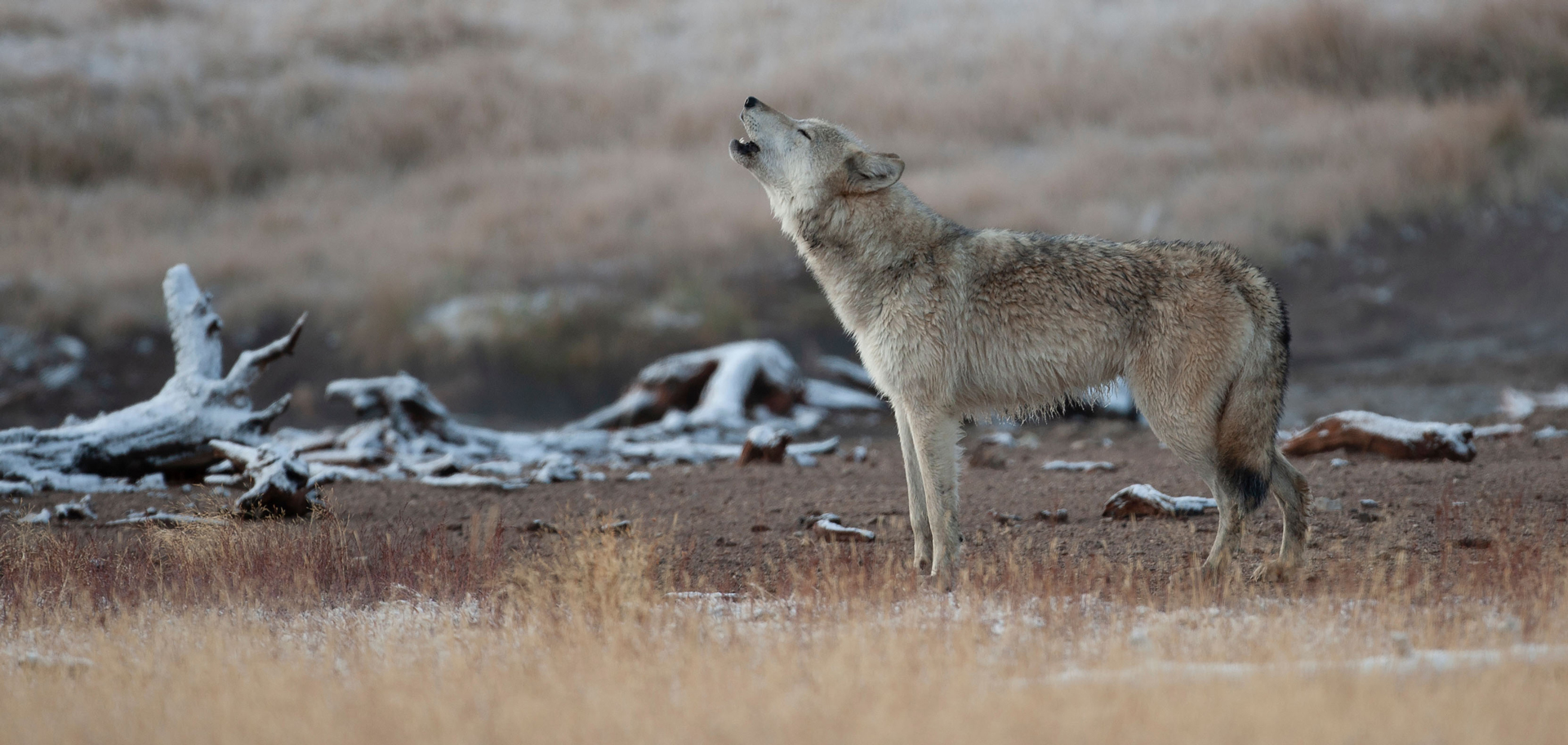
To find wolf kills locally, ravens probably use short-range cues, like monitoring wolf behavior or listening for wolf howls.
A closer look at the data revealed the answer. Instead of shadowing wolves, ravens repeatedly returned to specific areas where kills were more common. Some birds traveled up to 96 miles in a single day, flying in direct paths toward places where a carcass was likely to appear, even though the exact timing of a kill cannot be predicted.
Wolf kills tend to cluster in certain parts of the landscape, such as flat valley bottoms where hunting is more successful. Ravens visited these high-yield areas far more often than places where kills were rare. This pattern suggests that they learn and remember what researchers call a long-term “resource landscape.” Although the scientists had previously known that ravens can remember stable food sources, such as landfills, what was surprising was that they also seem to learn in which areas wolf kills are more common. A single kill is unpredictable, but over time some parts of the landscape are more productive than others—and ravens appear to use that pattern to their advantage.
Ravens may still, however, follow wolves over short distances when they are nearby. On a larger scale, however, memory plays the leading role. Ravens decide where to search first based on past experiences, sometimes traveling tens or even hundreds of miles.
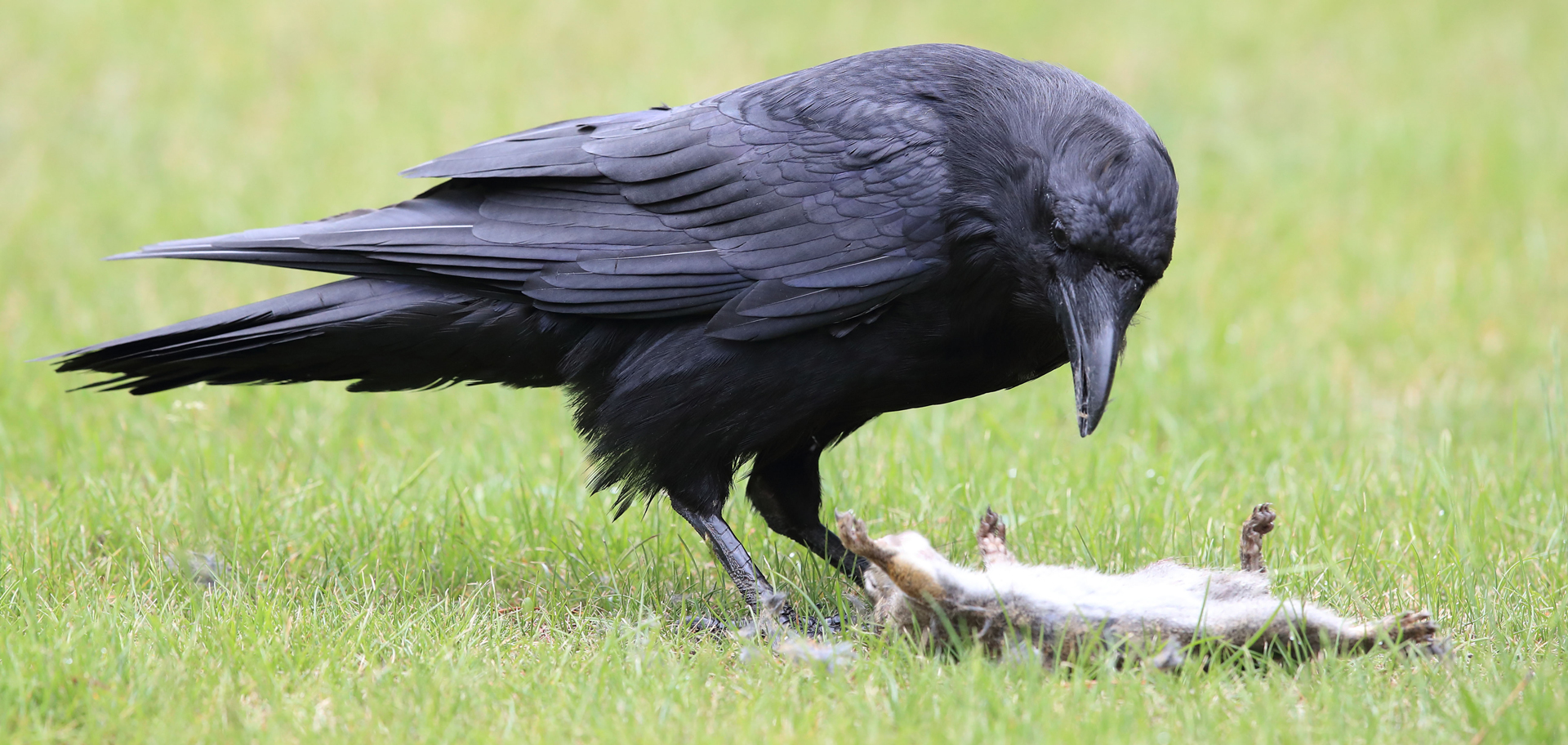
With their sharp senses and memories of past feeding locations, corvids—such as crows and ravens—can choose among many foraging opportunities near and far. This suggests, once again, that some animals have been underestimated by humans for a long time.
The researchers conclude that this study clearly demonstrates that ravens are flexible in where they decide to feed. They don’t stay tied to a particular wolf pack. With their sharp senses and excellent memories of past feeding locations, they can choose among many foraging opportunities far and wide. This changes what we thought we knew about how scavengers locate food—and suggests once again that some species have been underestimated by humans for a long time.
Wolves are stealing cougar kills in Yellowstone National Park
Another new study conducted in Yellowstone National Park is shedding light on the tense relationship between cougars and wolves. The research comes as cougar and wolf territories increasingly overlap across the western United States.
For much of the 20th century, federal and state policies nearly wiped out both wolves and cougars in the U.S. Cougars began recovering in the 1960s and 1970s under legal protections. Wolves were reintroduced starting in 1995, including in Yellowstone. Today, both predators are expanding into parts of the West where they had long been absent.
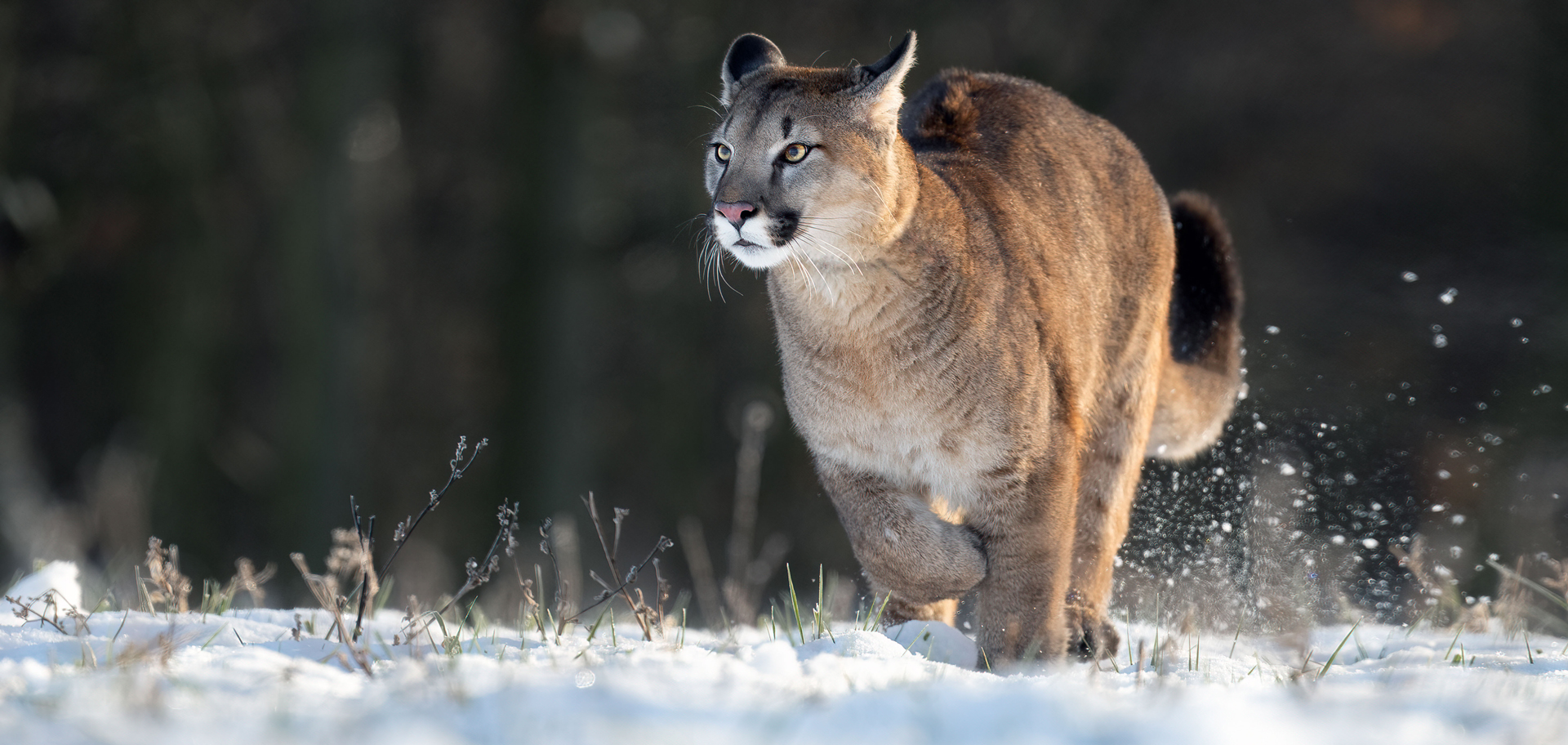
For much of the 20th century in the U.S., federal and state policies resulted in nearly extirpating cougars. In the 1960s and 1970s, the animals began to recover under legal protections. Today, cougars are expanding into parts of the West where they have long been absent.
Decades of research have shown that wolves usually dominate interactions with cougars because they hunt in packs, while the big cats are solitary. In many predator systems, smaller or less dominant carnivores face a trade-off. They risk being killed but may benefit by scavenging from dominant predators. However, cougars—skilled hunters on their own—rarely scavenge from other animals, leaving scientists uncertain about what truly shapes their interactions with wolves. To find out, a team from Oregon State University drew upon nine years of GPS tracking data from collared cougars and wolves. They also conducted field investigations at nearly 4,000 possible kill sites throughout the park.
The results of the study, published in the journal PNAS in January 2026, revealed that cougars steer clear of areas where wolves have recently made kills. They tend to remain near “escape terrain,” such as trees that they can quickly climb if threatened.
As elk numbers began to decline in Yellowstone, cougars shifted their focus toward deer. Because deer are smaller and can be eaten more quickly, this change reduced the amount of time that cougars spend at carcasses, lowering the chances that wolves will show up.
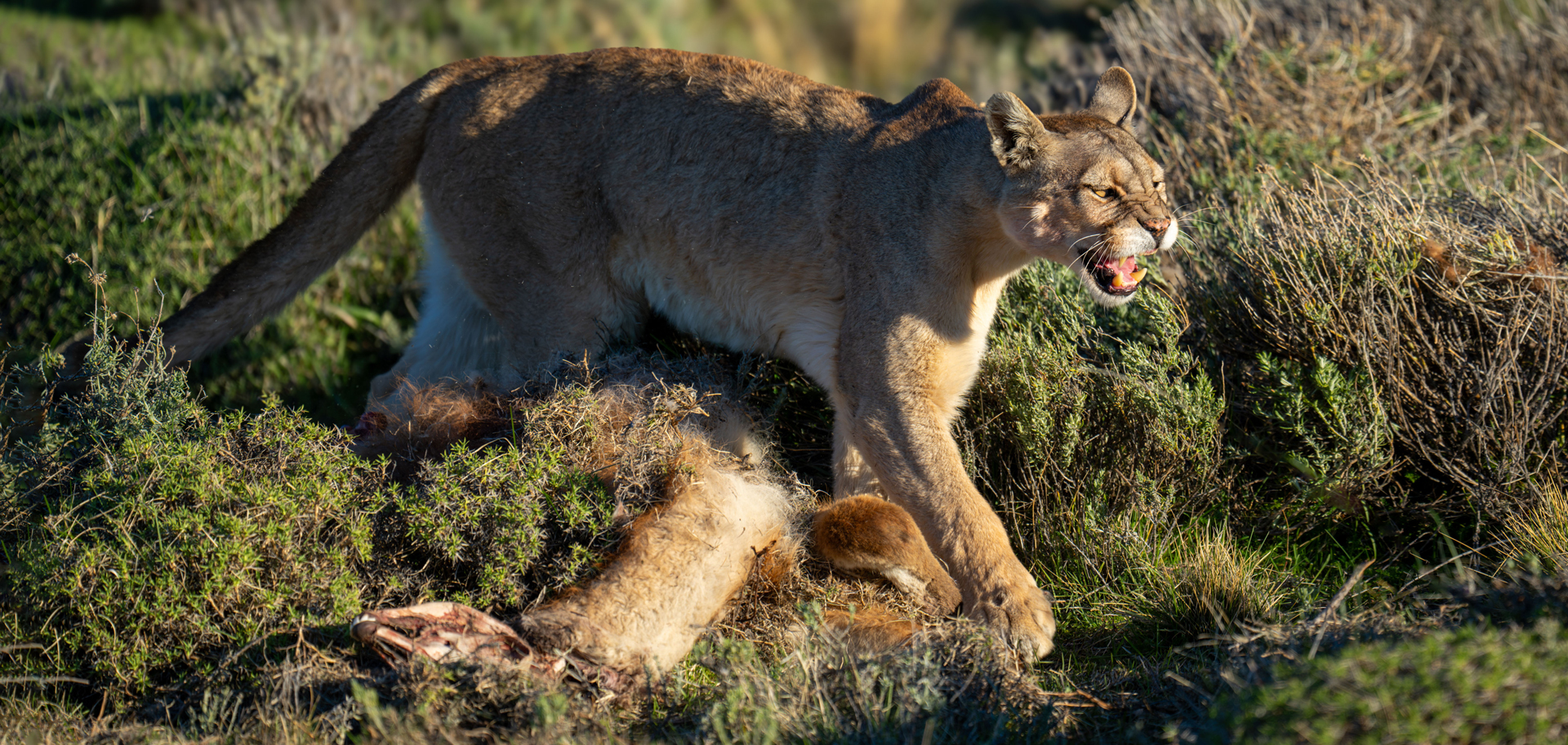
In North America and worldwide, carnivore communities are undergoing major changes. Many cougar/wolf encounters in Yellowstone National Park begin when wolves take over prey that cougars have already killed. The big cats have adjusted by targeting smaller animals, helping them to avoid crossing paths with wolf packs.
Some more specific findings from the study include:
• Of the nearly 4,000 potential kill sites linked to cougars and wolves, 852 had wolf feeding events and 520 had cougar feeding events. Wolves were responsible for 716 kills and scavenged 136 times. Their primary prey included elk (542), bison (201) and deer (90).
• Cougars made 513 kills and scavenged just seven times, focusing mostly on elk (272) and deer (220).
• Comparing data from 1998 to 2005 and 2016 to 2024 revealed major shifts. Among wolves, bison increased in their diet from 1% to 10%, while elk declined from 95% to 63%. For cougars, elk dropped from 80% to 52%, while deer rose from 15% to 42%.
• The results showed a striking imbalance. About 42% of cougar-wolf interactions occurred at predicted sites where cougars had made a kill. Only one interaction took place at a site where a wolf had killed prey.
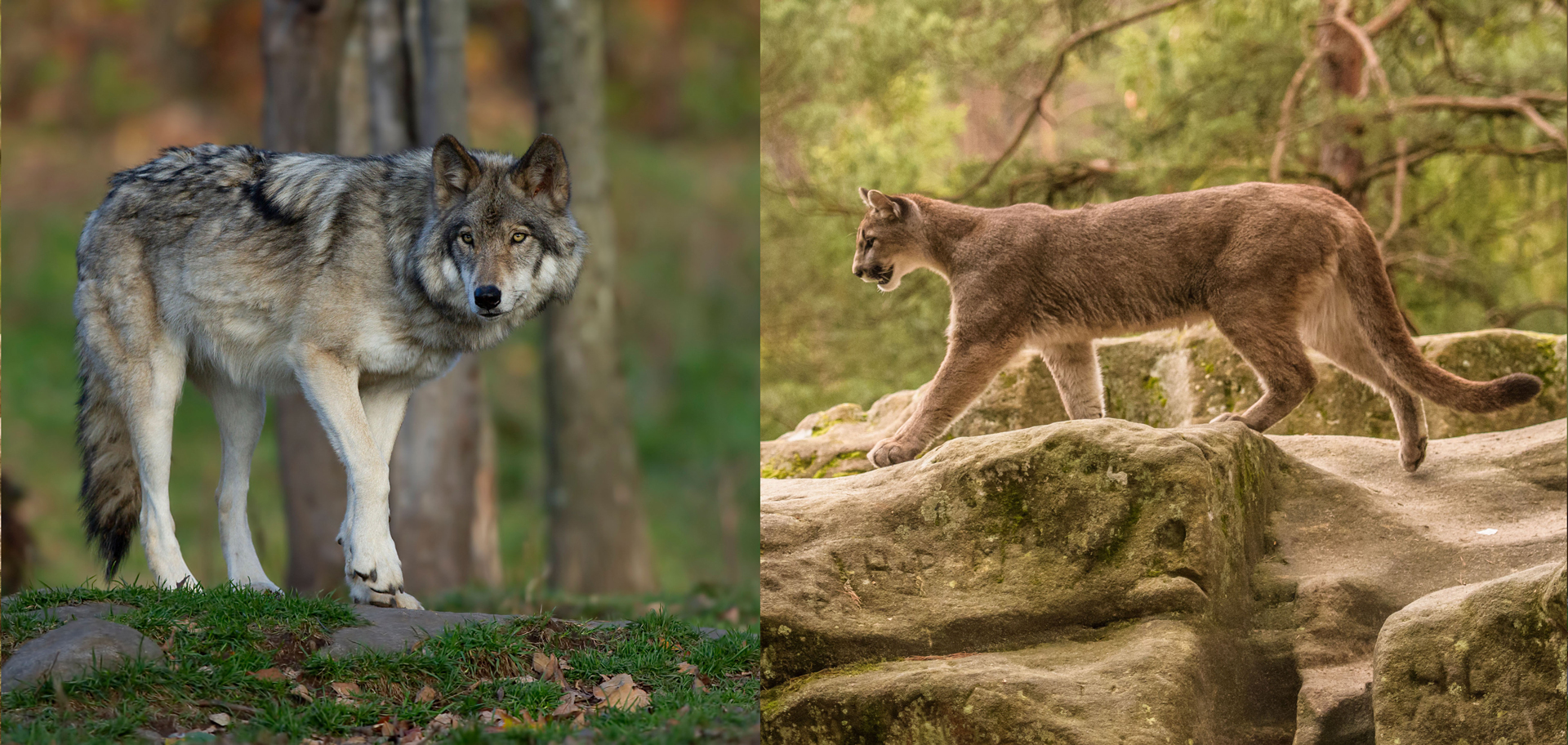
Wolves dominate Yellowstone’s predator rivalry by stealing cougar kills and occasionally killing the cats themselves. There is no evidence of cougars killing wolves.
The findings also suggest that peaceful coexistence between these two apex predators depends less on the total amount of prey available and more on having a variety of prey species and access to safe escape terrain. Between 2016 and 2024, researchers recorded 12 adult cougar deaths, two of which were caused by wolves. In both cases, there was no nearby escape terrain. Wolves did not eat the cougars but instead consumed the elk the cougars had killed. During the same period, 90 wolf deaths were documented. None were attributed to cougars. Most wolf deaths were linked to natural causes or human activity.
The researchers believe that their study results provide insight into how two apex predators compete, which, hopefully, can aid in recovery efforts.
Very different mammals are following the same rules of behavior
While cougars, ravens and wolves are showing us some new and unexpected food behaviors, there seems to be an overarching framework in nature for movement behaviors.
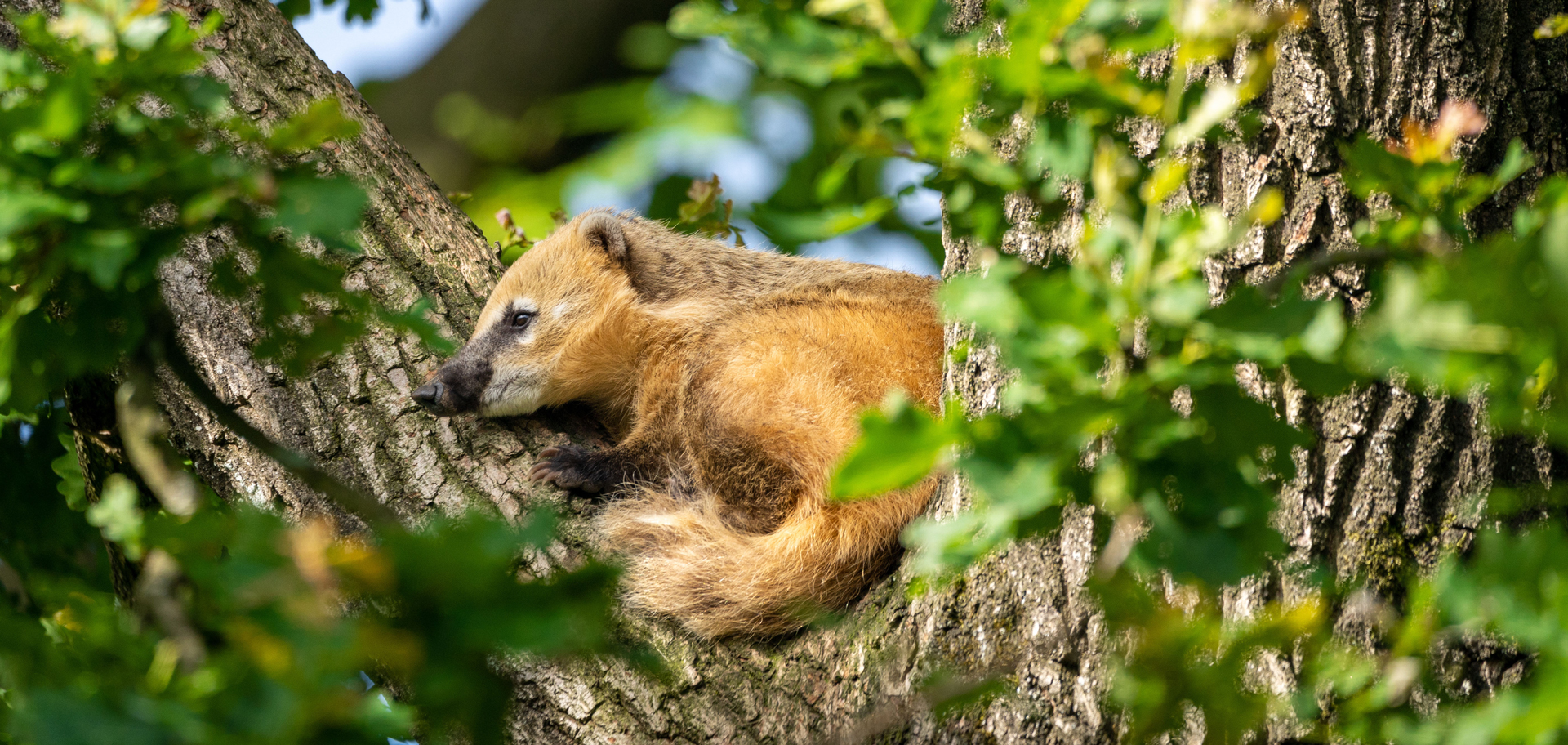
Whether a meerkat scratches in the sand for scorpions or a coati rests in the canopy (as shown here), a shared ordering of behaviors persists across landscapes, individuals and species.
In a study spanning coatis in Panama’s rain forests, meerkats in the Kalahari Desert and spotted hyenas in Kenya’s savannas, researchers have discovered that the daily actions of animals show astonishingly similar patterns. Whether a meerkat scratches in the sand for scorpions or a coati rests in the canopy, a shared ordering of behaviors persists across different individuals, landscapes and species. For the international team of 14 authors, led by researchers at the Max Planck Institute of Animal Behavior, this finding is unexpected and—possibly—profound.
At the beginning of their study, the results of which were published in the journal PNAS in May 2025, the researchers say that they assumed there would be differences. After all, differences are apparent when comparing coatis, meerkats and spotted hyenas, which occupy dissimilar environments and ecological roles. But they found common patterns in how animals switch between behaviors, regardless of what species and which individuals. It’s as if, they state, their behaviors are built on the same hidden algorithm.
That hidden algorithm came to light in data that were collected from wild animals tagged with accelerometers, the same small sensors in phones and watches that track our activities. The species studied are all social mammals, but they differ in their behaviors and ecologies. Spotted hyenas are large carnivores; meerkats are small, burrowing animals; and coatis are racoon-sized tree-dwellers. Accelerometers measure posture changes many times each second, and the recordings can continue for several days. These high-resolution motion traces collected from animals were then classified using machine learning into behavioral states like foraging, lying and walking. For instance, a meerkat might lie down for 10 minutes, then briefly stand up to look around for 20 seconds before moving around to search for food for another few minutes.
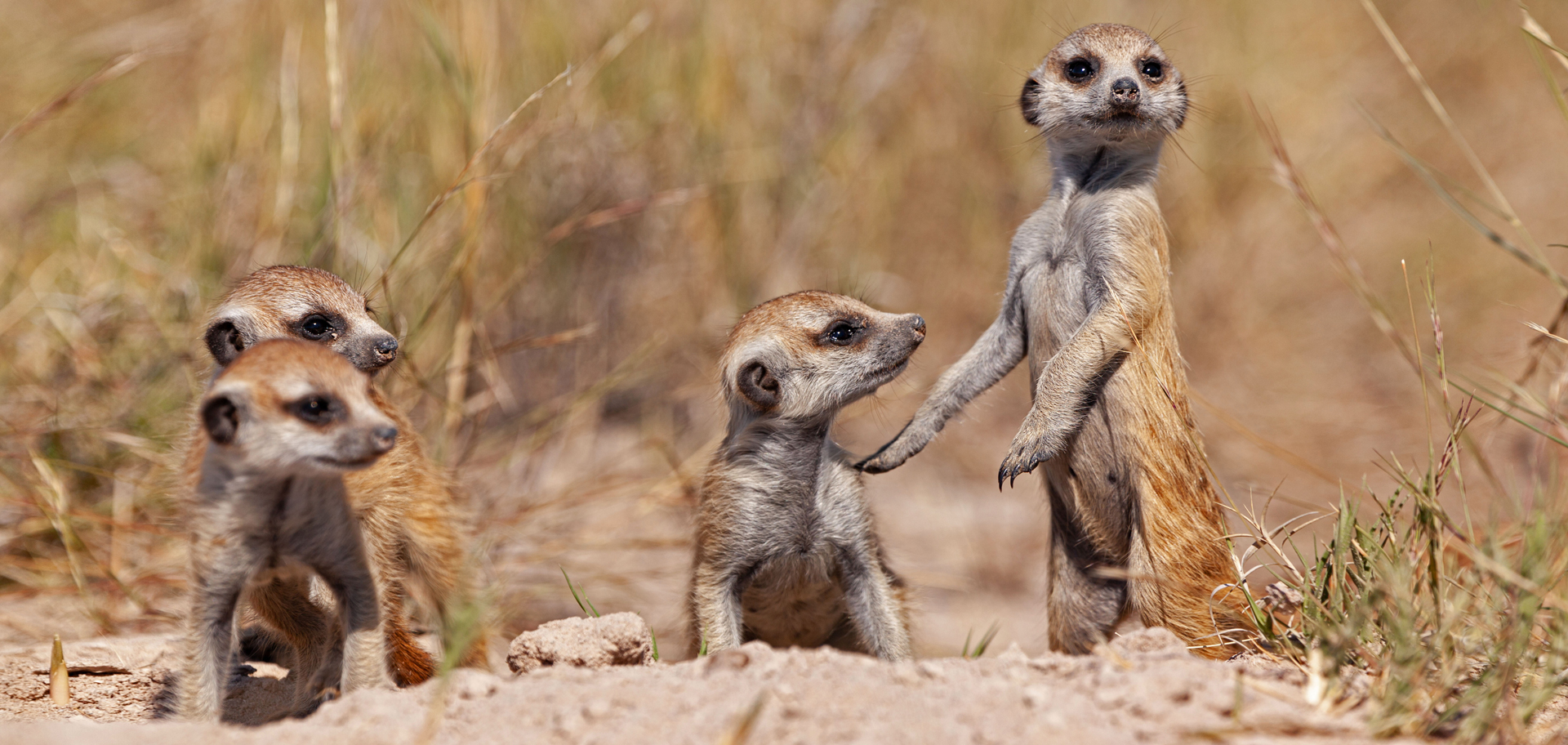
Accelerometers measure posture changes many times each second, and the recordings can continue for several days. For instance, a meerkat might lie down for 10 minutes, then briefly stand up to look around for 20 seconds before moving around to search for food for another few minutes.
This approach allowed the researchers to capture detailed behavioral sequences over days and even weeks from multiple individuals across three distinct species. And across behaviors, individuals and species, one common principle emerged: the longer an animal stays in one behavioral state, the less likely it is to change it in the next moment, which was unexpected.
Imagine a hyena walking continuously for 10 minutes. Most people would probably guess that the hyena would be more likely to stop over time—and the authors did, too, assuming it would not be optimal to lock onto any one behavior. Remarkably, this kind of locking, also called a “decreasing hazard function,” was consistent across all studied animals and species.
The authors further examined how current behaviors predict future actions, a concept called “predictivity decay.” Predictivity decay reflects the increasing difficulty in predicting behavior the further we look into the future, primarily due to random, unpredictable variations. The shape of the decay graph conveys how decision-making systems across different timescales interact to generate animals’ behavioral sequences. It was found that the pattern of predictivity decay was remarkably consistent across all animals studied, implying a shared architecture beneath the surface.
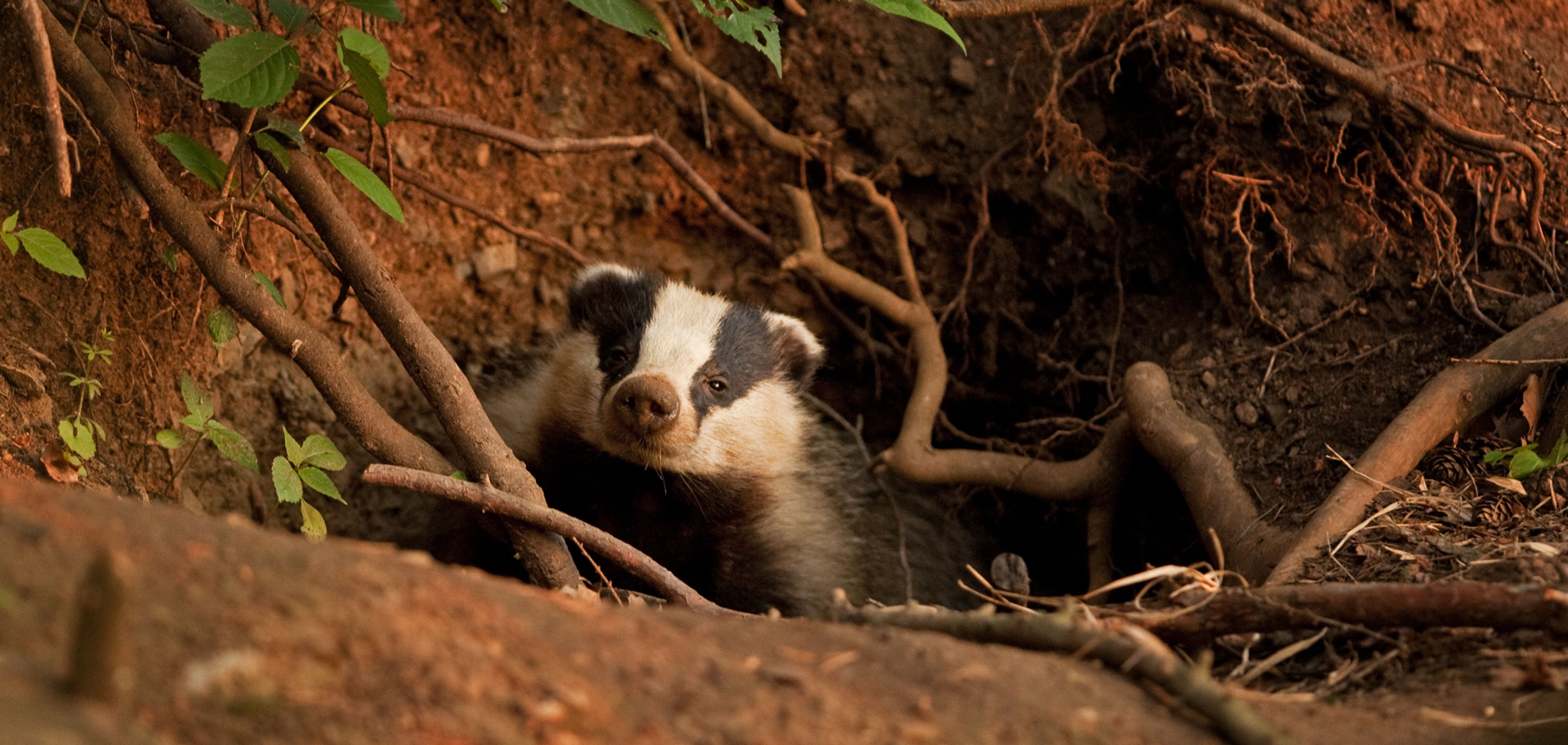
“Predictivity decay” is a concept in behavioral science that describes the increasing difficulty of forecasting an animal’s future actions based on its current behavior as the time horizon increases. For example, as climate change progresses, past habitat usage (predictive model) becomes less useful for determining the future locations of species.
The study raises a big question: why do such patterns occur? The authors propose two broad explanations. The first is positive feedback: the longer an animal remains in a state—such as lying down—the more likely that staying put is rewarded, whether because it’s safe, socially reinforced or warm. Behavior becomes self-reinforcing.
The second possibility is multi-timescale decision-making. Instead of a single internal clock governing when to switch behaviors, animals may integrate cues from many processes—external threats, internal hunger or social context—each with its own tempo. The interplay of these overlapping signals could generate the observed patterns.
Future studies may explore whether these patterns hold in other animals beyond the three mammals in the study: nonsocial species, across developmental stages or under different ecological pressures. There’s also the question of whether these long-time behaviors offer advantages; perhaps by conserving energy, enhancing group coordination or optimizing attention.
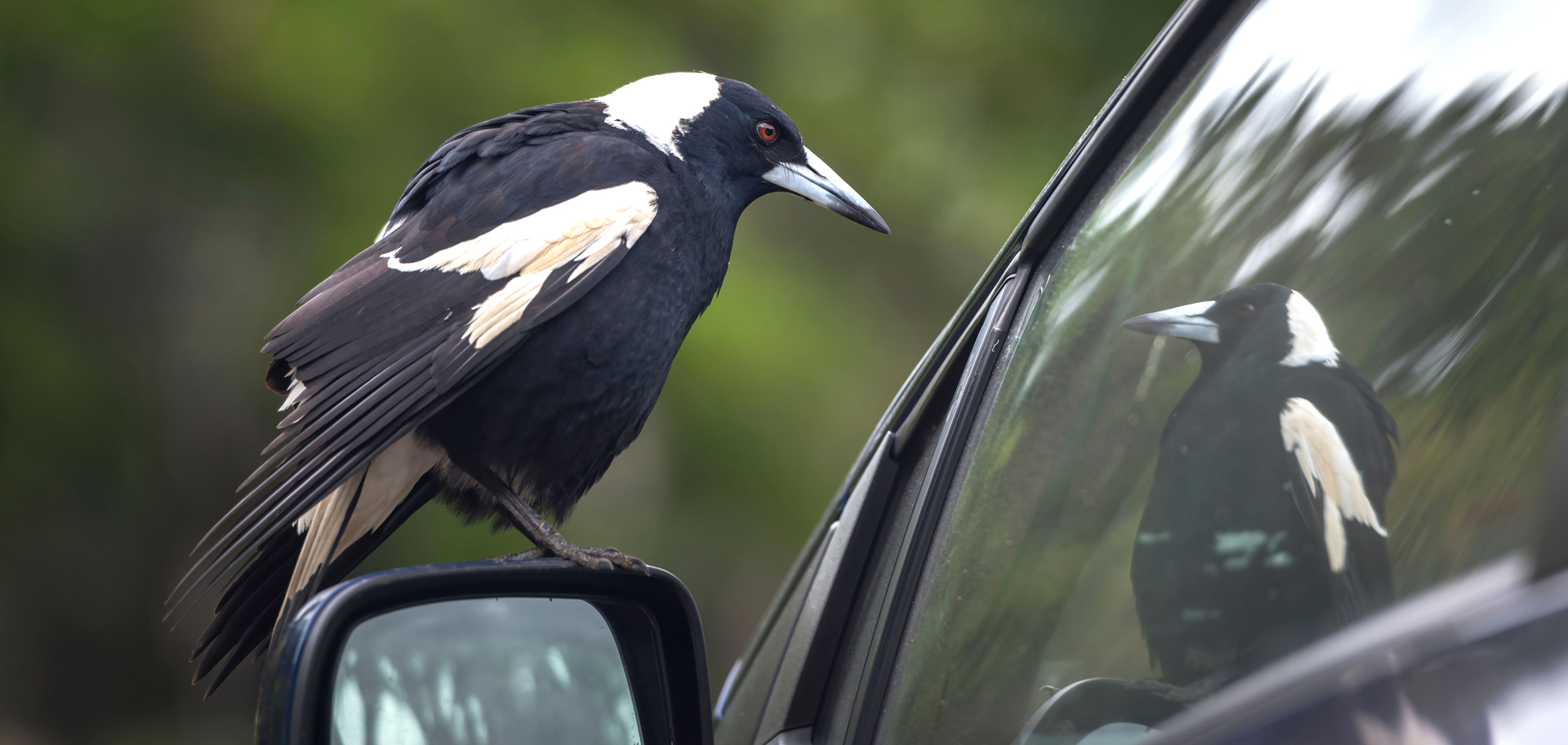
Magpies have demonstrated self-recognition, which means they can recognize their reflections as themselves rather than as other individuals. In studies, they show that they can pass the “mirror test” by using a mirror to locate and remove colored stickers placed on their bodies.
Animals are displaying remarkable abilities
Animals are born with innate behaviors, such as instincts and reflexes; or they learn behaviors, through conditioning and imprinting. But I think we can now state that from ants to whales, beings across the animal kingdom are demonstrating remarkable capabilities that we are only beginning to uncover.
Animals often display amazing problem-solving skills when faced with difficult scenarios. Similarly, animals in the wild will use their memories and senses to respond to chemical cues in the environment, such as a predator’s scent. Social interactions between animals also exhibit impressive complexity. Many have shown that they are capable of self-recognition, and some even practice altruistic behavior.
We may never understand some of the most sophisticated behaviors of animals, like their communication methods, navigation skills and parenting techniques. Hopefully, though, as we gain more respect for the better-than-humans among us, more of their secrets will be revealed.
Here’s to finding your true places and natural habitats,
Candy