Earthwatch Expeditions
Explore With Purpose
Discovery. Adventure. Impact.
Nature travel takes on deeper meaning with Earthwatch Expeditions. Since 1971, Earthwatch has brought curious, passionate nature lovers into the field as participant researchers, working alongside scientists studying and protecting wildlife and habitats around the world. On an Earthwatch Expedition, you might find yourself tracking turtles, counting dolphins, spotting sloths, monitoring sharks, recording owls, observing orcas, and much more. Through your important role in participatory science, your discoveries become part of a body of enduring knowledge that helps sustain wild places and their wild inhabitants.
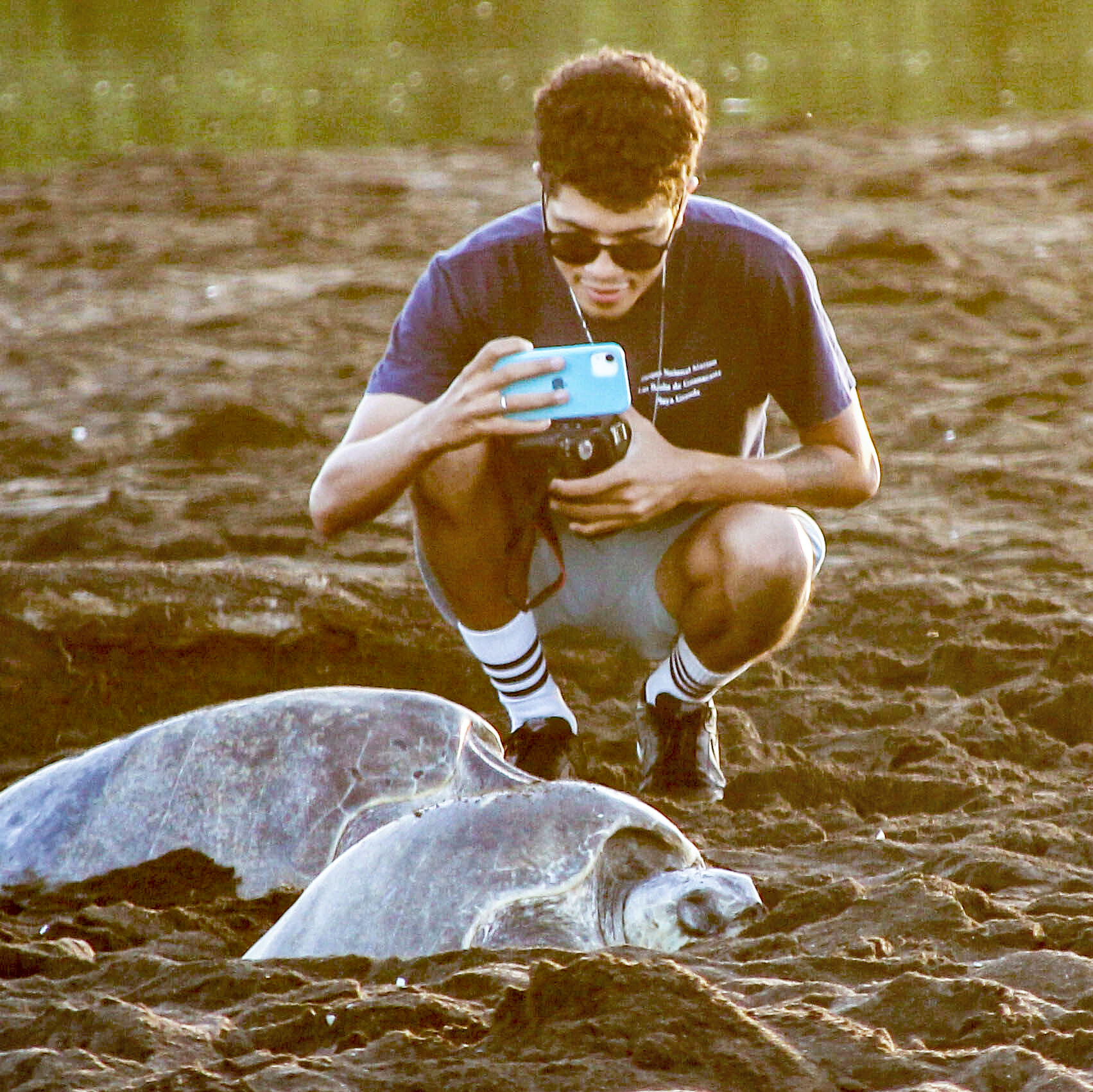
Enjoy rare access to research sites and field projects, gaining behind-the-scenes insight into conservation science with top researchers worldwide.
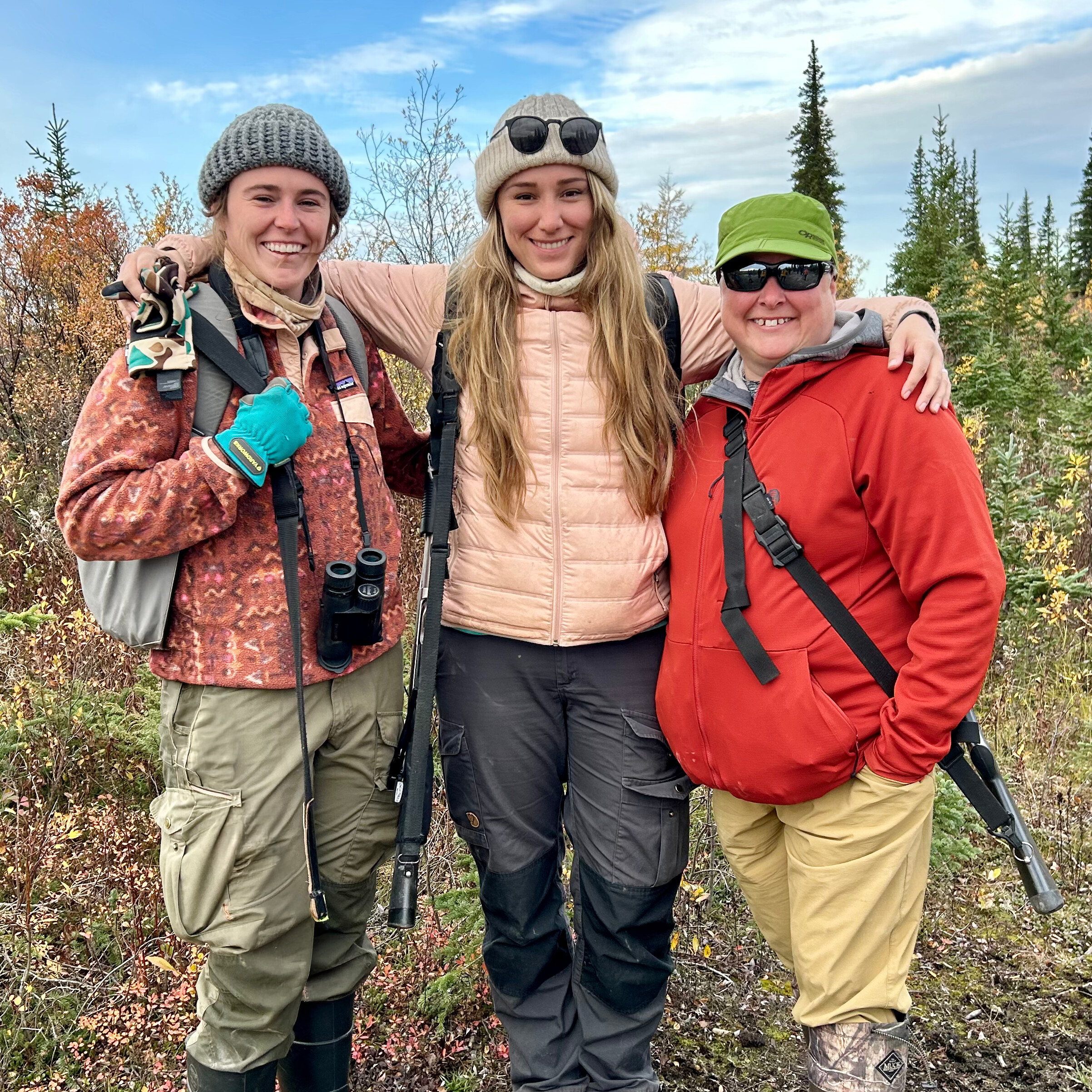
Each expedition works with local communities and partners, combining field research with local knowledge to strengthen conservation efforts.
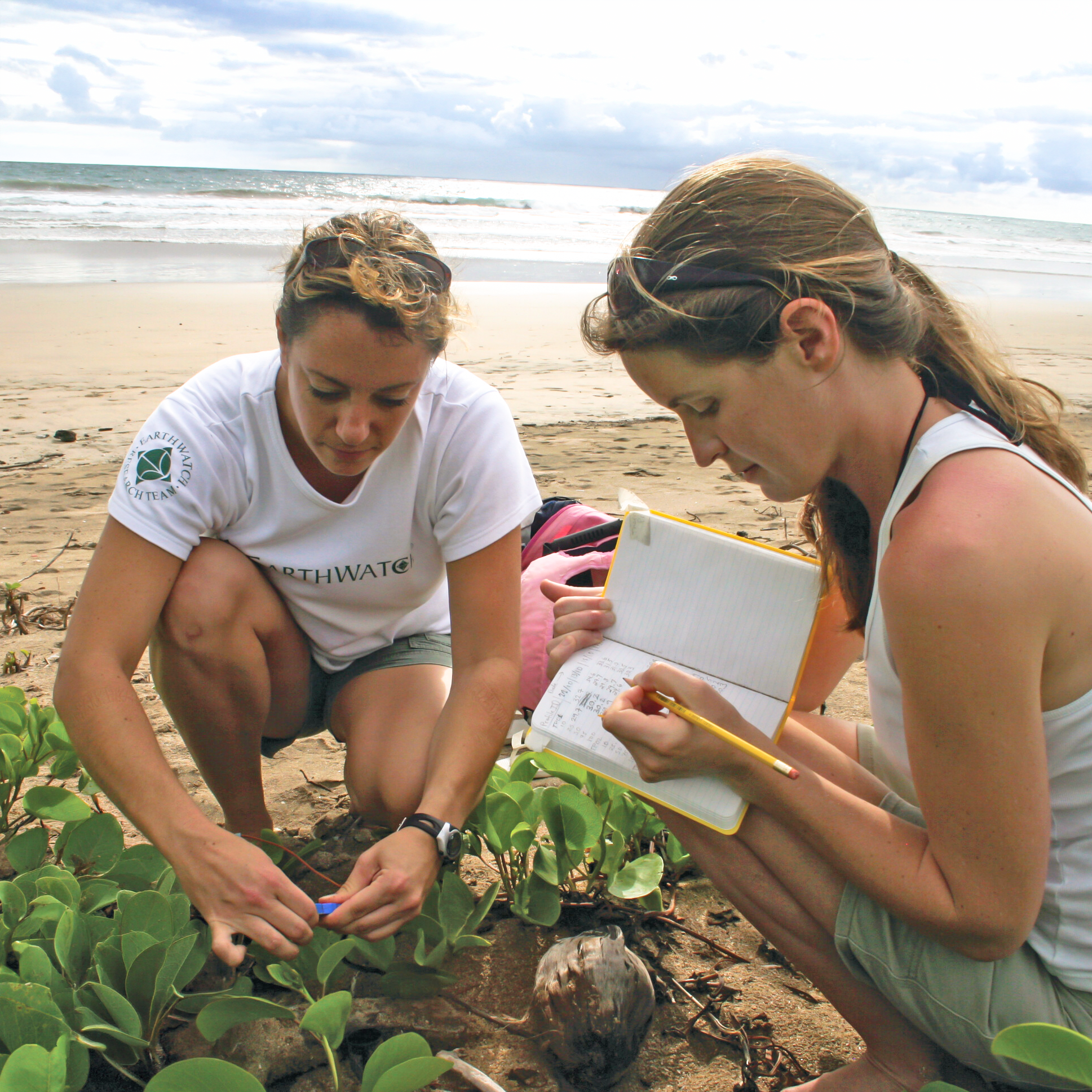
Work alongside scientists, collecting field data used to understand ecosystems, guide conservation decisions and policy, and protect biodiversity.

Field Expeditions Led by World-Class Scientists
Earthwatch partners with a global network of top scientists whose work has developed long-term datasets and led to new discoveries and impactful conservation outcomes. Affiliated with institutions such as Yale University, the University of Miami, Tufts University and the Australian Institute of Marine Science, project leaders include Ph.D. researchers, senior professors and research directors. Their peer-reviewed findings have shaped policy, secured protections for species and habitats, and expanded our collective knowledge of the natural world.
Your Research Role
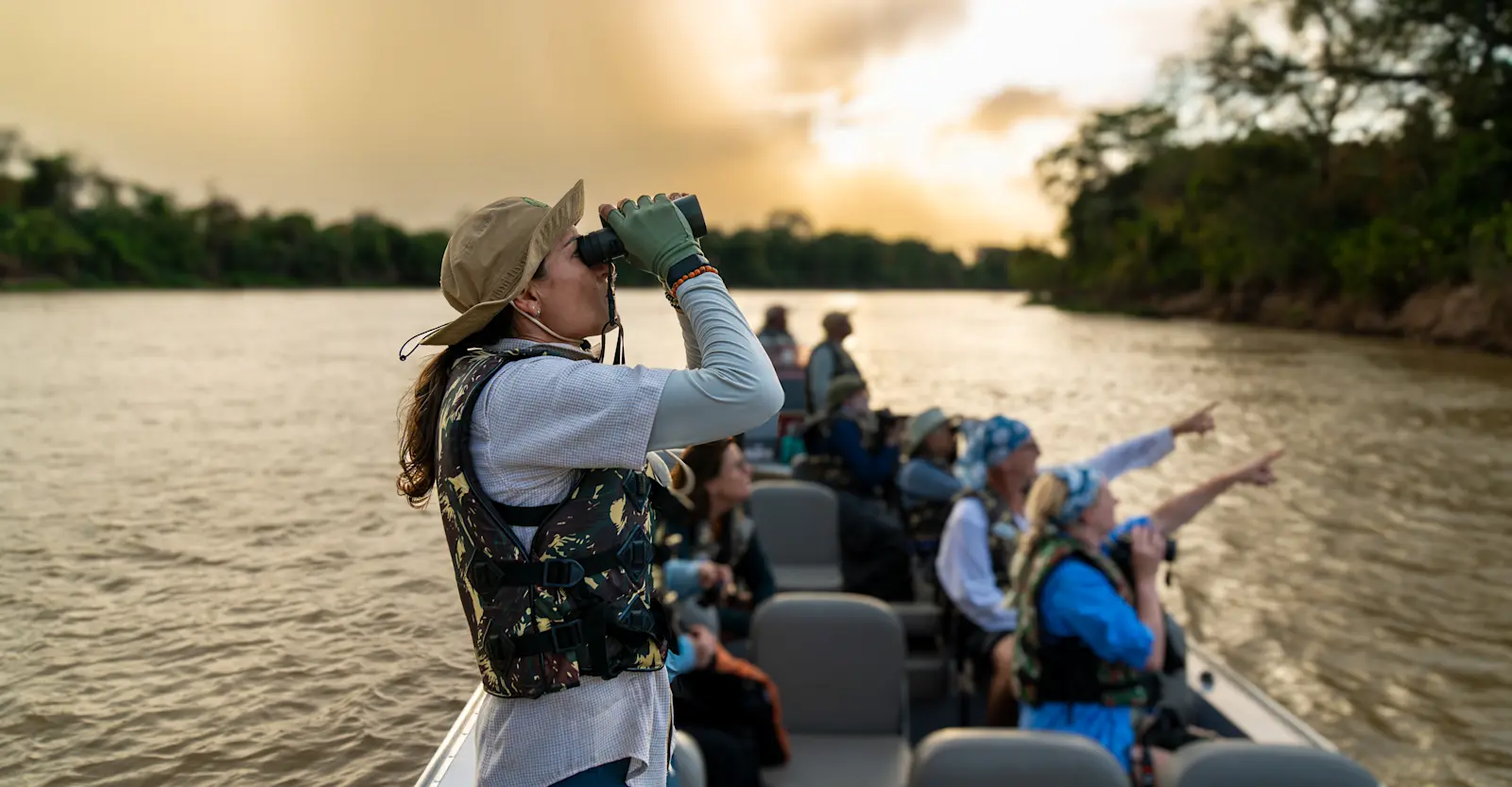
Survey Wildlife Populations
Conduct wildlife surveys from fixed locations (point counts) across land and water, recording sightings, locations and conditions.
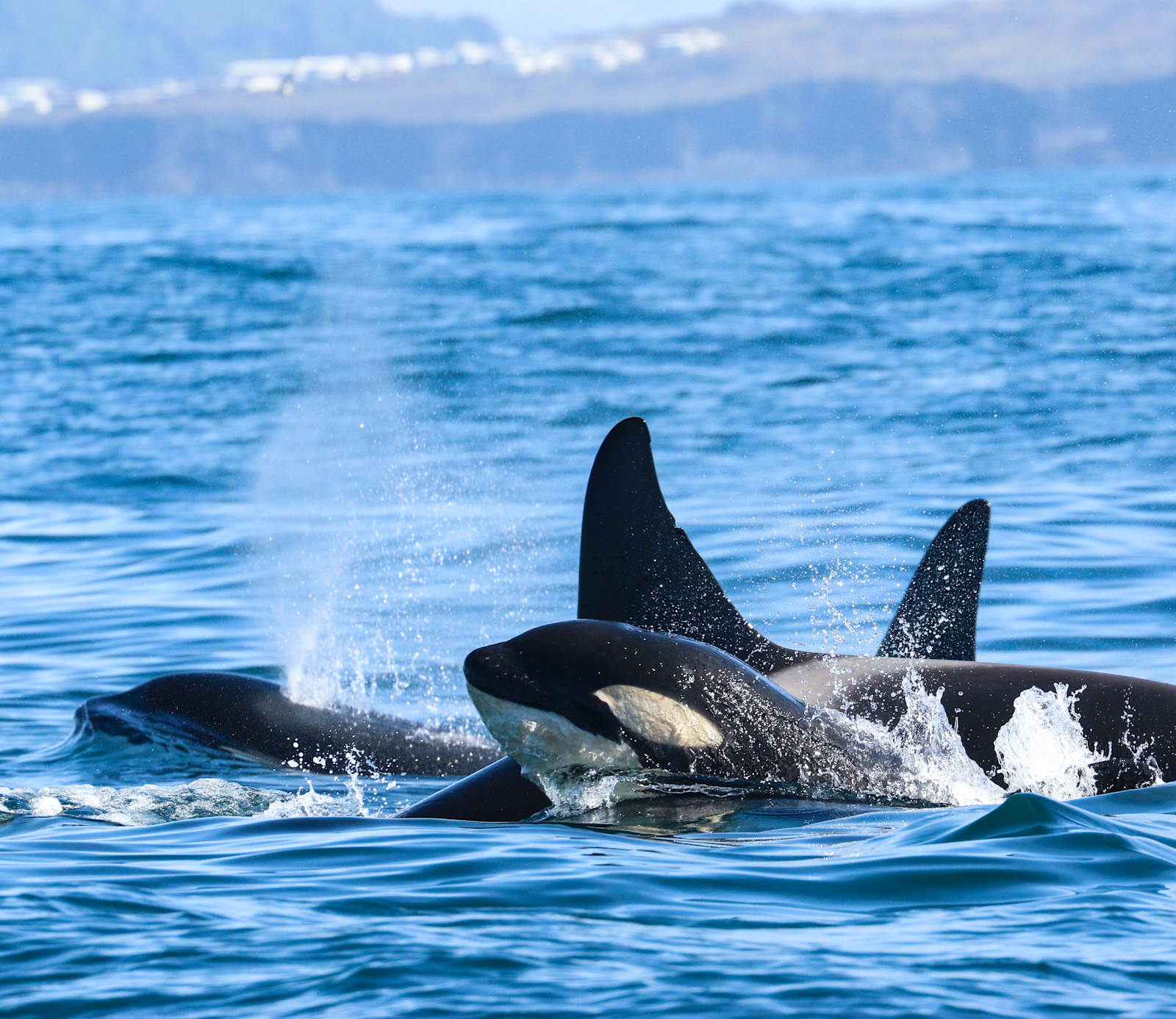
Observe Animal Behavior
Track and record feeding activity, movement patterns, social behavior and predator-prey interactions, documenting how species use habitats, compete and adapt.
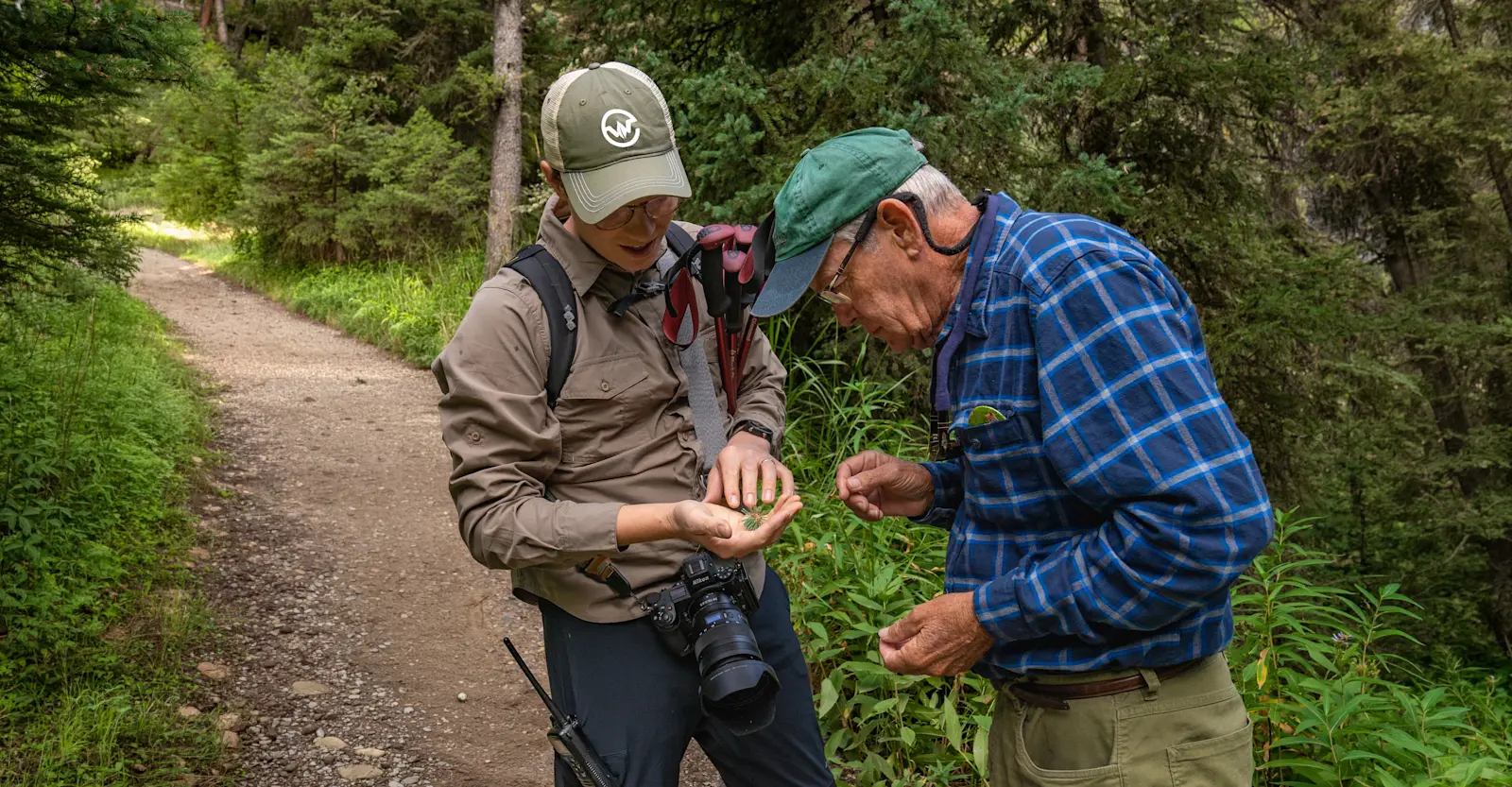
Assess Habitats & Ecosystems
Record vegetation, water conditions and seasonal shifts; conduct habitat quality surveys; and document seasonal events like plant flowering and bird migration.
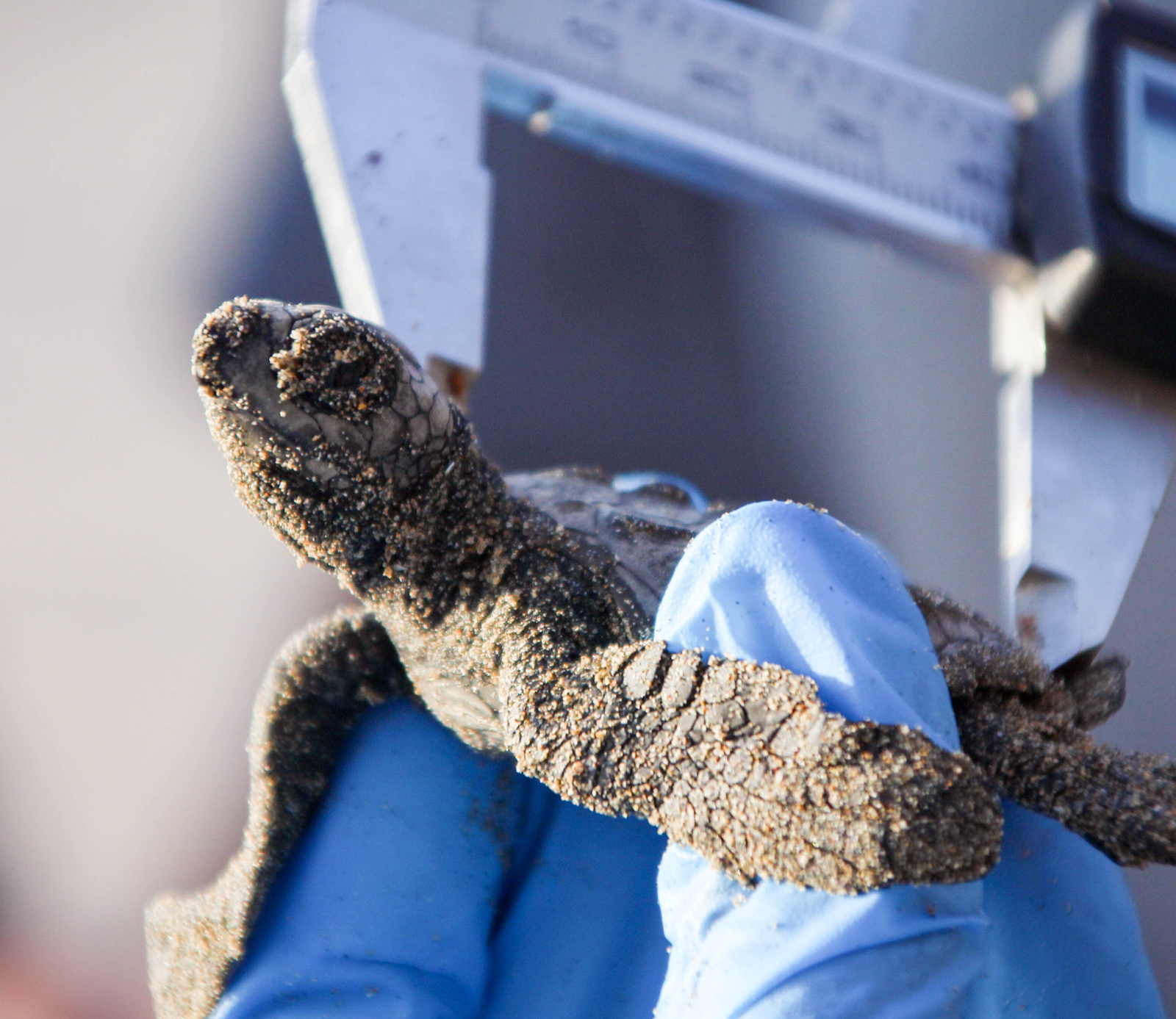
Tag & Measure Wildlife
Assist researchers with non-invasive monitoring techniques—applying tags or bands using safe methods. When appropriate, help safely handle animals for measurements.
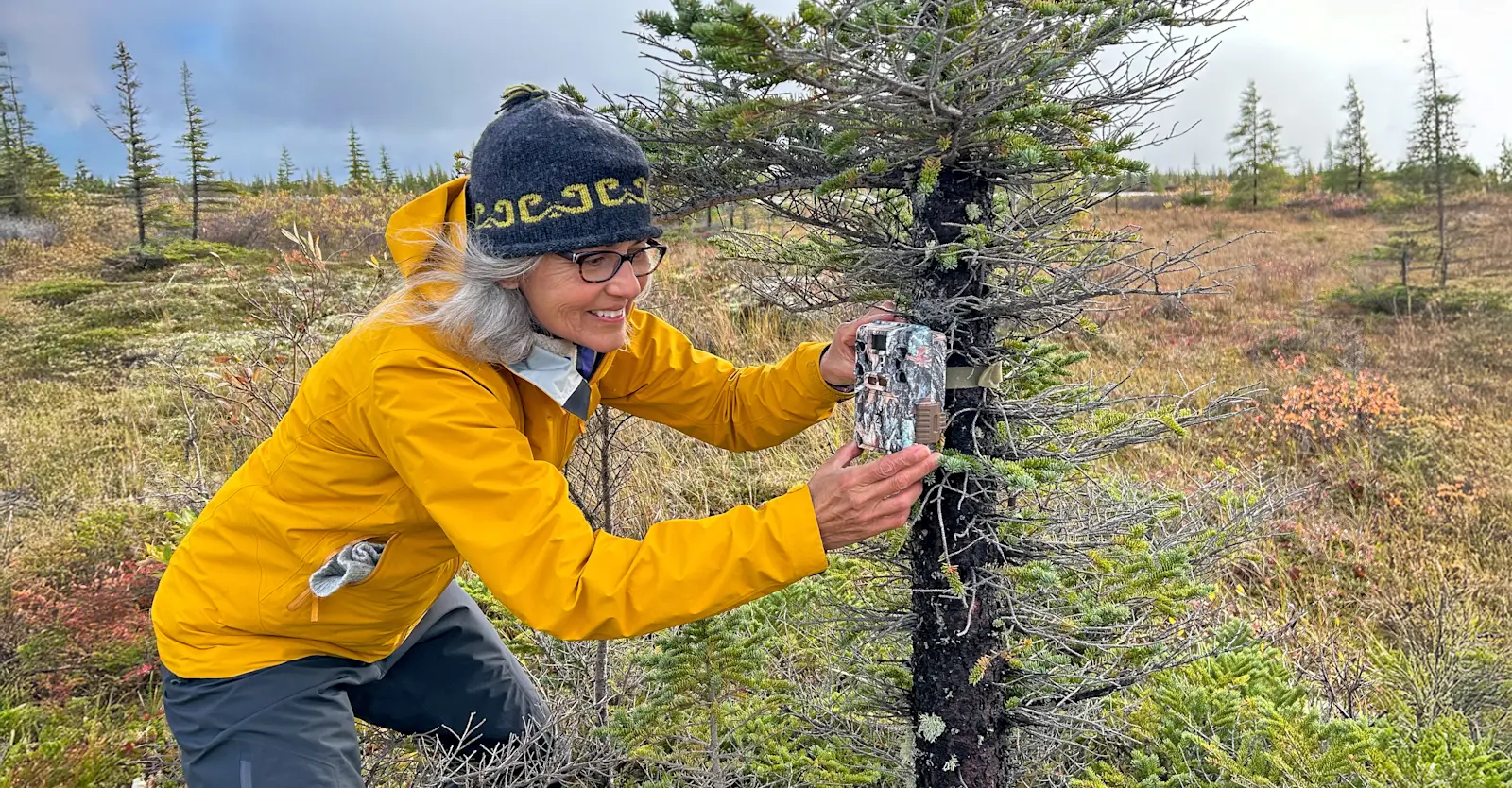
Deploy Camera Traps & Acoustic Recorders
Deploy camera traps and sound recorders along wildlife trails or other strategic locations to continuously capture images and audio non-invasively.
Restore Habitats & Run Field Experiments
Assist with habitat restoration, monitoring and conservation field experiments by documenting habitat quality and observing wildlife responses to restoration efforts.