Research & Impact
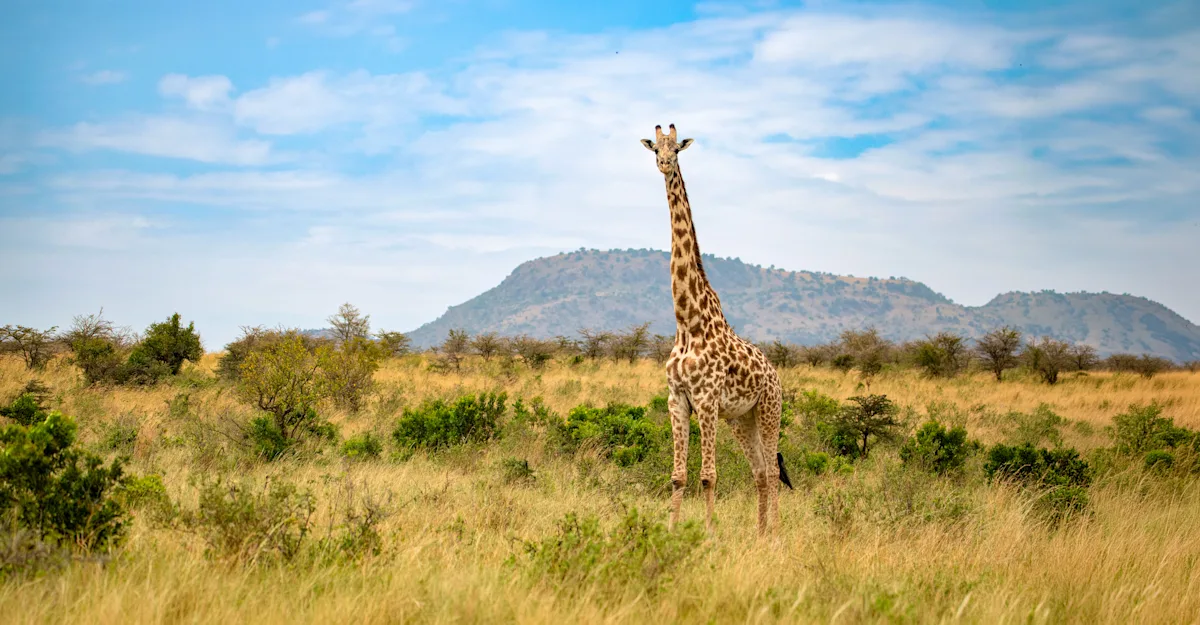
Launched in 2022 at Enarau Wildlife Conservancy in Kenya’s Greater Maasai Mara, this project explores how to best rewild degraded savanna. Working alongside scientists and Maasai landowners, participants help test restoration approaches and gather data on how wildlife returns, vegetation regrows and soil begins to rebuild. By combining research with local knowledge, the work is helping identify practical ways to restore habitat, support wildlife and sustain the communities that depend on this landscape.
What You'll Do in the Field
Click a photo to expand details
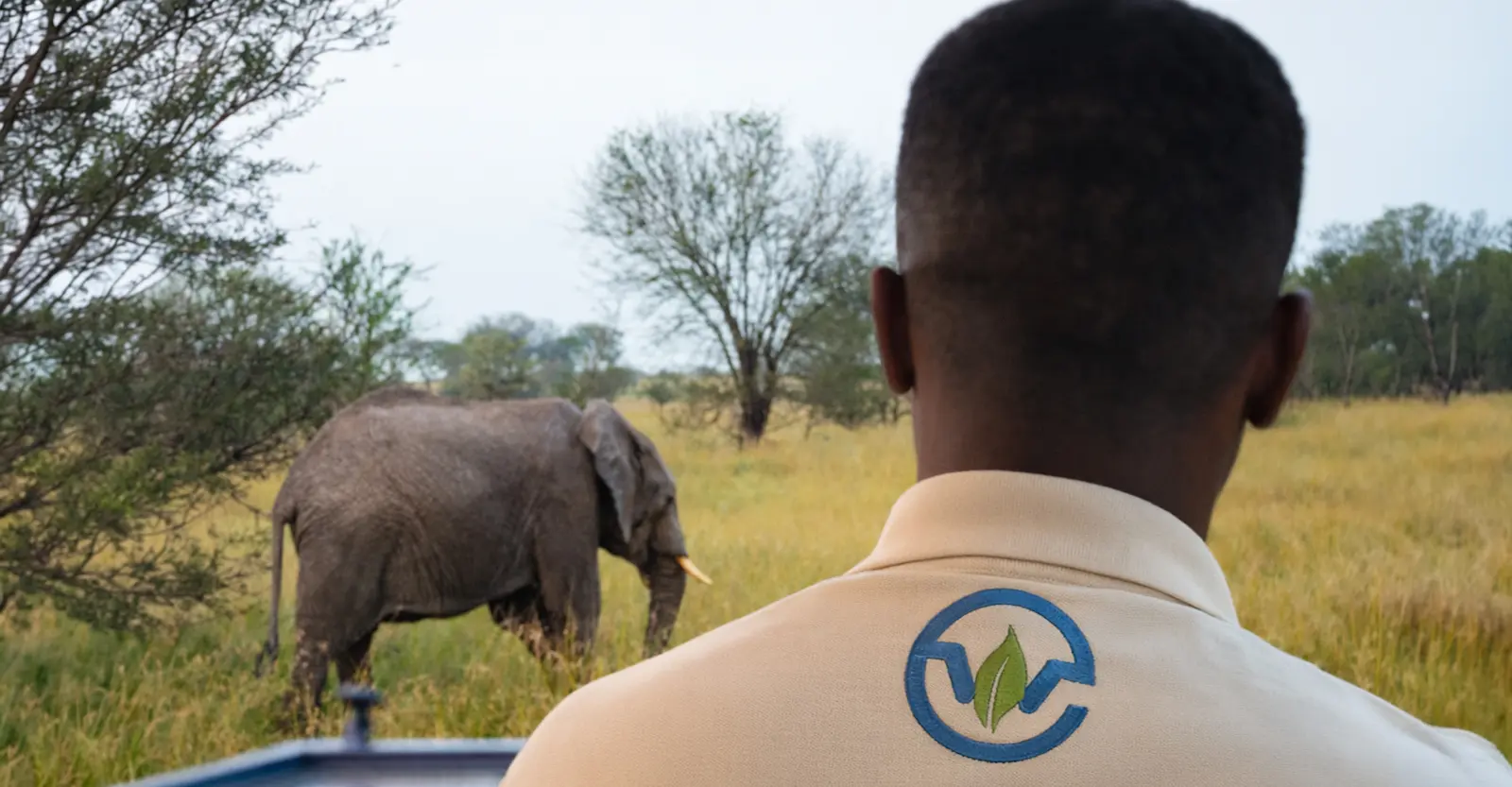
Survey Wildlife Populations
Walk or drive transects to record mammals and birds, revealing how wildlife uses restored and degraded areas.
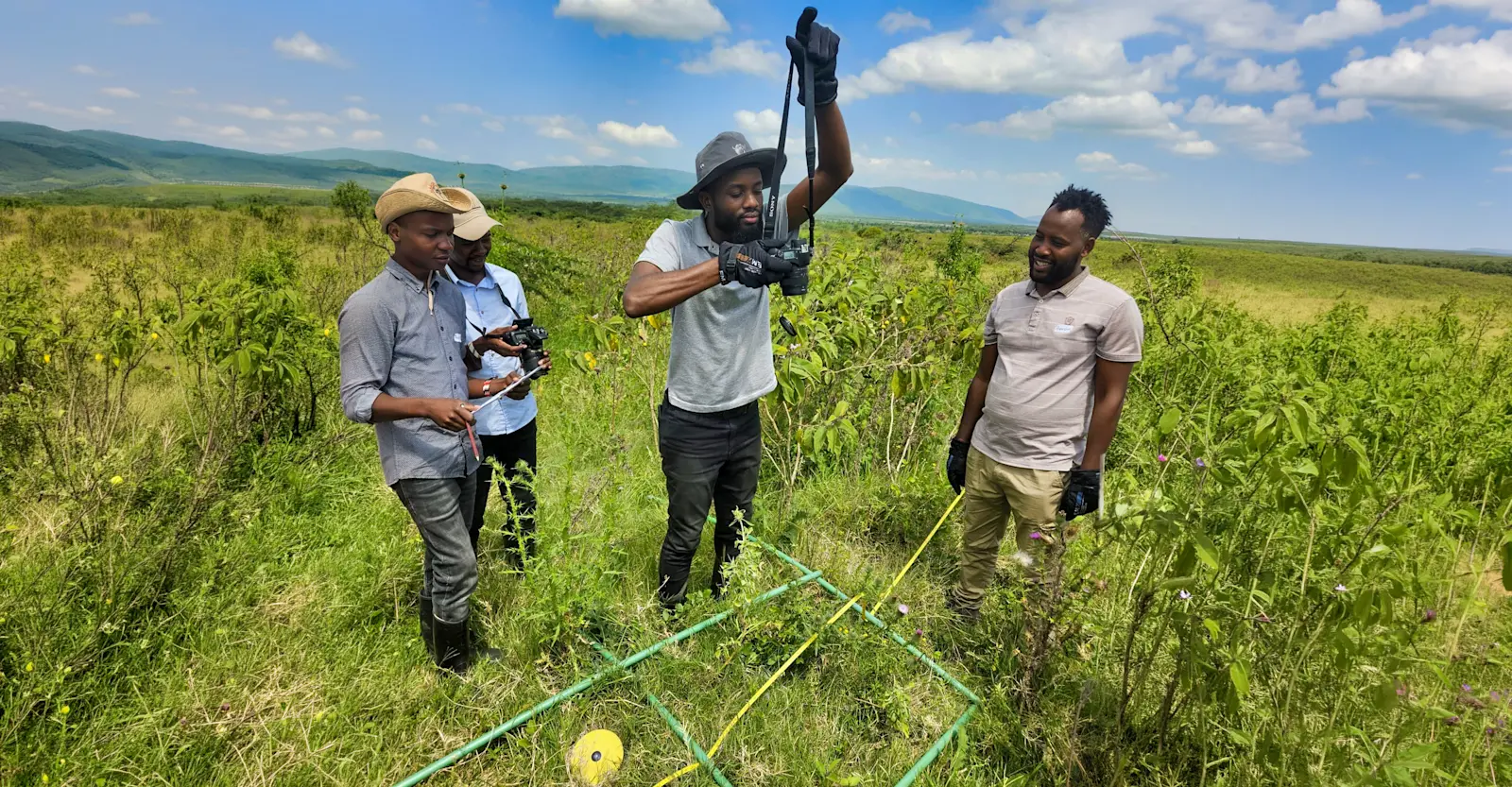
Assess Habitats & Ecosystems
Measure vegetation, identify plant species and track land condition to evaluate how habitat changes as restoration progresses.
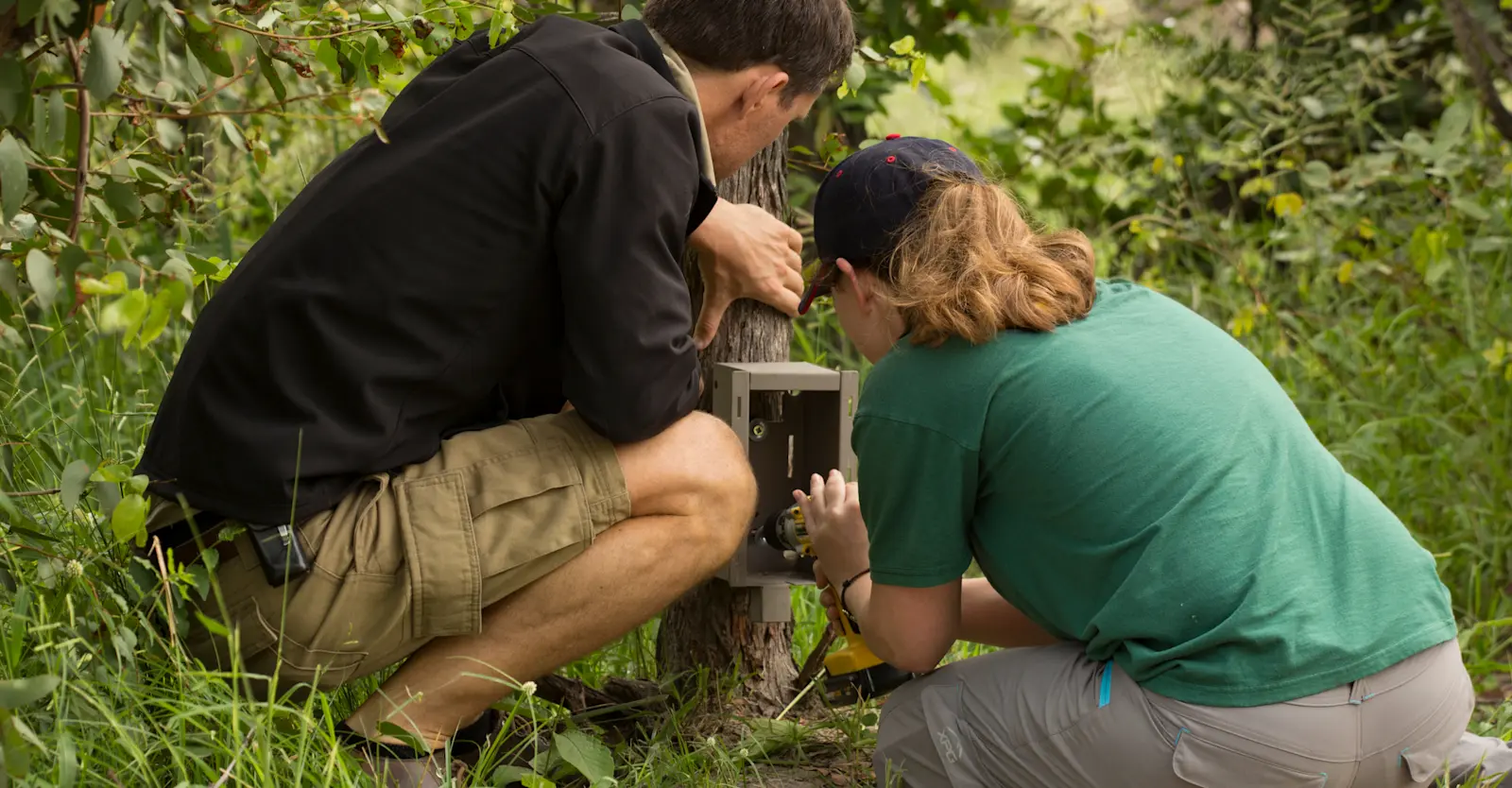
Deploy Camera Traps
Set and retrieve motion-activated cameras to capture wildlife activity, then review images to identify species presence and behavior.
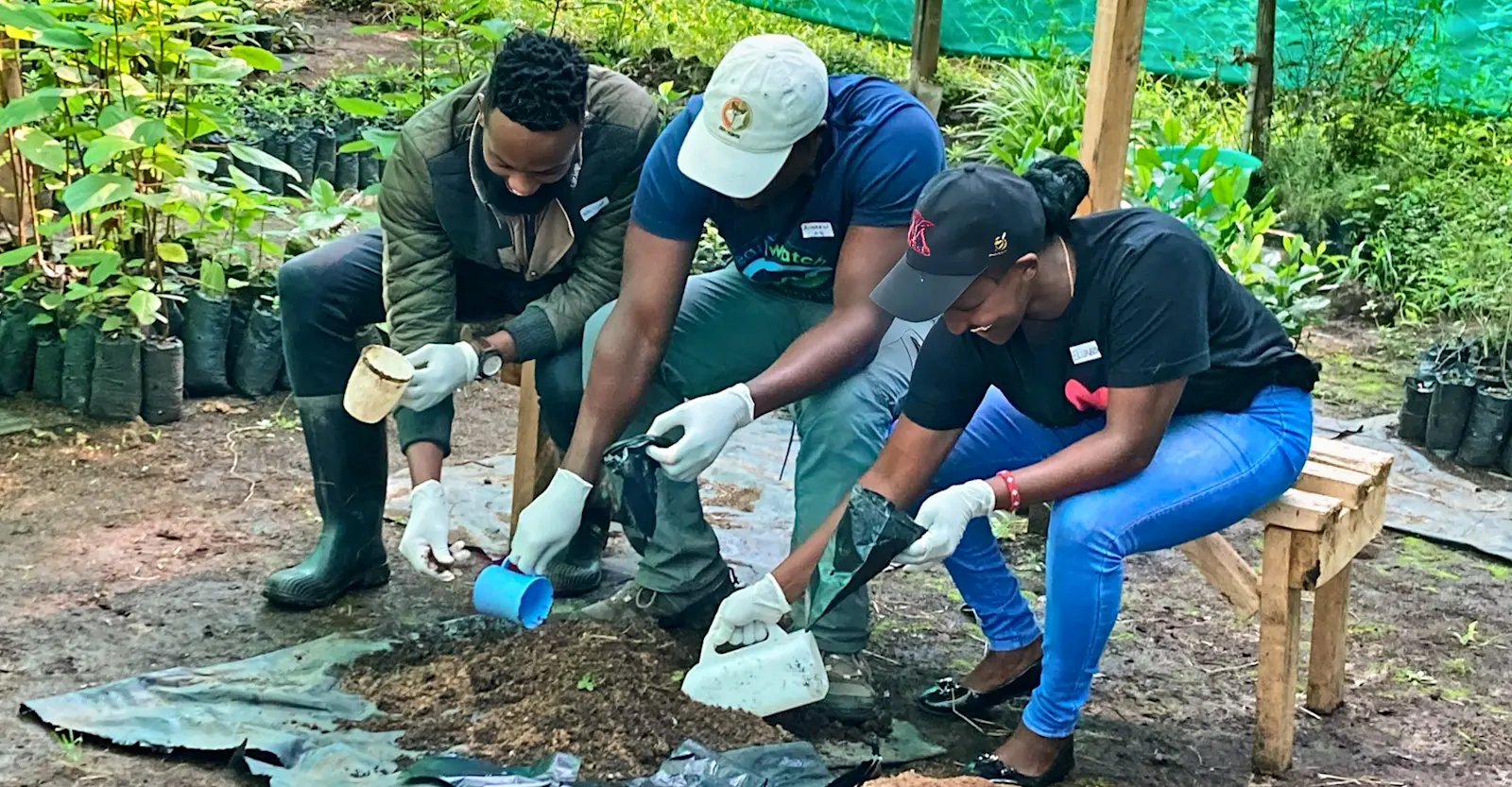
Restore Habitats & Run Field Experiments
Work in restoration plots and nurseries—planting native species, removing invasives and supporting experimental approaches to recovery.
Meet Your Lead Scientists
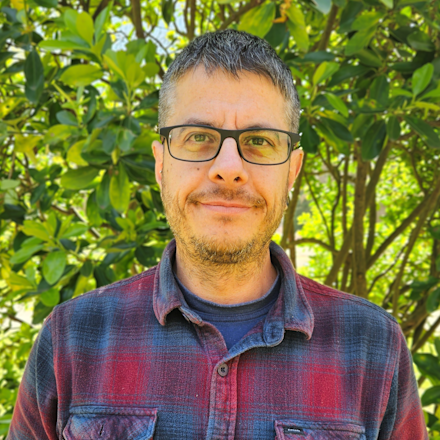
Antonio Uzal, Ph.D.
Associate Professor of Conservation Biology, Nottingham Trent University
Wildlife Ecology, Kenya
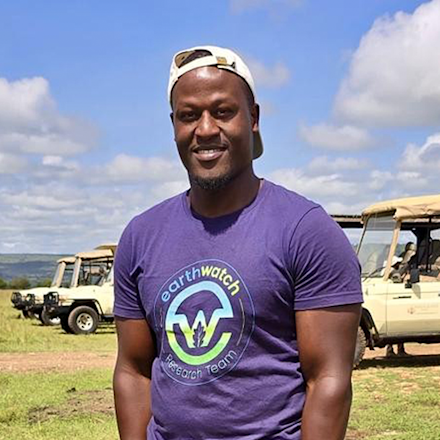
Andrew Gichira, Ph.D.
Research Manager, Center for Ecosystem Restoration
Restoration Ecology, Kenya
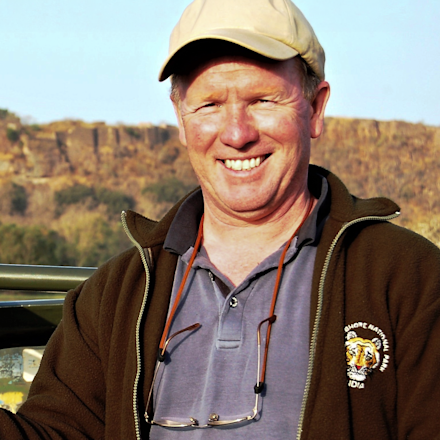
Stewart Thompson, Ph.D.
Emeritus Professor, Oxford Brookes University
Biodiversity Conservation, Kenya
Research Focus
Across the Greater Maasai Mara, wildlife moves through a patchwork of intact habitat, degraded land and areas beginning to recover. At Enarau Conservancy, former farmland and overgrazed areas create a rare opportunity to study that transition as it unfolds. Here, researchers follow how vegetation returns, how soil conditions change and how wildlife responds. Standardized surveys track biodiversity across the area, while experimental plots test approaches such as reintroducing native plants, removing invasive species and improving soil and water conditions. Conducted in partnership with Maasai landowners, the work combines scientific research with Indigenous and Local Knowledge to understand how best to restore and sustain these ecosystems. Your presence adds a vital third strand to this "braided knowledge system" approach to restoration, with your efforts strengthening the research and accelerating the process of rewilding this native habitat.
-
Community-Led Restoration in the Maasai Mara
At Enarau Conservancy, this research follows how degraded savanna recovers—showing which restoration approaches best support wildlife, healthy soils and resilient landscapes.
Conservation Impact
Early work at Enarau is already producing visible change, while ongoing field data is guiding how degraded land is restored and managed.
Native grasses and plants returning in previously degraded areas
Increased wildlife presence in parts of the conservancy as habitat improves
Restoration approaches tested and refined in the field
A growing dataset tracking changes in vegetation, soil and wildlife
Expansion of native seed collection and nursery networks supporting large-scale restoration
A community-led conservancy model linking habitat recovery with local livelihoods and long-term stewardship
Improved ground cover and reduced erosion in degraded areas
Ongoing monitoring guiding how land is restored, managed and expanded over time
This work is helping define how degraded savanna can recover across the Greater Maasai Mara, with each season adding to a growing record of change.
Your Role in the Research
Each day, you work alongside scientists and field staff, taking part in both monitoring and restoration. You may head out on foot or by vehicle to identify wildlife and observe how animals use different parts of the area. In other locations, you examine plant life and ground conditions, helping reveal how the land is changing. Camera traps are set and checked to capture wildlife activity, and time is spent reviewing images and recording observations. On your restoration day, shift to planting native species, clearing invasive growth and tending nursery plants. The work changes with the needs of the project, but every task contributes to a clearer understanding of how this ecosystem is recovering—and what it takes to bring it back.
Life in the Field
Mornings often begin with a short drive or walk to survey areas, where you spend hours moving through open terrain, watching for wildlife and noticing subtle changes in the land. Other days unfold closer to camp, working in nursery areas or field plots where the focus turns to planting and care. The pace shifts between active time in the field and quieter moments reviewing what you’ve seen. Wildlife is part of the backdrop—giraffes on the horizon, zebras grazing nearby, antelopes moving through the grass. Evenings are relaxed, with time to share observations, record notes and prepare for the next day. Over time, patterns begin to stand out—where wildlife gathers, how the land is changing and how each day’s work fits into a larger effort to bring it back.
Field Conditions
Work takes place outdoors across open savanna and restoration areas, both on foot and by vehicle. Expect warm temperatures, strong sun and wide, exposed terrain with uneven ground underfoot. Some days involve walking several miles and standing for long stretches, while others focus on more stationary tasks like planting or tending seedlings. The work can be physical at times—bending, lifting and repeating simple movements—but it is steady rather than intense. Weather can shift, and plans adjust with it. Some days are full and active, others slower and more focused. A reasonable level of fitness and comfort spending time outside will help you stay engaged throughout.