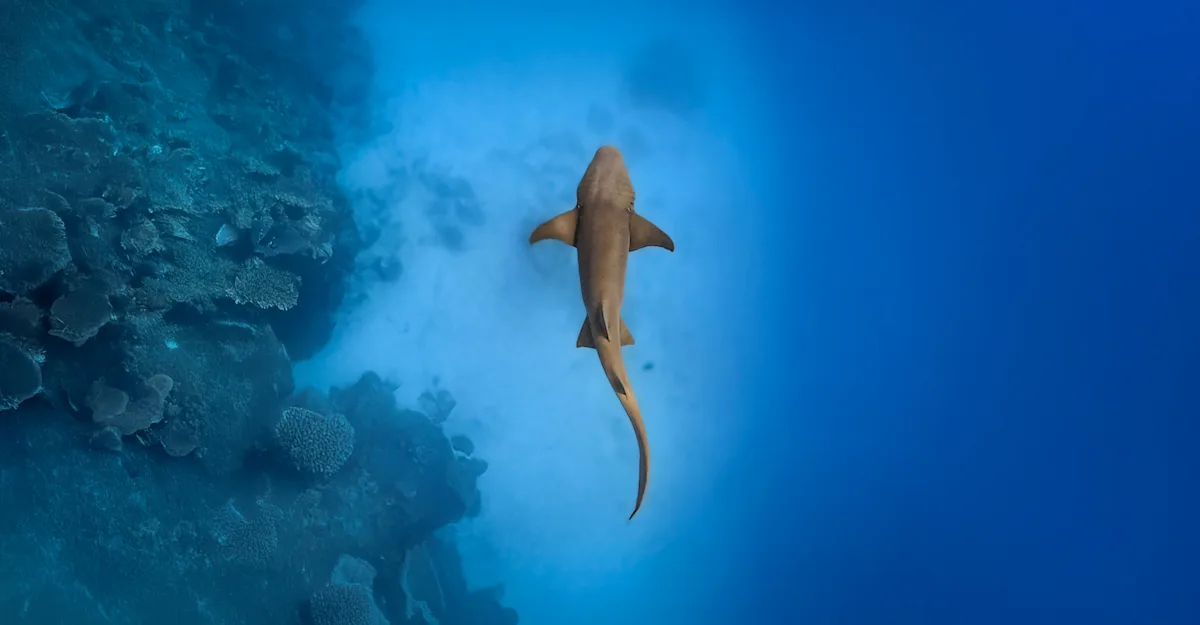
Catch, Tag & Release Sharks in Belize
Know Before You Go
Whether you're preparing for your upcoming expedition or simply want to learn more about Belize's coastal waters, these resources offer a closer look at the sharks, reefs and marine ecosystems that make this region so important. Discover the shark species that inhabit the Mesoamerican Barrier Reef, learn about ongoing conservation research and explore the connections between healthy shark populations, sustainable fisheries and thriving marine habitats.
Why Is Belize One of the Best Places in the World to Study Sharks?
Belize’s coastal waters are part of the Mesoamerican Barrier Reef, one of the most important marine ecosystems in the Western Hemisphere and a critical habitat for shark species that help maintain reef health. In these warm, shallow waters, sharks move through seagrass flats, reef edges and coastal channels—areas shaped by both natural systems and generations of local fishing activity.
These waters support both resident and migratory sharks, while collaboration with local fishing communities provides insight into how sharks use coastal environments and how fisheries impact their populations. This combination of rich marine habitat and community-based research offers participants the opportunity to contribute to conservation efforts that support both marine ecosystems and coastal livelihoods.
Quick Facts: Catch, Tag & Release Sharks in Belize
Location: Placencia, coastal Belize
Research partner: Local scientists and fishing communities
Primary species: Coastal shark species
Key activity: Boat-based shark research, data collection and reef observation
Conservation focus: Shark population monitoring, fisheries research and ecosystem management
What Wildlife Will I See on a Belize Shark Conservation Expedition?
Sharks are the primary focus of the expedition, but Belize’s reef and coastal ecosystems support a wide range of marine and shoreline wildlife. Time on the water and near the reef offers frequent encounters with species that depend on coral habitats, coastal environments and open water systems.
These waters are part of a larger reef-to-rainforest system, where marine and terrestrial ecosystems are closely connected and support high biodiversity.
Participants may encounter:
Coastal shark species including blacktip, nurse, lemon, bull, tiger, sandbar and great hammerhead sharks
Rays such as southern stingrays and eagle rays in shallow coastal waters
Reef fish including snapper, grouper, parrotfish and angelfish
Sea turtles such as green, hawksbill and loggerhead turtles
Barracuda and other predatory fish along reef edges
Seabirds such as frigatebirds, pelicans and terns along the coast
What Is the Climate Like While Exploring Coastal Belize?
Belize has a warm tropical climate year-round, with consistently high temperatures, humidity and strong sun exposure, particularly during extended time on the water. Conditions can feel hotter offshore due to direct sun and limited shade.
Weather patterns vary seasonally, with generally drier conditions from December through May and more frequent rain from June through November. Short, heavy showers are common, and offshore conditions may shift quickly depending on wind and sea state.
Condition | What to Expect |
|---|---|
Daytime Temperatures | 80–90°F |
Nighttime Temperatures | 70–80°F |
Humidity | High year-round |
Sun Exposure | Strong on open water |
Rain | Brief, heavy showers possible |
Seasonal Notes | Tropical storms possible June–November |
Frequently Asked Questions
Do I need research experience?
No prior research experience is required. Participants receive training and guidance from scientists and field staff in research methods and data collection.
What type of research will I assist with?
Participants assist with monitoring shark populations and collecting biological, fisheries and environmental data. Activities may include observing longline surveys, assisting with measurements, recording data and supporting research under staff supervision.
What is the conservation impact of this research?
This expedition supports shark conservation through ongoing research in Belize’s coastal ecosystems. Data collected in the field helps scientists understand shark populations, inform fisheries management and guide conservation strategies.
How physically demanding is the expedition?
Participants should be comfortable spending full days on boats in hot, humid conditions. Fieldwork may involve balancing on a moving vessel, working with equipment and remaining outdoors for several hours with limited breaks.
Can weather affect research activities?
Yes. Weather conditions such as strong sun, heavy rain or rough seas may affect daily fieldwork. Researchers adjust schedules as needed to maintain safety and continue monitoring shark populations.
What happens in case of an emergency?
Participant safety is a priority on all expeditions. Field staff follow established safety procedures and maintain communication during research activities. If medical care is required, staff coordinate transportation to the nearest appropriate facility.
Do I need travel insurance?
Travel insurance is strongly recommended and should include coverage for trip cancellation, interruption, medical expenses and emergency evacuation.
Earthwatch Expeditions provides travel medical insurance for participants.
What immunizations & travel vaccinations do I need?
Participants should consult a healthcare provider before travel, as routine vaccinations are recommended for Belize.
Participants should also follow current guidance regarding mosquito-borne illnesses and other travel health considerations.
What should I bring?
Participants receive a detailed packing list before departure outlining recommended clothing, field gear and personal supplies.
Essential items include sun protection, quick-drying clothing, rain gear and footwear suitable for boat and coastal conditions.
What Should I Pack for a Belize Shark Conservation Expedition?
Participants should pack for hot, humid marine conditions and full days on the water, with gear suited for strong sun exposure, wind and changing weather. Quick-drying clothing, secure footwear and reliable sun protection are essential, as conditions can shift throughout the day. Recommended items include:
Lightweight, quick-drying shirts and shorts
Long-sleeved shirts and lightweight pants for sun protection
Reef shoes or sandals with straps
Closed-toe walking shoes
Rain jacket or lightweight rain gear
Wide-brimmed hat
Polarized sunglasses with a securing strap
Sunscreen and SPF lip balm
Insect repellent
Refillable water bottle
Small daypack or dry bag
Headlamp or flashlight with extra batteries
Snorkel gear is optional for participants who plan to take part in in-water activities.
What Will I Experience While Catch, Tag & Release Sharks in Belize?
Participants spend time on the water working alongside scientists and local fishers, observing shark research and contributing to data collection. The experience connects marine science with coastal communities and highlights how conservation and livelihoods are closely linked.
What Does Daily Fieldwork Look Like?
Fieldwork takes place primarily on the water, with full days spent at research sites depending on weather and sea conditions. Participants assist with observation, data collection and research activities as part of ongoing shark monitoring efforts.


