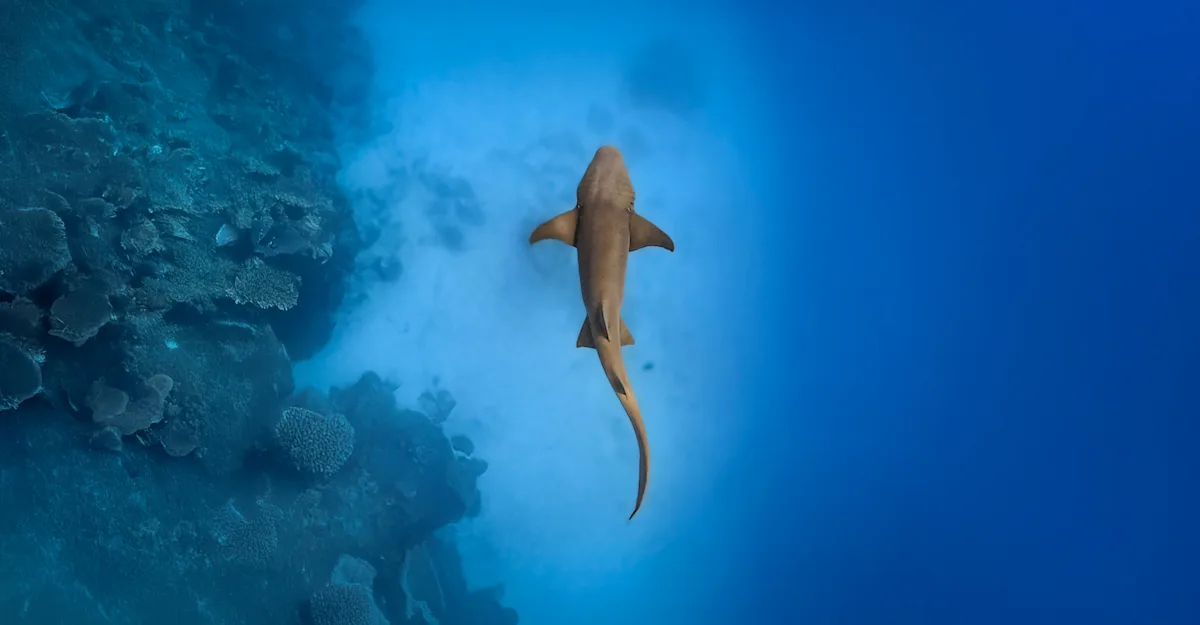
Research & Impact
Built over more than a decade, this research combines surveys, tagging and collaboration with local fishers to inform real-world fisheries management—first strengthening protections around Belize’s atolls and now focusing on coastal grounds where most shark fishing occurs.
What You'll Do in the Field
Click a photo to expand details
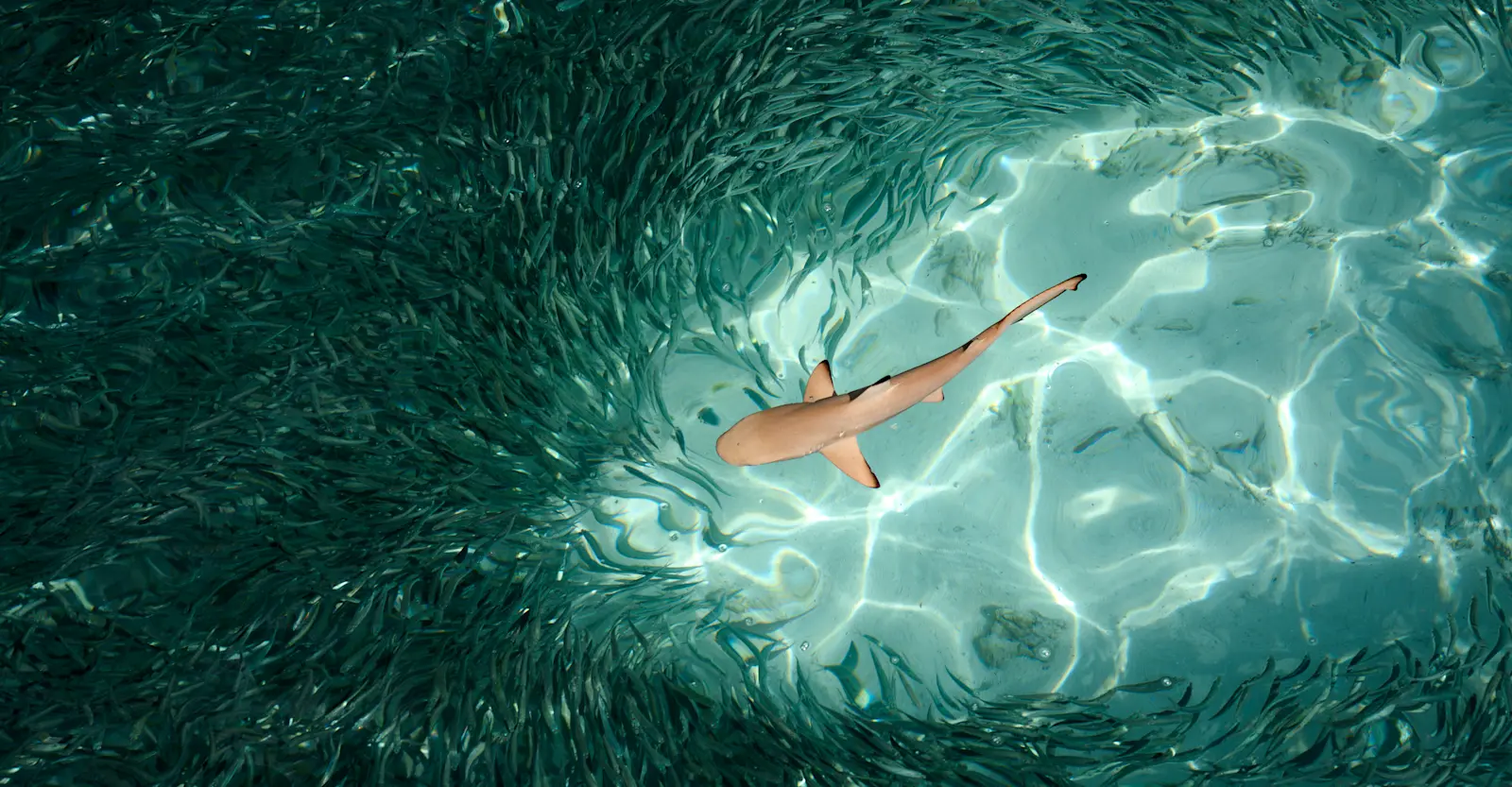
Observe Animal Behavior
Watch sharks in coastal waters as researchers track how they move, feed and use coastal habitats.
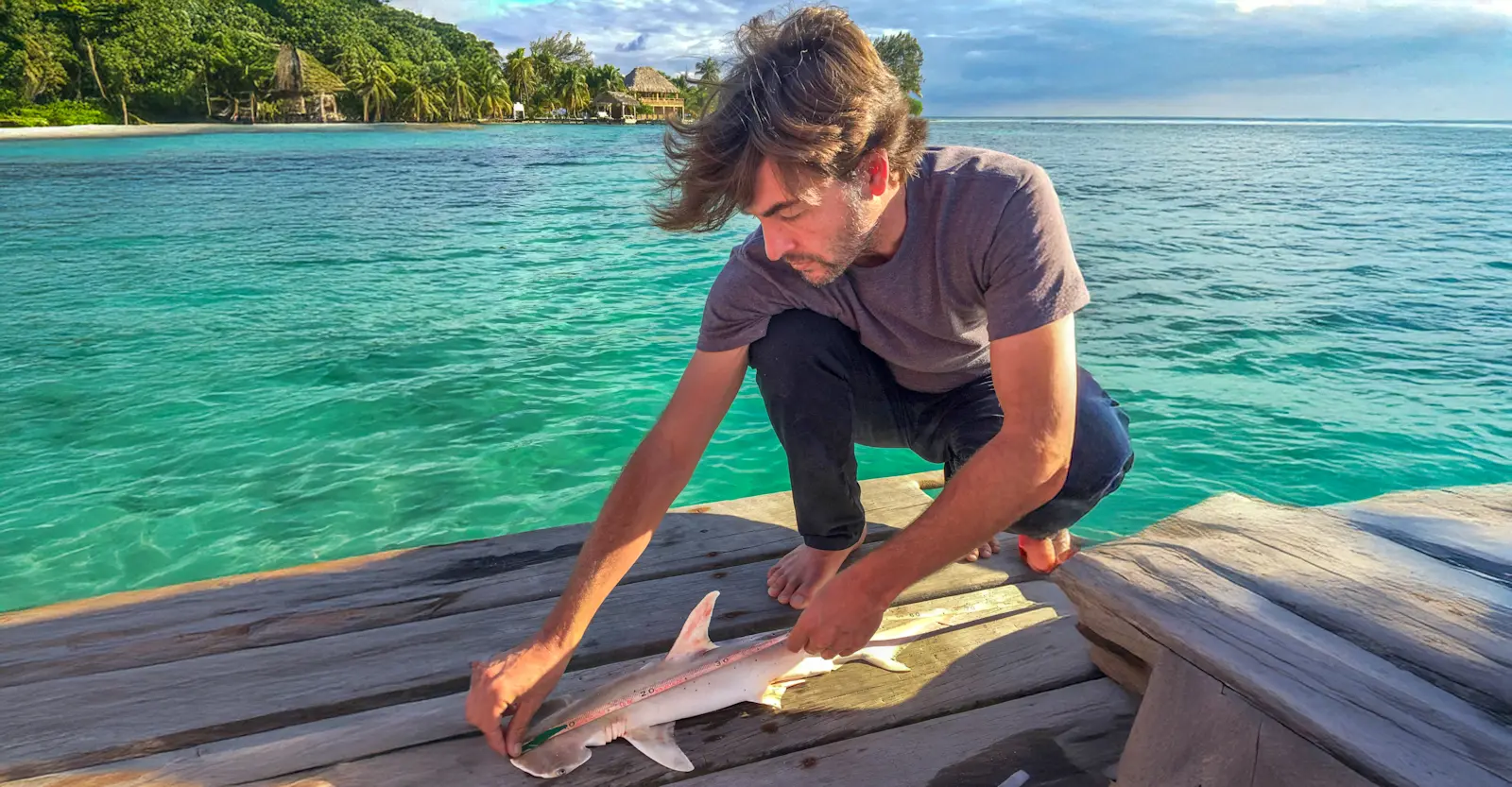
Tag & Measure Wildlife
Measure sharks, record key data and help tag individuals to track movement and habitat use across coastal waters.
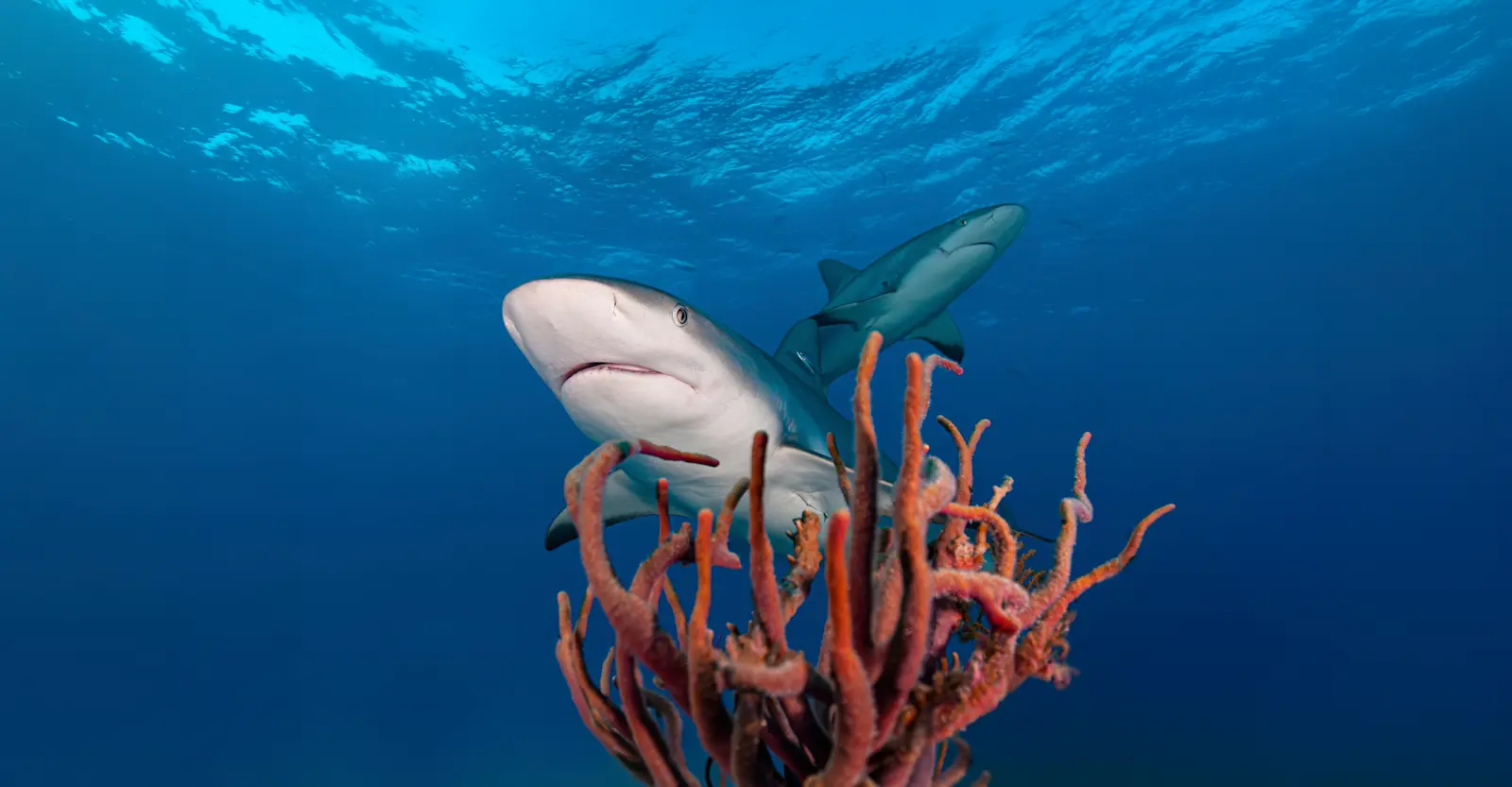
Assess Habitats & Ecosystems
Snorkel reef and nearshore habitats to observe how sharks use these environments and how fishing activity intersects with the ecosystems that support them.
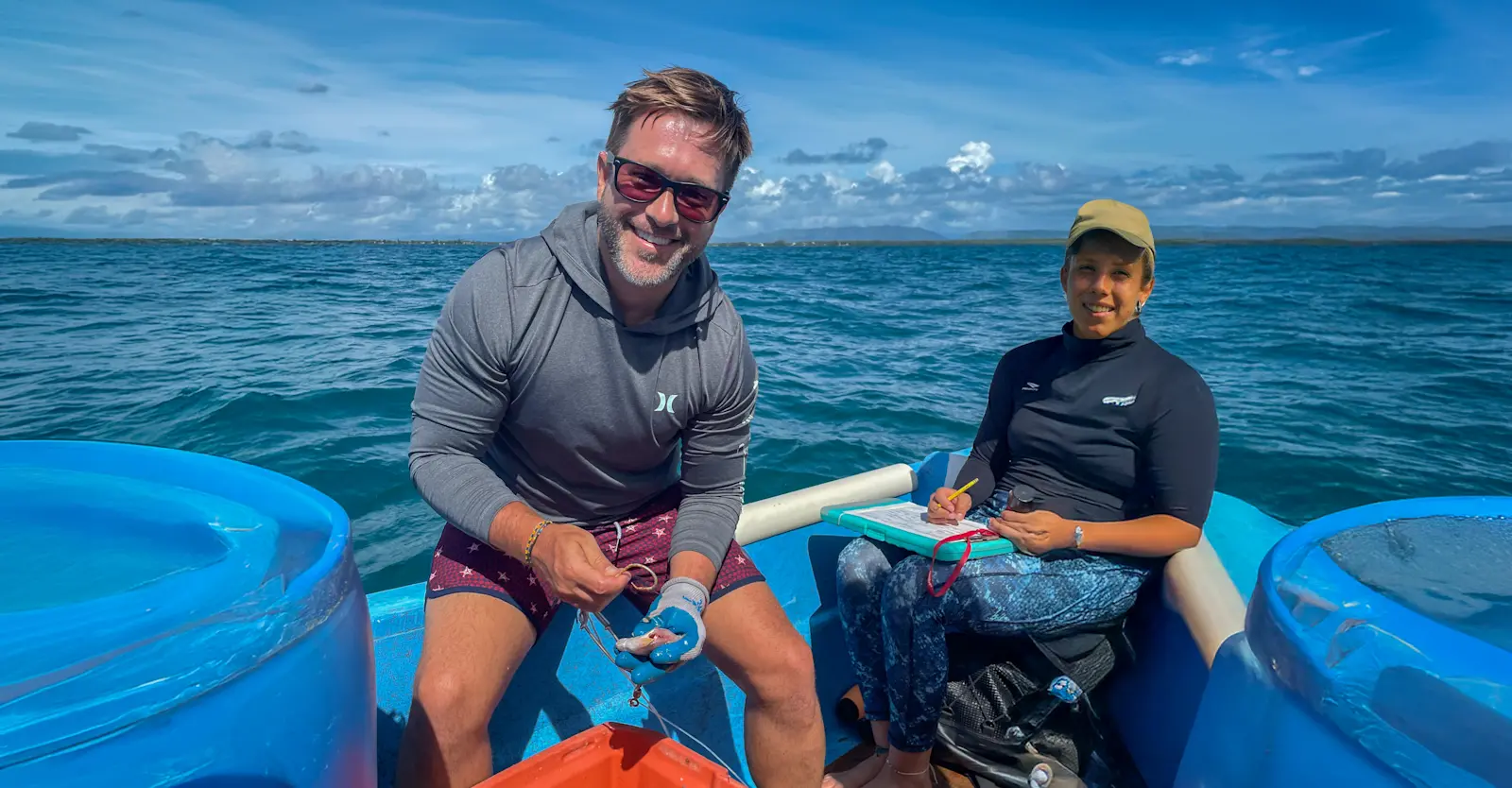
Restore Habitats & Run Field Experiments
Deploy longlines using the same setup each time, collecting data that shows how fishing pressure affects sharks and the habitats they rely on.
Meet Your Lead Scientist

Demian Chapman, Ph.D.
Dr. Demian Chapman has spent decades studying shark populations worldwide, with expertise in genetics, movement and the global fin trade. His work has helped shape conservation policy, from shark sanctuaries to international trade protections.
Read moreResearch Focus
Along Belize’s coast, sharks move between reef, mangrove and open water—the same habitats where fishing takes place. This project focuses on these fishing grounds, where pressure is highest and data are most limited. Researchers track how many sharks are present, how populations are changing and how different species use coastal habitats over time.
Standardized longline surveys provide a consistent way to measure numbers, while tagging and acoustic transmitters reveal how sharks move between coastal waters, the barrier reef and protected areas. This work produces data collected using the same methods each time, making it possible to detect real changes in shark populations—not just changes in fishing effort. The research is conducted in collaboration with local fishers, combining scientific methods with on-the-water knowledge to better understand both the fishery and the sharks within it. Your participation braids helps inform the work, creating a braided knowledge system that draws three strands together to strengthen the conservation impact of this work.
-
10+ Years of Shark Research in Belize
Track shark populations, movement and fishing pressure to inform management—so sharks and fisheries can thrive together.
Conservation Impact
Shark populations are declining across much of the world, especially where there isn’t enough data to effectively manage fishing. In Belize, our research is helping reverse that trend by turning what’s learned on the water into concrete protection to help conserve sharks, their habitat, and all the other marine species that indirectly benefit.
Nearly 50% fewer sharks caught and kept within the first year of working with local fishers (2019)
Better fishing practices shaped by consistent data collected in the same coastal waters where fishing happens
Signs of recovery in some protected areas, with shark numbers increasing after new rules were put in place
A growing record of how shark populations are changing over time
Clearer understanding of how sharks move between reef, coastal waters and protected areas
A model that reduces pressure on sharks while still supporting local livelihoods
Ongoing monitoring that continues to guide how these waters are fished and managed
This work continues year after year, with new data added to a long-term record that helps improve how sharks are protected across Belize’s coastal waters.
Your Role in the Research
Each day begins on land, preparing gear, organizing equipment and getting ready for time on the water. By late afternoon, head out on small boats to set longlines in coastal waters, baiting hooks and positioning lines in known fishing areas. After the lines have been in the water, return to check and haul them, bringing sharks alongside the boat to measure, tag and record key data before release. Record species, size and condition, and help document how sharks are using these waters. Some individuals are fitted with tags to track their movements over time. Back on shore, clean and reset gear, assist with data entry and prepare for the next outing. Each step contributes to a long-term record used to understand how shark populations are changing along Belize’s coast.
Life in the Field
Days are built around preparing gear on land and working on the water later in the day. Mornings start with rinsing and repairing lines, checking hooks and cutting bait, resetting everything after the previous night. By late afternoon, you head out by boat across shallow coastal waters, moving between seagrass flats and the reef edge. You bait hooks and set longlines in areas where sharks are known to pass. After the lines have been in the water, you return to check and haul them, working section by section in low light. Some evenings are busy, with multiple sharks brought alongside the boat. Others are slower, with long gaps between checks. Back on shore, you unload gear, rinse and reset everything for the next outing. Between field sessions, there is time to rest, review data or spend time in the fishing community before the next cycle begins.
Field Conditions
Fieldwork takes place on small boats in coastal waters and on land in a working fishing community. Conditions are often hot and humid, with full sun during the day and changing wind and waves on the water. Time on the boat can stretch for several hours. There’s a mix of activity—handling gear, hauling lines and working with sharks—and quieter stretches while lines are in the water. You’ll be moving around the boat, standing for long periods and working in shifting conditions. After dark, visibility drops and the work slows. Locating lines, handling sharks and recording data takes more time and attention. Weather and sea conditions shape each day. Plans may change, and flexibility is part of the experience.