Good Nature Travel Blog

  • Latin America

    The Loudest Bird on the Planet Lives in the Amazon

    Apr 13, 2026 · Candice Gaukel Andrews

    Some animals are known for being loud; for example, howler monkeys are said to be aptly named. When a number of them let loose their lungs in concert, the din can be heard up to three miles away. These New World monkeys—found in tropical Central and South America—often cry at dawn or dusk.

  • Nature & Wildlife

    Animal Creativity and International Haiku Poetry Day

    Apr 7, 2026 · Candice Gaukel Andrews

    This year, International Haiku Poetry Day is on April 17. Traditionally, haiku is a Japanese poetic form that takes the natural world and the seasons as its primary subject matter. It acts as a concise form of environmental literature, emphasizing direct observation, sensory details and an appreciation for the transient beauty of the natural world.

  • Nature & Wildlife

    Life Goes On in Earth’s Most Extreme Environments

    Mar 24, 2026 · Candice Gaukel Andrews

    “Life finds a way.” That’s a now-famous statement from Dr. Ian Malcolm, a fictional character played by actor Jeff Goldblum in the 1993 movie Jurassic Park.

  • Nature & Wildlife

    Nature’s Lights: Bioluminescence and Fluorescence

    Mar 17, 2026 · Candice Gaukel Andrews

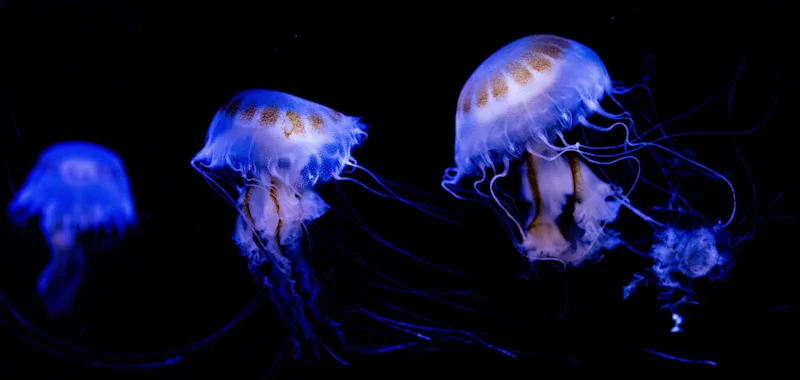
    Natural lights in nature come in two familiar forms: bioluminescence and fluorescence. They differ primarily by their light source: bioluminescence is a chemical reaction within an organism that creates its own light, while fluorescence is a physical process where an organism or object absorbs external light and reemits it.

  • Galapagos Islands

    Galapagos: Fit Birds and Darwin’s Fine Books

    Mar 12, 2026 · Candice Gaukel Andrews

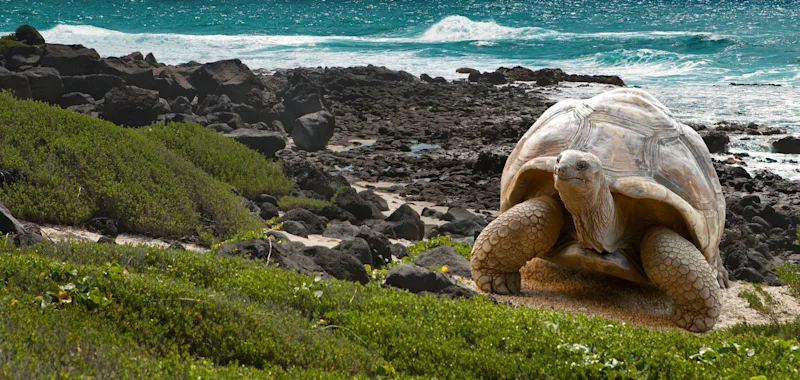
    If you’re a lover of books (or a bibliophile) like me, you’ll appreciate Charles Darwin, the biologist famous for his Theory of Evolution that was formulated while visiting the Galapagos Islands. Arguably the most influential man of science in history, Darwin accumulated a vast personal library throughout his working life.

  • Nature & Wildlife

    The Balance and Bond of Predators and Prey

    Feb 24, 2026 · Candice Gaukel Andrews

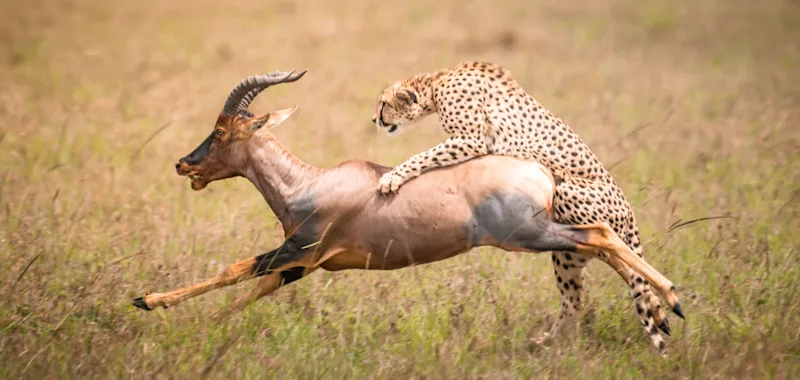
    The predator/prey relationship is an age-old association. Despite that longevity, it can still mystify us. For example, on a remote Alaskan island, gray wolves are rewriting the rule book by hunting sea otters—a behavior few scientists ever expected to see.

  • Nature & Wildlife

    The Ears of Animals

    Feb 17, 2026 · Candice Gaukel Andrews

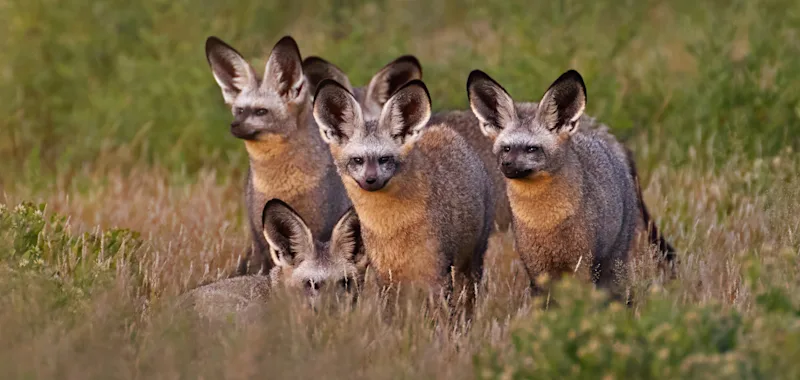
    Because it’s so automatic, hearing is a sense that is often taken for granted. However, it’s a crucial sensory system for humans and other animals, acting as a primary tool for survival by detecting threats, locating food and enabling communication, often functioning even in darkness or over long distances.

  • Nature & Wildlife

    Valentine’s Day: Loving Animals

    Feb 10, 2026 · Candice Gaukel Andrews

    Every February 14th, we celebrate Valentine’s Day, a time that has become synonymous with emotional connections and loving relationships. It’s often marked by romantic gestures, such as giving chocolates or flowers, writing a love letter, preparing a candlelight dinner, holding hands—or kissing.

  • Nature & Wildlife

    Minuscule Mosses and Their Truly Tall Talents

    Jan 27, 2026 · Candice Gaukel Andrews

    Small plants like mosses rarely draw our attention. Many moss species grow close to the ground in damp, shaded environments and are no wider than an eyelash. Despite their modest appearance, however, these plants have some formidable capabilities.

  • Nature & Wildlife

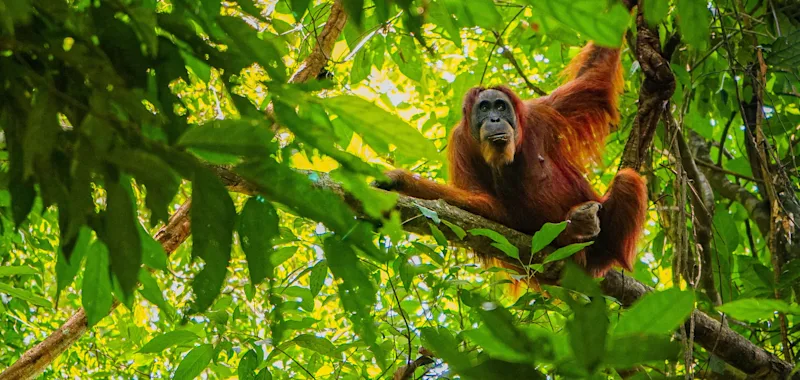
    Orangutans Show Us a Better Way of Eating

    Jan 20, 2026 · Candice Gaukel Andrews

    How are you progressing on your New Year’s resolutions? If you’re like most people, you gave up on them surprisingly fast, with the second Friday in January often called “Quitter’s Day,” because many abandon goals by then. By the second week of February, an estimated 80% of people have scrapped their ambitions.

  • Conservation

    Vanishing Things

    Jan 13, 2026 · Candice Gaukel Andrews

    Things are vanishing. Here’s an example: humanity has already pushed 60% of Earth’s land outside its safe biosphere zone, with 38% in a high-risk state. Centuries of data confirm how human demands on biomass—from energy production to farming—have destabilized ecosystems worldwide. Asia, Europe and North America show the deepest disruptions, reflecting centuries of land-use change.

  • Nature & Wildlife

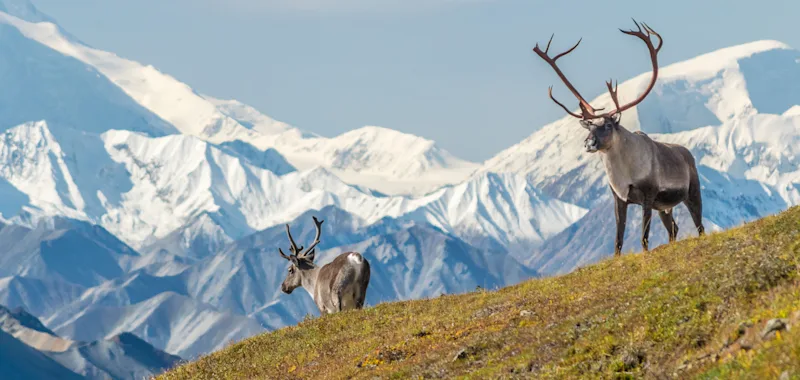
    Incredible But Imperiled Bird and Caribou Migrations

    Dec 16, 2025 · Candice Gaukel Andrews

    Migration is a wonderful word. It doesn’t merely mean a physical relocation but is an expression of strength, resilience, the universal desire for well-being and a movement toward hope. I have always thought of migrations as nature in motion.