Good Nature Travel Blog

  • Nature & Wildlife

    Plant Superpowers and Fungi Flexibilities

    Dec 9, 2025 · Candice Gaukel Andrews

    All organisms on Earth are traditionally placed into six kingdoms of life: Animalia (animals), Archaebacteria (bacteria often found in extreme environments, such as hot springs and hydrothermal vents), Eubacteria (true bacteria), Fungi (molds, mushrooms and yeasts), Protista (algae and amoebas) and Plantae (plants).
  • Nature & Wildlife

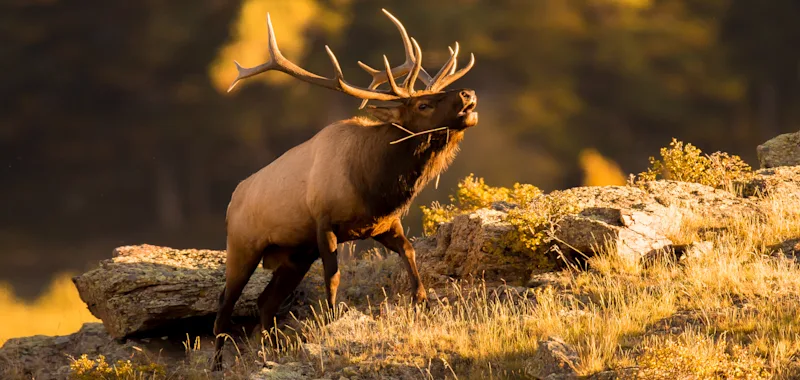
    Lives of Yellowstone: From Large to Small; Ancient to New

    Dec 5, 2025 · Candice Gaukel Andrews

    Large herbivores—such as bison and elk—have continuously lived in the Yellowstone National Park region for at least 2,300 years, according to a new analysis of chemicals preserved in lake sediments. How have they made their livings and survived for so long?

  • Nature & Wildlife

    Biodiversity Comes in Bursts and Goes with Glaciers

    Dec 2, 2025 · Candice Gaukel Andrews

    From birds to flowers, the majority of the Earth’s species stem from a few evolutionary “explosions,” where new habitats or traits sparked rapid diversification. These bursts, in fact, explain most of the planet’s biodiversity. Some of those new habitats were ignited by glaciers.

  • Nature & Wildlife

    Nature’s Chefs, Dinosaur Drumsticks and Turkey Trots

    Nov 18, 2025 · Candice Gaukel Andrews

    At the end of the year, many of our holiday celebrations revolve around food, such as a Thanksgiving feast or a Christmas dinner. This food-intensive season reminds me of a new concept in nature studies: “nature’s chefs.” In essence, nature’s chefs are organisms that provide food—or the illusion of food—to other organisms.

  • Nature & Wildlife

    Biodiversity and Building Better Cities

    Nov 4, 2025 · Candice Gaukel Andrews

    I like to think of biodiversity as a symphony orchestra, where each note, each instrument—every single part—is needed to make the whole. In the concert called “biodiversity,” then, every species, from microscopic life to towering trees and vast oceans, plays a vital role.

  • Nature & Wildlife

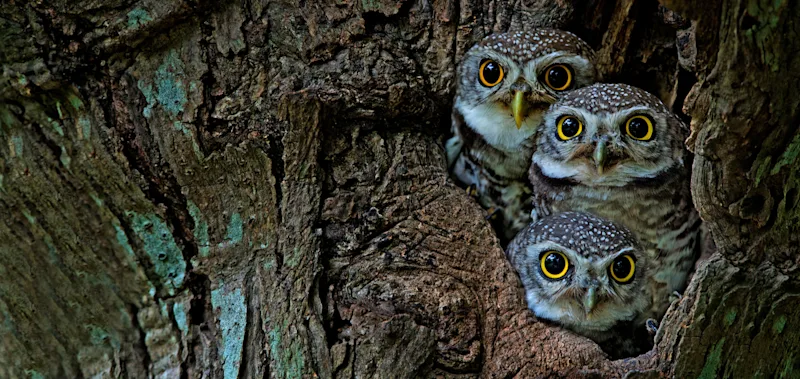
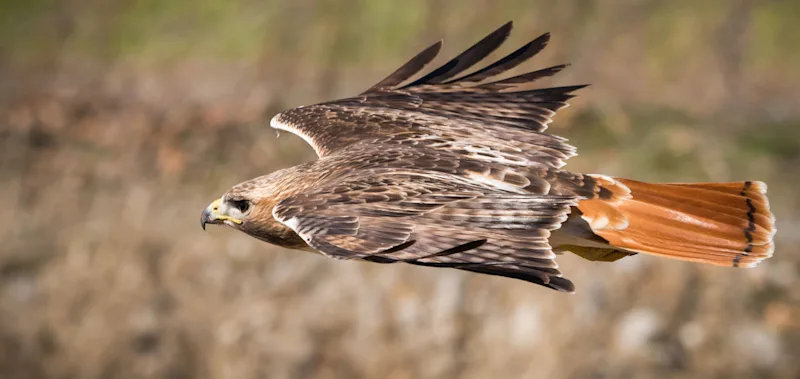
    The Benefits of Being a “Birdbrain”

    Sep 30, 2025 · Candice Gaukel Andrews

    The word birdbrain became a common slang term for a stupid person in the early 20th century. And while it’s still sometimes used as an insult, it’s a misnomer. In fact, the brains of birds are so large (relative to their body size) that scientists say they are practically braincases with beaks.

  • Conservation

    Saving Species from Extinction

    Sep 23, 2025 · Candice Gaukel Andrews

    Around the world, the variety of living things—defined as biodiversity—is declining, as increasing numbers of species face the risk of extinction.

  • Nature & Wildlife

    Celebrating Sea Otters

    Sep 16, 2025 · Candice Gaukel Andrews

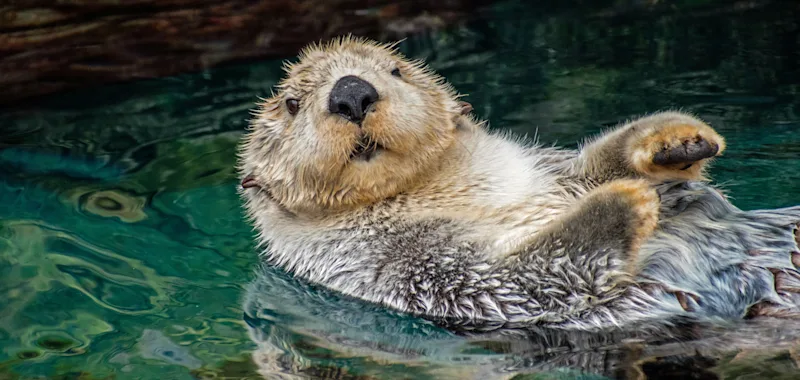
    Sea otters can be a powerful ally in confronting climate change, according to the Monterey Bay Aquarium in California. In places where they’re thriving, they can maintain and restore kelp forests and coastal wetlands, strengthening our natural defenses against the worst impacts of a warming world.

  • Conservation

    Conservation Twists

    Sep 9, 2025 · Candice Gaukel Andrews

    Conservation is a complex and multifaceted undertaking, requiring the concerted efforts of communities, governments, individuals and organizations to safeguard and manage ecosystems, natural resources and wildlife.

  • Conservation

    The Galapagos Islands: A Symphony of Biodiversity

    Aug 20, 2025 · WWF

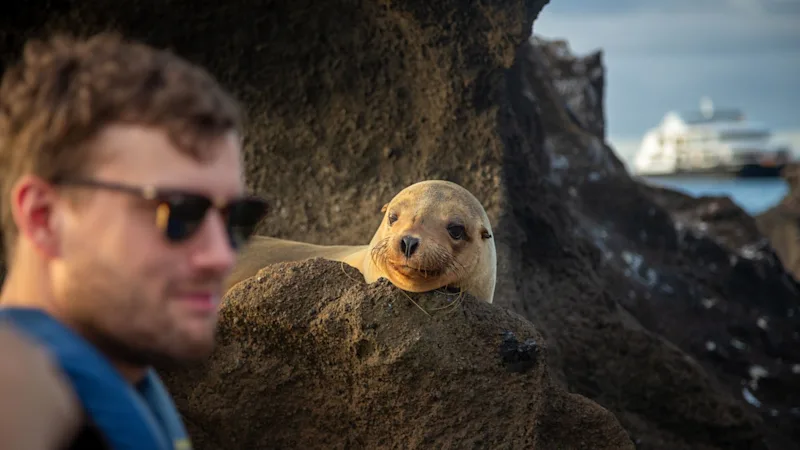
    By Abel Valdivia, WWF Lead Marine Conservation Scientist The Galapagos Islands, a remote tropical paradise nested in the heart of the Eastern Pacific Ocean, have long been a beacon of ecological marvels, an evolutionary laboratory and ground for scientific discovery.

  • Nature & Wildlife

    Our Impacts on the Natural World

    Aug 19, 2025 · Candice Gaukel Andrews

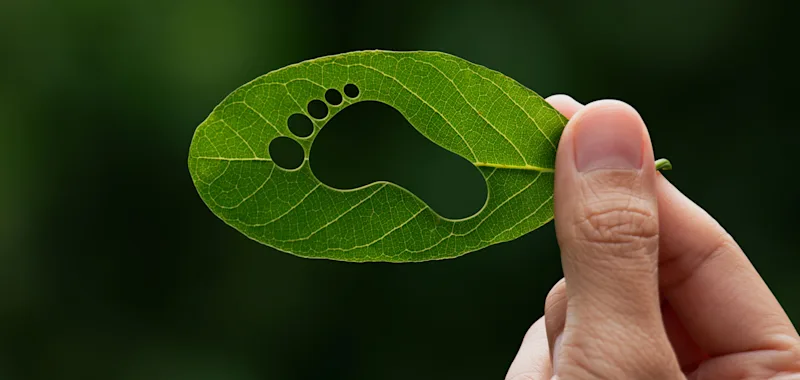
    Our impacts on the natural world can be very large—and often detrimental. This manifests in various ways, including in biodiversity loss, climate change, habitat destruction and pollution. These changes can have cascading effects on ecosystems and human societies, leading to a range of challenges.

  • Antarctica & Arctic

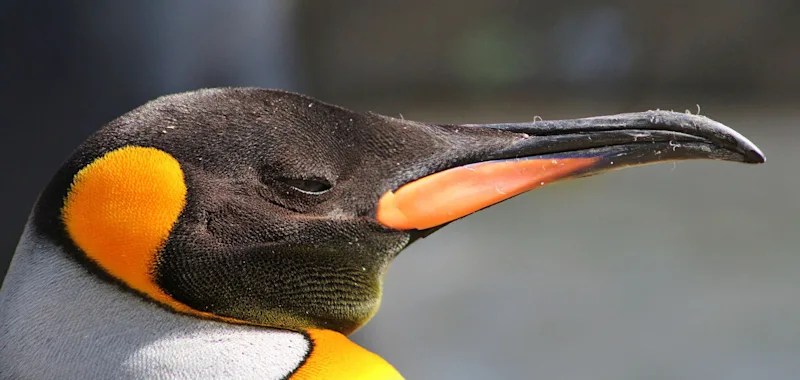
    Penguins and Their Original Homelands

    Aug 13, 2025 · Candice Gaukel Andrews

    Part of the reason that I’m so enthralled with Antarctica is because it’s one of the rare places on Earth that has never had an Indigenous population; in other words, there are no native human Antarcticans. Of course, animals other than us have lived there for eons. Perhaps, the best known and most abundant are penguins.