Southwest Research Station
Location
Portal, Arizona
Set within the pine-studded walls of Cave Creek Canyon, amid the rugged peaks of the Chiricahua Mountains, this acclaimed research station offers exclusive access to one of North America's most rewarding birding destinations. The biological field station is run by the American Museum of Natural History in New York, providing scientists, educators and students from around the world the opportunity to work, study and reside in one of the most biologically rich environments in the United States. Located at 5,400 feet above sea level, the station lies in the heart of the Madrean Sky Island Archipelago stretching from the tropical Sierra Madre Occidental all the way to the Rocky Mountains, at the nexus of several contrasting ecosystems.
Its location within a sky island—where a mountain range rises in isolation from the desert "sea" below—is significant, an environment that draws an extraordinary diversity of avian species, including elegant trogons, numerous hummingbirds and seasonal migrants from Central and South America—in addition to the forest owls studied during our fieldwork. Long a center for scientific discovery, the station hosts professional researchers studying everything from birds and reptiles to insects and plant life while welcoming amateur naturalists eager to experience the region's biodiversity firsthand. A hummingbird viewing area and network of nearby trails place wildlife encounters within easy reach.
Accommodations are simple and comfortable, allowing attention to stay focused on the natural world around us. Standard rooms have private bathrooms, sitting areas, microwaves and compact refrigerators. Throughout the property, the absence of televisions encourages guests to spend their time outdoors or exchanging sightings with fellow birders and researchers. Meals are served communally in the dining hall, with vegetarian and other dietary preferences accommodated when arranged in advance. Guests can dine indoors or at outdoor picnic tables, request packed lunches for field excursions and connect with scientists, birders and naturalists from around the world. Sustainability is woven into the station's mission through active scientific research, long-term ecological studies, environmental education and stewardship of the surrounding mountain ecosystem.
Photo gallery
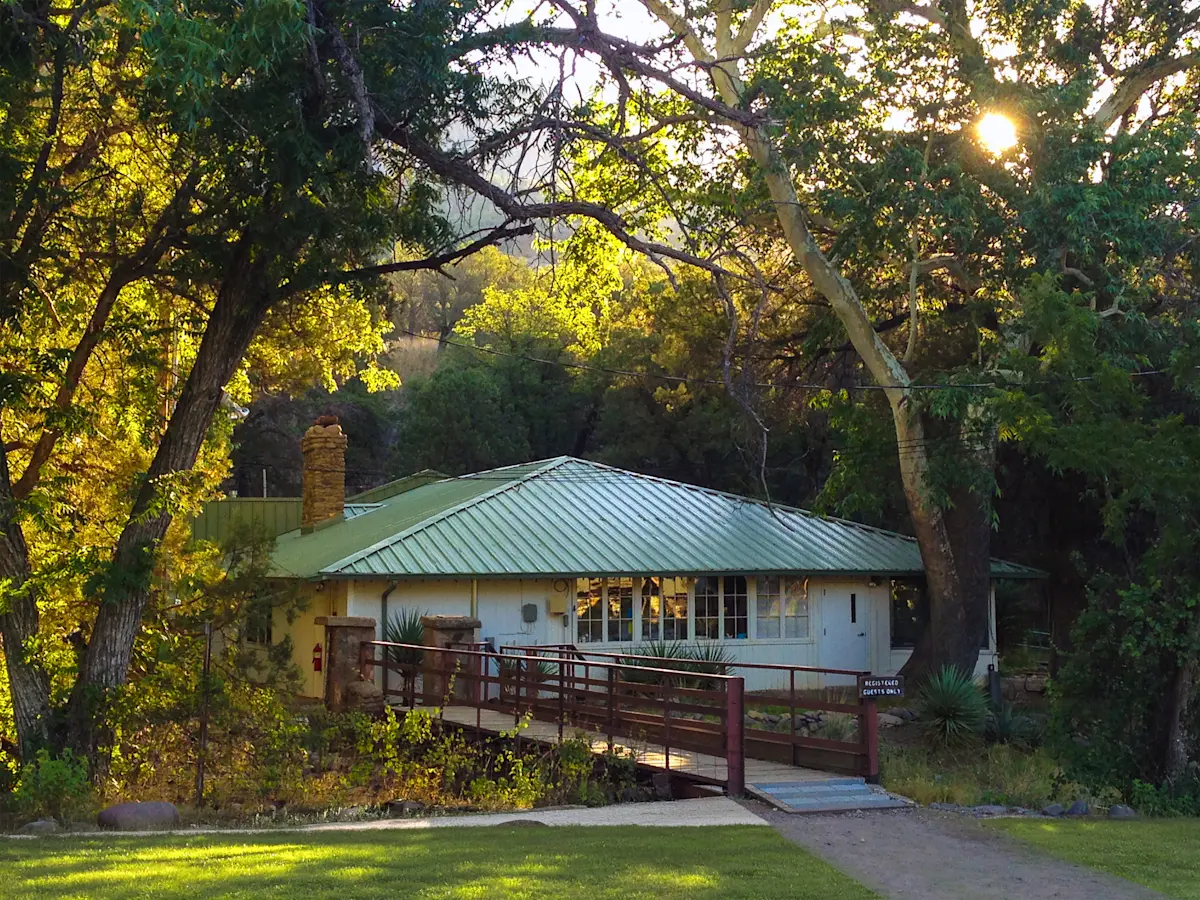
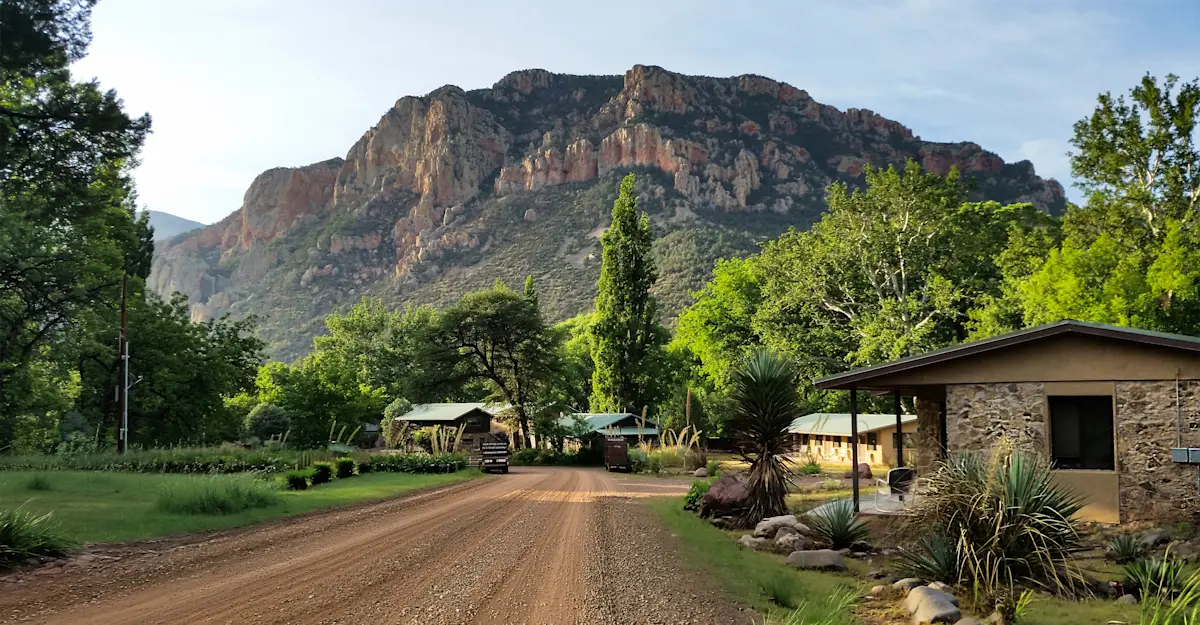
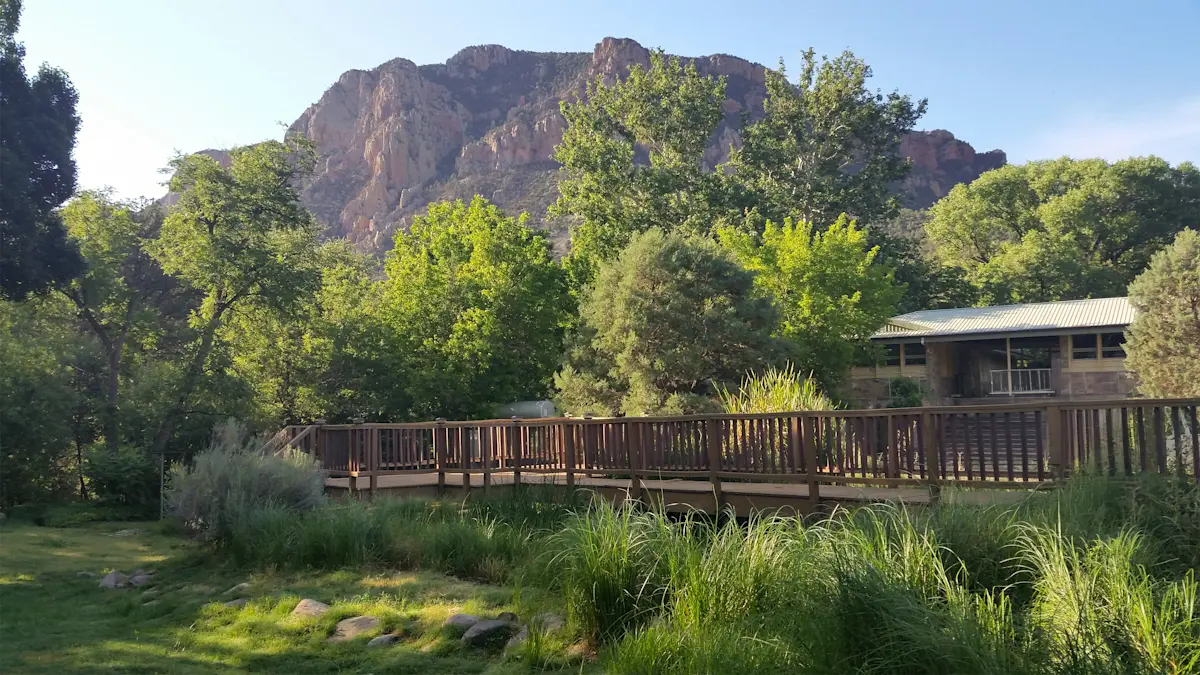
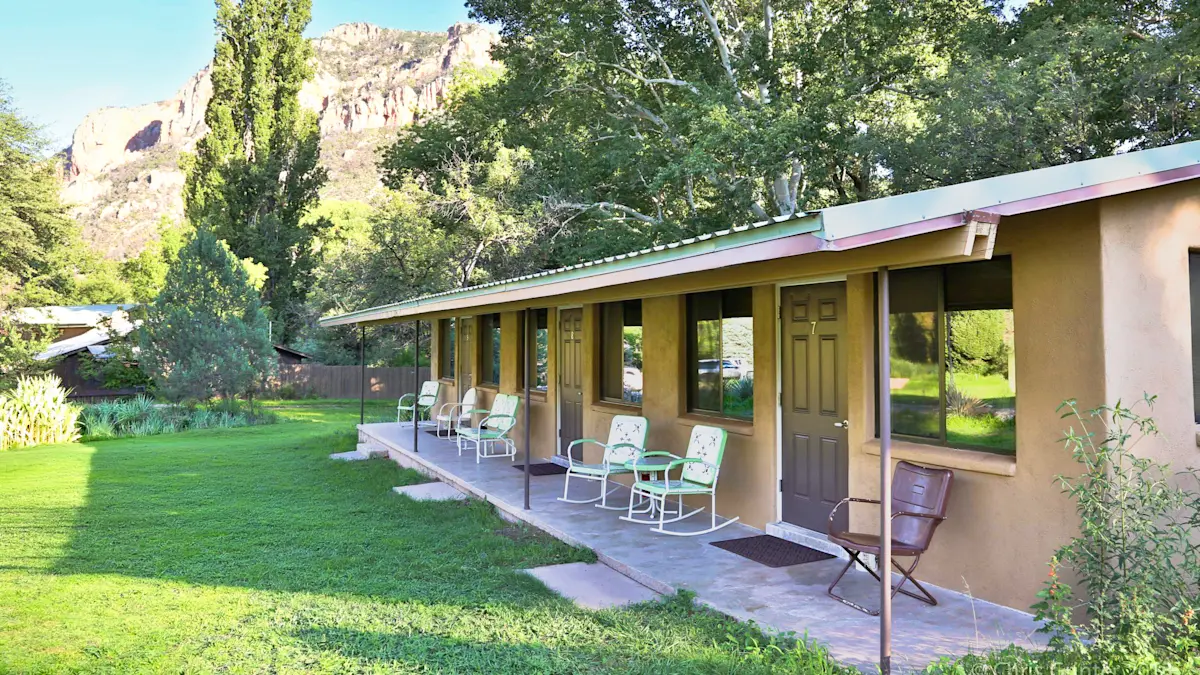

Photo 1 of 5