
Know Before You Go
Whether you're preparing for your upcoming adventure to Brazil's Pantanal or just want to learn more about the world's largest wetland, we've got you covered. We've rounded up an array of useful resources, from wildlife guides and packing tips to compelling first-hand accounts written by Nat Hab travelers and staff.
Travel Tips
Why Should I Go to Brazil’s Pantanal?
Discover Brazil’s Pantanal, Earth’s largest tropical wetland, for prime wildlife and jaguar viewing plus giant otters, macaws and more on a Nat Hab safari.
Where Should I Go on a Brazil Tour?
Brazil’s Pantanal is immense and wild; explore northern and southern regions for wildlife, varied rivers and ranchlands, and an in-depth understanding of South America’s largest tropical wetland.
What Wildlife Will I See on a Brazil Tour?
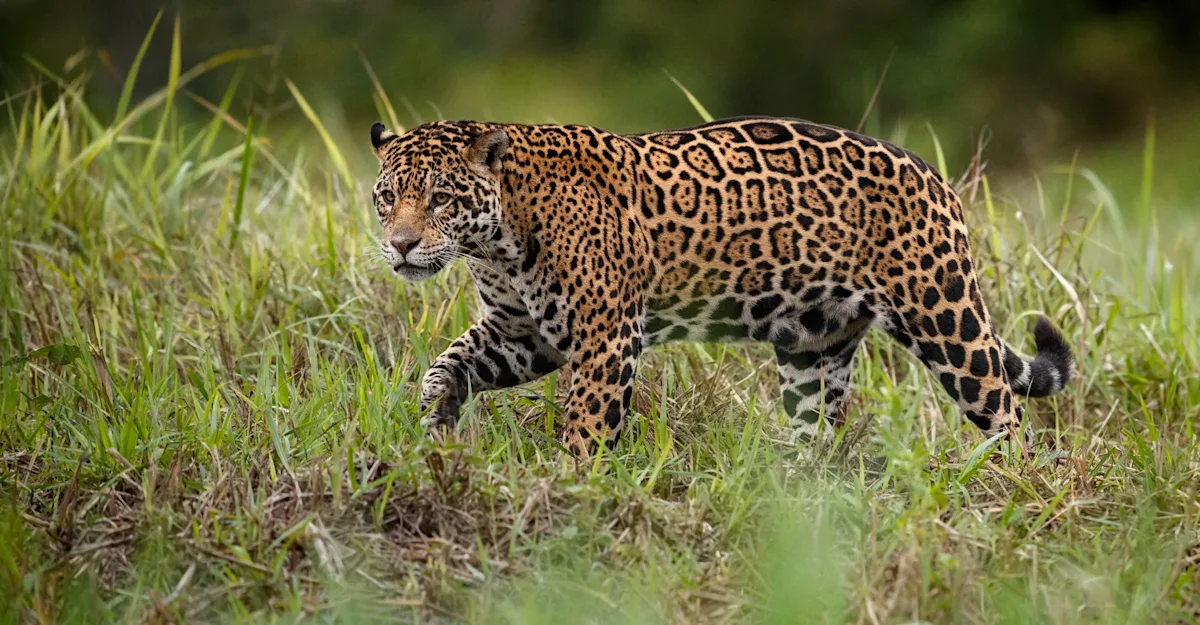
Brazil’s Pantanal supports South America’s densest wildlife populations, from jaguars and giant anteaters to macaws, caimans, giant otters and more.
When Should I Go to Brazil?
The Pantanal follows a strong seasonal cycle; April–November offers lower water, easier travel and concentrated wildlife, while December–April is lush, flooded and alive with dramatic scenery and birdlife.
Weather & Climate
Find out what the typical weather conditions are like in Brazil with this month-by-month breakdown of average temperatures and rainfall.
Where Will I Stay on a Brazil Tour?
Pantanal accommodations favor location over luxury, with riverfront lodges and ranch ecolodges set inside private reserves, offering intimate wildlife access and direct support for conservation.
Packing List
We’ve made a comprehensive list of all the clothing and gear you’ll want to pack so you'll be well prepared for your Brazil adventure.
Brazil's Pantanal Trivia
Take our quiz to put your knowledge to the test, then share it with friends to see who knows the most about the wildlife of Brazil.
Travel Stories & Articles
New Film Zapa & the Jaguar
—By Nat Hab
Watch this short film to find out why this Expedition Leader is passionate about protecting threatened jaguars in the world’s largest seasonal floodplain!
How to Spot Jaguars in the Wild
—By Megan Brief
My best advice for capturing more than a glimpse…Learn their behavior!
Jaguars on the Road to Recovery in Latin America
—By Kimberley Brown, WWF
“When you save the jaguar, you save much more...You save the water you drink, you save the air you breathe, and you save a stable climate.”
Parallels of the Pantanal and the Northern Great Plains
—By Aaron Clausen, Senior Program Officer for the Sustainable Ranching Initiative in the Northern Great Plains, WWF
As a biologist working with ranch communities on landscape conservation in the NGP, I found myself visiting the Pantanal in June 2022 with Natural Habitat Adventures and was able to witness how landscape conservation is pursued in the Pantanal. I found the similarities in our two settings to be nearly as striking as the differences.
International Jaguar Day—Just in Time?
—By Ruksana Hussain
According to World Wildlife Fund, there are only about 170,000 or so of these big cats left in the wild.
Traveler Story: Tracking Jaguars in the Pantanal
—By Nat Hab traveler, Sheri Dollin
The most memorable moment was experiencing the elusive jaguar. I was overjoyed to be able to witness their daily lives without impacting them by our presence.
Brazil’s Cerrado Biome and the Story of the Maned Wolf
—By Cathy Brown
The star of the Cerrado, even more than the jaguar, giant anteater, giant armadillo and marsh deer, is the maned wolf.
Found: Fishing Jaguars in Brazil’s Phenomenal Pantanal
—By Candice Gaukel Andrews
Continuing to gather knowledge about how these big cats live and how adept they are at adapting to changes in the world’s largest freshwater wetland—could be paramount in helping to protect them into the future.
Traveler Story: The Pantanal's Wonders in Photos
—By Gary and Myrna Paige
Nat Hab travelers Gary and Myrna Paige recently journeyed with us to experience Jaguars & Wildlife of Brazil's Pantanal and shared these stunning photos of their adventure...
Incredible Wildlife Sightings in Brazil's Pantanal
—By Emily Goodheart
The Pantanal is the world's largest freshwater wetland, extending across more than 75,000 square miles in the heart of South America. Nat Hab travelers explore this species-rich region by boat and on foot, encountering a host of animals, from giant river...
5 Strange Species to See in the Pantanal
—By Maddi Higgins
The capybara is the world’s largest rodent; its closest relative is the guinea pig. Adult capybaras grow from 3.5 to 4.5 feet in length and typically weigh 77 to 146 pounds. The largest capybara ever recorded was a 201-pound wild female from Brazil...
10 Watery Wetland Facts about the Pantanal
—By Maddi Higgins
The sheer abundance of large birds, reptiles and mammals mark the Pantanal's importance as a huge reservoir of biodiversity. Here are 11 facts about these wondrous wetlands. The Pantanal covers an area of 66,100 square miles...
Why the Pantanal?
—By Holly Glessner
Pantanal comes from the Portuguese word pantano, which means wetland, swamp or bog. This conservation area was named a UNESCO World Heritage Site in 2000 due to its unique and rich biodiversity of plant and animal life...
Golden Lion Tamarin Monkeys in Brazil
—By Mandy Scott
The golden lion tamarin monkey can be found only in the Atlantic rainforest in the Brazilian state of Rio. In order to see these wild primates in their natural habitat, my group left the city of Rio de Janeiro early in the morning...


