
Know Before You Go: Brazil Tours
What Wildlife Will I See in Brazil’s Pantanal?
Brazil’s Pantanal is home to one of the densest concentrations of wildlife in South America. This vast tropical wetland shelters big cats, large mammals, river predators and thousands of bird species in a landscape of open marsh, forested “islands” and winding rivers. For many travelers, the promise of seeing jaguars, giant anteaters and hyacinth macaws in one region is what sets a Brazil Pantanal safari apart.
While no operator can guarantee specific sightings, the combination of habitat, water and protection means wildlife encounters are frequent and often prolonged. You are not just checking species off a list—you are watching animals behave naturally in one of Brazil’s richest ecosystems.
How well do you really know the Pantanal—its jaguars, giant otters and flooded plains? Take our Brazil’s Pantanal Trivia Quiz and put your wild knowledge to the test!
Photo gallery
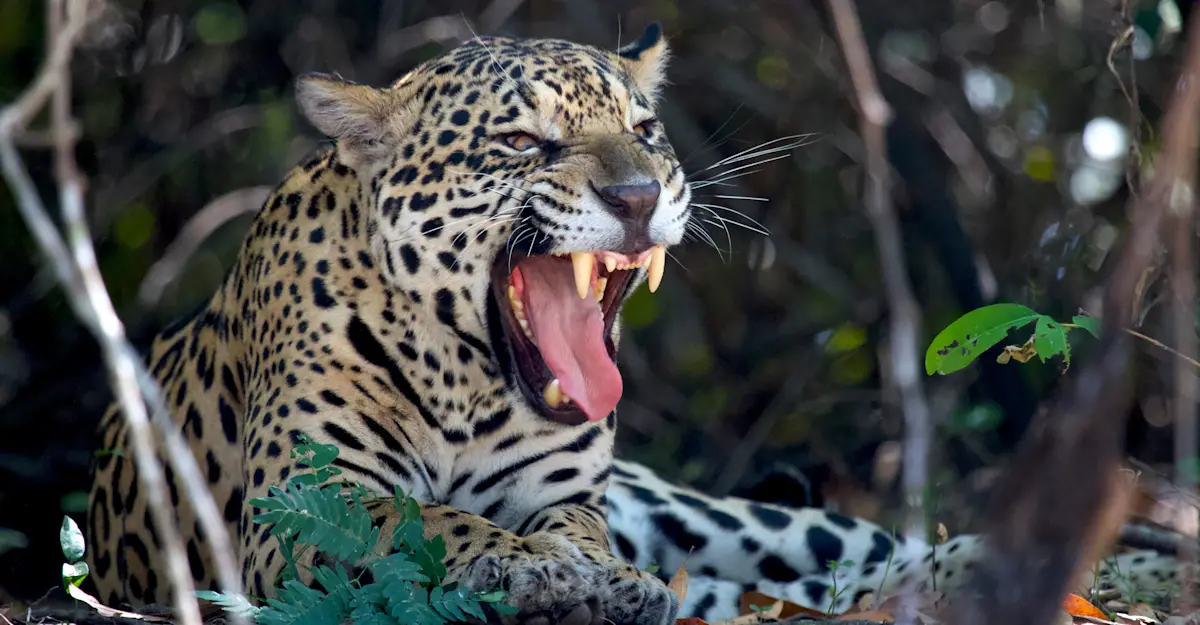
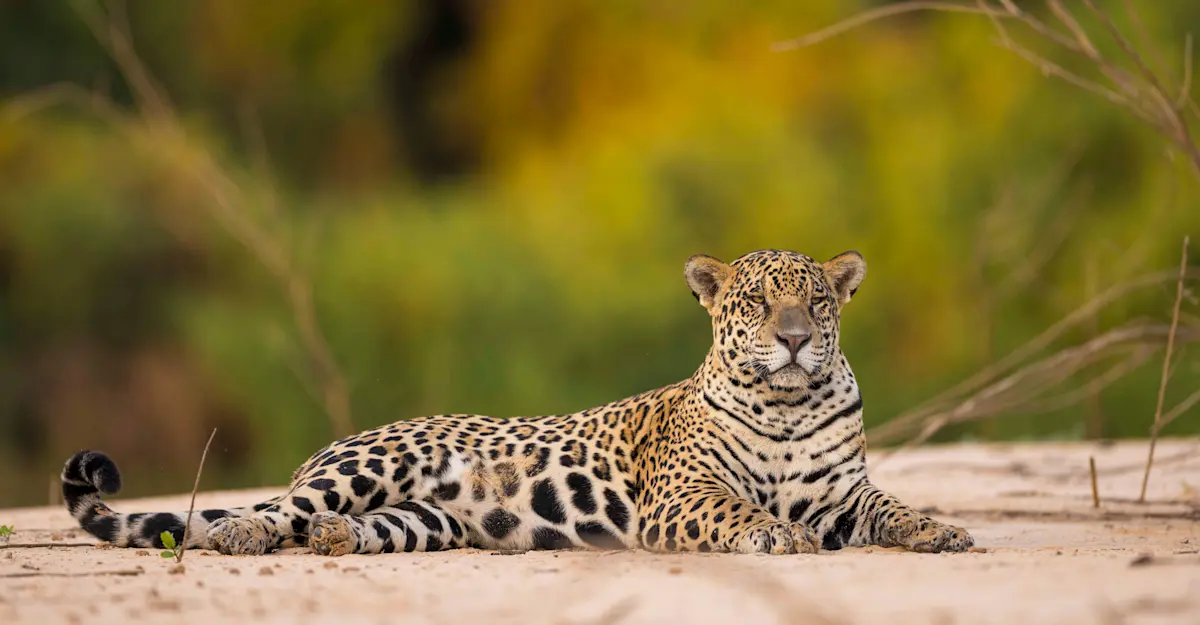
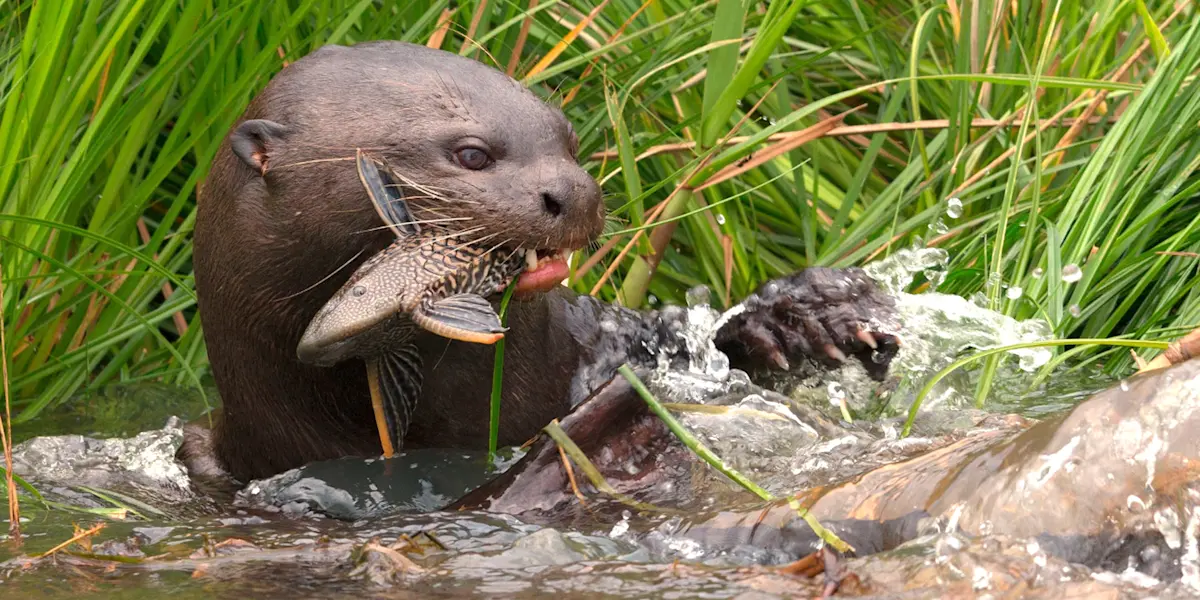
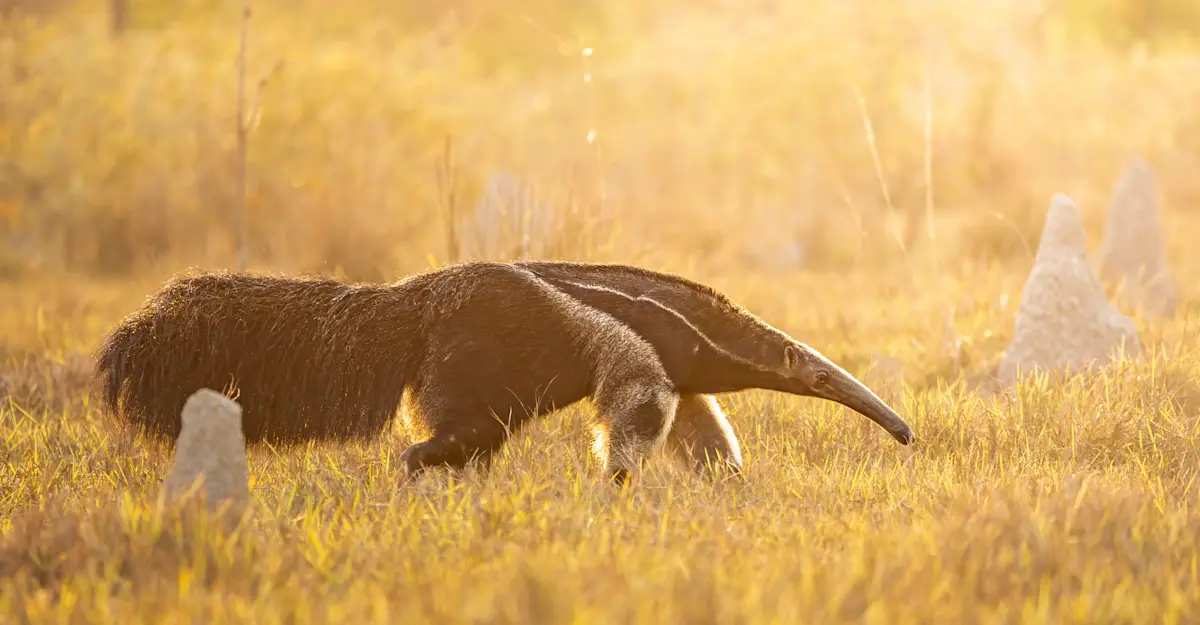
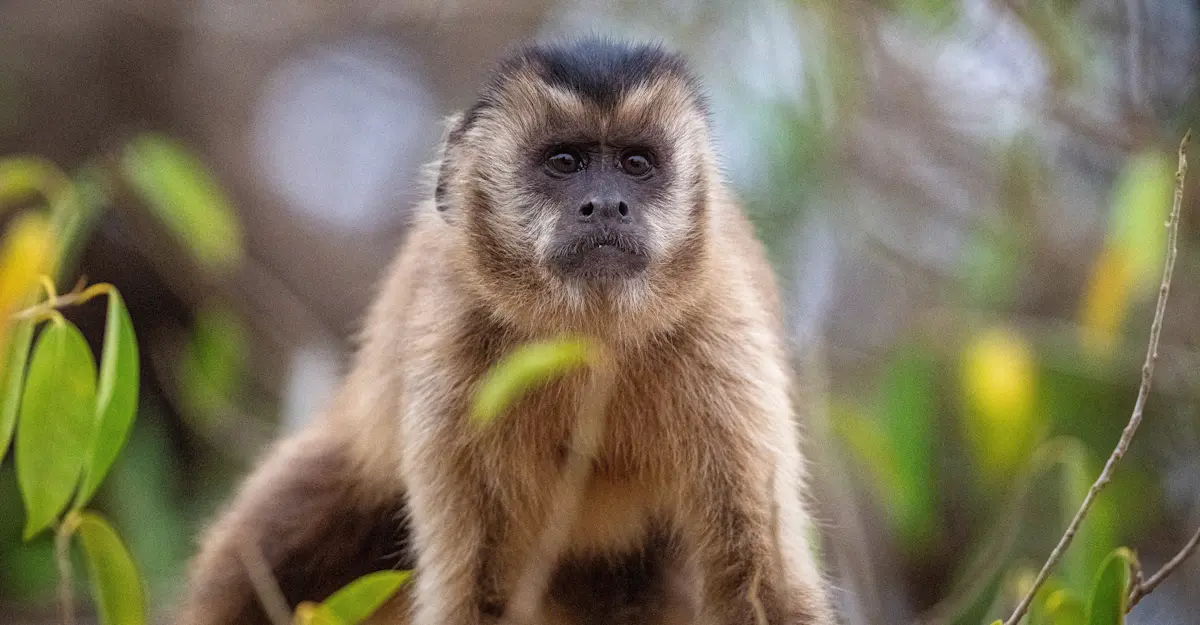
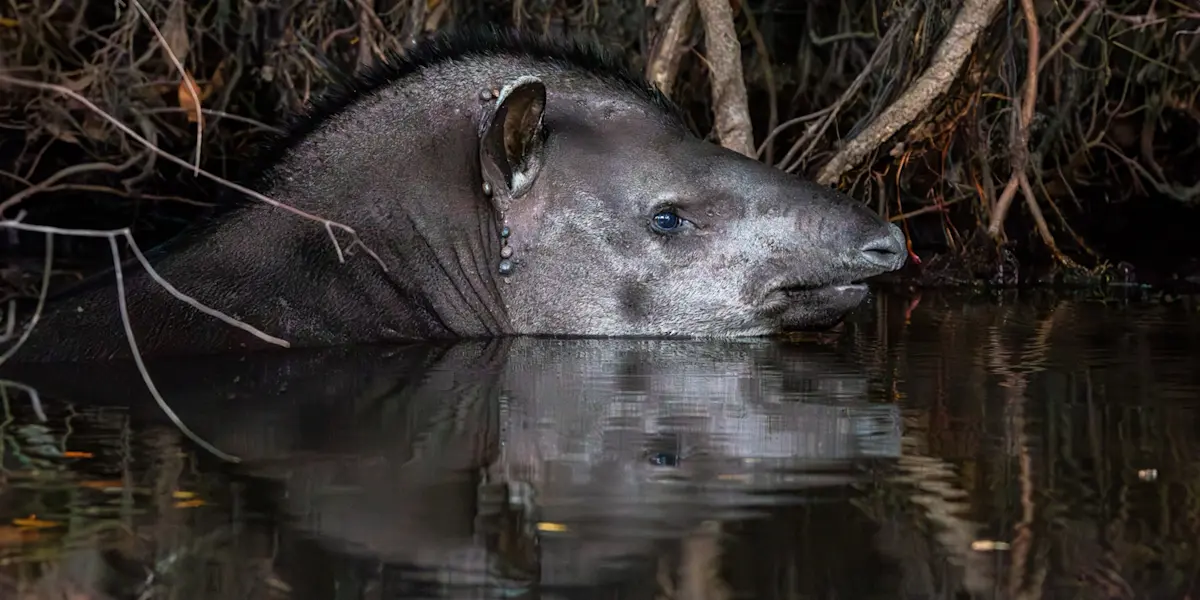
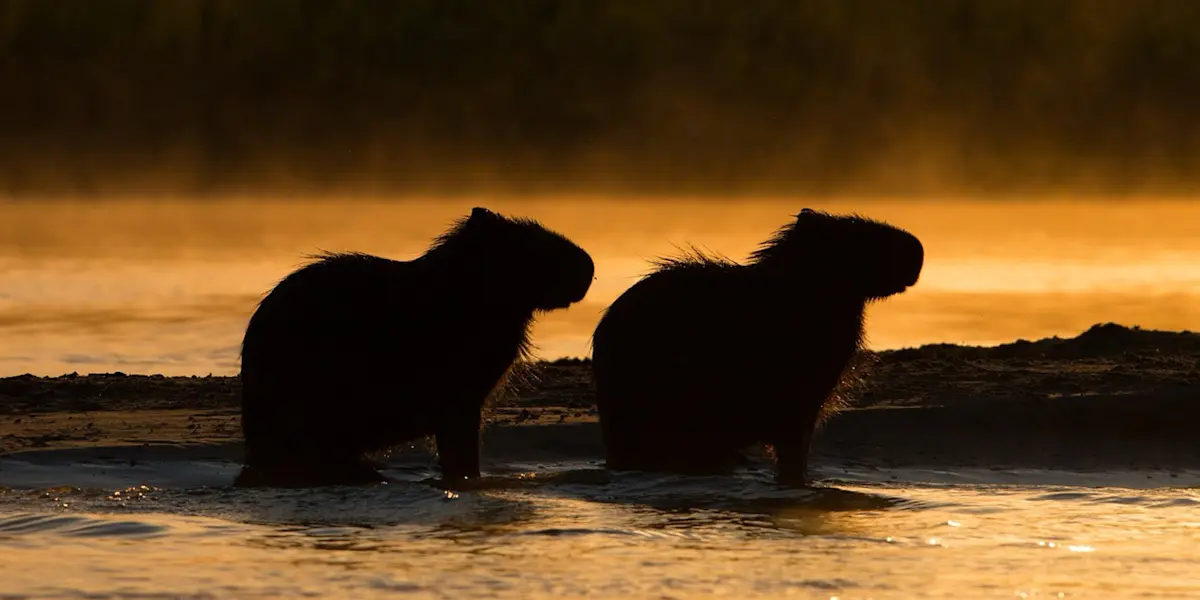
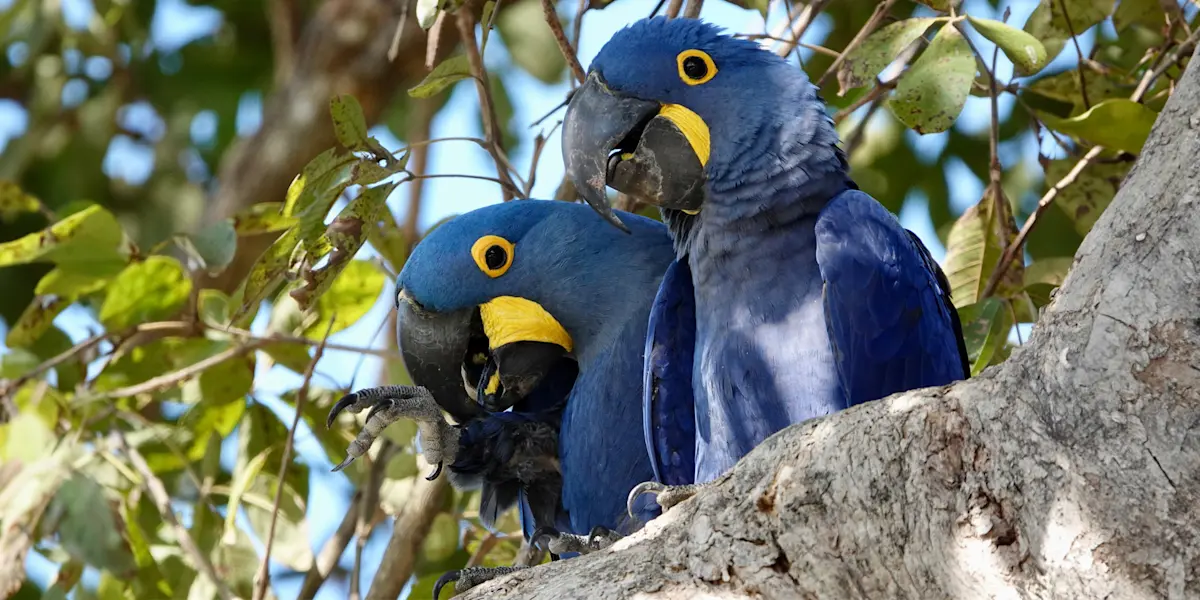
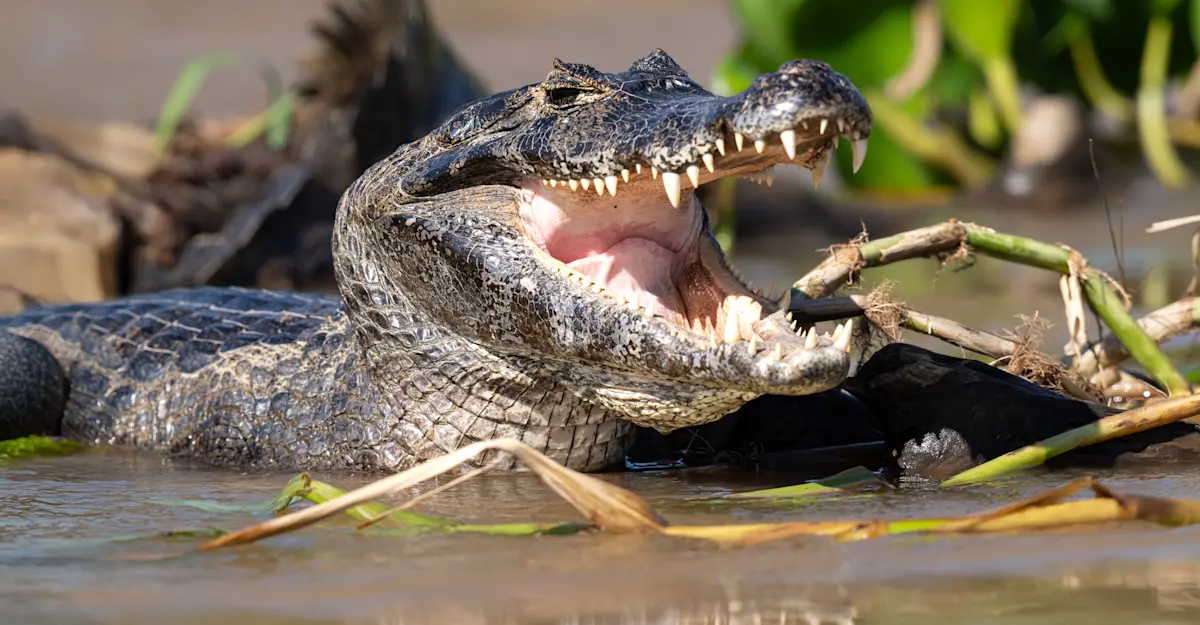
Photo 1 of 9
Wildlife Highlights of Brazil’s Pantanal
Why Is the Pantanal One of the Best Wildlife Destinations in South America?
The Pantanal’s remarkable wildlife density comes from its seasonal rhythm of flooding and drying. When waters rise, animals spread out across the landscape. As waters recede, food and shelter concentrate around shrinking channels, lagoons and patches of higher ground. Wildlife follows these resources, gathering in open areas where they’re easier to see—one of the reasons the Pantanal offers such exceptional viewing.
Brazil’s Pantanal offers:
High visibility, with many animals using open banks and wetland edges
Abundant prey, supporting apex predators such as jaguars and giant river otters
Diverse habitats—from gallery forests (narrow ribbons of forest lining seasonal streams) to savanna-like grasslands—that support a broad range of species
This natural design makes the Pantanal one of the most productive wildlife-viewing destinations in Brazil and across South America.
Will I See Jaguars in Brazil’s Pantanal?
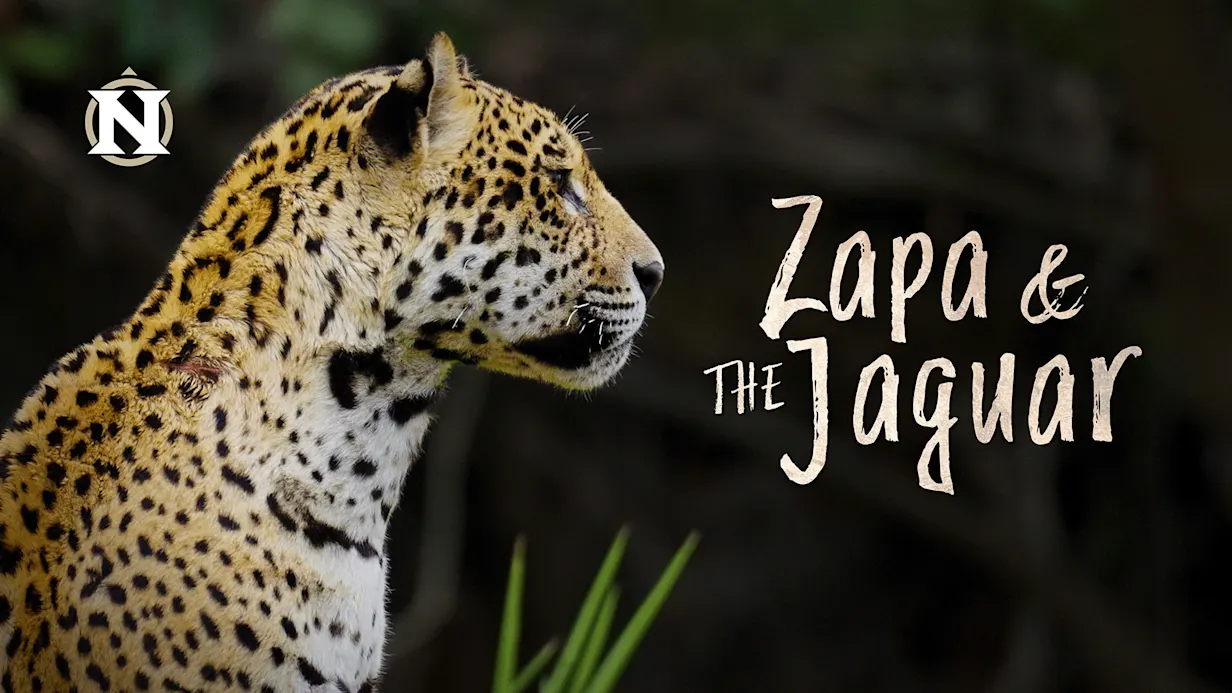
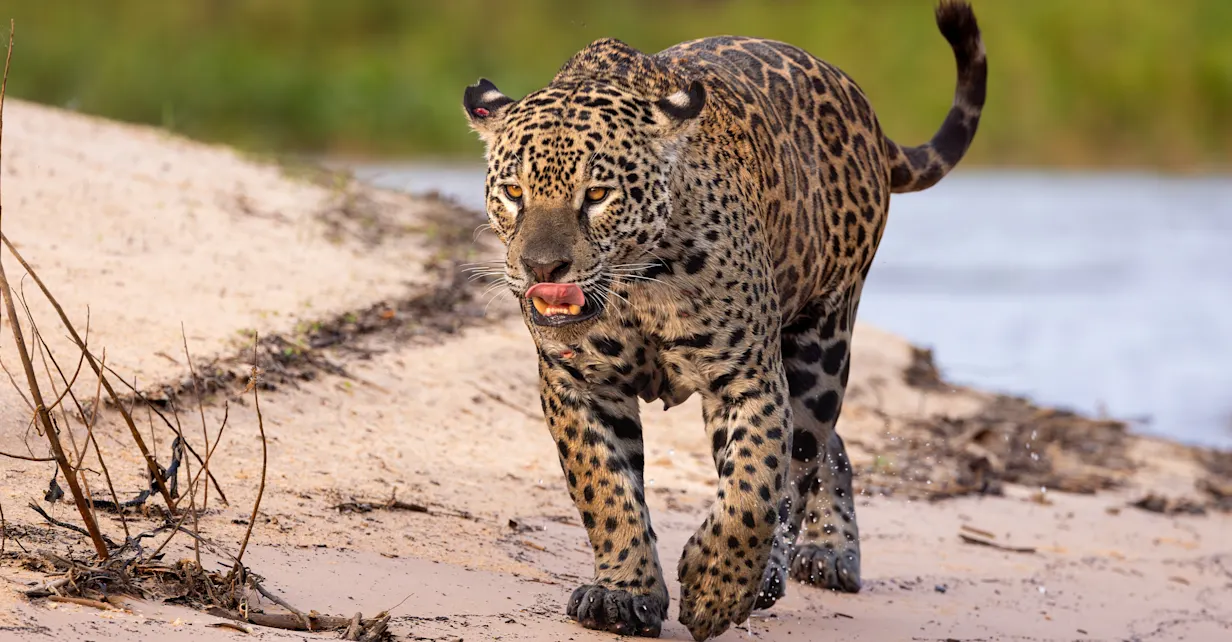
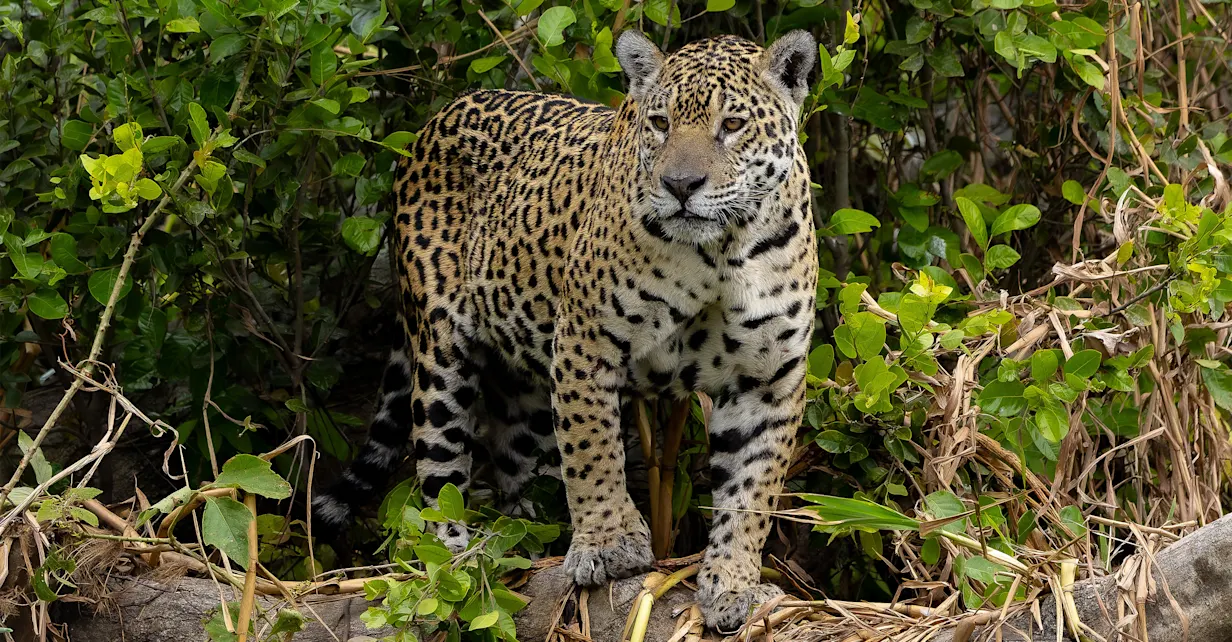
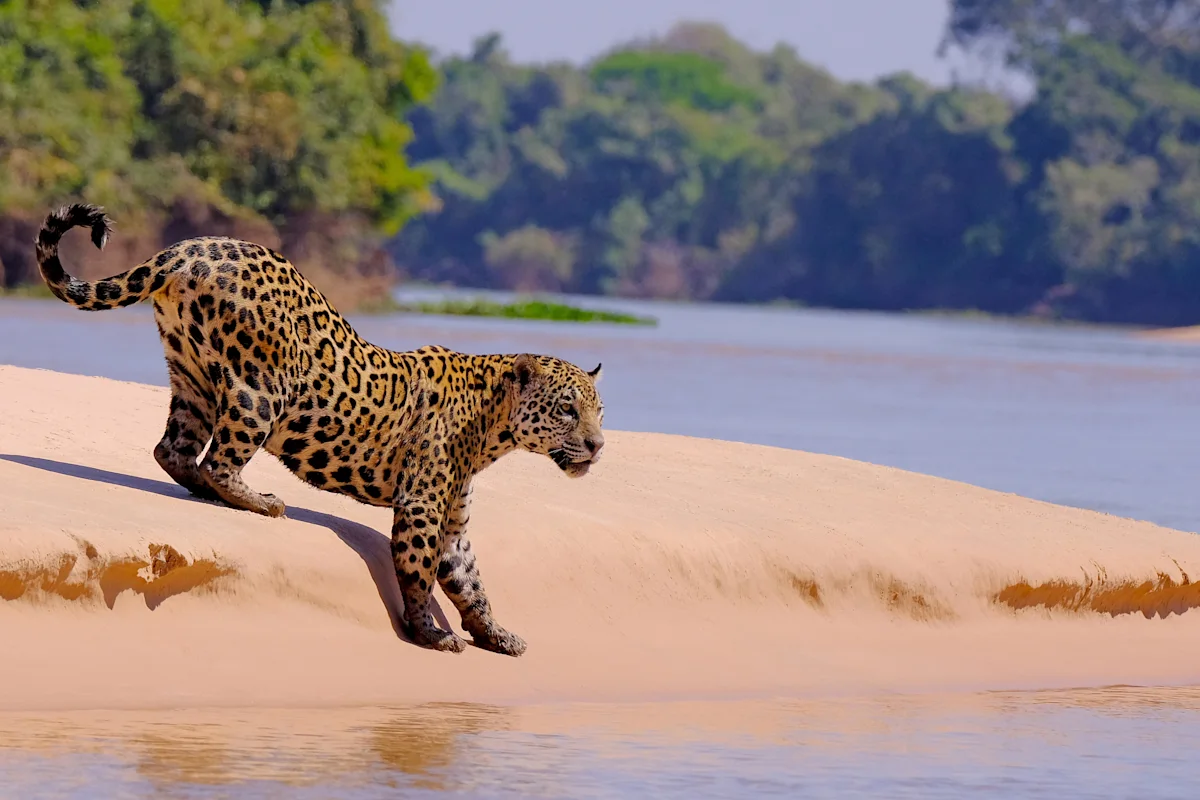
The Pantanal is widely regarded as one of the best places in the world to look for wild jaguars. The rivers of the northern Pantanal, especially around Porto Jofre, hold a notably high density of these big cats. They patrol sandbanks, rest in riverside shade and sometimes hunt caimans and capybaras in full view of passing boats.
On a Nat Hab Pantanal itinerary, your chances improve because:
Multiple skiff outings are scheduled in core jaguar territories
Local guides and Expedition Leaders know individual home ranges and favored haunts
Dry-season timing concentrates cats along exposed riverbanks
Sightings are never guaranteed, but many travelers who come to Brazil’s Pantanal specifically to search for jaguars leave with memorable encounters and photographs.
What Big Mammals Might I See in Brazil’s Pantanal?
Beyond jaguars, Brazil’s Pantanal is famous for an impressive roster of large mammals. Depending on region and season, you may see:
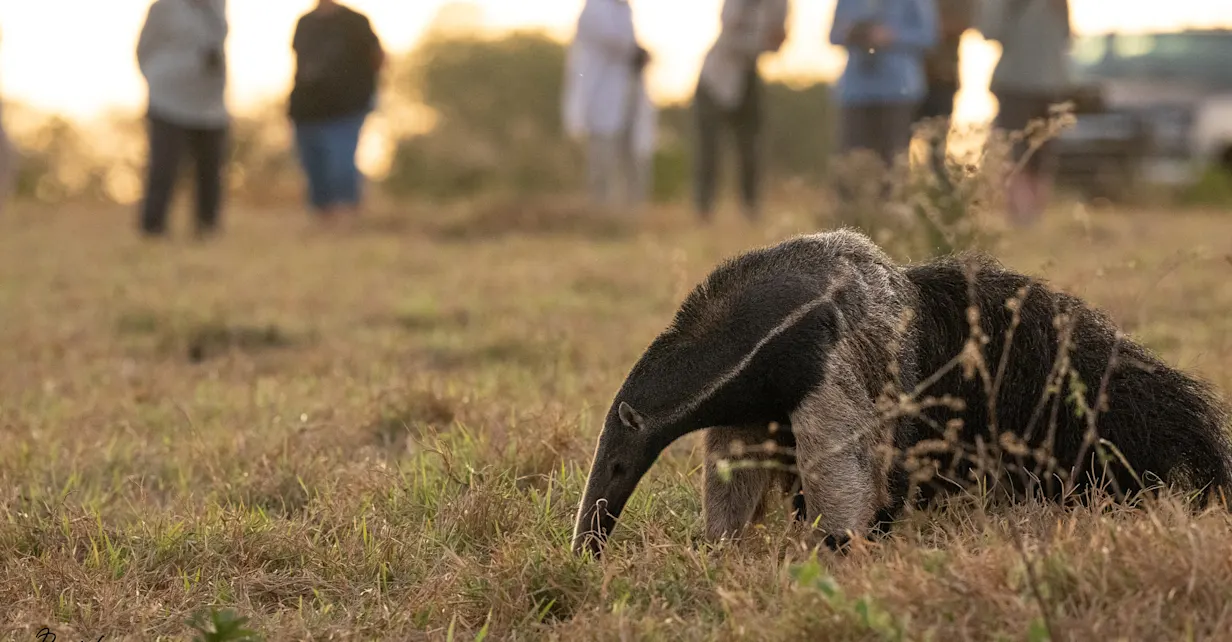
Giant anteaters slowly foraging across open fields, using long claws and tongues to feed on ants and termites
Tapirs browsing along forest edges or near water, their flexible snouts pulling in leaves and fruit
Capybaras, the world’s largest rodents, grazing in groups along riverbanks and lagoons
Giant river otters hunting fish together, communicating with a chorus of whistles and calls
Maned wolves and ocelots in select areas, especially near conservation-focused lodges and ranches
Many of these mammals are easier to spot in the Pantanal than in other parts of their range, thanks to open habitats.
What Primates and Smaller Mammals Live in Brazil’s Pantanal?
Primates and smaller mammals add constant motion and sound to the Pantanal’s forests and river corridors. Common encounters include:
Howler monkeys, whose deep, resonant calls can carry for more than a mile at dawn and dusk
Capuchin monkeys, active and social primates that forage in groups through treetops and forest edges
South American coatis, curious “hog-nosed raccoons” that travel in bands, using their snouts and claws to dig for food
You may also see smaller nocturnal mammals on evening drives and walks, including armadillos, crab-eating foxes and other secretive species that emerge once temperatures drop.
What Birds Will I See in Brazil’s Pantanal?
For birders and photographers, Brazil’s Pantanal is one of the finest birding regions in the Americas. More than 650 bird species have been recorded here, and many are conspicuous and approachable. Highlights may include:
Hyacinth macaws, the world’s largest parrot, with deep blue plumage and powerful beaks
Jabiru storks, towering waders with red throat pouches and broad wingspans
Egrets, herons and ibises feeding in shallow pools and along receding waterlines
Kingfishers and terns diving for fish along river channels
Toucans and parrots flying between forest patches and palm groves
Because so many species are associated with open water and wetlands, you often see them in good light at relatively close range—ideal for photography and behavior watching.
What Reptiles and Aquatic Wildlife Will I See in Brazil’s Pantanal?
The waterways of Brazil’s Pantanal support a rich cast of reptiles and aquatic species. Among the most visible are:
Caimans, especially spectacled caimans, resting on mudbanks or cruising quietly along channel edges
Turtles basking on logs and sandbars
Fish-rich rivers, which sustain giant river otters, waterbirds and local communities alike
Caimans are particularly abundant, with many estimates placing their population in the millions. Their presence is a defining feature of the Pantanal and a reminder of the wetland’s overall productivity.
How Does Traveling With Nat Hab Improve My Wildlife Viewing?
Traveling with Nat Hab in Brazil’s Pantanal means your days are structured around wildlife, not busy roads or crowded viewpoints. Itineraries are built to:
Spend more time in prime habitats, especially jaguar-rich rivers and private reserves
Use small groups, so everyone has good lines of sight and can move easily between vantage points
Leverage expert guiding, from seasoned Expedition Leaders to local guides who live and work in the Pantanal year-round
By partnering with conservation-minded lodges, local researchers and ranchers, Nat Hab’s approach gives you a deeper window into the lives of the animals that make Brazil’s Pantanal such an extraordinary wildlife destination.
Wildlife Highlights
Animal | Where You Might See It | Time of Day |
|---|---|---|
Jaguar | Riverbanks and sandbars in the northern Pantanal, especially around Porto Jofre | Often by day along exposed banks, with peak activity early morning and late afternoon |
Giant river otter | Main rivers and side channels, hunting and playing in family groups | Most active in morning and late afternoon |
Giant anteater | Open fields, ranch tracks and savanna near southern Pantanal lodges | Coolest parts of the day, especially early morning and late afternoon |
Brazilian tapir | Forest edges, muddy pools and river margins, often near quiet backwaters | More often at dusk, night and early morning |
Capybara | Grassy riverbanks, pond edges and lodge surroundings | Visible throughout the day and at dusk |
Caiman | Nearly all rivers, oxbow lakes and marshes throughout the Pantanal | Easy to see in daylight; eyeshine visible by spotlight at night |
Hyacinth macaw | Palm groves, gallery forest and tall trees near lodges and ranchlands | Most active in early morning and late afternoon |
Jabiru stork | Shallow wetlands, flooded fields and receding pools in open country | Feeds mainly by day, often mid-morning to late afternoon |
Howler monkey | Upper canopy of gallery forests near rivers and around lodges | Especially vocal at dawn and dusk; active by day |
Capuchin monkey | Forest edges, treetops and wooded corridors in both north and south Pantanal | Active by day, often mid-morning to late afternoon |
South American coati | Forest margins, ranch tracks and lodge clearings, sometimes in large bands | Mostly diurnal, often seen in morning and late afternoon |