

Know Before You Go: Iceland Tours
Why Should I Go to Iceland?
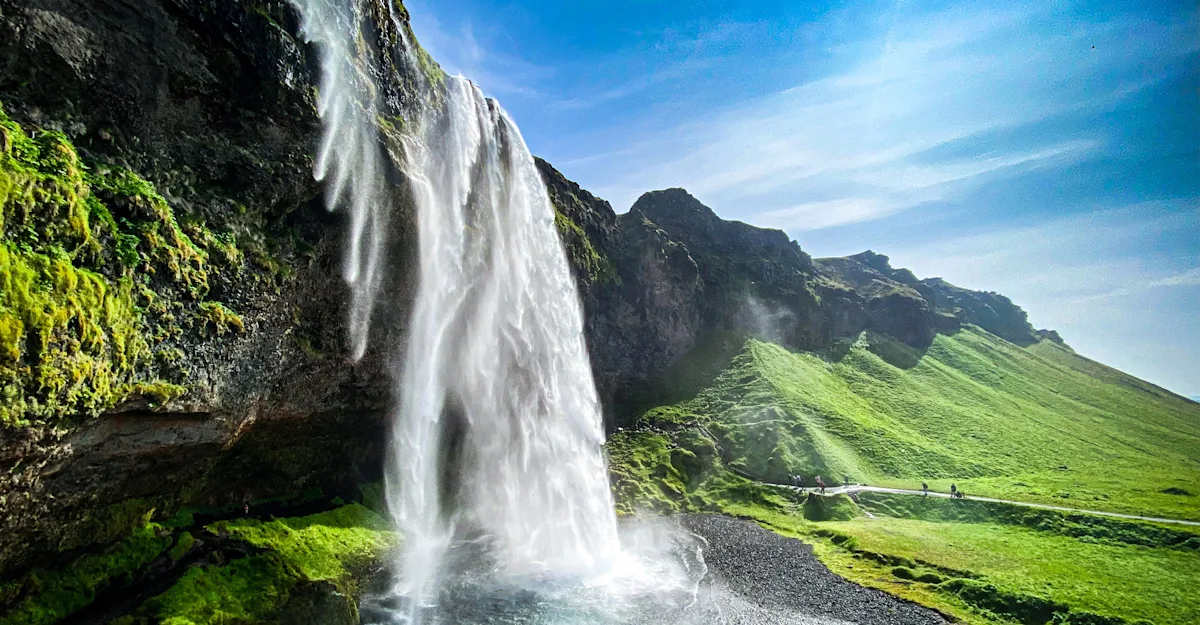
Iceland is one of the most geologically active places on Earth, where glaciers and volcanoes shape the land side by side. Located near the Arctic Circle, this island nation concentrates an extraordinary range of natural wonders into a single journey. Travelers encounter powerful waterfalls, black sand beaches, steaming geothermal fields, moss-covered lava flows and iceberg-filled glacier lagoons, often within the same day.
Along Iceland’s coastline, nutrient-rich North Atlantic waters support abundant wildlife. Whales surface offshore, seals haul out on rocky beaches and Atlantic puffins gather in dense summer colonies on sea cliffs and islands. Inland, travelers walk across landscapes formed by fire and ice, including the visible rift between the North American and Eurasian tectonic plates.
For nature-focused travelers, Iceland offers a rare combination of dramatic scenery, seasonal wildlife and logistical accessibility. Glacier walks, volcanic terrain, fjord coastlines and remote Arctic wilderness can all be experienced in a single, well-paced itinerary.
Why Is Iceland One of Europe’s Most Spectacular Nature Destinations?
Iceland’s landscapes are defined by extreme geological forces. Geothermal heat rises through the ground, glaciers carve valleys, rivers cut deep canyons and waterfalls plunge over basalt cliffs. These processes create terrain that feels otherworldly yet remarkably varied.
What sets Iceland apart is how much diversity exists within a relatively compact country. Travelers can move from black sand beaches and glacier lagoons on the south coast to fjord-lined fishing villages in the east, volcanic highlands in the interior and the remote Westfjords, where cliffs, tundra and seabird colonies dominate the horizon.
Because distances are manageable, Iceland allows travelers to experience multiple ecosystems and geological regions in a single journey without sacrificing time in nature.
What Makes Iceland a Bucket List Destination for Wildlife and Coastal Scenery?
Iceland is one of the North Atlantic’s most rewarding destinations for coastal wildlife viewing. Cold, nutrient-rich waters attract whales, dolphins and seals, while long summer daylight supports some of Europe’s largest seabird colonies.
Key wildlife highlights include:
Atlantic puffins nesting on grassy sea cliffs and offshore islands from May through early August
Humpback and minke whales feeding in fjords and coastal bays during summer
Seals commonly seen along rocky shorelines and glacial lagoons
Arctic foxes roaming tundra landscapes in remote regions such as the Westfjords
Wildlife encounters are paired with dramatic coastal scenery, including glacier-cut fjords, towering sea cliffs, volcanic beaches and offshore sea stacks, creating exceptional opportunities for photography and observation.
Why Travel With Natural Habitat Adventures to Iceland?
Iceland’s popularity makes routing, timing and regional access critical to the quality of the experience. Natural Habitat Adventures designs Iceland itineraries that go beyond the busiest south coast to more secluded and less-visited parts of the country. With immersive exploration, small groups and access to quieter regions, Nat Hab journeys focus on:
Small groups that allow flexible pacing and quieter wildlife encounters
Private boat excursions for whale watching, seabirds and glacier lagoons
4x4 Super Jeep access to Iceland’s remote highlands
Chartered or internal flights that reduce long drive times
Expert Expedition Leaders supported by local Icelandic guides
As WWF’s global travel partner and the world’s first carbon-neutral travel company, Natural Habitat Adventures offsets 100% of trip carbon emissions, including round-trip flights from home.
“Travelers interested in exploring the lesser-visited regions of Iceland’s Westfjords and tranquil East Coast while supporting the country’s sustainability efforts can do so on an expedition with Natural Habitat Adventures. A leader in responsible travel, the company offers a brand new 11-day journey with activities from private glacier walks in Skaftafell National Park and Zodiac tours of Fjallsarlon Glacier Lagoon, to whale watching and bird spotting in the Westfjords and on Vigur Island.” —Thrillist, opens in new tab
Why Choose Nat Hab for an Iceland Tour?
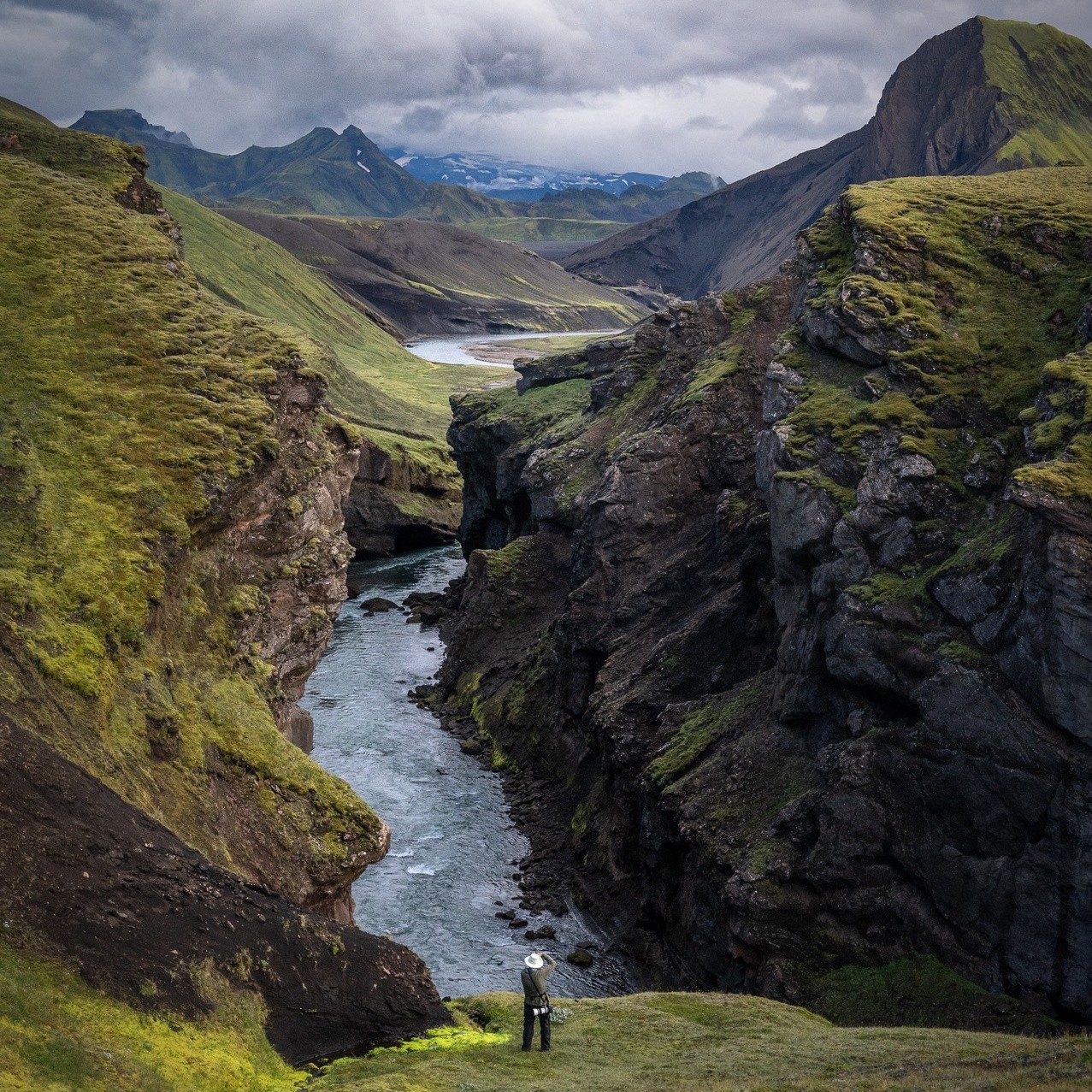
We focus on Iceland’s most spectacular and less-traveled regions, from the volcanic highlands to the remote Westfjords. Private excursions, chartered boats and strong local partnerships provide deeper access to wildlife, geology and culture. Learn More
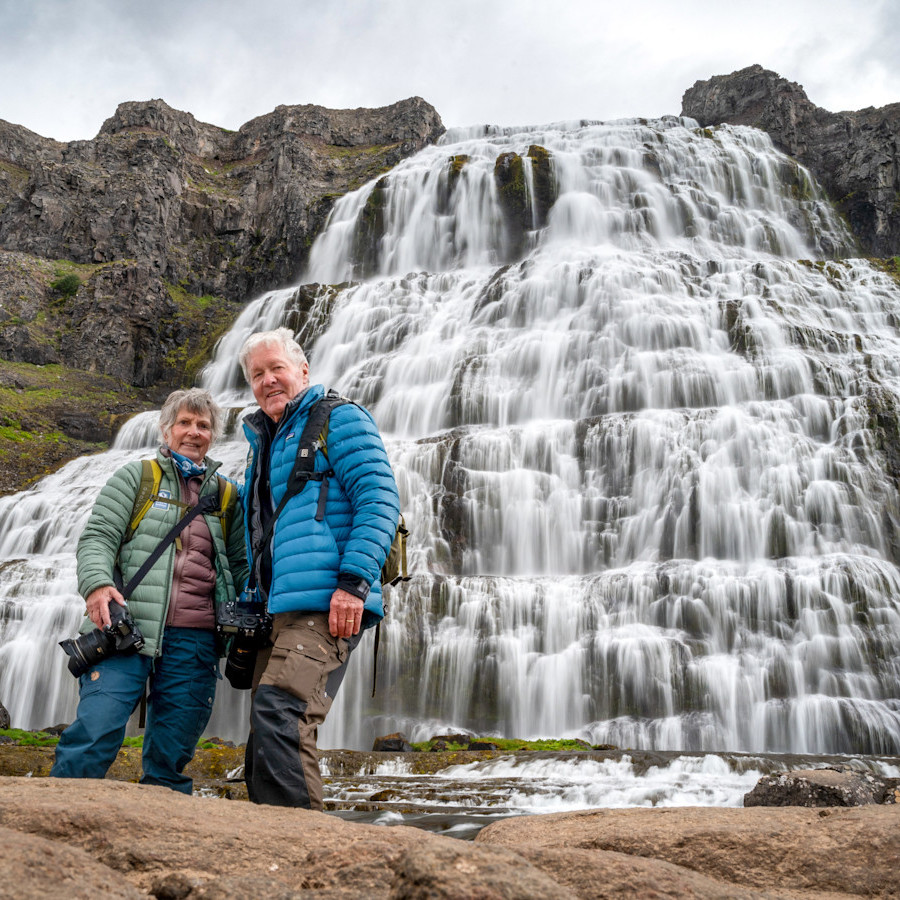
Group sizes are limited to 9–12 travelers, depending on the itinerary. Smaller groups allow greater flexibility, improved wildlife viewing and a more personal experience across Iceland’s diverse landscapes. Learn More
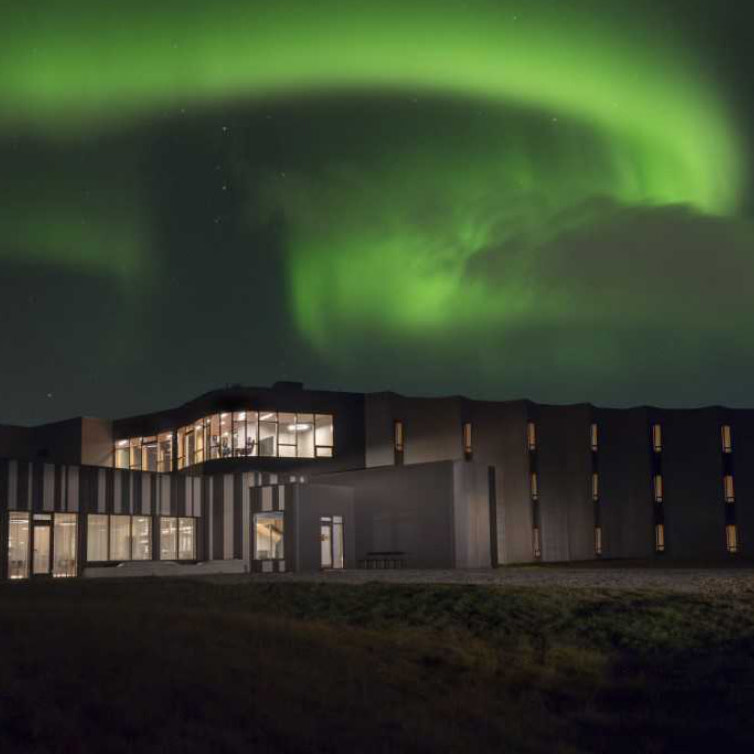
Accommodations emphasize location and immersion, including smaller hotels, family-run guesthouses and remote lodges that keep travelers close to nature rather than concentrated tourist hubs. Learn More
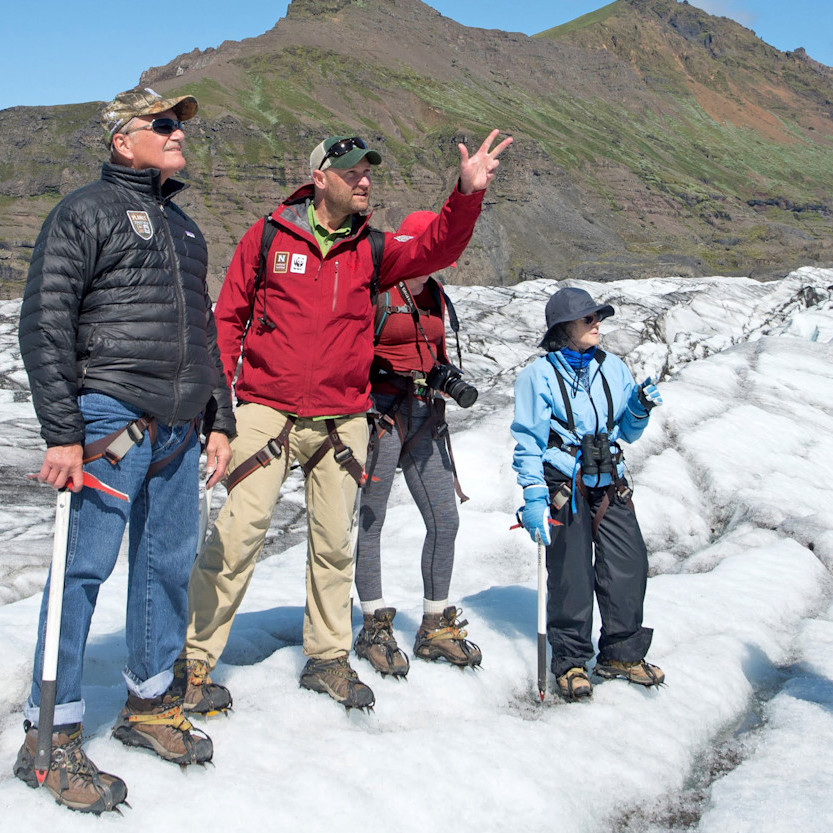
Each trip is led by a Nat Hab Expedition Leader along with a local Icelandic guide, providing in-depth natural history interpretation and the option to split into smaller groups for different activity levels. Learn More
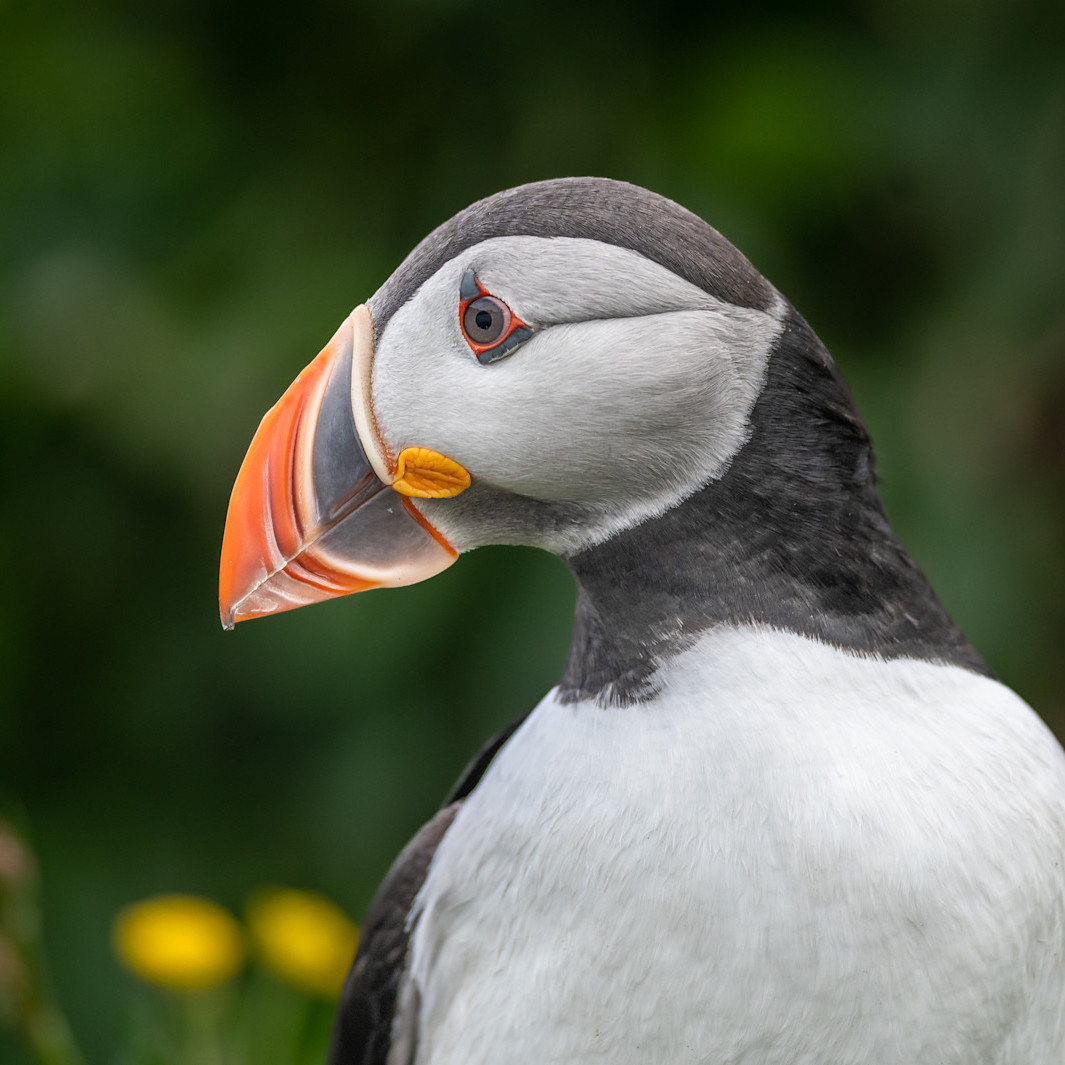
Nat Hab’s Iceland adventures support responsible exploration through carbon offsetting, small-group logistics and a long-standing partnership with WWF conservation initiatives in the Arctic. Learn More
Iceland Tour Guide


Frequently Asked Questions
What should I pack for an Iceland nature adventure?
Pack for cool temperatures, wind and rapid weather changes. Waterproof outer layers, opens in new tab are essential, along with warm mid-layers, sturdy walking shoes, gloves and a hat. A daypack, reusable water bottle, binoculars and a camera are also recommended.
Is Iceland good for wildlife and nature photography?
Yes. Iceland is one of Europe’s best destinations for nature photography thanks to long daylight hours, dramatic landscapes and accessible wildlife. Common subjects include waterfalls, glaciers, black sand beaches, puffins, Arctic foxes and whales.
Will I see the northern lights in Iceland?
Northern lights are visible in Iceland from late August through early April, when nights are dark enough. Sightings are never guaranteed and depend on weather and solar activity.
What currency is used in Iceland?
Iceland uses the Icelandic krona (ISK). Credit cards are widely accepted throughout the country, including in hotels, restaurants and many small businesses.
What language is spoken in Iceland?
Icelandic is the official language, but English is widely spoken in tourism settings.
What is the food like in Iceland?
Icelandic cuisine emphasizes fresh seafood, lamb and dairy, with Nordic-inspired cooking, seasonal ingredients and produce cultivated in geothermal greenhouses. Meals often reflect local fishing villages and farm culture.
How do you get to Iceland?
Most travelers arrive via Keflavik International Airport (KEF). Reykjavik is approximately 45 minutes away by road. Nat Hab trips include airport transfers and travel by private vehicle, chartered flights and boats as needed.


