
Know Before You Go: Iceland Tours
What Wildlife Will I See in Iceland?
Iceland’s wildlife is shaped by its Arctic latitude and nutrient-rich North Atlantic waters. Where cold and temperate ocean currents converge, marine life thrives—supporting seabirds, whales and seals along the island’s rugged coasts.
While Iceland has few native land mammals, its coastal ecosystems are exceptionally productive. Wildlife commonly seen in Iceland includes:
Atlantic puffins and other seabirds during the summer nesting season
Humpback and minke whales feeding in coastal waters
Harbor and gray seals along rocky shorelines and glacier lagoons
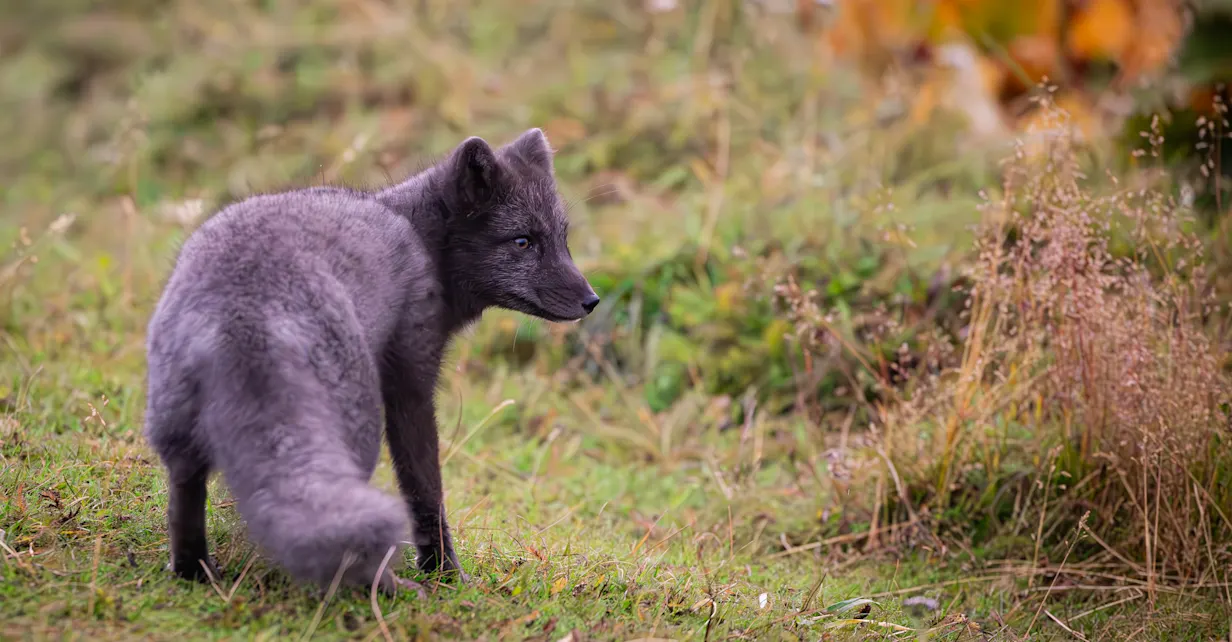
Arctic foxes, Iceland’s only native land mammal, in remote tundra habitats
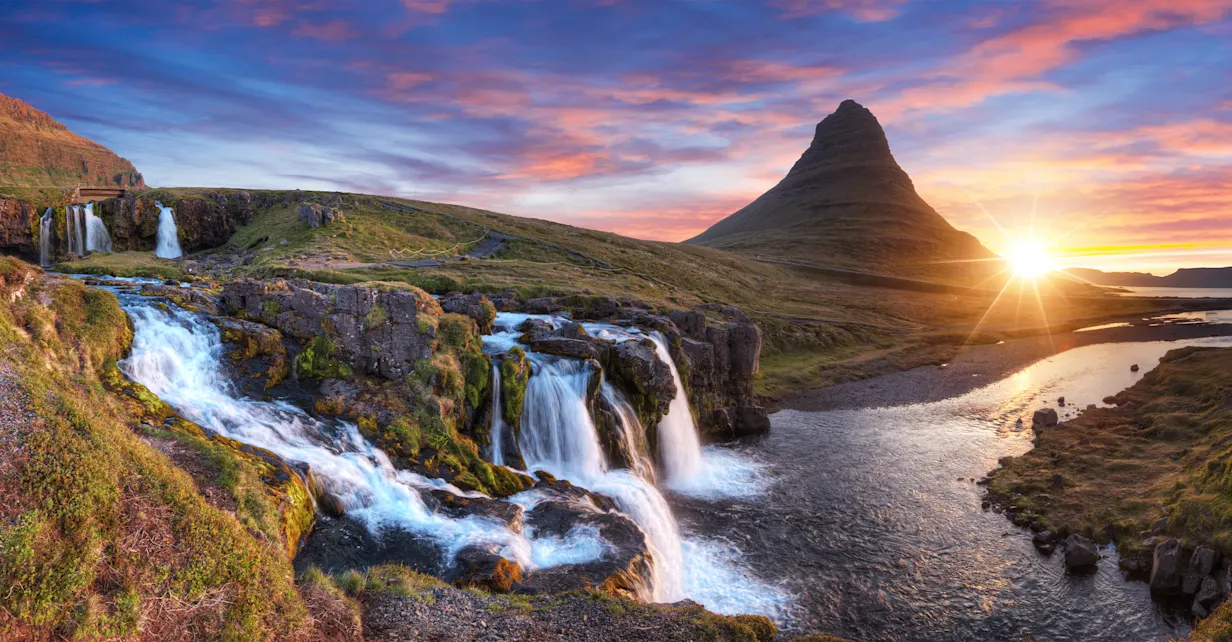
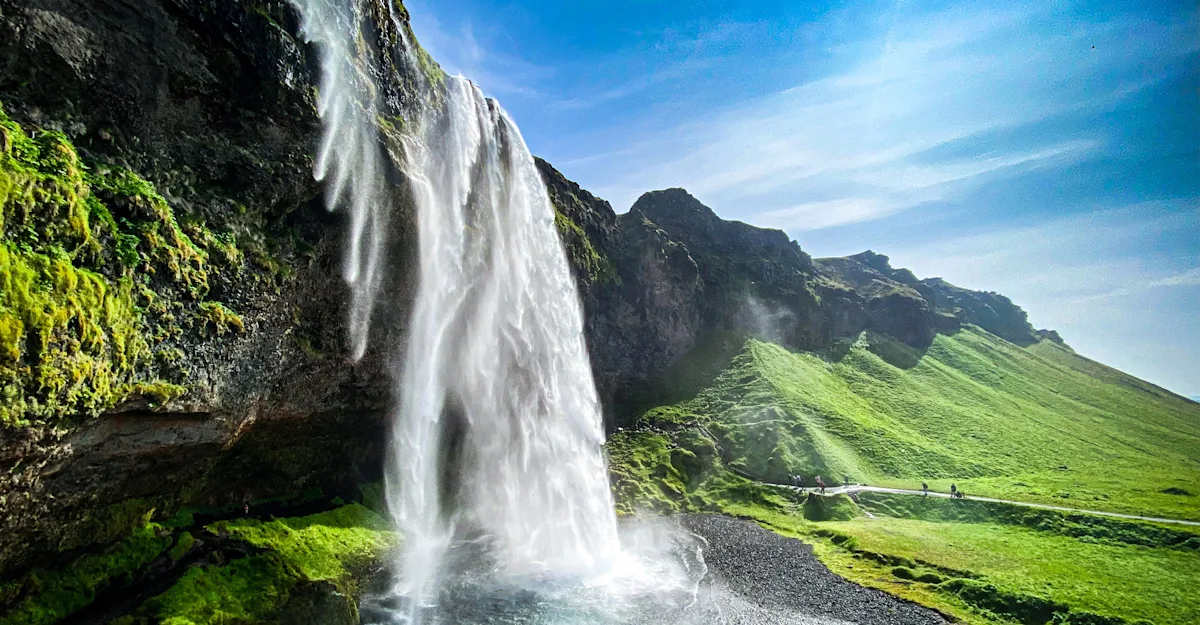
Wildlife viewing often takes place alongside waterfalls, volcanic landscapes, black sand beaches and glacier-carved fjords, making Iceland especially compelling for nature-focused travelers and photographers.
How well do you really know Iceland—its volcanoes, glaciers and coastal wildlife? Take our Iceland Trivia Quiz and put your nature knowledge to the test!
Why Is Iceland One of the Best Wildlife Destinations in the North Atlantic?
Iceland sits at the meeting point of Arctic and temperate ocean systems, creating some of the North Atlantic’s richest marine feeding grounds. Long summer daylight hours further amplify wildlife activity, concentrating seabirds and marine mammals in accessible coastal areas.
This ecological setting supports:
Whale-rich fjords and offshore feeding areas in summer
Large seabird colonies nesting on cliffs and offshore islands
Expansive tundra landscapes where Arctic foxes roam
Distinct seasonal wildlife cycles tied to migration and breeding
For travelers interested in nature travel in Iceland, this combination of marine ecosystems, dramatic geology and seasonal wildlife activity offers rare opportunities to experience animals in landscapes that remain largely undeveloped and wild.
Photo gallery
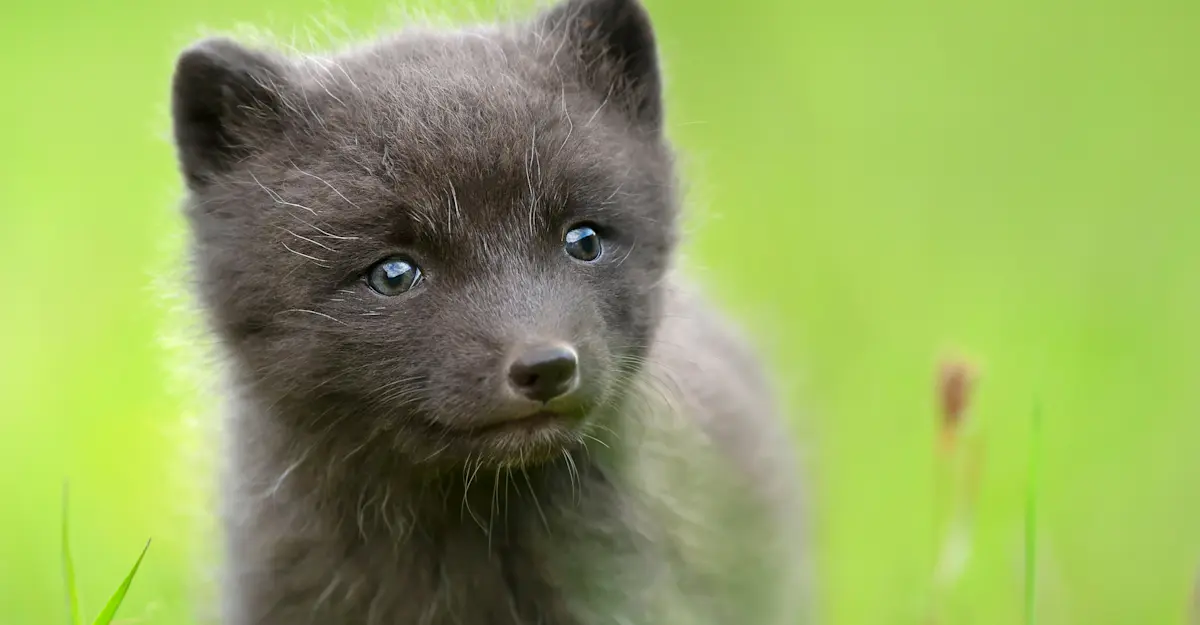
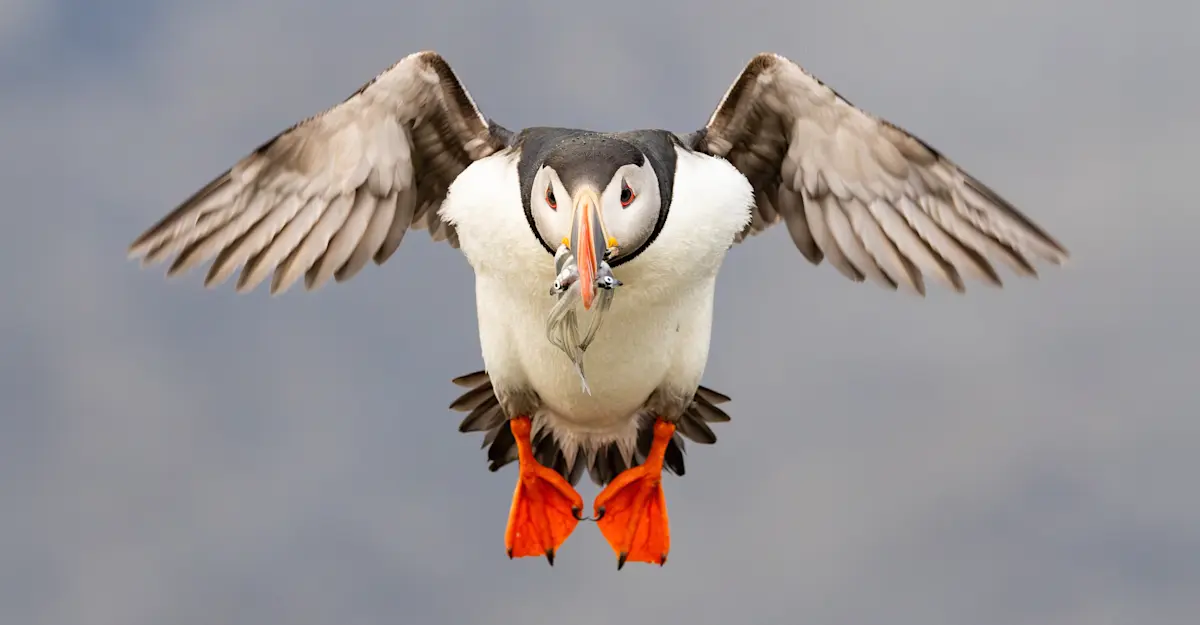
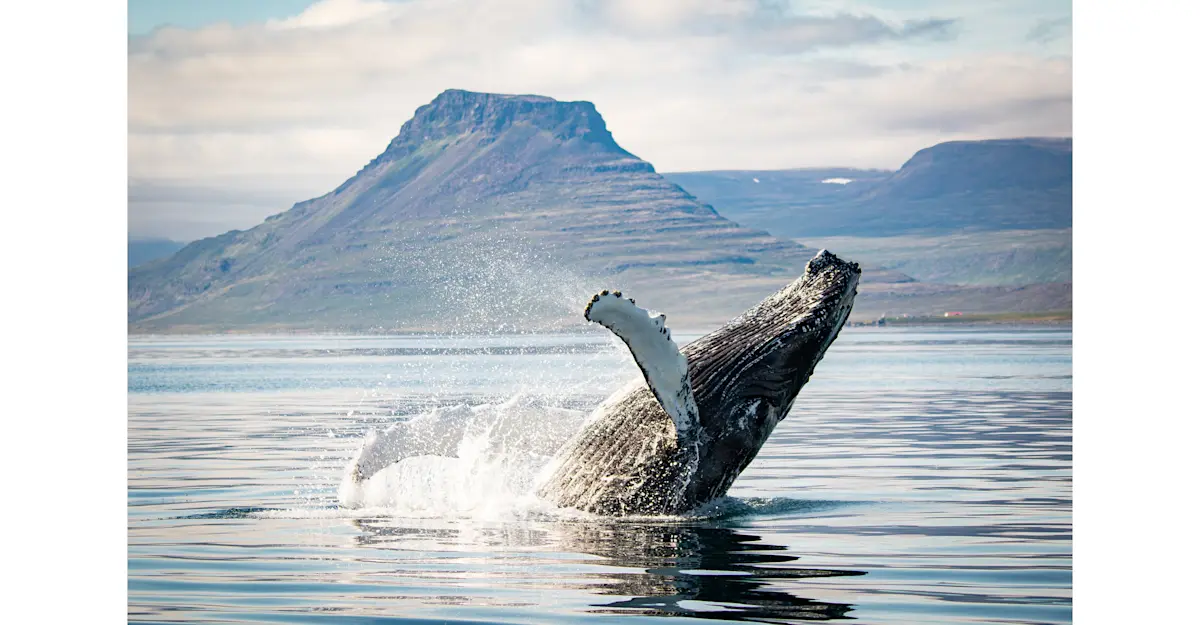
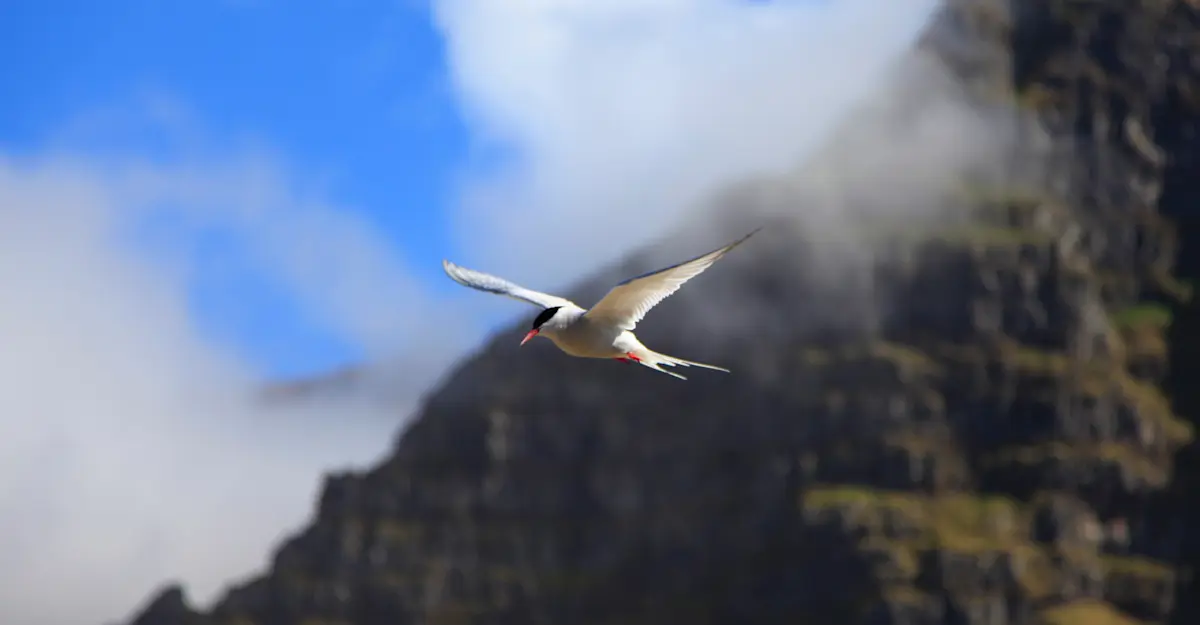
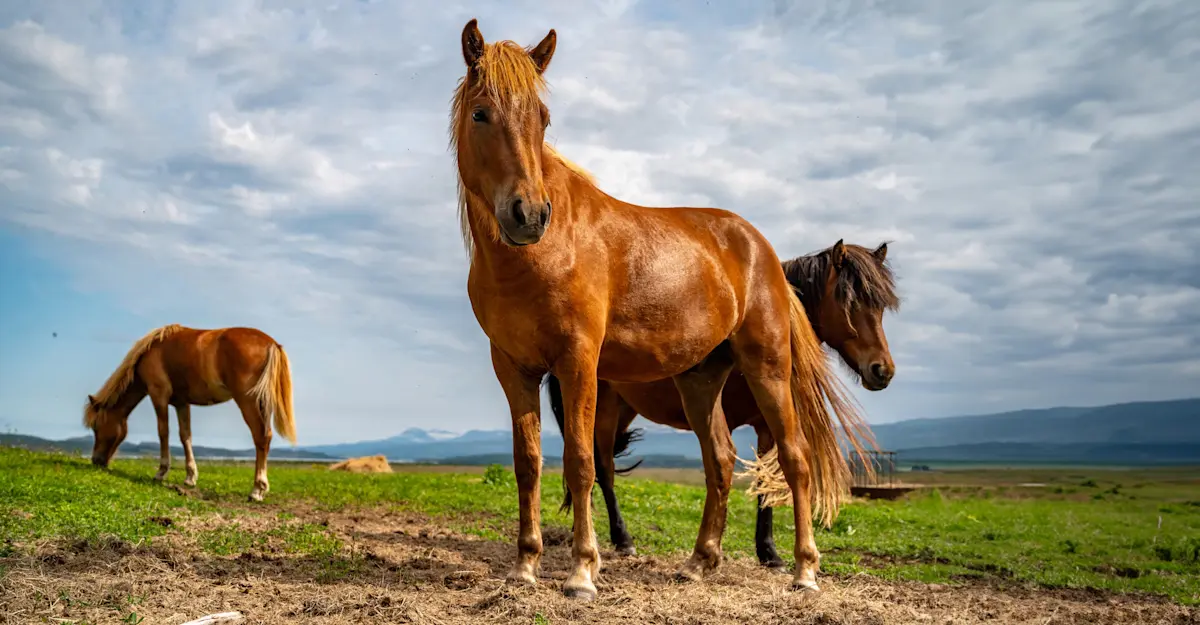
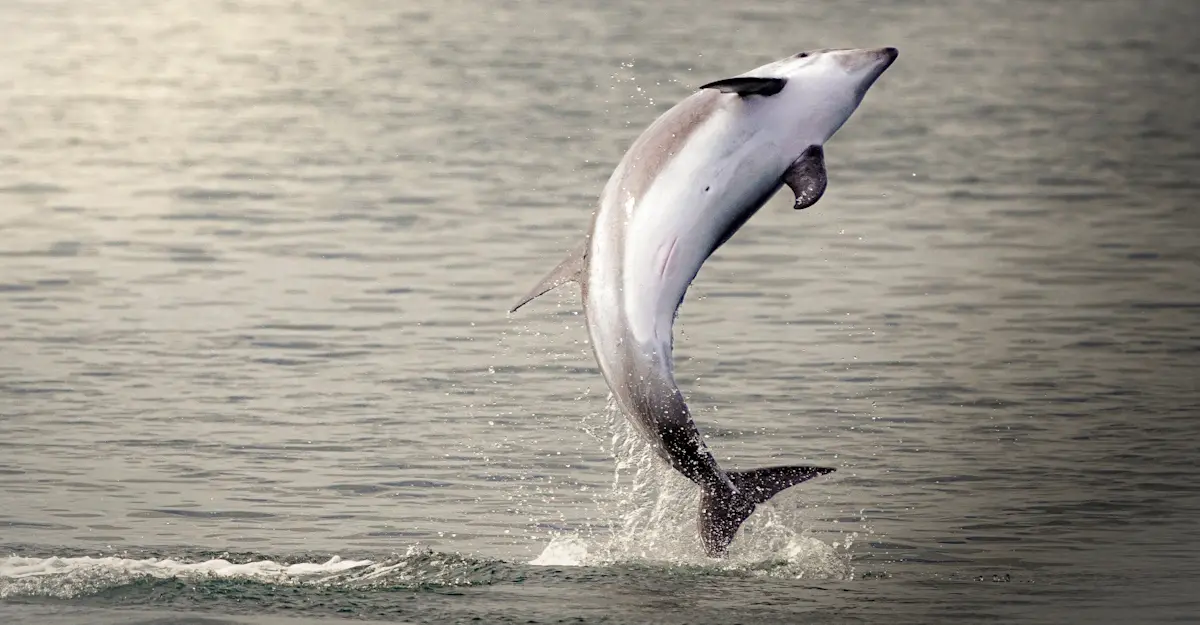
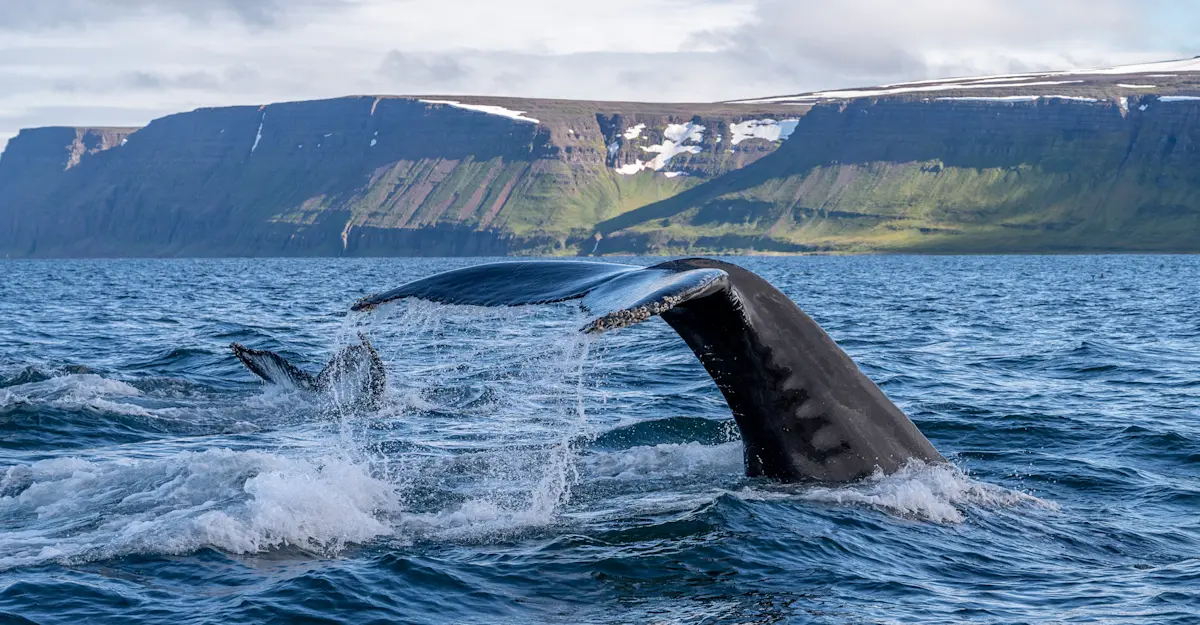
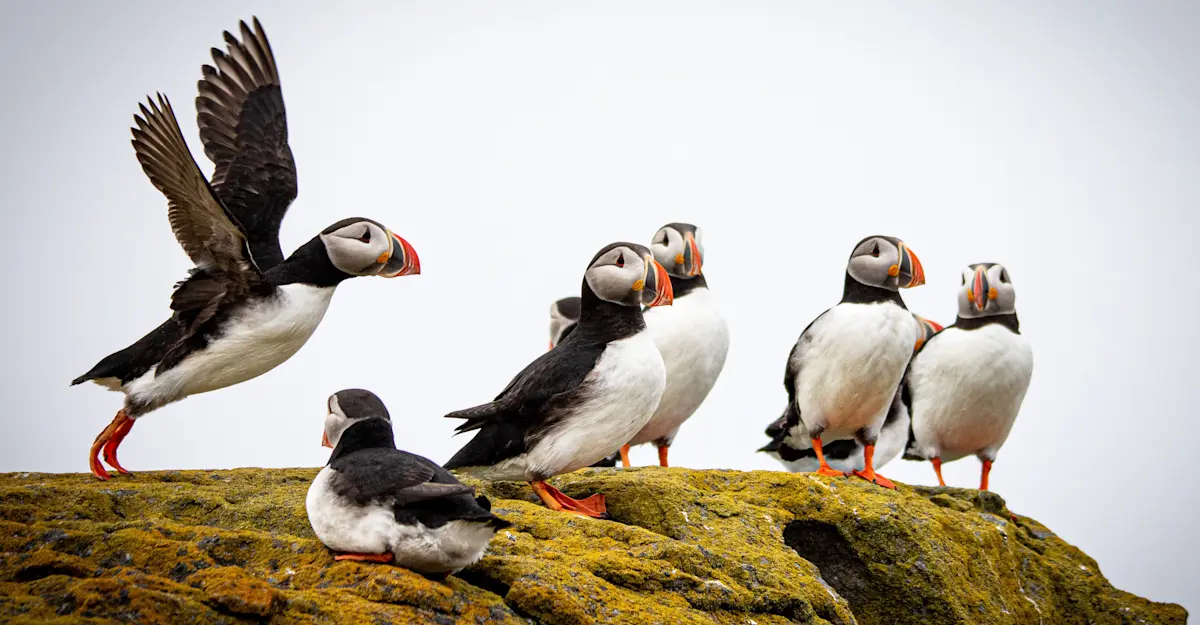
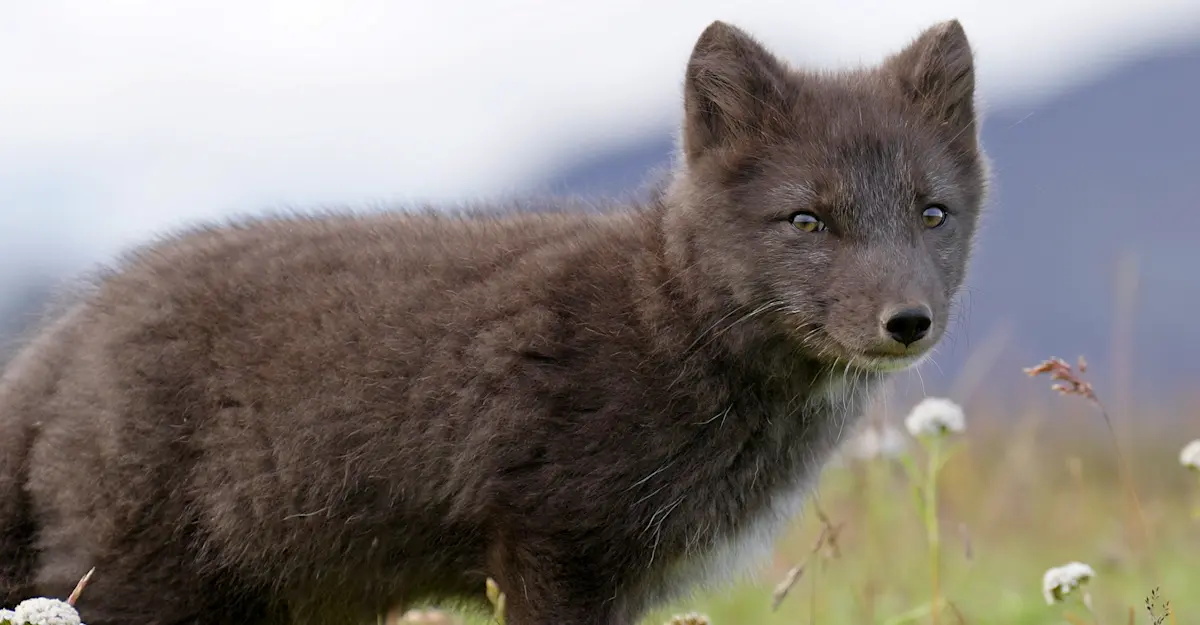
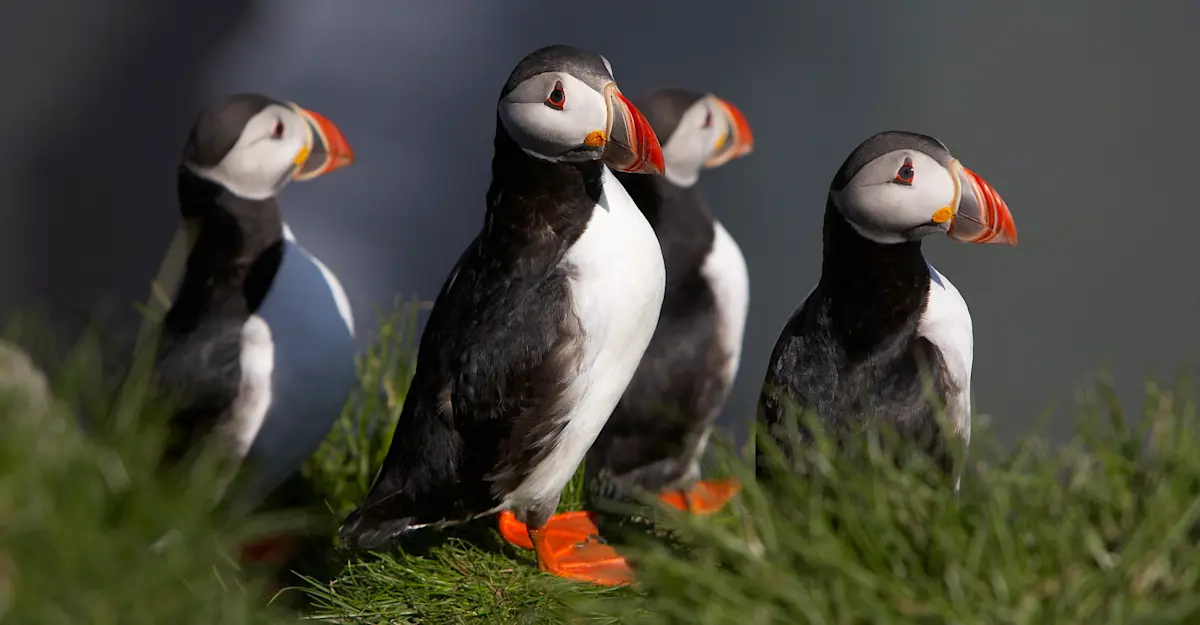
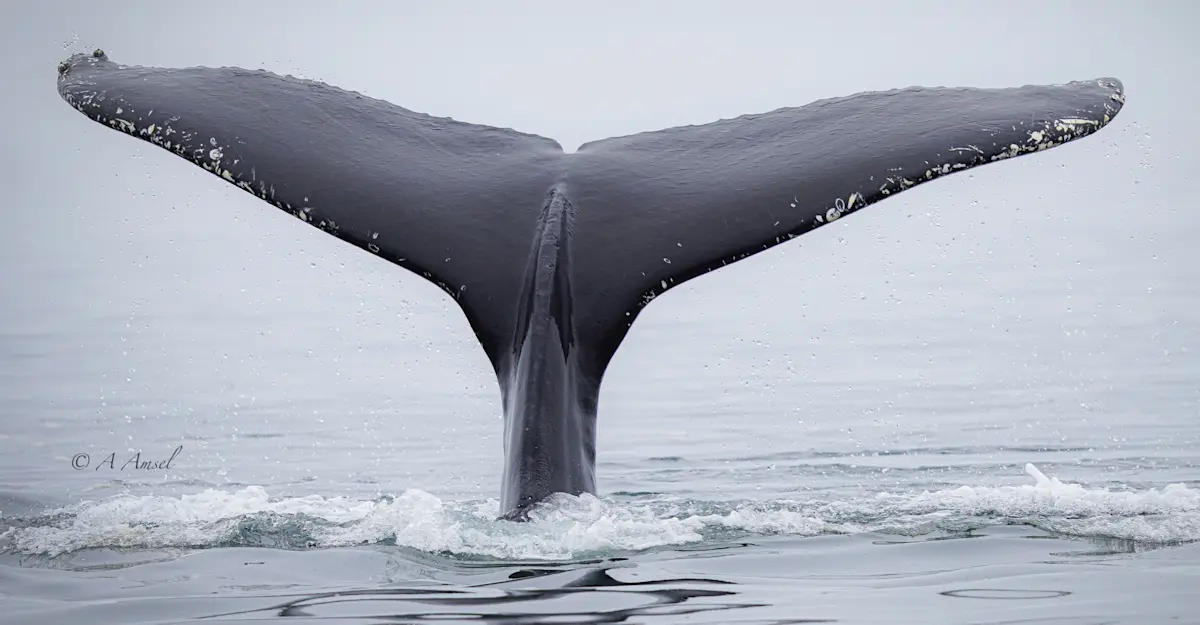
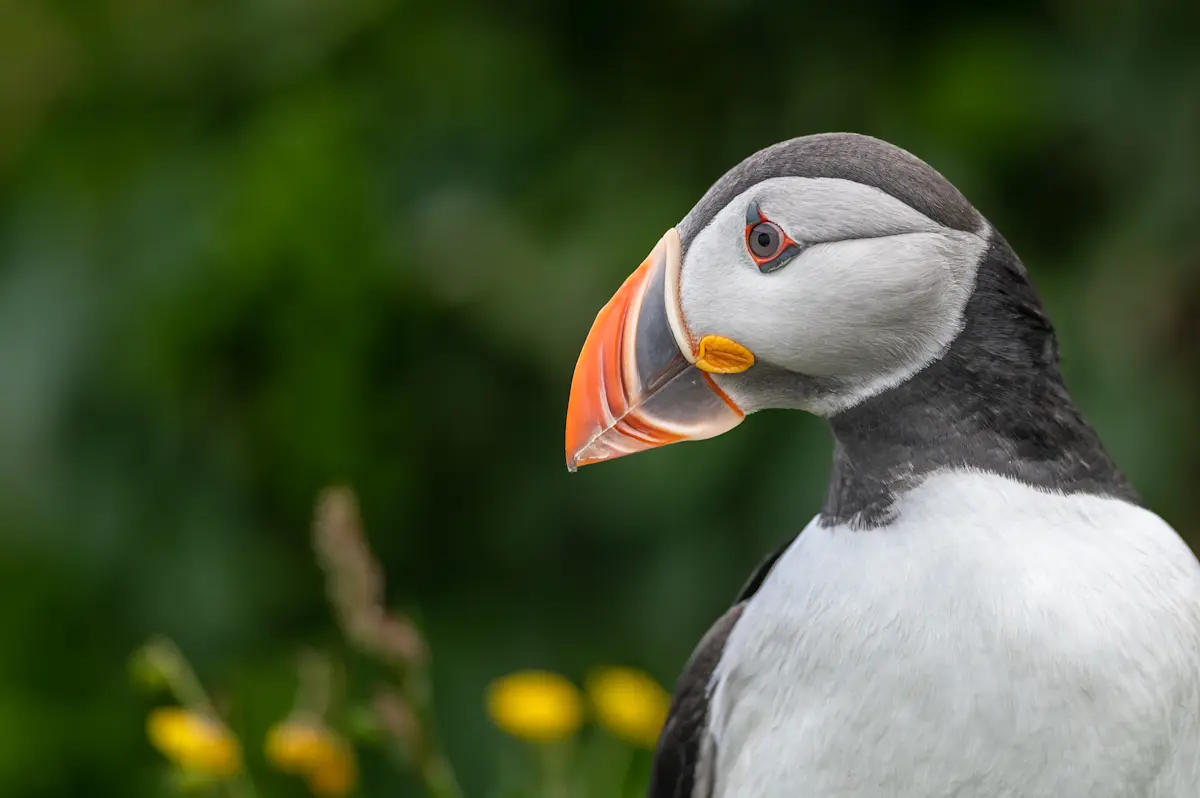
Photo 1 of 12
Wildlife Frequently Asked Questions
What Whale Species Can I See in Iceland During Summer?
Several whale species are commonly seen in Iceland during summer, particularly from June through August, when feeding activity peaks in coastal waters and fjords.
Whale sightings are frequent on boat-based excursions, especially in nutrient-rich feeding areas along Iceland’s north and west coasts.
Whales and marine mammals commonly seen in Iceland include:
Humpback whales – Frequently observed feeding in fjords and sheltered bays
Minke whales – Widespread in Icelandic waters and regularly spotted on whale-watching tours
White-beaked dolphins and harbor porpoises – Often seen in nearshore waters
Harbor and gray seals – Observed hauled out on rocks or swimming close to shore
When Is the Best Time to See Puffins in Iceland?
The best time to see puffins in Iceland is from May through early August, when Atlantic puffins come ashore to nest and raise chicks on coastal cliffs and offshore islands.
June and July offer the most reliable sightings, as breeding colonies are fully active and adult birds are regularly visible at nesting sites.
Many Nat Hab itineraries include private boat excursions that allow travelers to photograph puffins at close range while also scanning for other seabirds and marine mammals.
Will I See Arctic Foxes in Iceland?
Yes, Arctic foxes can be seen in Iceland, particularly in remote tundra regions with limited human activity. The Arctic fox is Iceland’s only native land mammal.
Sightings are most likely in summer, when foxes are actively raising young and access to highland and coastal habitats is at its best. Because Arctic foxes are wild and elusive, sightings are never guaranteed, but guided exploration in quieter areas improves your chances.
What Birds Can I See in Iceland?
Iceland is one of Europe’s premier summer birding destinations, hosting millions of nesting seabirds along coastal cliffs, offshore islands and wetland ecosystems.
Birdlife commonly seen in Iceland includes:
Atlantic puffins – Iceland’s most iconic seabird
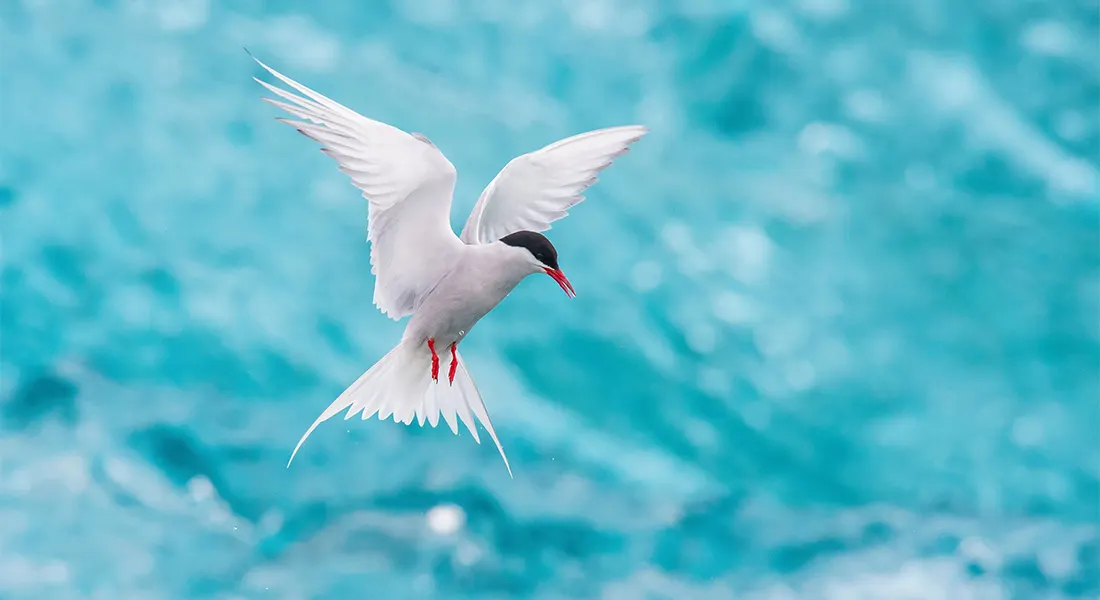
Arctic terns – Abundant and highly vocal along coasts and islands
Guillemots and other cliff-nesting seabirds – Forming dense breeding colonies
White-tailed eagles and other raptors – Occasionally seen over fjords and rugged terrain
Waterfowl and ducks – Common around lakes, rivers and marshlands
What Time of Day Is Wildlife Most Active in Iceland?
Wildlife activity in Iceland is influenced more by tides, feeding cycles and weather than by temperature, unlike many warmer wildlife destinations.
Wildlife viewing is often best during:
Early morning – Calmer seas, softer light and fewer people
Late afternoon and evening – Active marine conditions and excellent photography light
Because Iceland experiences extended daylight hours in summer, wildlife viewing often continues well into the evening, offering exceptional flexibility for photography and exploration.