

Know Before You Go: Iceland Tours
When Should I Go to Iceland?
The best time to visit Iceland for nature-focused travel is May through September, when long daylight hours, milder weather and open mountain roads provide access to the central Highlands and other remote regions.
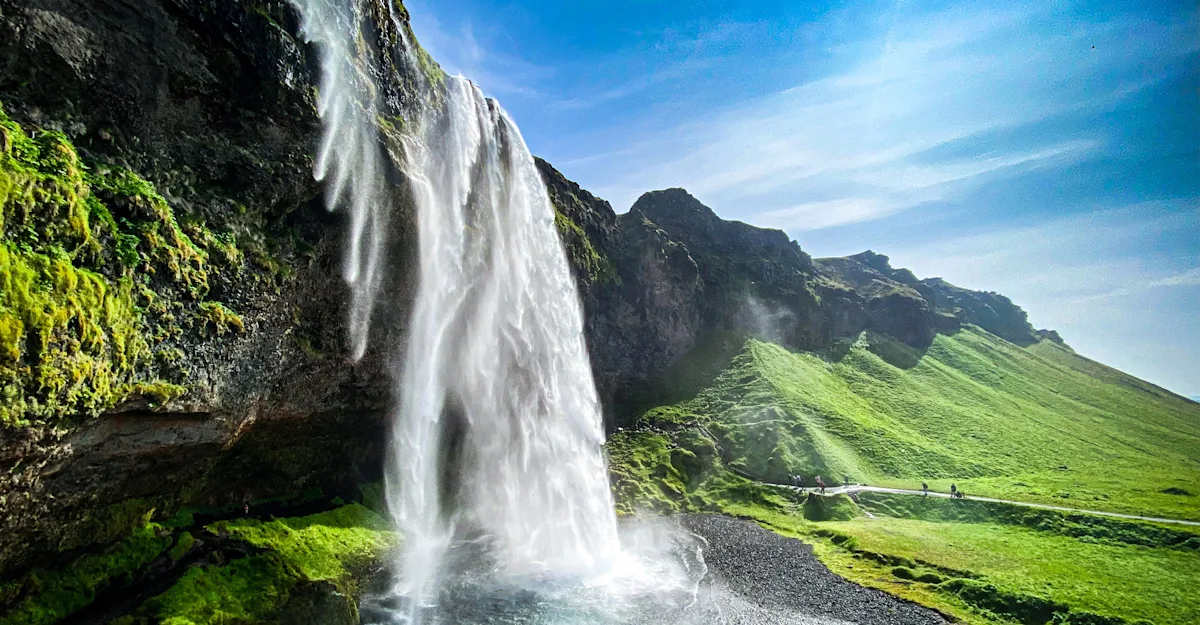
Iceland’s landscapes and wildlife shift dramatically throughout these months. Coastal cliffs fill with nesting puffins, whales feed offshore, and the rugged interior becomes accessible for hiking and exploration. By September, tundra landscapes turn gold and red, and the returning darkness creates opportunities to see the northern lights.
Understanding Iceland’s seasonal windows helps determine which wildlife, landscapes and experiences align best with your travel goals.
Highlights by Season:
Early Summer (May–June):
Puffins and seabirds nesting along coastal cliffs
Lush greenery and snowcapped mountains
Expanding access to inland areas and less crowded sites
Midsummer (July–mid August):
Warmest weather and near-24-hour daylight
Peak whale watching and bird activity
Full access to highland roads, waterfalls, glacier lagoons and volcanic terrain
Late Summer/Fall (late Aug–Sept):
Arctic fox sightings and autumn colors in mossy canyons
First glimpses of the aurora borealis
Fewer travelers and softer light for photography
What Is the Weather Like in Iceland in Summer?
Summer weather in Iceland is generally cool and variable. Average daytime temperatures from June through August range from 50–65°F along the coast and lowlands, with cooler conditions in the Highlands and near glaciers.
Mountain areas and glacial regions typically range from 35–55°F. Weather can shift quickly from sunshine to drizzle or fog, and sudden wind is common. Even in summer, layered clothing and waterproof outerwear are essential.
Daylight reaches up to 21 hours in June, gradually shortening to 13–15 hours by September.
When Is the Best Time to See Puffins in Iceland?
The best time to see puffins in Iceland is May through early August, when Atlantic puffins come ashore to nest on coastal cliffs. Iceland hosts one of the world’s largest puffin populations, with reliable viewing in places such as Borgarfjorour Eystri and Dyrholaey.
June and July offer peak activity, as thousands of birds gather to breed and raise chicks. Nat Hab itineraries time visits to avoid peak crowds while maximizing opportunities for wildlife photography in scenic, lightly visited colonies.
Can I See the Northern Lights on a Summer Trip?
Generally, no. Iceland’s midnight sun keeps summer skies too bright for aurora viewing until mid-August.
For a realistic chance to see the northern lights (aurora borealis), plan travel in September or later, when darkness returns to the night sky. Nat Hab’s summer itineraries focus instead on extended daylight, birdlife and access to landscapes that are unreachable outside the warm season.


