

Our Story
Exclusive Itineraries: Conservation Travel That Goes Deeper
With Nat Hab, your journey is anything but conventional. Our exclusive itineraries are designed to take you deeper into the wild—into protected landscapes few travelers reach, where nature thrives and human impact is minimal. From the roadless fjords of East Greenland to the jaguar-rich wetlands of Brazil’s Pantanal, our conservation travel expeditions are built for true immersion in intact ecosystems.
These experiences are possible because of long-standing conservation partnerships, trusted local relationships and decades of field exploration. We operate in wildlife reserves, remote communities and private conservation lands that are inaccessible to high-volume tourism. The result is rare access, time in the field and direct exposure to the natural events that define these ecosystems.
Designed for Depth
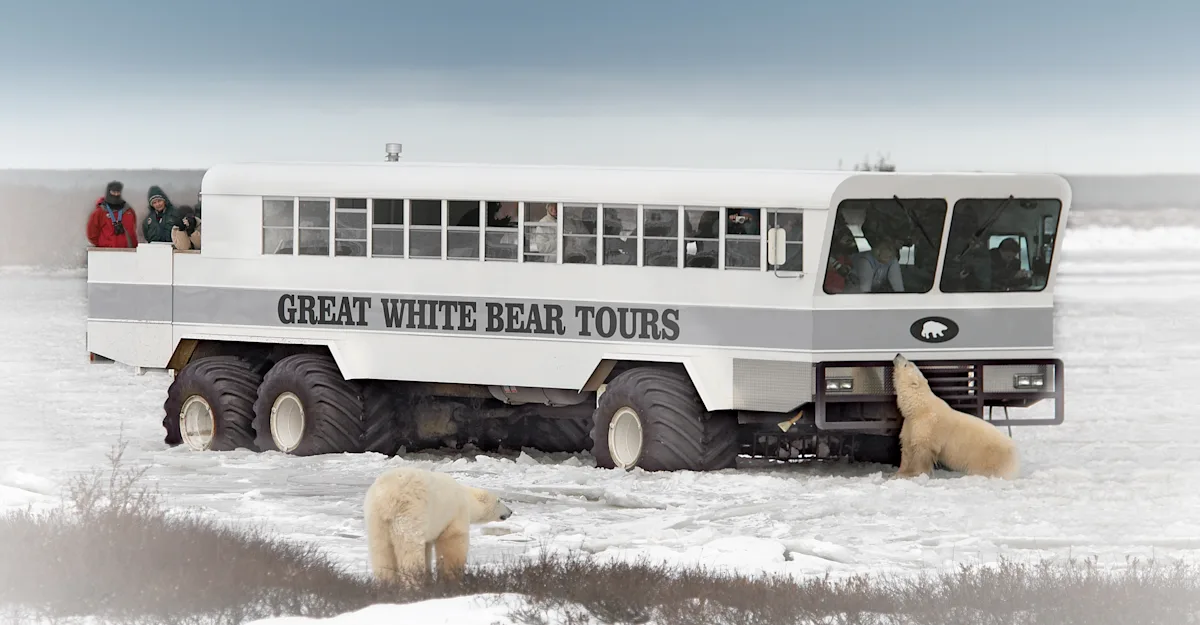
Our itineraries follow natural rhythms: the seasonal flood pulse of the Amazon Basin, polar bear movements along Hudson Bay, wildflower blooms across the Patagonia steppe. Departure timing reflects ecological patterns rather than sightseeing convenience.
This approach increases meaningful wildlife encounters while reducing unnecessary transit. You spend more time in prime habitat, observing animal behavior shaped by season, migration and light. Conservation travel depends on this alignment with science and landscape.
Private Access & Remote Locations
From charter flights into Alaska’s Katmai Coast to private concessions in Botswana’s Okavango Delta, Nat Hab routes extend well beyond main tourist corridors. We operate in remote regions where sustainable tourism supports habitat protection and biodiversity conservation.
These landscapes are protected in part because responsible travel provides economic value tied directly to preservation. Access is carefully managed. Visitor numbers are controlled. Conservation remains the priority.
Intimate Itineraries for Every Type of Explorer
From our classic Nature Journeys to specialized Photo Expeditions and Women’s Journeys, every departure begins with the same foundation: meaningful wildlife encounters in places where conservation guides access.
Nature Journeys are designed for travelers who want extended time in the field—watching animal behavior unfold, following seasonal patterns and settling into the rhythm of a landscape. Photo Expeditions are timed for exceptional light and peak wildlife activity, allowing photographers to work patiently in prime habitat with expert photography instruction. Women’s Journeys bring together small groups in wild settings that encourage connection, confidence and shared discovery.
Each itinerary is grounded in responsible wildlife travel within protected and conservation-managed landscapes. The experience may vary; the commitment to conservation remains constant.
Immersive Wildlife Experiences in the Planet’s Wildest Places
Brown bears feeding along a coastal meadow in Alaska. Wildebeest crossing open plains during migration. Jaguars moving silently along Pantanal riverbanks. Travel in these regions places you within functioning ecosystems where conservation measures allow wildlife to persist at scale.
These encounters are the outcome of intentional route design, ecological timing and long-term partnerships that prioritize habitat protection. Conservation travel works when access strengthens preservation.
With Nat Hab, exclusive means access shaped by conservation science, partnership and purpose. It means traveling deeper into wild landscapes while contributing to their long-term resilience.
Frequently Asked Questions
What makes Nat Hab itineraries “exclusive”?
Routes include private reserves, roadless regions and conservation lands not open to general tourism. Access is made possible through long-term conservation partnerships and local agreements that prioritize habitat protection.
Does “going farther afield” mean more travel time?
No. Itineraries are designed to reduce transit and maximize time in prime wildlife habitat through charter flights and region-specific routing.
How are itineraries timed for wildlife?
Trips are scheduled around seasonal patterns such as migrations, breeding cycles and water levels rather than fixed sightseeing stops.
Who are these itineraries best suited for?
Travelers who prioritize wildlife access and extended time in nature over resort-style amenities or fast-paced travel.
How does this approach support conservation?
Operating in remote regions and private conservation areas creates economic incentives tied directly to habitat protection, biodiversity conservation and responsible tourism management.