Good Nature Travel Blog

3402 stories

  • Nature & Wildlife

    Nature’s Medicines

    Jun 2, 2026 · Candice Gaukel Andrews

    Today, it might sound hyperbolic to say to the majority of us who are living in urban surroundings that nature’s animals and plants are essential for human survival. But it’s truly not over the top. Nature acts as a crucial life-support system that provides us with breathable oxygen, clean water, food and medicines.
  • Asia & The Pacific

    The Four Sisters: China’s Mythic Creatures & Wild Landscapes

    May 31, 2026 · Emily Goodheart

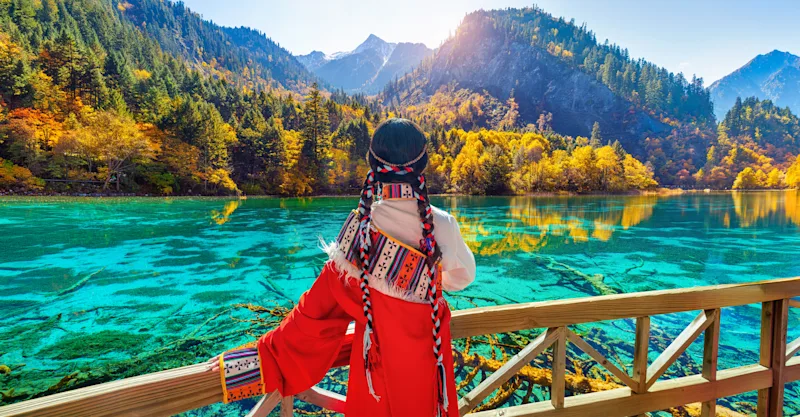
    Siguniangshan National Park, a UNESCO World Heritage Site, is steeped in mysticism, a realm of glassy lakes, ancient cypress forests and sacred pagodas. The towering Mount Siguniang, also known as Four Sisters Mountain, looms over verdant valleys, alpine meadows and murmuring streams, earning the area its reputation as the “Chinese Alps.”

  • Europe

    Handcrafted Greece: Food, Wine & Living Traditions of the Peloponnese

    May 26, 2026 · Rebecca Self

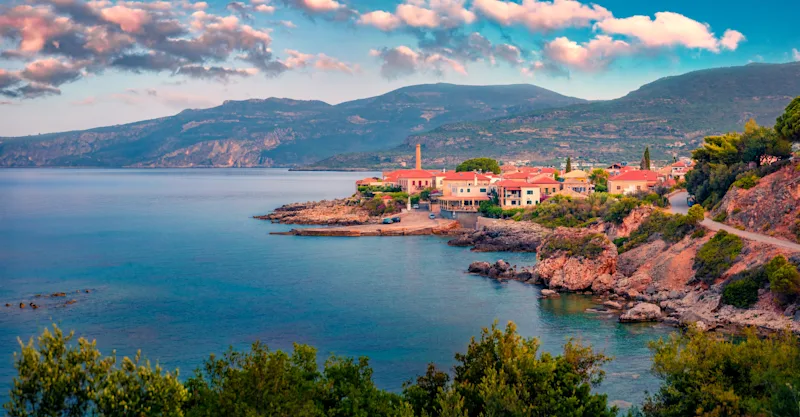
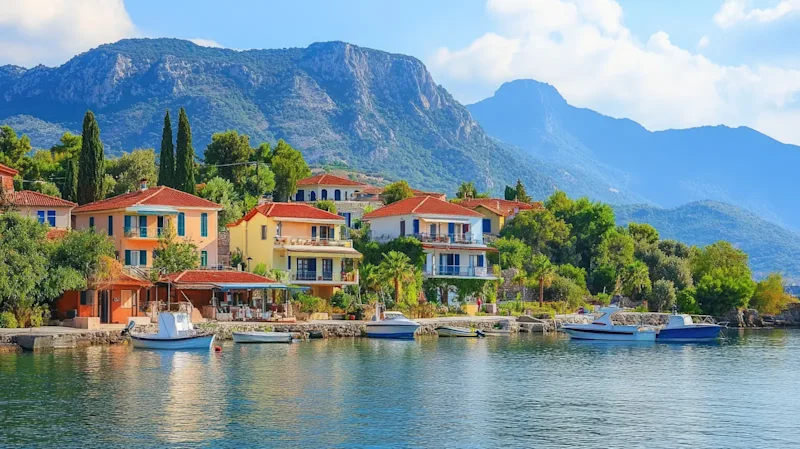
    In the oak forests around Arcadia, lunch might begin with a furry nose to forested ground. In Greek mythology, Arcadia is a rustic paradise where Hermes and Pan lived in harmony with nature. It’s featured prominently in literary and musical classics by authors and composers from Virgil to Shakespeare to Claude Debussy.

  • Nature & Wildlife

    The Unsung Giants Among Us

    May 26, 2026 · Candice Gaukel Andrews

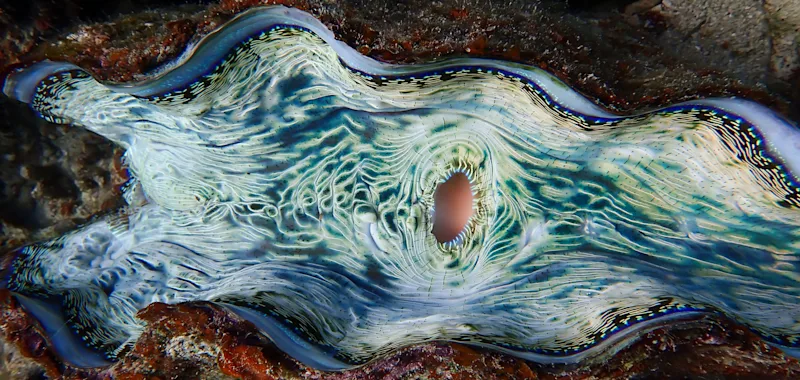
    If you were asked to name a giant that now lives among us, you might immediately think of an African elephant, a blue whale, a mountain gorilla, a polar bear or a rhinoceros. There are, however, some other, lesser-known—but fascinating—leviathans in our midst.

  • African Safaris

    Through the Lens: Wildlife and Wilderness on Nat Hab’s Epic Botswana & Namibia Safari

    May 20, 2026 · Samantha Miller

    If you’re passionate about wildlife photography or simply want to sharpen your skills, Nat Hab’s Epic Botswana & Namibia Safari offers an extraordinary chance to do so. With expert naturalist guides and exclusive access to private reserves, guests enjoy rare opportunities for photography—from remote desert landscapes to predator-rich wetlands.

  • Canada & the North

    Traveler Story: Bear Witness to Greenland

    May 20, 2026 · Natural Habitat Adventures

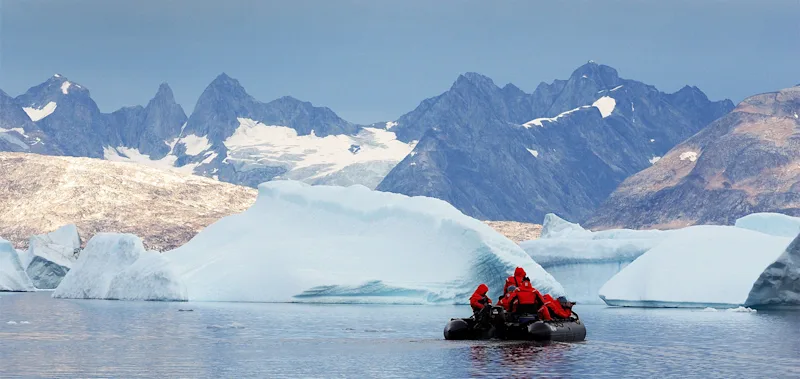
    Words By Nat Hab Traveler Kelley McKinnon and Photos By Our Expedition Leaders A photograph of an iceberg captures nothing of its essence or its presence. But then, two-dimensional snapshots never convey the physical grandeur of something with depth and height.

  • Asia & The Pacific

    Magical Encounters in New Zealand’s Lake Moeraki: Kea, Penguins, Glowworms and More

    May 19, 2026 · Samantha Miller

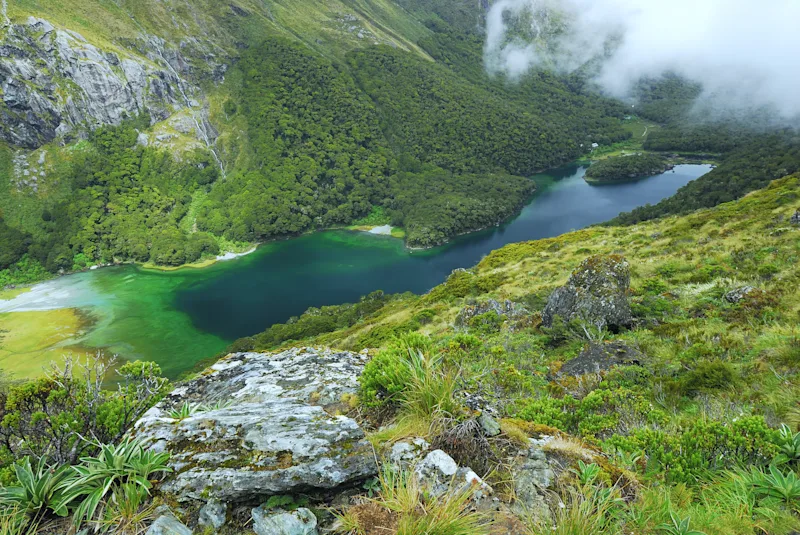
    Visit Lake Moeraki, and witness the movements of some of the world’s rarest species. This is a destination for nature lovers, active travelers and anyone seeking wild New Zealand! The mountain range that runs the length of New Zealand’s South Island marks the contact zone of the Indo-Australian and Pacific continental plates.

  • Nature & Wildlife

    People Making Positive Change for the Planet

    May 19, 2026 · Candice Gaukel Andrews

    More-than-human animals predate humans on Earth by approximately 500 million to more than 800 million years. While modern humans (Homo sapiens) have existed for only about 300,000 years, the first animal life (likely sponges) appeared in the ocean hundreds of millions of years prior to the human lineage.

  • African Safaris

    7 Reasons You Should Make Namibia Your Next Destination

    May 18, 2026 · WWF

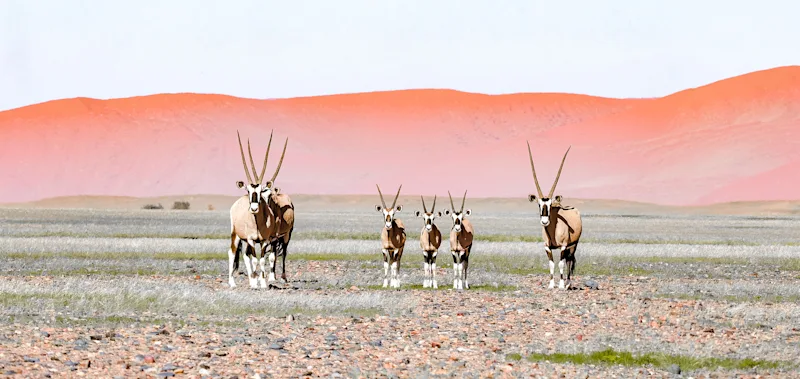
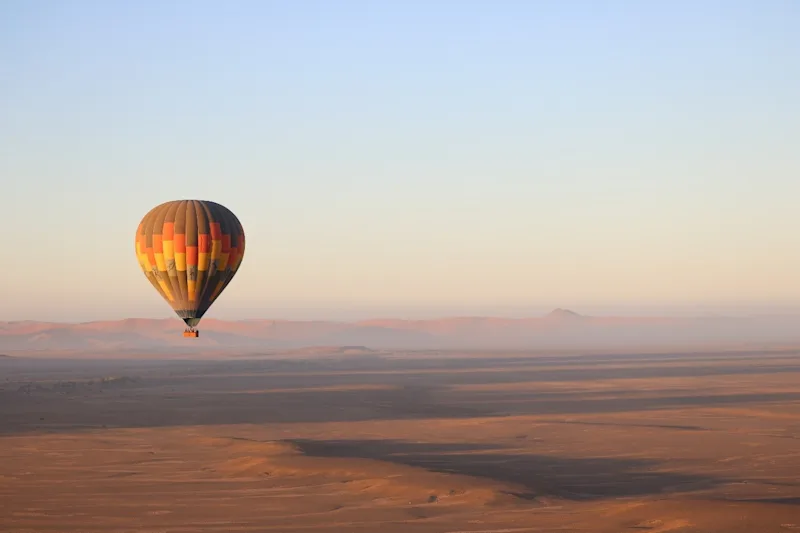
    Narrowing down your options for an African safari can be tough, but if you ask me, I’d move Namibia to the top of your travel list. Stretching along the southwest coast of Africa, Namibia is home to the Namib—the world’s oldest desert—and some of the continent’s most striking scenery.

  • Asia & The Pacific

    In the Land of Glowing Skies: Kiwi Conservation in New Zealand

    May 16, 2026 · Cathy Brown

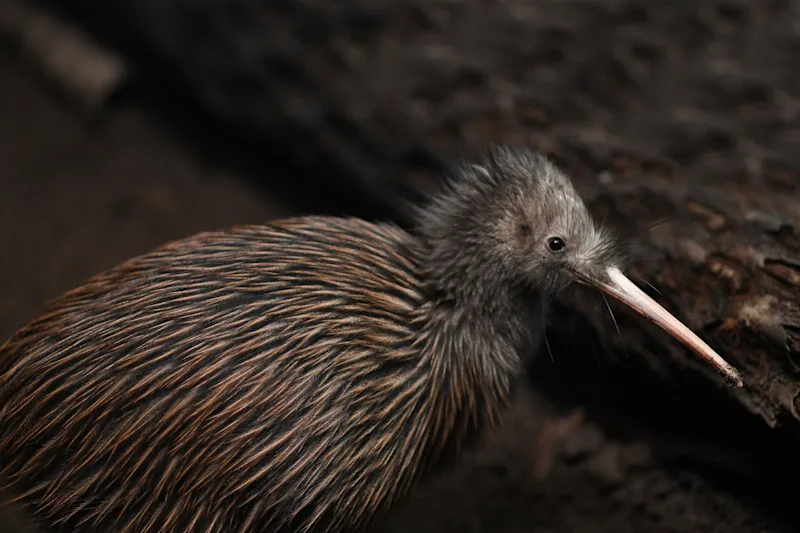
    Long before people around the world began referring to New Zealanders as “kiwis,” the indigenous Maori held the kiwi bird in high regard. They called this elusive, flightless bird—found burrowing through forests, scrublands and grasslands—the hidden bird of Tane, the god of the forest: te manu huna a Tane.