Good Nature Travel Blog

  • Conservation

    Environmental DNA Is Revolutionizing Wildlife Conservation

    Jun 16, 2026 · Candice Gaukel Andrews

    From personal testing to discover your roots, connect with long-lost relatives and discover hidden family secrets to blockbuster sci-fi stories and cold-case forensics TV dramas, DNA (deoxyribonucleic acid) has never been more popular. In essence, it is the primary hereditary molecule in almost all living organisms.

  • Conservation

    Savoring and Saving Summer Beaches

    Jun 9, 2026 · Candice Gaukel Andrews

    Summer will arrive soon, and that means that a lot of you will be thinking about a sunny beach vacation.

  • Nature & Wildlife

    Nature’s Medicines

    Jun 2, 2026 · Candice Gaukel Andrews

    Today, it might sound hyperbolic to say to the majority of us who are living in urban surroundings that nature’s animals and plants are essential for human survival. But it’s truly not over the top. Nature acts as a crucial life-support system that provides us with breathable oxygen, clean water, food and medicines.

  • Nature & Wildlife

    People Making Positive Change for the Planet

    May 19, 2026 · Candice Gaukel Andrews

    More-than-human animals predate humans on Earth by approximately 500 million to more than 800 million years. While modern humans (Homo sapiens) have existed for only about 300,000 years, the first animal life (likely sponges) appeared in the ocean hundreds of millions of years prior to the human lineage.

  • African Safaris

    7 Reasons You Should Make Namibia Your Next Destination

    May 18, 2026 · WWF

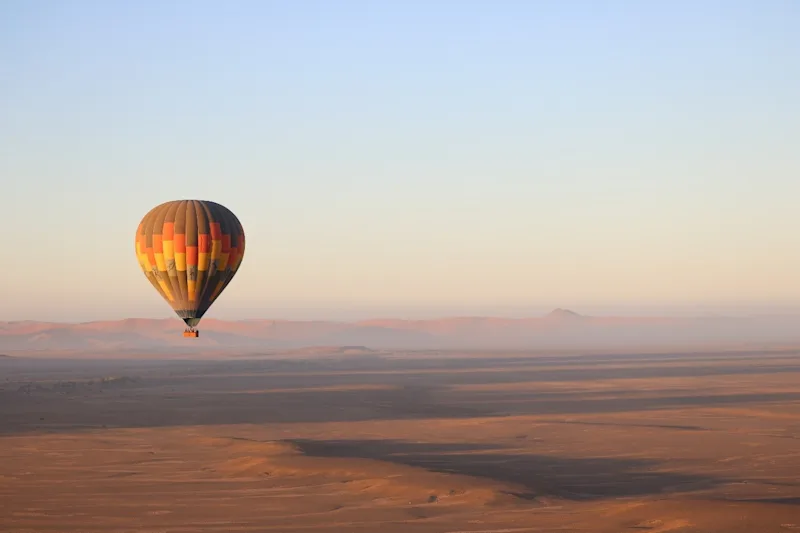
    Narrowing down your options for an African safari can be tough, but if you ask me, I’d move Namibia to the top of your travel list. Stretching along the southwest coast of Africa, Namibia is home to the Namib—the world’s oldest desert—and some of the continent’s most striking scenery.

  • Asia & The Pacific

    Borneo’s Wildlife: What’s at Risk and Why We Must Act Now

    Apr 28, 2026 · WWF

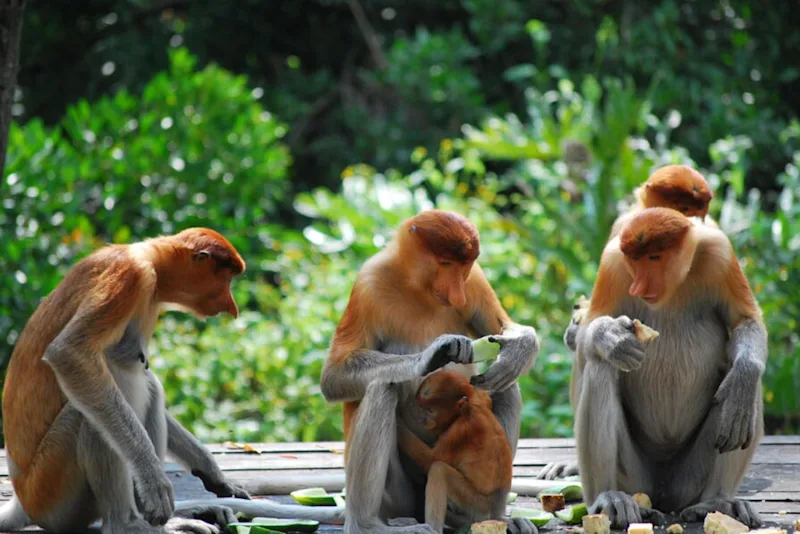
    —By Whitney Kent, WWF Many people haven’t even heard of Borneo. Others may say, “Borneo! Wait…where is Borneo?” The latter was the typical reaction when I said I was joining WWF’s travel partner, Natural Habitat Adventures, to this Southeast Asian Island, jointly shared by Malaysia, Indonesia and Brunei.

  • Nature & Wildlife

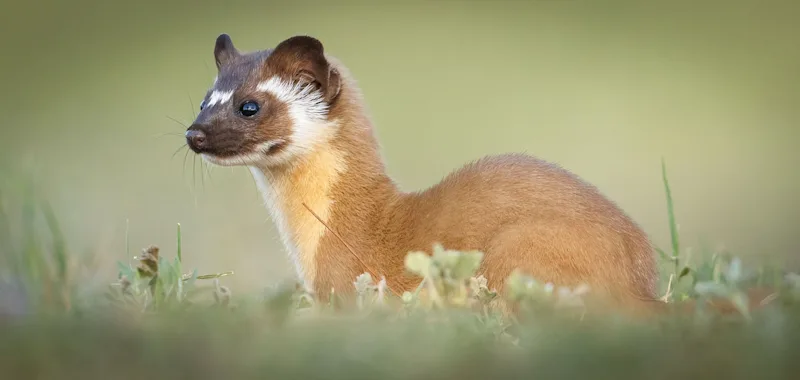
    The Powers and Potentials of Small Mammals

    Apr 28, 2026 · Candice Gaukel Andrews

    The decline of charismatic and large animals like lions and pandas often captures global attention, but a quieter and perhaps more damaging crisis is unfolding among those that are smaller. These bitty beings are disappearing at alarming rates, and their loss can have outsize consequences for biodiversity. But don’t count these small bodies out yet.

  • Conservation

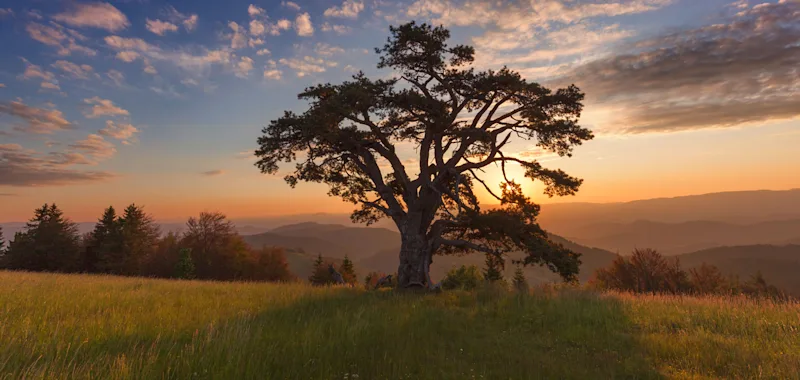
    Arbor Day 2026: Honoring the Damaged, Logged and Old Trees

    Apr 21, 2026 · Candice Gaukel Andrews

    On National Arbor Day—which this year is on April 24—we typically recognize forests and trees for their essential roles in conserving soils, providing oxygen, reducing energy consumption through shade and serving as wildlife habitats.

  • Alaska

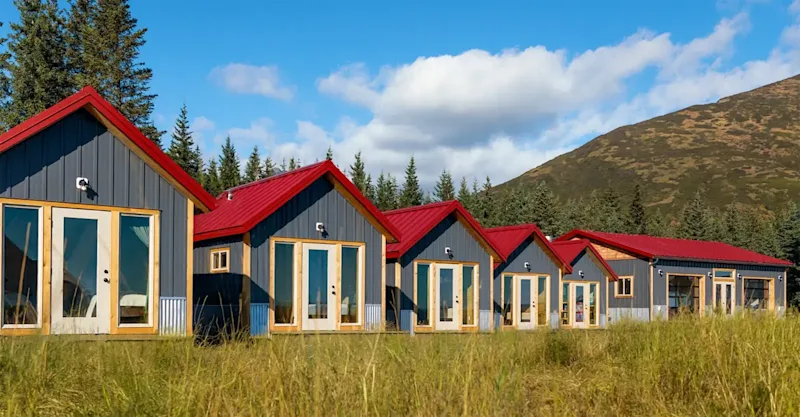
    A Gathering Place: Nat Hab’s Alaska Bear Camp

    Apr 14, 2026 · WWF

    Alaska has always carried a certain mythos in my mind—its rugged wilderness, untamed landscapes and wildlife larger than life itself. For years, I heard tales of its vast beauty and isolation, as though it were a last frontier where nature still reigns supreme.

  • Nature & Wildlife

    Animal Creativity and International Haiku Poetry Day

    Apr 7, 2026 · Candice Gaukel Andrews

    This year, International Haiku Poetry Day is on April 17. Traditionally, haiku is a Japanese poetic form that takes the natural world and the seasons as its primary subject matter. It acts as a concise form of environmental literature, emphasizing direct observation, sensory details and an appreciation for the transient beauty of the natural world.

  • Nature & Wildlife

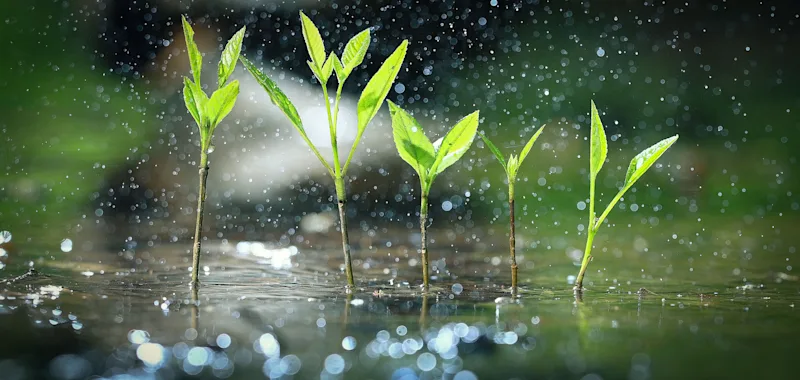
    Rains and Renewable Energy

    Mar 31, 2026 · Candice Gaukel Andrews

    Rain can be thought of as a common weather phenomenon, but it plays a vital role in keeping the Earth’s ecosystems running and our lives healthy. Whether it’s a mild drizzle or a heavy downpour, rain affects the environment, shapes landscapes and even influences our emotions. Rain, though, has some lesser-known and surprising facets.