Good Nature Travel Blog

  • Conservation

    Environmental DNA Is Revolutionizing Wildlife Conservation

    Jun 16, 2026 · Candice Gaukel Andrews

    From personal testing to discover your roots, connect with long-lost relatives and discover hidden family secrets to blockbuster sci-fi stories and cold-case forensics TV dramas, DNA (deoxyribonucleic acid) has never been more popular. In essence, it is the primary hereditary molecule in almost all living organisms.

  • Conservation

    Savoring and Saving Summer Beaches

    Jun 9, 2026 · Candice Gaukel Andrews

    Summer will arrive soon, and that means that a lot of you will be thinking about a sunny beach vacation.

  • Nature & Wildlife

    Nature’s Medicines

    Jun 2, 2026 · Candice Gaukel Andrews

    Today, it might sound hyperbolic to say to the majority of us who are living in urban surroundings that nature’s animals and plants are essential for human survival. But it’s truly not over the top. Nature acts as a crucial life-support system that provides us with breathable oxygen, clean water, food and medicines.

  • Nature & Wildlife

    The Unsung Giants Among Us

    May 26, 2026 · Candice Gaukel Andrews

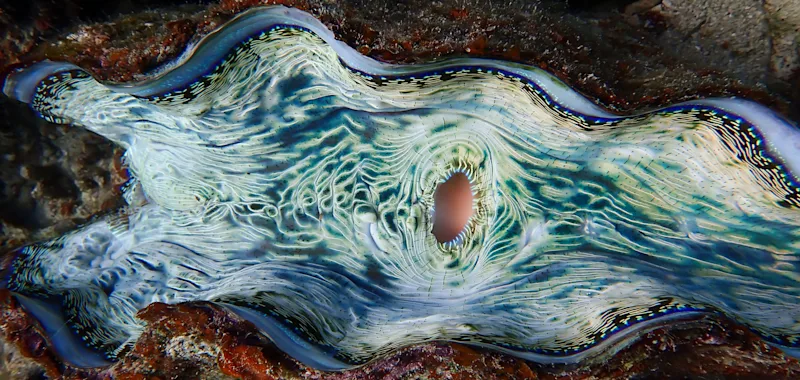
    If you were asked to name a giant that now lives among us, you might immediately think of an African elephant, a blue whale, a mountain gorilla, a polar bear or a rhinoceros. There are, however, some other, lesser-known—but fascinating—leviathans in our midst.

  • African Safaris

    7 Reasons You Should Make Namibia Your Next Destination

    May 18, 2026 · WWF

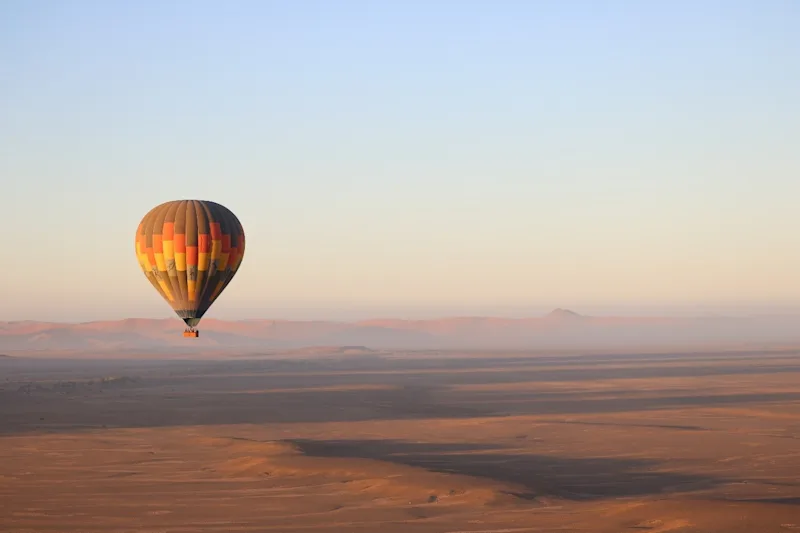
    Narrowing down your options for an African safari can be tough, but if you ask me, I’d move Namibia to the top of your travel list. Stretching along the southwest coast of Africa, Namibia is home to the Namib—the world’s oldest desert—and some of the continent’s most striking scenery.

  • Asia & The Pacific

    In the Land of Glowing Skies: Kiwi Conservation in New Zealand

    May 16, 2026 · Cathy Brown

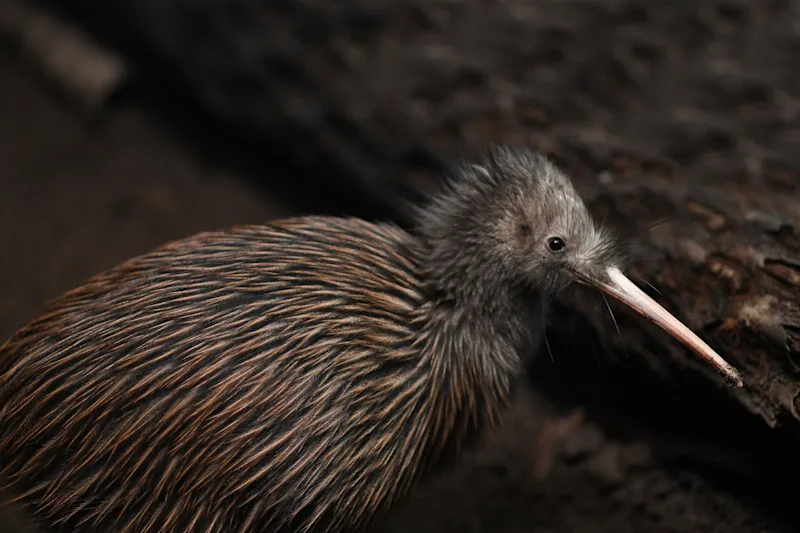
    Long before people around the world began referring to New Zealanders as “kiwis,” the indigenous Maori held the kiwi bird in high regard. They called this elusive, flightless bird—found burrowing through forests, scrublands and grasslands—the hidden bird of Tane, the god of the forest: te manu huna a Tane.

  • Nature & Wildlife

    New Insights into Animal Behavior

    May 5, 2026 · Candice Gaukel Andrews

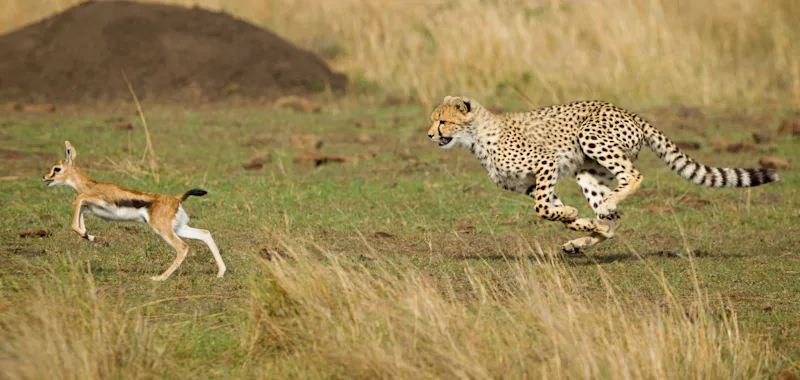
    It’s typically said that animal behavior is the result of biology and environment. The responses of wildlife are driven by the primal urges to survive and reproduce; or are triggered by internal or external cues, such as the appearance of a nearby threat.

  • Nature & Wildlife

    The Powers and Potentials of Small Mammals

    Apr 28, 2026 · Candice Gaukel Andrews

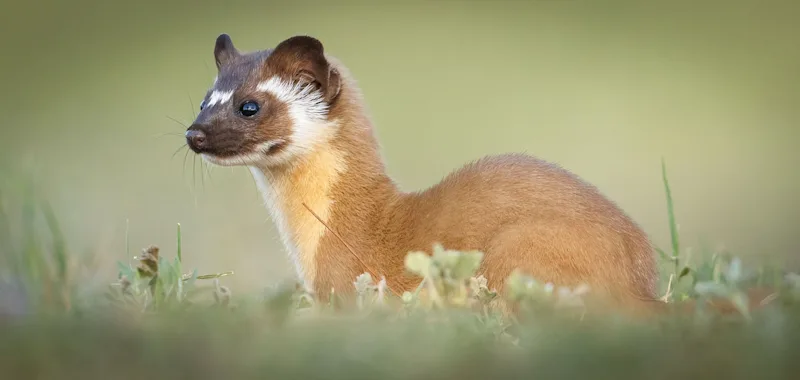
    The decline of charismatic and large animals like lions and pandas often captures global attention, but a quieter and perhaps more damaging crisis is unfolding among those that are smaller. These bitty beings are disappearing at alarming rates, and their loss can have outsize consequences for biodiversity. But don’t count these small bodies out yet.

  • Alaska

    A Gathering Place: Nat Hab’s Alaska Bear Camp

    Apr 14, 2026 · WWF

    Alaska has always carried a certain mythos in my mind—its rugged wilderness, untamed landscapes and wildlife larger than life itself. For years, I heard tales of its vast beauty and isolation, as though it were a last frontier where nature still reigns supreme.

  • Nature & Wildlife

    Animal Creativity and International Haiku Poetry Day

    Apr 7, 2026 · Candice Gaukel Andrews

    This year, International Haiku Poetry Day is on April 17. Traditionally, haiku is a Japanese poetic form that takes the natural world and the seasons as its primary subject matter. It acts as a concise form of environmental literature, emphasizing direct observation, sensory details and an appreciation for the transient beauty of the natural world.