Nature & Wildlife

1183 stories

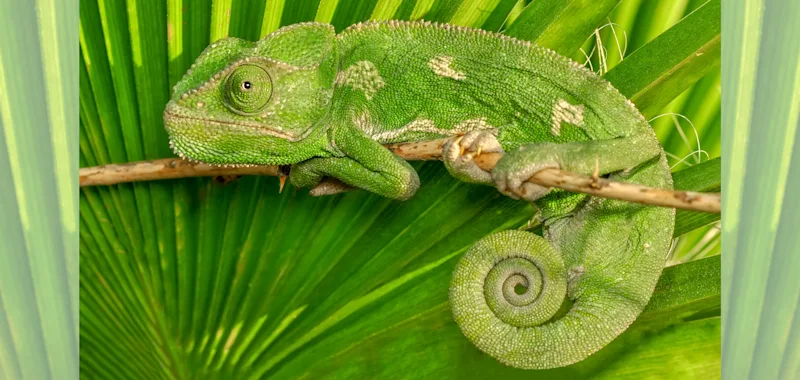
  • The Ears of Animals

    Feb 17, 2026 · Candice Gaukel Andrews

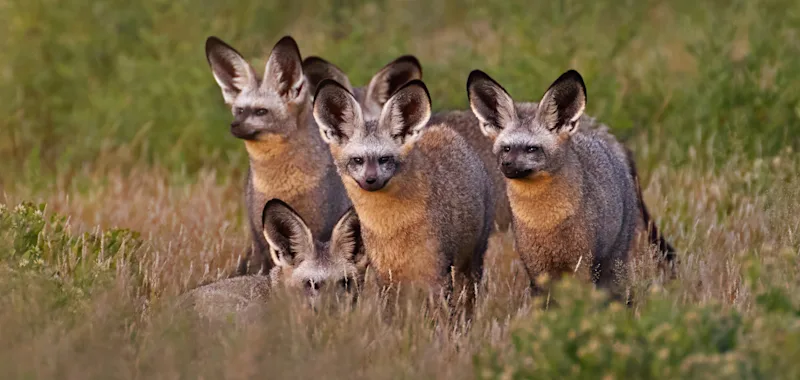
    Because it’s so automatic, hearing is a sense that is often taken for granted. However, it’s a crucial sensory system for humans and other animals, acting as a primary tool for survival by detecting threats, locating food and enabling communication, often functioning even in darkness or over long distances.
  • Fantastic Birds and Where to Find Them

    Feb 12, 2026 · Cathy Brown

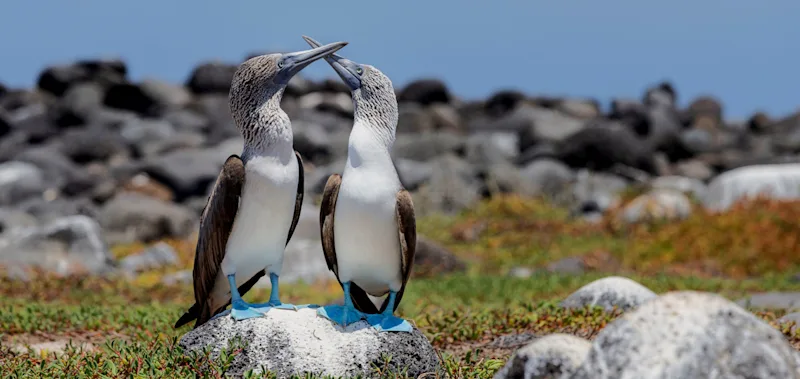
    From the soaring Andean condor in Patagonia to the rainbow flash of a lilac-breasted roller on safari, birds are a highlight of Nat Hab trips across the globe. Their colors, songs and surprising behaviors draw us into the ecosystems they inhabit—and once you start noticing birds, you notice everything else more closely too.

  • Across the Serengeti: East Africa’s Great Migration

    Feb 11, 2026 · Chinwe Kalu

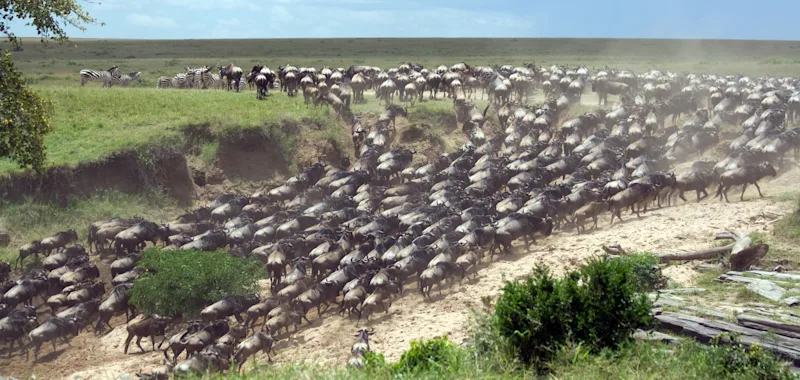
    Every year, a pulse begins in the heart of East Africa. It starts as a low vibration on the open plains, a sound like distant thunder rolling across the grasslands. Then, the land itself begins to move. Columns of wildebeest, more than a million strong, flow across the horizon in search of fresh, rain-fed grass.

  • Valentine’s Day: Loving Animals

    Feb 10, 2026 · Candice Gaukel Andrews

    Every February 14th, we celebrate Valentine’s Day, a time that has become synonymous with emotional connections and loving relationships. It’s often marked by romantic gestures, such as giving chocolates or flowers, writing a love letter, preparing a candlelight dinner, holding hands—or kissing.

  • The Eyes of Animals

    Feb 3, 2026 · Candice Gaukel Andrews

    Eyes are our primary sensory organs, allowing us to perceive about 80% of incoming information, to navigate safely and to perform daily tasks like reading and work, while also acting as vital indicators for our overall physical health. They’re also central to our nonverbal communication.

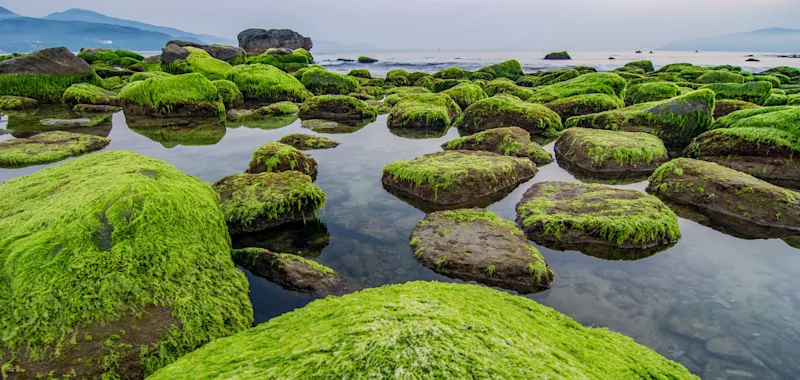
  • Minuscule Mosses and Their Truly Tall Talents

    Jan 27, 2026 · Candice Gaukel Andrews

    Small plants like mosses rarely draw our attention. Many moss species grow close to the ground in damp, shaded environments and are no wider than an eyelash. Despite their modest appearance, however, these plants have some formidable capabilities.

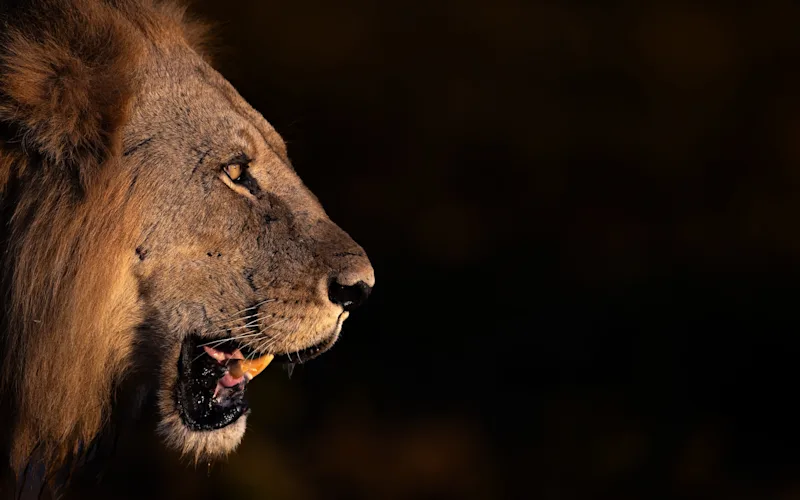
  • Mouths of Africa’s Maasai Mara: 9 Winning Wildlife Smiles

    Jan 26, 2026 · WWF

    The grasslands of Kenya’s Maasai Mara sweep you off your feet with surreal scenery and celebrated wildlife. During the Great Migration, millions of wildebeest and hundreds of thousands of zebras and other ungulates move through the landscape, feeding on the grasses and, in turn, providing food for hungry carnivores.

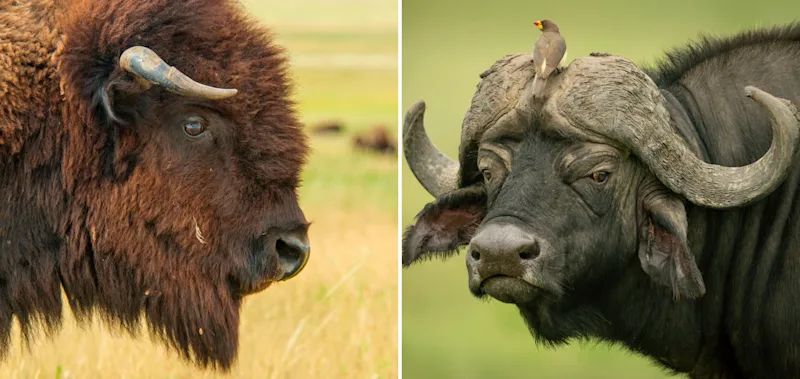
  • What’s the Difference Between Bison and Buffalo?

    Jan 25, 2026 · Joe Yogerst

    Other than the bald eagle, there is no more iconic American animal than the buffalo. Buffalo is the name of two dozen U.S. towns and one large city. Buffalo nickels filled many a piggy bank in the early 20th century.

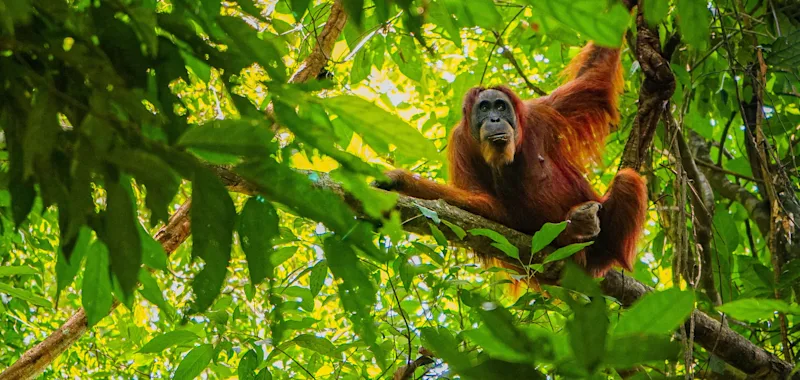
  • Orangutans Show Us a Better Way of Eating

    Jan 20, 2026 · Candice Gaukel Andrews

    How are you progressing on your New Year’s resolutions? If you’re like most people, you gave up on them surprisingly fast, with the second Friday in January often called “Quitter’s Day,” because many abandon goals by then. By the second week of February, an estimated 80% of people have scrapped their ambitions.

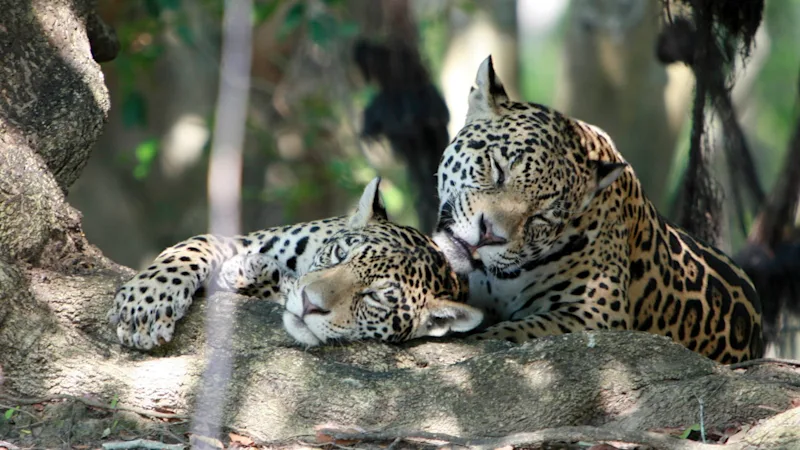
  • What’s the Difference Between Jaguars, Leopards and Black Panthers?

    Jan 15, 2026 · Cathy Brown

    Jaguar vs. Leopard: How to Tell These Spotted Big Cats Apart in the Wild On Nat Hab’s Brazil Pantanal adventure, guests often enjoy close, extended encounters with wild jaguars—one of the few places on Earth where this apex predator can be reliably observed.