Nature & Wildlife

1183 stories

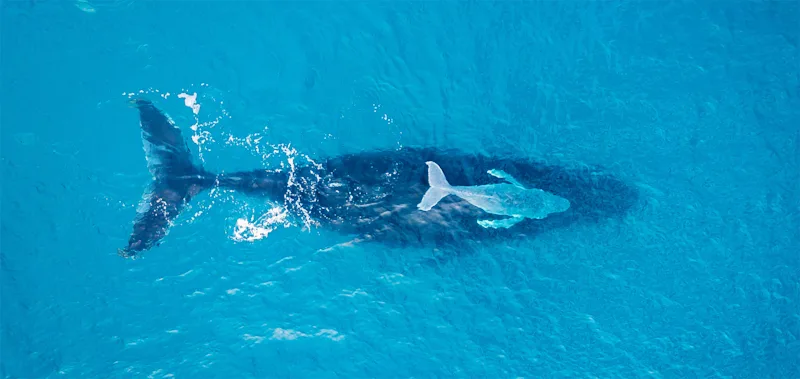
  • Great Migrations: 4 Migratory Species Success Stories

    Jan 13, 2026 · Rebecca Self

    In the vast tapestry of life that crisscrosses the planet, migratory species embroider intricate patterns in mostly invisible lines across borders, oceans and continents. These journeys — shaped by ancient instincts, seasonal rhythms and shifting landscapes — connect ecosystems thousands of miles apart. Some of the world’s most powerful migrations still endure.
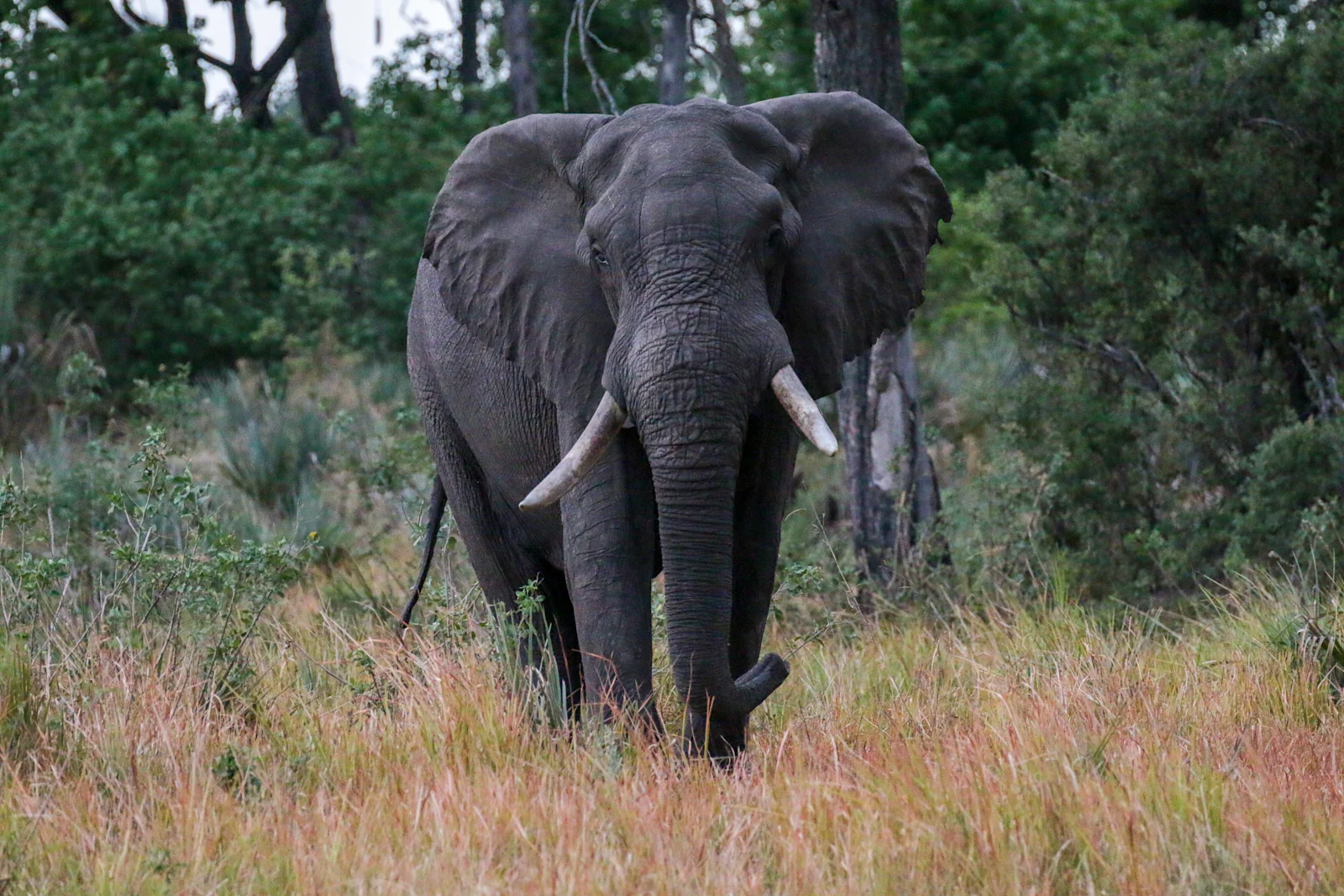
  • Top 8 Wildlife Experiences on an East Africa Safari

    Jan 12, 2026 · Cathy Brown

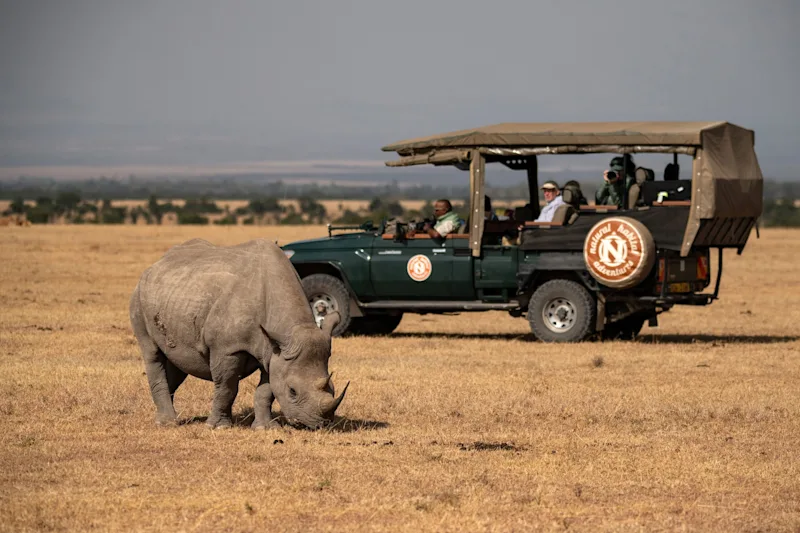
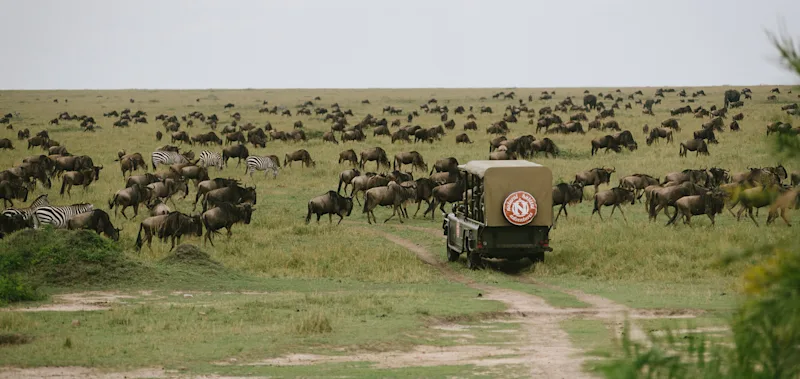
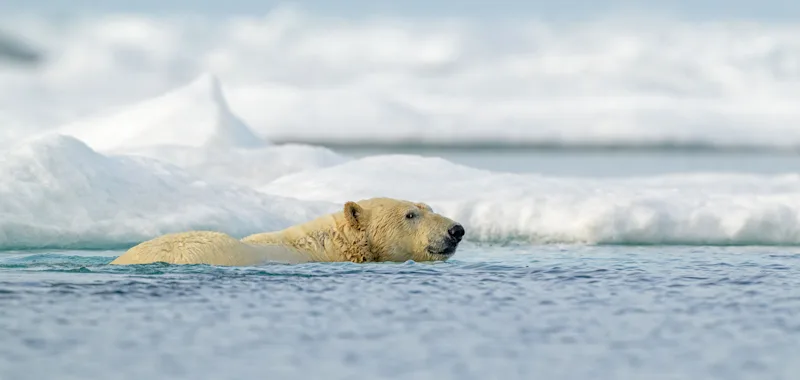
    Africa is a massive continent with astonishing diversity in climate, culture, flora and fauna. But if you’re after the classic safari experience, East Africa is where to focus. At Nat Hab, we love to take curious travelers to Tanzania, Kenya, Uganda and Rwanda.

  • Arctic Adaptations: How Well Can Polar Bears Swim?

    Jan 8, 2026 · Michelle Peters

    You’re standing on the outdoor platform of a Polar Rover, feeling more alert than you have in a long time as the cold Arctic air sharpens your senses. You wait, breath held, for the moment everyone hopes for.

  • The Cure for the Pressures of Modern Life Is Nature

    Jan 6, 2026 · Candice Gaukel Andrews

    The end-of-the-year holidays are once again over. Now, we enter January, famously known as “get-in-shape month.” Typically, this is when we focus on diet plans and gym memberships. But this year, you may want to give your mental health equal priority.

  • Wildlife Abounds in Nepal’s Chitwan National Park

    Jan 1, 2026 · Emily Goodheart

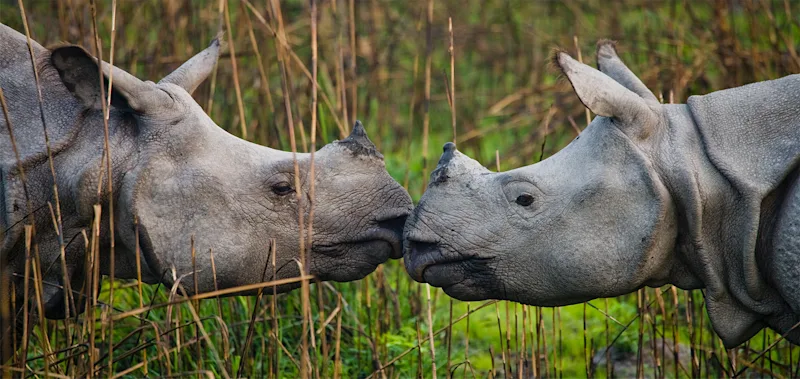
    Chitwan National Park, a UNESCO World Heritage Site, is a vast nature reserve in the southern lowlands of Nepal. Chitwan is Nepal’s first national park, established in 1973, and spans 360 square miles. This ecoregion has a tropical monsoon climate where wildlife abounds from the fertile Inner Terai valleys to the lush Churia Hills.

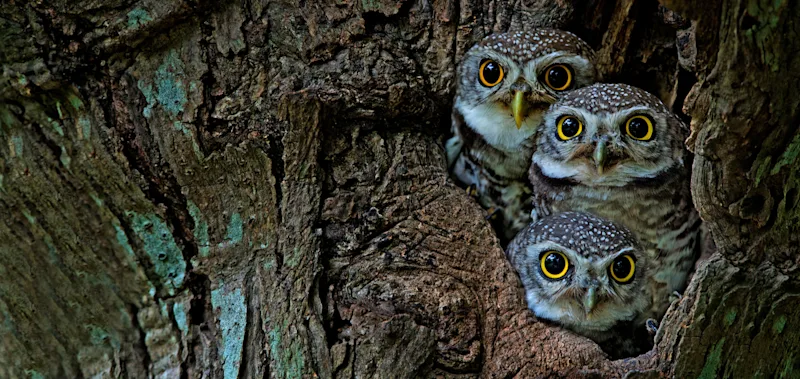
  • Baby Animals in the Wild: Growing Up in India, Nepal and Bhutan

    Dec 31, 2025 · Megan Brief

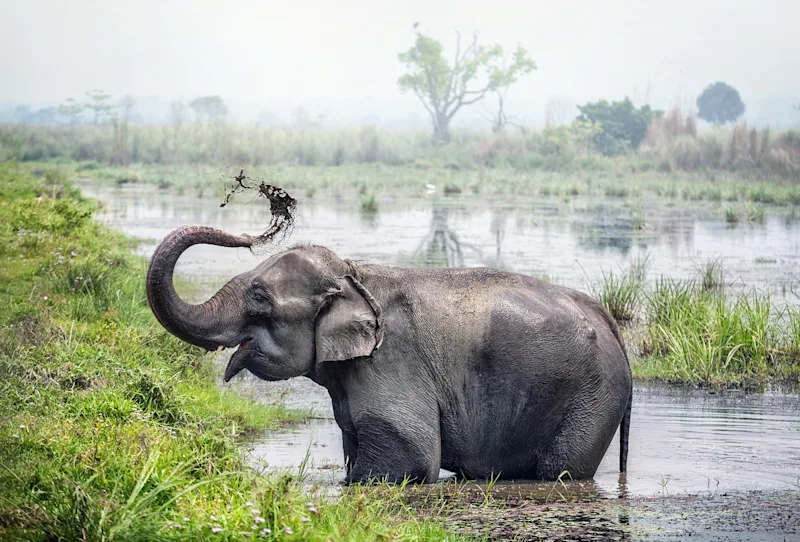
    From the moment they enter the world, Asia’s largest mammals and fiercest predators begin life at their most vulnerable. Whether it’s a newborn elephant learning to control its trunk, a young rhino navigating grasslands with limited sight or a tiger cub relying entirely on its mother’s protection, these early months shape survival.

  • Father Time and Nature’s Defiance of Aging

    Dec 30, 2025 · Candice Gaukel Andrews

    We’ve just about reached the 2025 finish line. Father Time—that elderly, bearded man with an hourglass in one hand and a scythe in the other—will once again make his appearance on December 31 as the symbol of aging, the unstoppable passage of time and the inevitable end of things.

  • Incredible But Imperiled Bird and Caribou Migrations

    Dec 16, 2025 · Candice Gaukel Andrews

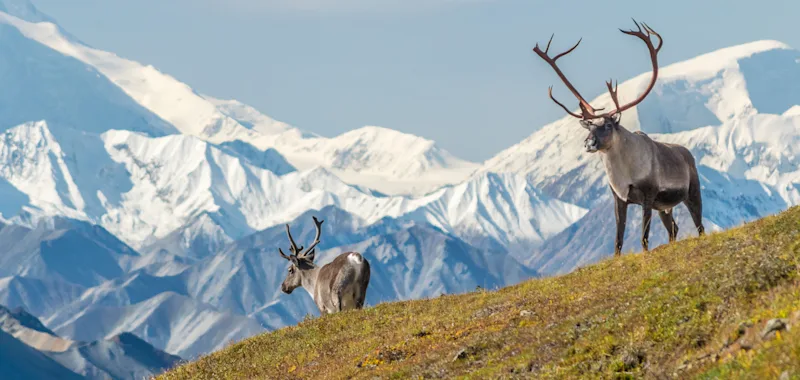
    Migration is a wonderful word. It doesn’t merely mean a physical relocation but is an expression of strength, resilience, the universal desire for well-being and a movement toward hope. I have always thought of migrations as nature in motion.

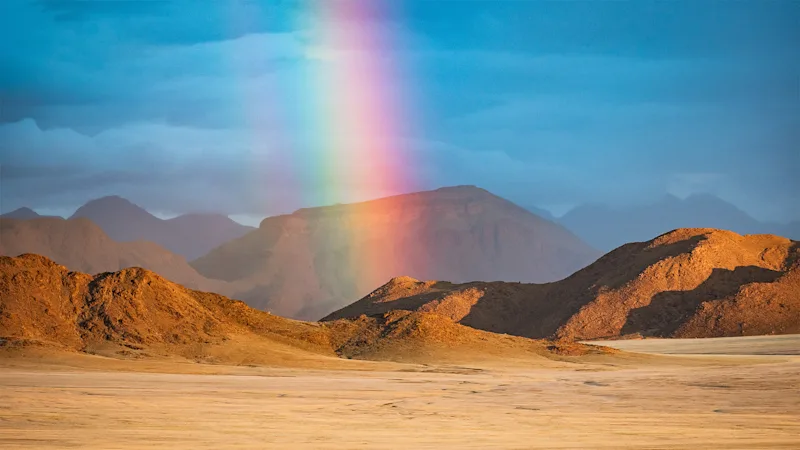
  • A Namibia Safari: 5 Wild Places You Won’t Want to Miss

    Dec 11, 2025 · Natural Habitat Adventures

    By Matt Kareus When most travelers think of an African safari, images of the Serengeti’s migrating herds or Botswana’s lush Okavango Delta usually come to mind. Namibia is different. This is a land of vast deserts, rugged beauty and wildlife that has adapted to some of the driest conditions on Earth.

  • Plant Superpowers and Fungi Flexibilities

    Dec 9, 2025 · Candice Gaukel Andrews

    All organisms on Earth are traditionally placed into six kingdoms of life: Animalia (animals), Archaebacteria (bacteria often found in extreme environments, such as hot springs and hydrothermal vents), Eubacteria (true bacteria), Fungi (molds, mushrooms and yeasts), Protista (algae and amoebas) and Plantae (plants).

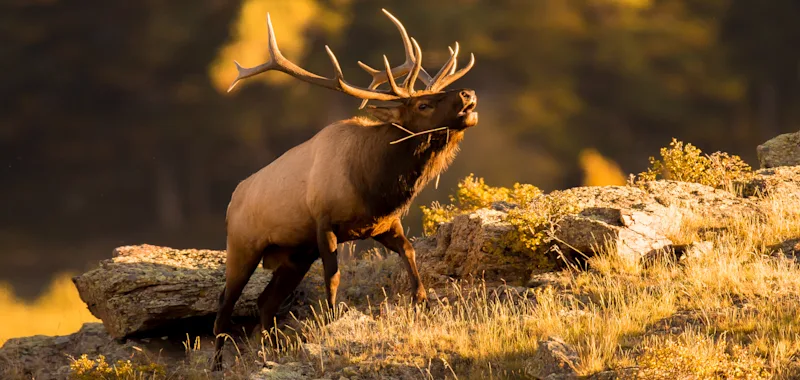
  • Lives of Yellowstone: From Large to Small; Ancient to New

    Dec 5, 2025 · Candice Gaukel Andrews

    Large herbivores—such as bison and elk—have continuously lived in the Yellowstone National Park region for at least 2,300 years, according to a new analysis of chemicals preserved in lake sediments. How have they made their livings and survived for so long?