Wildlife Abounds in Nepal’s Chitwan National Park

Chitwan National Park, a UNESCO World Heritage Site, is a vast nature reserve in the southern lowlands of Nepal. Chitwan is Nepal’s first national park, established in 1973, and spans 360 square miles. This ecoregion has a tropical monsoon climate where wildlife abounds from the fertile Inner Terai valleys to the lush Churia Hills.
Within the Himalayan subtropical broadleaf forests, an exceptional diversity of flora and fauna is found, including 68 mammal species and over 500 bird species, ranging from peafowl and parakeets to kingfishers and crested hornbills.
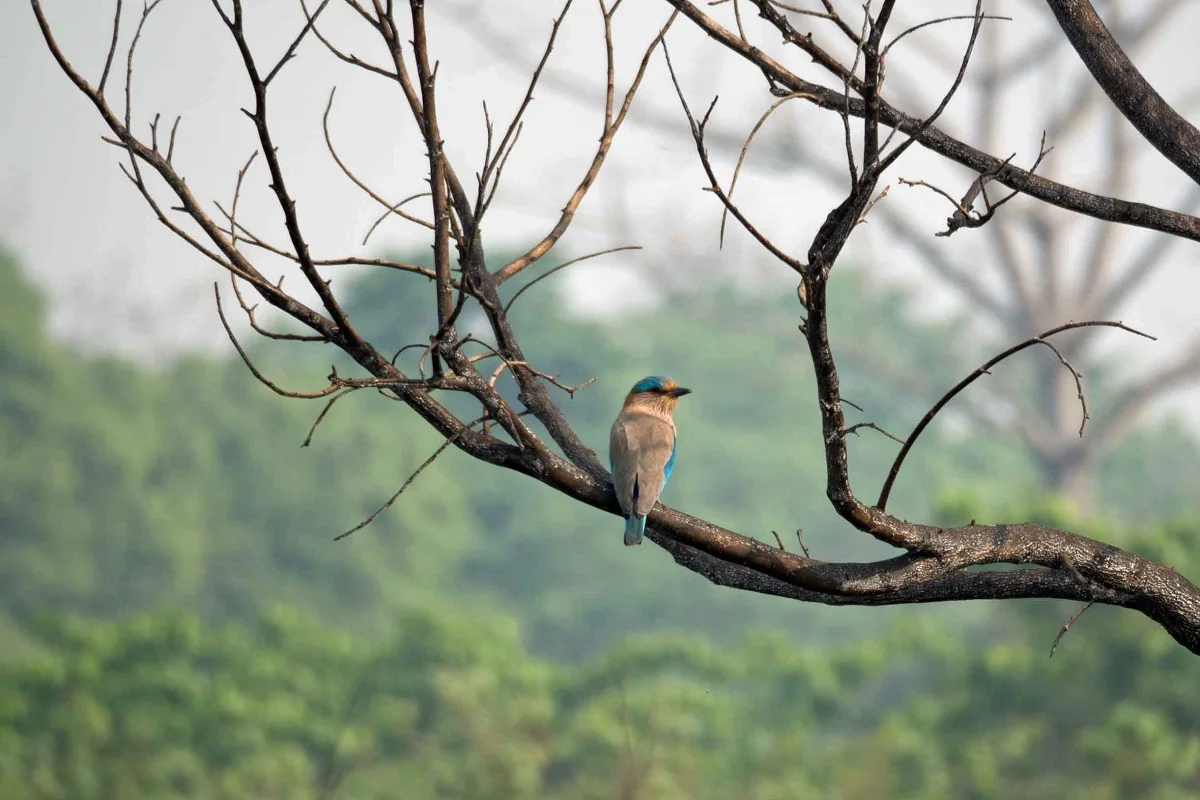
Birdwatchers will be equally enthralled by Indian rollers, jungle owlets, bee-eaters, Bengal pittas, sunbirds, crested serpent eagles and emerald doves. They will also delight in the 60 colorful butterfly species, among them lemon migrants and blue tigers.
Travelers are likely to encounter rhesus macaques and gray langurs as the monkeys chatter and scamper through the underbrush. A variety of hoofed mammals also greet the onlooker, including sambar, hog deer, barking deer, spotted deer, wild boar, nilgai and gaur (Indian bison), the world’s largest bovine species. Guests may also catch a glimpse of a sloth bear ambling through the tall grasses.
Chitwan has one of the highest densities of sloth bears—these insect-loving animals break open termite and ant mounds with their sharp claws and supplement their diet with honeycomb, wood apples and mangoes.
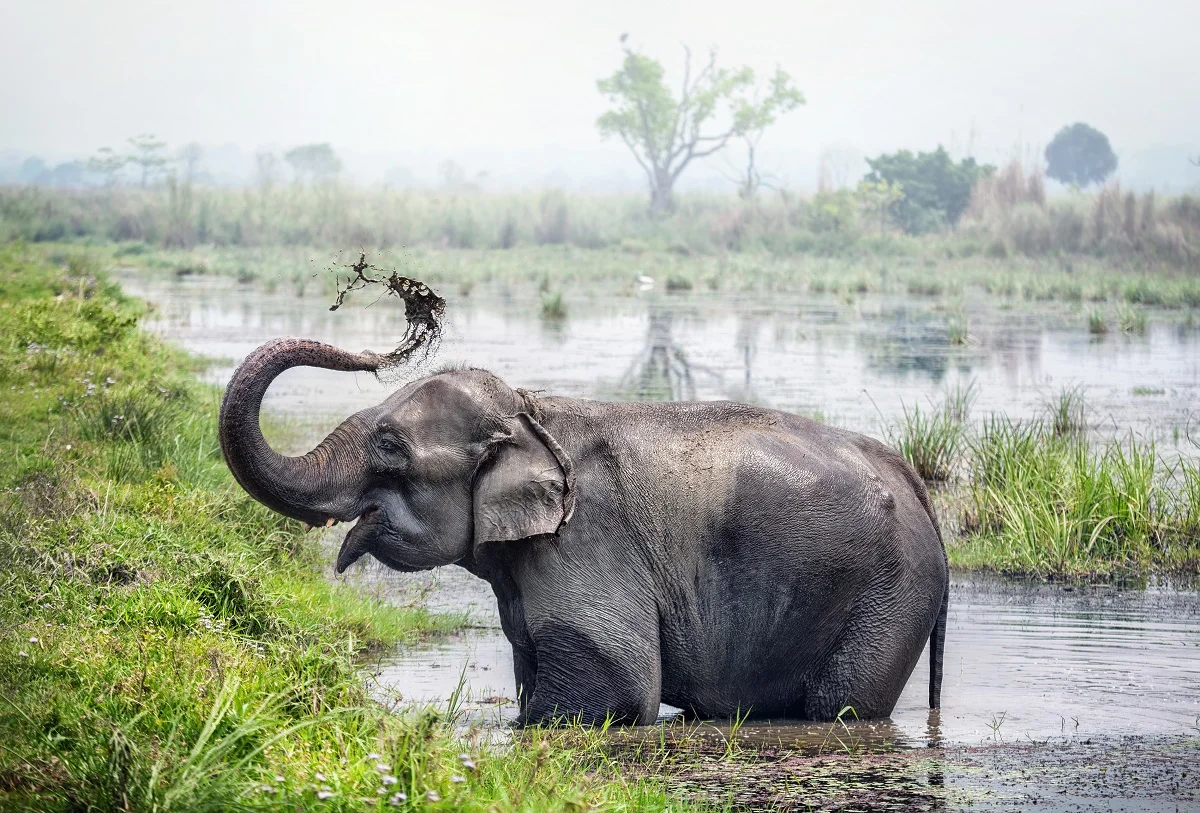
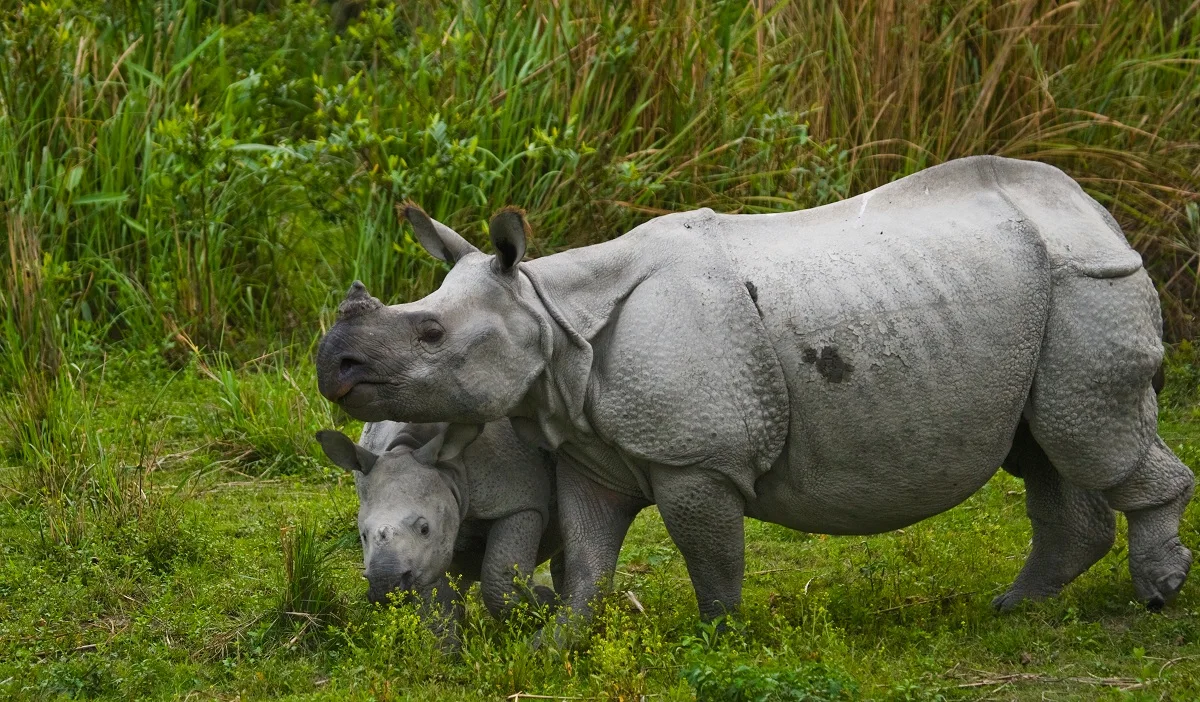
Predators such as striped hyenas, Indian wild dogs, Bengal foxes, palm civets, honey badgers and golden jackals stalk prey among the sal trees, which cover 70% of the park. Asian elephants roam the Terai-Duar savanna and grasslands, along with the park’s most famous resident, the one-horned Indian rhinoceros. Chitwan has the largest population of Indian rhinos in Nepal and is one of the last refuges for this rare pachyderm.
Guided nature walks, 4×4 safari drives and canoeing offer guests secluded excursions into Chitwan’s wild recesses. In the park’s oxbow lakes, swamps and tributaries live marsh crocodiles, Asian water monitor lizards and fluorescent-yellow Indus Valley bullfrogs.
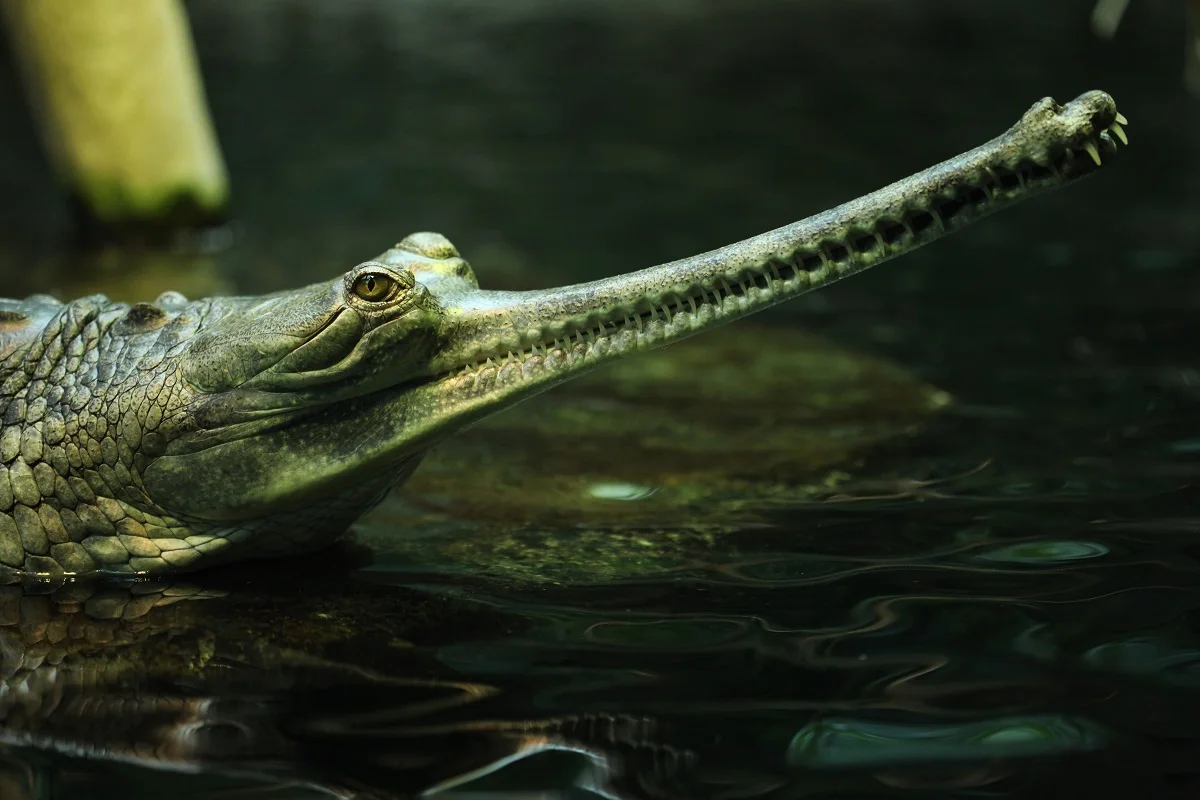
The Narayani River, which originates high in the Himalayas and drains into the Bay of Bengal, is home to one of the few remaining populations of gharial, an endangered fish-eating crocodile. Distinguishable by its long, thin snout, this ancient creature has changed little over the last 100 million years.
The rare Gangetic dolphin, one of the world’s four species of freshwater dolphins, is also found here. It hunts using echolocation and uses its fin to scrape the riverbed while swimming, feeling for prey such as common carp. Over 100 species of fish inhabit this river system, along with aquatic animals such as smooth-coated otters and Ganges softshell turtles.
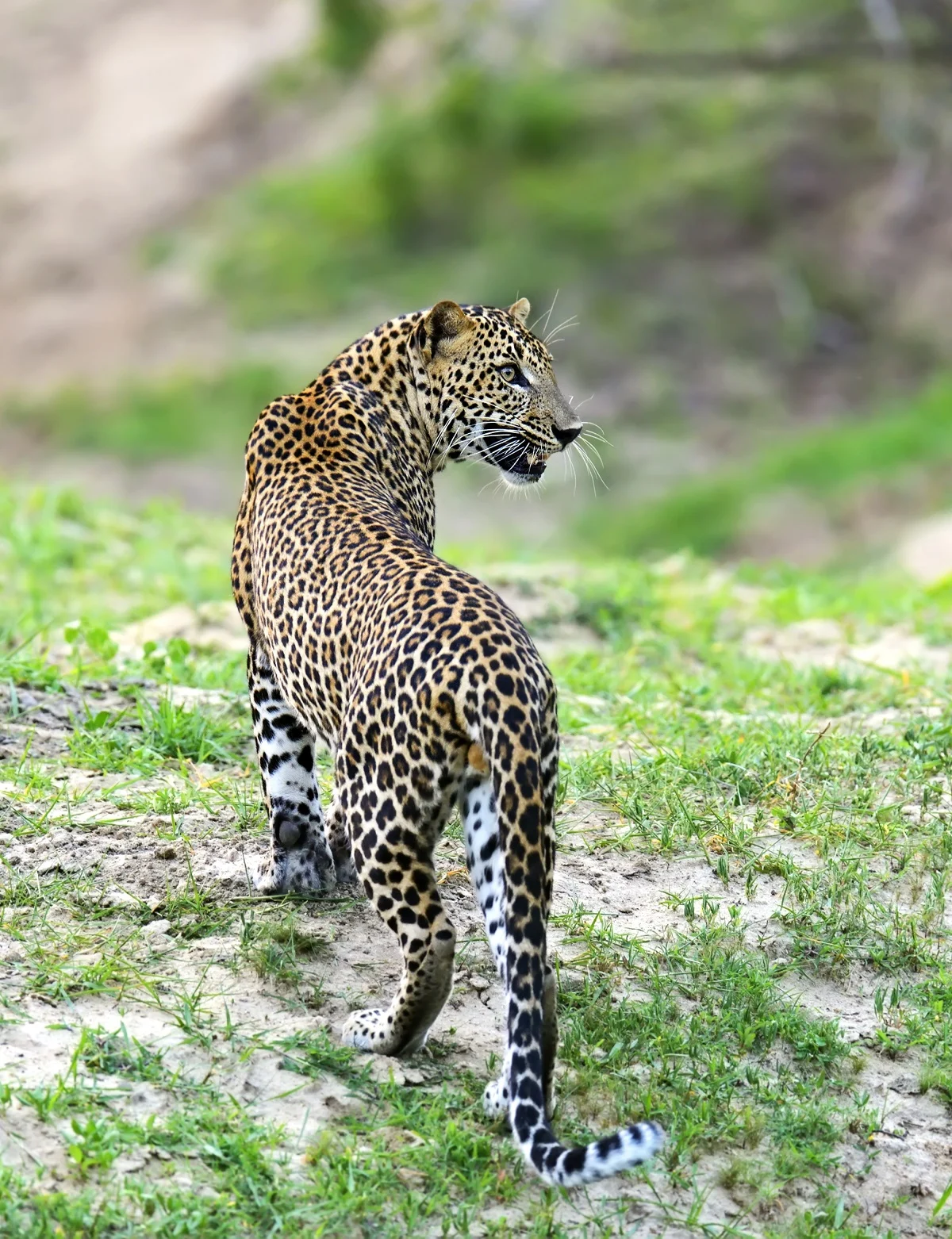
The flash of a spotted golden pelt is a thrilling sight to behold, but Indian leopards are not the only feline found here—fishing cats, jungle cats and marbled cats also reside in the reserve. The park shares a border with India’s Valmiki National Park, a crucial refuge for the royal Bengal tiger. The very fortunate traveler may have a chance to track tigers—keep an eye out for the footprints and pugmarks of these elusive, endangered cats.
It is clear why Chitwan National Park is regarded as one of the most outstanding areas to view wildlife in Asia. Join Natural Habitat Adventures on safari in Nepal in search of these magnificent species.