


Committing to a healthier diet and hitting the gym are enviable New Year’s goals; but to reduce chronic stress, declining fertility and rising inflammatory diseases, we should also promise to add a few minutes of nature into every day.
The end-of-the-year holidays are once again over. Now, we enter January, famously known as “get-in-shape month.” Typically, this is when we focus on diet plans and gym memberships. But this year, you may want to give your mental health equal priority.
Human biology evolved for a world of movement, nature and short bursts of stress—not the constant pressure of modern life. Industrial environments overstimulate our stress systems and erode both mental and physical health. But growing evidence suggests that city dwellers who have more exposure to urban green spaces require fewer mental health services. And increasing urban vegetation by 30% could avoid more than one-third of all heat-related deaths, saving up to 1.16 million lives globally.
So, while hitting the gym and committing to a healthier diet are enviable annual goals, perhaps we should also promise to add a few minutes of nature into every day.

Sitting for long periods harms circulation, weakens core and hip muscles, slows metabolism and increases risks for anxiety, blood clots, some cancers, diabetes, heart disease, obesity and chronic pain. Breaking up sitting every 30 to 60 minutes with walking or stretching helps.
Facing lion after lion
For hundreds of thousands of years, humans evolved to meet the physical and psychological demands of the hunter-gatherer life, which required frequent movement, short bursts of intense stress and daily exposure to natural settings. Industrialization, however, has altered these conditions within only a few centuries by adding air and light pollution, continuous sensory input, microplastics, pesticides, noise pollution, processed foods and long periods of sitting.
In our ancestral environments, we were well adapted to deal with urgent stress, such as having to confront or evade predators. A lion would come around occasionally, and you had to be ready to defend yourself—or run. But the key was that the lion would go away again.
Now, a new analysis by evolutionary anthropologists at England’s Loughborough University and Switzerland’s University of Zurich argue that the modern world has developed faster than human biology can adapt. They propose that chronic stress and many widespread health concerns stem from a fundamental mismatch between our nature-shaped physiology and the highly industrialized environments most people live in today.

In ancestral environments, we were well adapted to deal with the acute stress of evading or confronting predators. The occasional lion would prepare us to defend ourselves—or run. The key, however, was that the lion would eventually go away.
Modern stressors such as persistent noise, social media, traffic and workplace pressures activate the same biological pathways that once helped humans survive predators. Unlike the rapid resolution our ancestors experienced, however, today’s stressors rarely subside. Your body reacts as though all these stressors are lions, and you’re facing lion after lion. As a result, you have a very powerful response from your nervous system, but no recovery.
In their analysis, which was published in the journal Biological Reviews in November 2025, the evolutionary anthropologists evaluated research suggesting that the shift toward industrial and urban living is reducing human evolutionary fitness. Evolutionary success depends on both survival and reproduction, and the authors argue that both have been negatively influenced since industrialization began.
For example, falling fertility rates across much of the world and increasing rates of autoimmune and inflammatory conditions are cited as evidence that modern environments are placing stress on human biology. There’s a paradox: on one hand, we’ve created tremendous comfort, health care and wealth for a lot of people on the planet; but on the other hand, some of these industrial achievements are having detrimental effects on our cognitive, immune, physical and reproductive functions.

For a lot of people in the modern world, we’ve created tremendous comfort; but some of our industrial achievements are having detrimental effects on our cognitive, immune, physical and reproductive functions.
One of the most studied examples is the steady decline in sperm count and sperm motility observed since the 1950s. These trends appear to be linked to environmental exposures to microplastics, pesticides and herbicides in food.
Unfortunately, biological adaptation is very slow. Changing environmental and technological conditions far outpace biological evolution. Longer-term genetic adaptations are multigenerational—tens to hundreds of thousands of years, state the researchers. This means the mismatch between human physiology and modern living conditions will not correct itself through natural evolutionary processes. Instead, they argue, societies must take active steps to reduce these pressures by strengthening connections to nature and creating healthier, more sustainable environments.
Addressing this mismatch requires both cultural and environmental changes, conclude the scientists. They suggest that we treat nature as a crucial component of public health and that we protect or restore landscapes that resemble those in which humans originally evolved. We need to rethink city designs to better align with human physiology and reduce harmful environmental exposures. Their research, they say, can identify which stimuli most affect blood pressure, heart rate or immune function, for example; and that knowledge should be passed on to decision-makers. The goal is to get our cities right; and at the same time, regenerate, value and spend more time in natural spaces.

City dwellers who can get exposure to urban green spaces require fewer mental health services.
Building urban green spaces
A recent study, published in the journal International Journal of Environmental Research and Public Health in February 2024, from researchers at the Texas A&M University School of Public Health suggests that city dwellers who have more exposure to urban green spaces require fewer mental health services. While the association between exposure to nature and better mental health is well established in the United States and elsewhere, most studies use just one or two measurements of this exposure. To study the correlation between urban nature exposure and mental health, the Texas A&M study was the first to use NatureScore to measure urban greenness, which uses numerous datasets related to factors such as air, light and noise pollution, parks and tree canopies to calculate the amount and quality of natural elements for any known address in the United States and in several other countries. Scores range from zero to 19 points for “Nature Deficient” to 80 to 100 for “Nature Utopia.” For addresses, they used data on mental health visits aggregated at the zip code level from the Texas Outpatient Public Use Data File from 2014 to mid-2019. The data contained information about patient encounters, including a patient’s age, educational attainment, employment status, ethnicity/race, gender, poverty level, principal diagnosis and zip code, although no patients were identified.
In Texas cities, a total of 61,391,400 adult outpatient encounters for anxiety, bipolar disorders, depression and stress were selected. The sample included data from 1,169 zip codes in urban Texas, with a median NatureScore of 85.8. About half of the sample had high NatureScores (over 80), and about 22% had NatureScores below 40. Of these encounters, 63% were women, 30% were 65 years old or older, 54% were non-Hispanic white and 15% were Hispanic. At the zip code level, 27% of the total population had a bachelor’s degree, 58% were employed, 14% lived under poverty and 17% lacked health insurance coverage. The percentage of those 65 years old and older, white, Hispanic and employed were higher in areas with a higher NatureScore. In addition, the zip codes with a higher NatureScore had lower percentages of people who were Black, living in poverty or without insurance.
The trend for various mental health encounters decreased as the NatureScore of a neighborhood increased, and the rates of mental health encounters were about 50% lower in neighborhoods with NatureScores over 60. Those who lived in neighborhoods with the two highest NatureScore categories—“Nature Rich” and “Nature Utopia”—had significantly lower rates of mental health encounters compared to those who lived in neighborhoods with the lowest NatureScore category. A NatureScore above 40—considered “Nature Adequate”—seems to be the threshold for good mental health. People in these neighborhoods have a 51% lower likelihood of developing depression and a 63% lower likelihood for developing bipolar disorders.
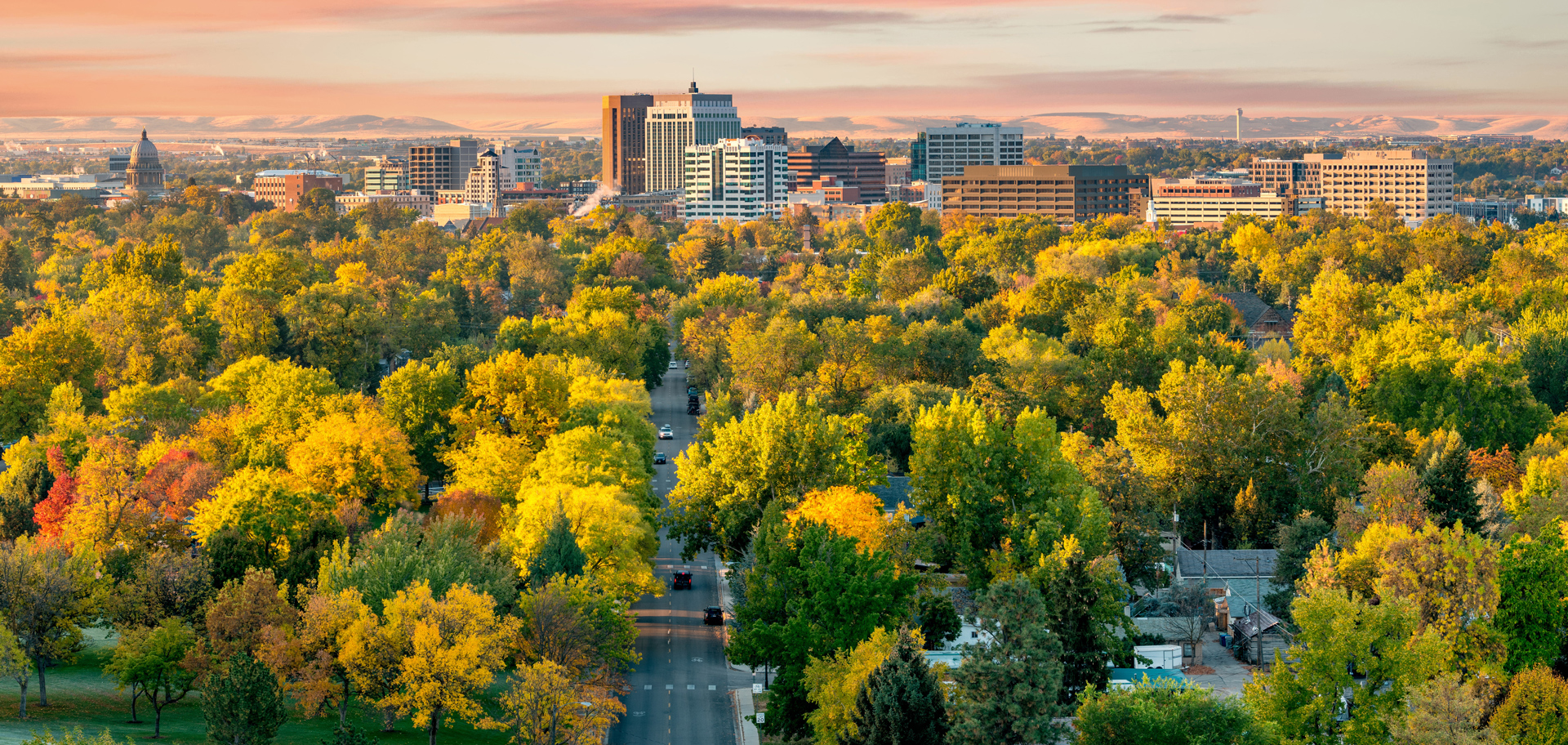
To determine the level of urban greenness in various locations, researchers at Texas A&M University used the amount of tree canopy as one of the measures.
The scientists say that these findings could have important implications for urban planning. Increasing green spaces in cities could promote well-being and mental health, which is critically important given that more than 22% of the adult population in the United States has a mental health disorder.
Spending just 10 minutes in nature
And, you won’t even have to spend much time in those green spaces if you don’t want to. A new meta-analysis that examined 30 years of published research on the mental, physical and social health effects of exposure to nature—including urban nature—that was published in the peer-reviewed journal Ecopsychology in September 2024 shows that as little as 10 minutes of nature exposure can yield short-term benefits for adults with mental illness.
From 14,168 studies that met their initial search criteria, University of Utah College of Social Work scientists and a multidisciplinary research team carefully narrowed their analysis to focus on 45 studies, which included a total of 1,492 adult participants with a diagnosed mental illness. Some of the examined experiences included structured therapeutic interventions, while some involved nature experiences alone. Eighteen of the studies were randomized, meaning the research subjects receiving the interventions or experiences were randomly selected.
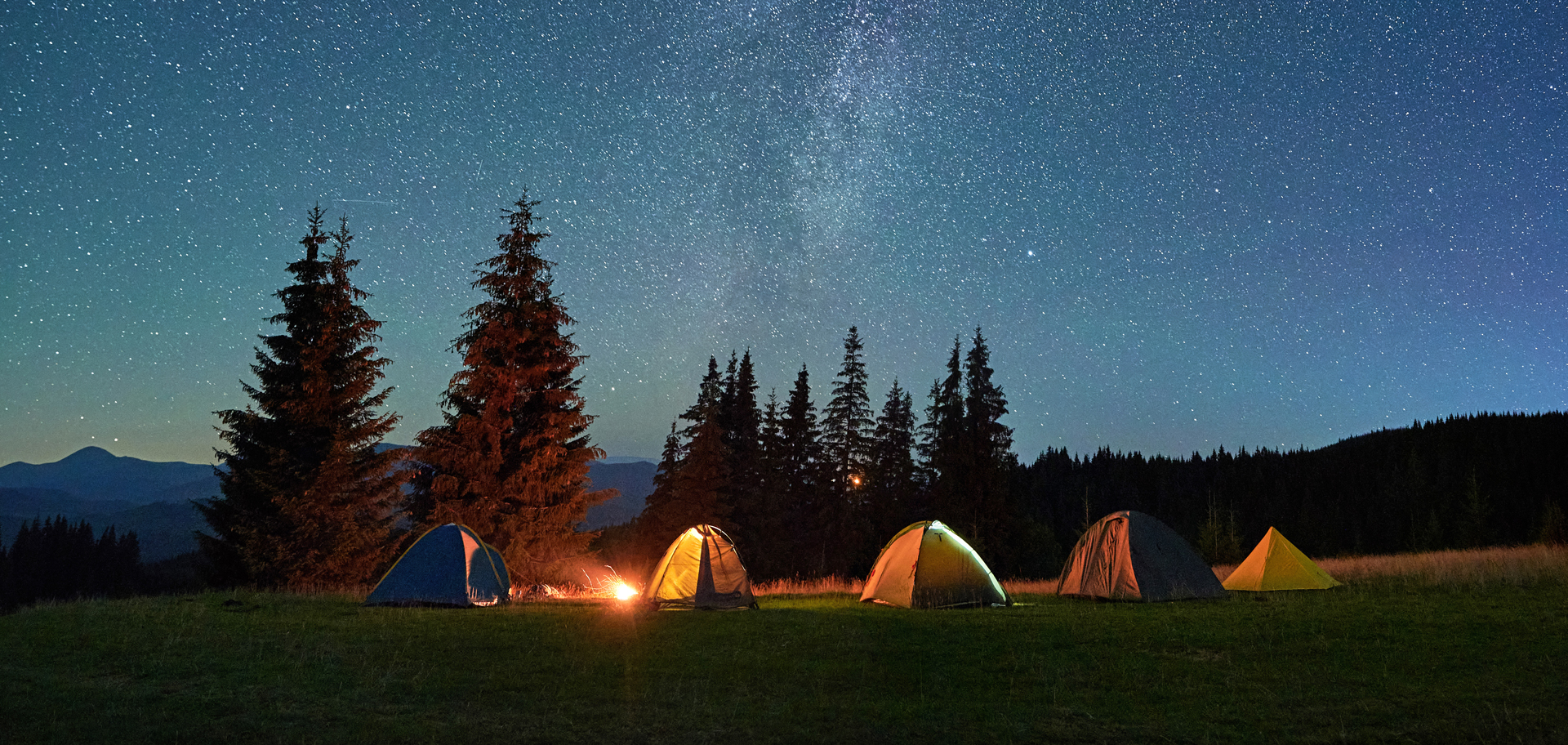
Whether it’s as little as 10 minutes several times a week in a city park or multiple days in an immersive wilderness experience, all exposures to nature produced positive mental health results.
The amount of time study participants spent in nature varied from study to study; some participants spent as little as 10 minutes several times a week or a month in a city park, while others spent multiple days in immersive wilderness experiences. Yet, different durations and patterns of nature exposure all produced positive results.
The analysis indicated that water-based outdoor spaces—lakes, oceans and rivers—and camping, farming and gardening activities had the greatest positive effect. Urban nature, forests and mountains also offered significant effects, underscoring the importance of preserving green spaces in our natural and built environments, write the study’s authors. Additionally, regardless of the type of diagnosed mental illness, nature exposure showed statistically significant short-term improvements on mental health symptoms. The positive effects of nature were even greater for those participants diagnosed with mood disorders, such as depression or bipolar disorder.
According to the World Health Organization, one in seven people has some form of mental illness. The cost of mental illness on the overall quality of life, as well as its economic impact, makes it important to identify and promote accessible and affordable mental health supports outside of conventional facilities. So, while going for a short walk or taking a camping trip should not necessarily be thought of as a replacement for other clinical and therapeutic interventions, time in nature should be considered as an inexpensive, widely available resource to support adults’ mental health and overall well-being.

Spending time in water-based outdoor spaces—such as near oceans—had the greatest positive effect on mental health.
Increasing urban vegetation
Not only is mental health improved by having more urban green spaces, but increasing urban vegetation by 30% could avoid more than one-third of all heat-related deaths. According to a 20-year modeling study of the impact of increasing greenness in more than 11,000 urban areas, 1.16 million lives could have been saved globally from 2000 to 2019.
Those astounding statistics come from researchers at Australia’s Monash University and were published in the journal The Lancet Planetary Health in July 2025. The study showed that increasing vegetation levels by 10%, 20% and 30% would:
• decrease the global, population-weighted, warm-season mean temperature by 32.1 degrees Fahrenheit, 32.2 degrees Fahrenheit and 32.3 degrees Fahrenheit, respectively; and
• could prevent 0.86, 1.02 and 1.16 million deaths, respectively, representing 27.16%, 32.22% and 36.66% of all heat-related deaths from 2000 to 2019.
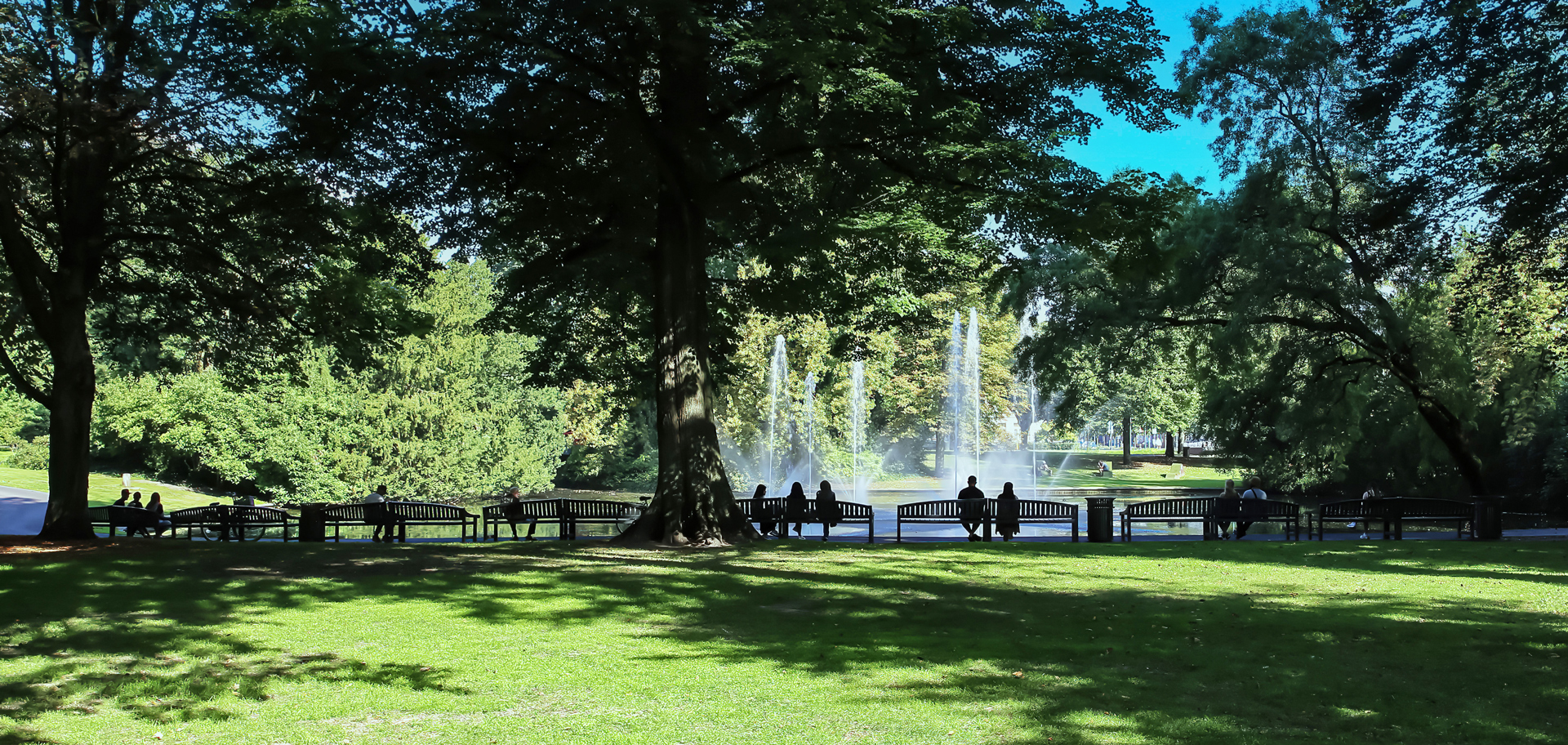
Shaded areas cool by blocking direct solar radiation, preventing surfaces from absorbing intense sunlight and re-radiating heat, creating cooler microclimates where air and ground temperatures can drop significantly (by 20 to 45 degrees Fahrenheit) compared to sunny spots.
The study aimed to detect the potential reduction in global heat-related deaths by increasing greenness in the warm season from 2000 to 2019 in 11,534 urban areas. Heat-mortality associations were assessed by using data from 830 locations in 53 countries and extrapolated to each urban center. Greenness was measured via the Enhanced Vegetation Index, which was derived from images collected by NASA satellites. An “urban area” was defined as an area with a density of at least 1,500 inhabitants per 0.38 square miles of permanent land and a total population of more than 50,000.
While increasing greenness has been proposed as a heat-related-death-mitigation strategy, this was the first modeling study to estimate both the cooling and modifying effects of greenness, providing a more comprehensive assessment of its benefits in alleviating heat-related mortality.
These findings indicate that expanding and preserving greenness might be potential strategies for lowering temperatures and lessening the health impacts of heat exposure, a major public health threat that is increasing due to climate change. Greenness has a cooling effect on temperatures, via shading surfaces, deflecting radiation from the sun and evapotranspiration (loss of water from the soil both by evaporation and by transpiration from plants), which promotes air convection, where cooler air moves down. This, in turn, cools ambient temperatures, leading to a decrease in people’s heat exposures, thereby reducing heat-related deaths.
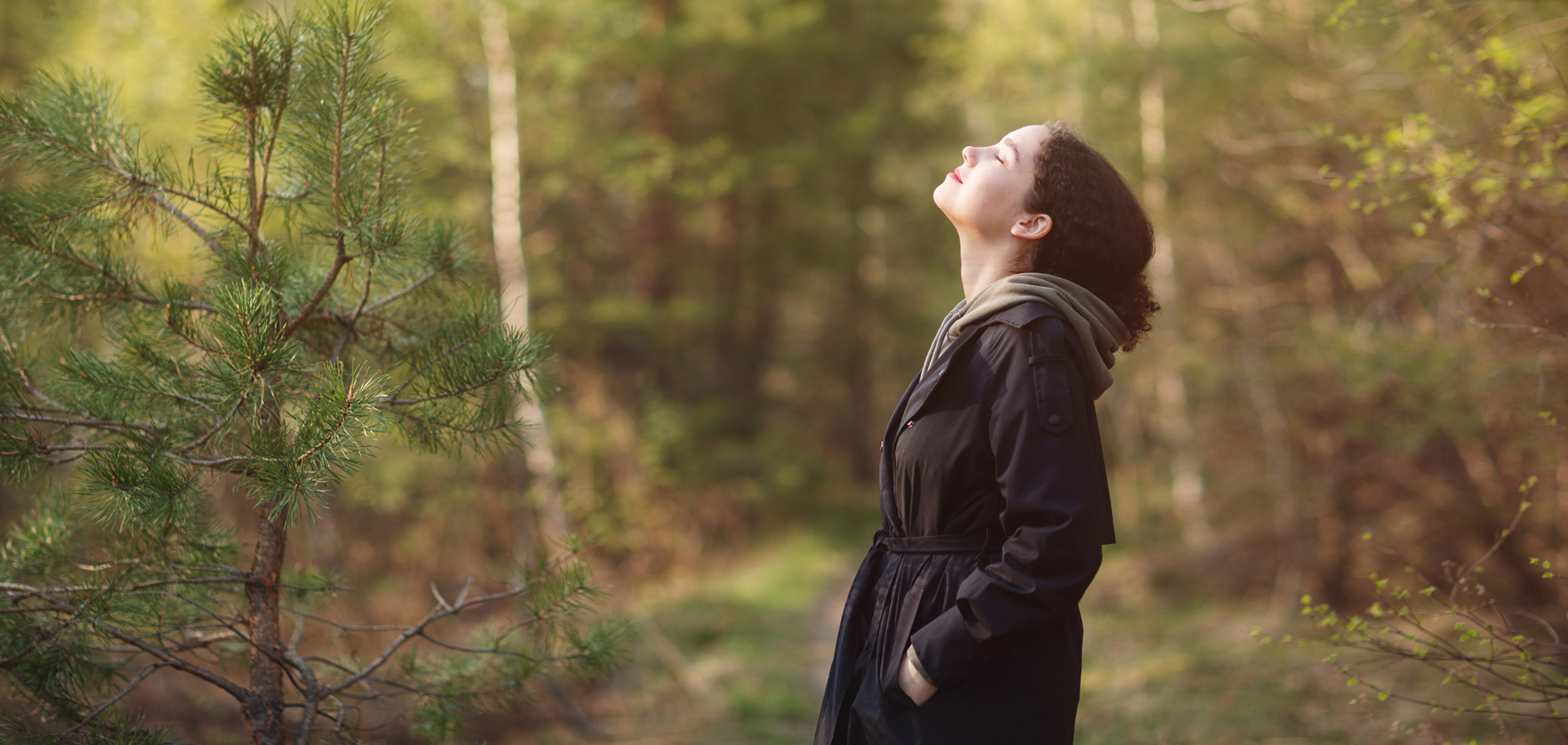
I take solace in knowing I was built for the natural world. And it’s reassuring to learn that as little as 10 minutes in nature can get me back to my “factory settings.”
Between 2000 and 2019, heat exposure was associated with 0.5 million deaths per year, accounting for 0.91% of global mortality. Estimates of heat-related deaths are projected to range from 2.5% in North Europe to 16.7% in Southeast Asia from 2090 to 2099, under the most extreme global warming scenarios.
Doing a hard reset
While I enjoy the many comforts and joys of a well-planned city, I do take solace in knowing I was built for the natural world. And it’s reassuring to learn that as little as 10 minutes in nature can get me back to my “factory settings.”
So, this January, as we resolve to add more veggies to our diets, drink more water, shorten our screen time and take the stairs, I hope we’ll also decide to step outside daily for just a few moments of mental bliss, inner peace and a sense of being truly alive.
Here’s to finding your true places and natural habitats,
Candy