

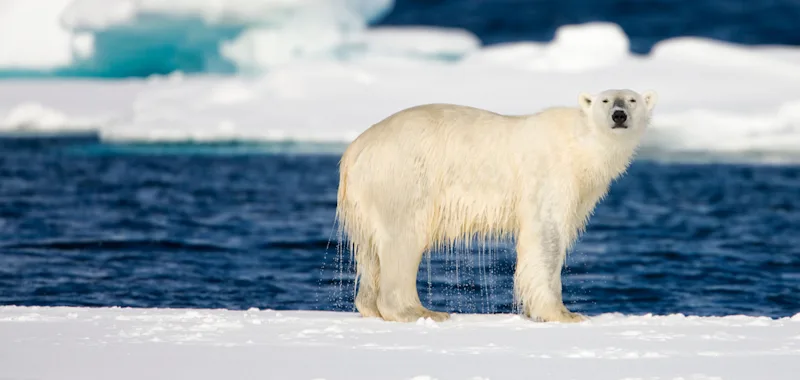
Life Goes On in Earth’s Most Extreme Environments
“Life finds a way.” That’s a now-famous statement from Dr. Ian Malcolm, a fictional character played by actor Jeff Goldblum in the 1993 movie Jurassic Park.
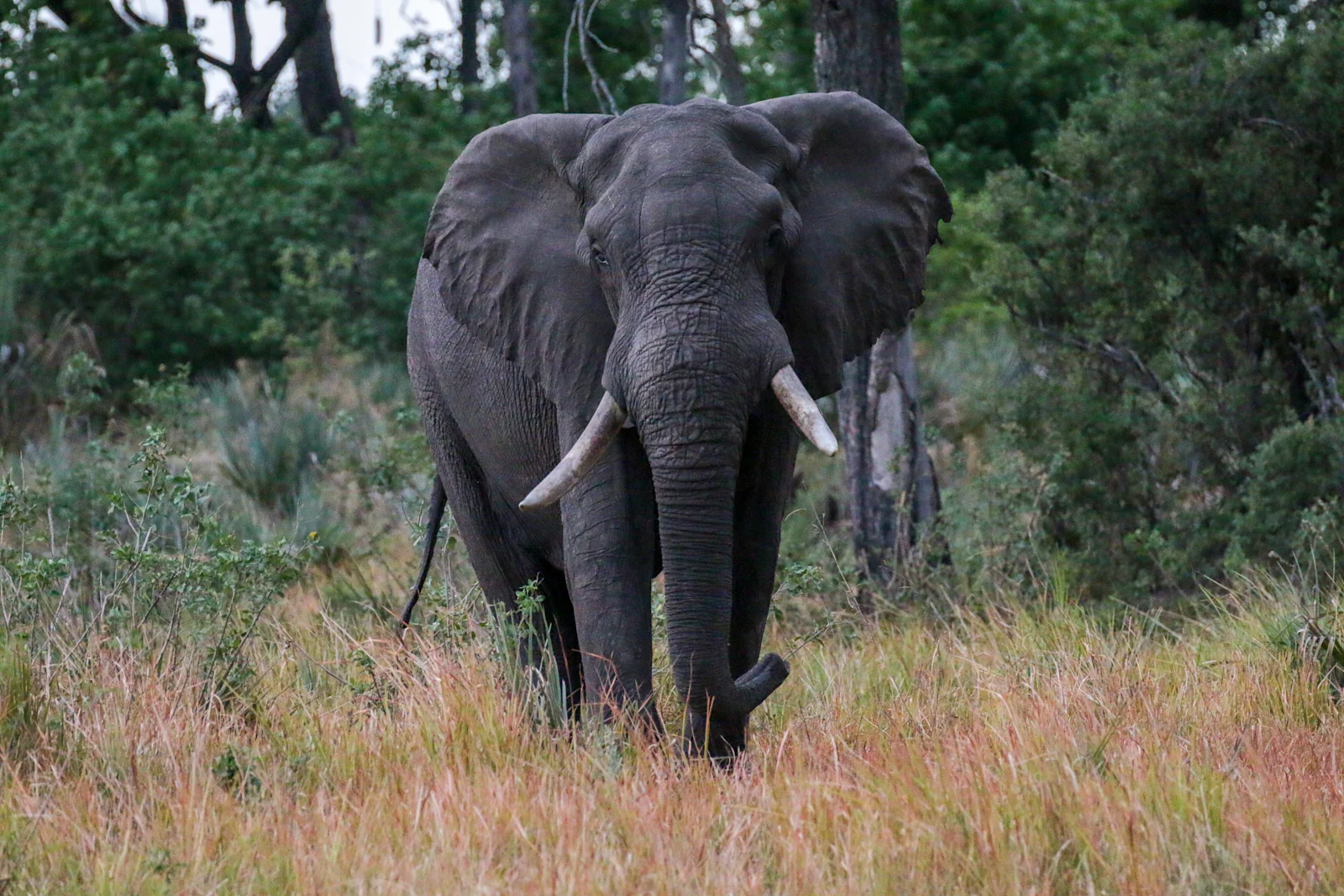
1183 stories
“Life finds a way.” That’s a now-famous statement from Dr. Ian Malcolm, a fictional character played by actor Jeff Goldblum in the 1993 movie Jurassic Park.
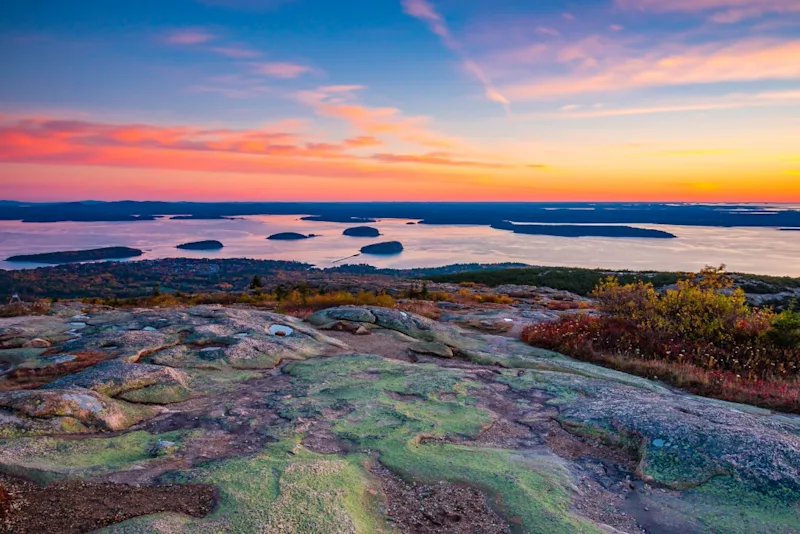
Nat Hab’s Maine Coastal Explorer tour takes travelers on an idyllic journey from Bangor to Acadia National Park. Here are five highlights visitors will experience during their stay on Mount Desert Island, the largest of Maine’s 4,600 coastal islands.
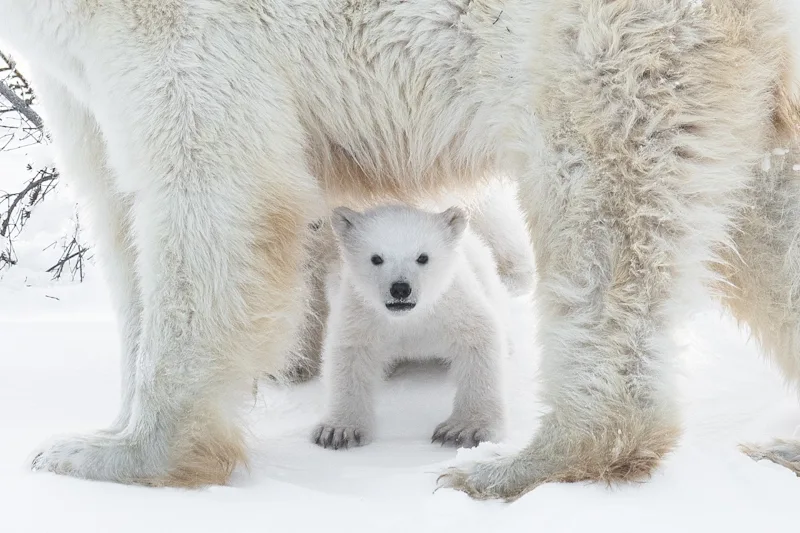
The Arctic is home to a wide array of winter wildlife. The hides of Arctic foxes and snowshoe hares blend into glittering frost as snowy owls swoop overhead, feathers aglow in the light of a silvery moon.
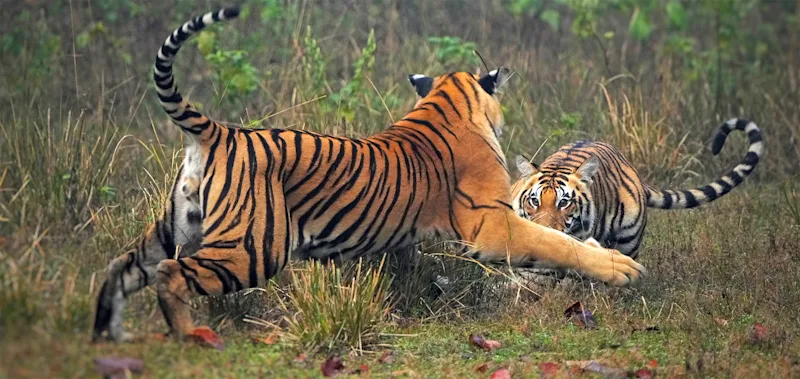
The Khata Corridor, a critical 15-mile wildlife passage along the shared border of Nepal’s Bardia National Park and India’s Katarniaghat Wildlife Sanctuary, is a beacon of hope for tiger conservation in South Asia.
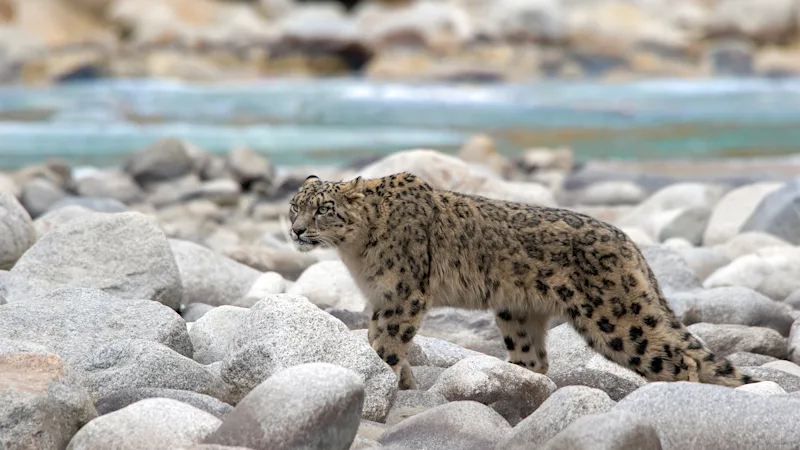
Many adventurers are drawn to the Himalayas of northern India either for the challenging mountain climbing or for the rich Tibetan Buddhist culture. But among sheer cliffs, snowfields and whitewashed monasteries flying their primary-colored prayer flags live some of the most elusive, tough and fascinating creatures on Earth.

Nearly two billion years of the Earth’s history are represented in the landscape of the American Southwest. Geologic forces created some of the most archetypal and diverse natural wonders, such as the mile-deep, 277-mile-long Grand Canyon, the bulging hoodoo spires of Bryce Canyon National Park and the elegant slot canyons of Zion National Park.
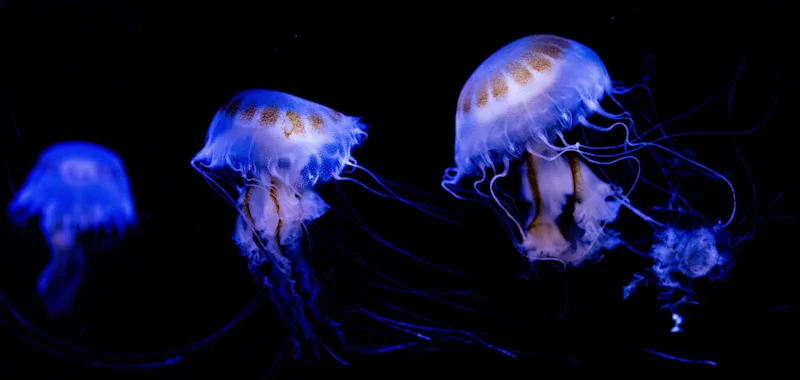
Natural lights in nature come in two familiar forms: bioluminescence and fluorescence. They differ primarily by their light source: bioluminescence is a chemical reaction within an organism that creates its own light, while fluorescence is a physical process where an organism or object absorbs external light and reemits it.
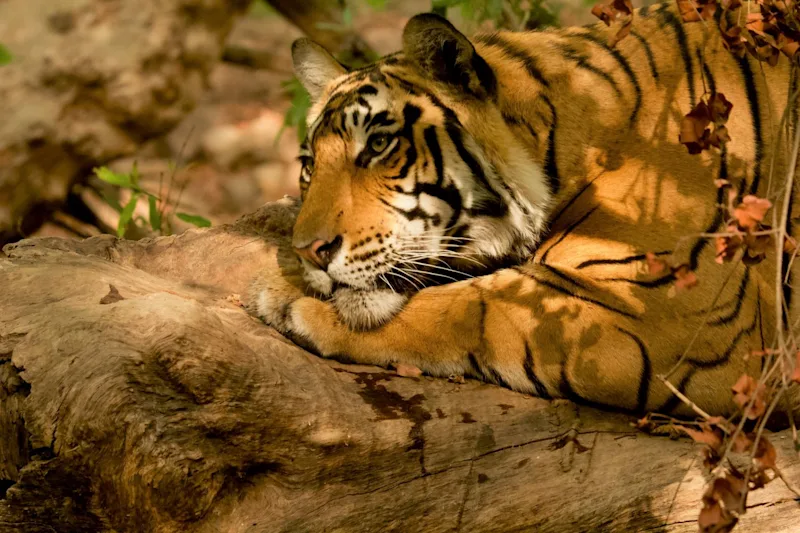
Tigers are one of the easiest of the big cats to identify because of their dramatic striped coats.
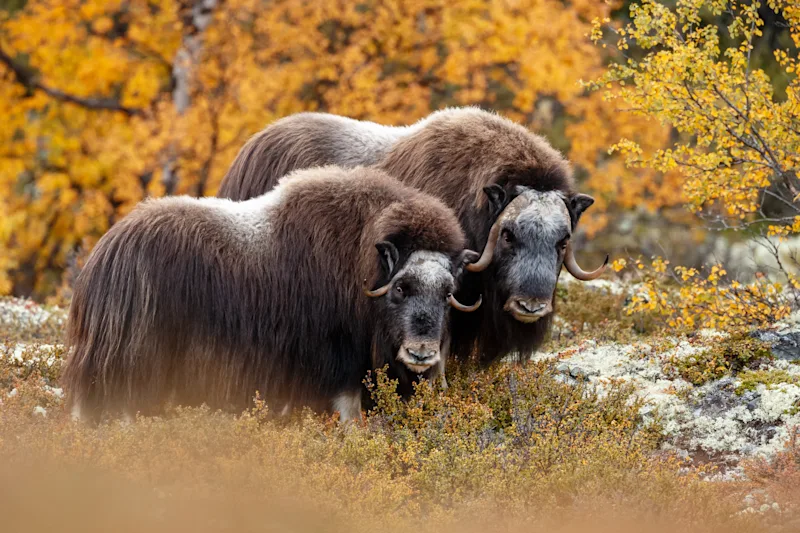
The guide beckons us to a ridgetop on Prince of Wales Island in northern Canada. As we reach the top, he motions for everyone to be absolutely quiet. Because just over the rise is a herd of two dozen muskox that are so far oblivious to our presence.
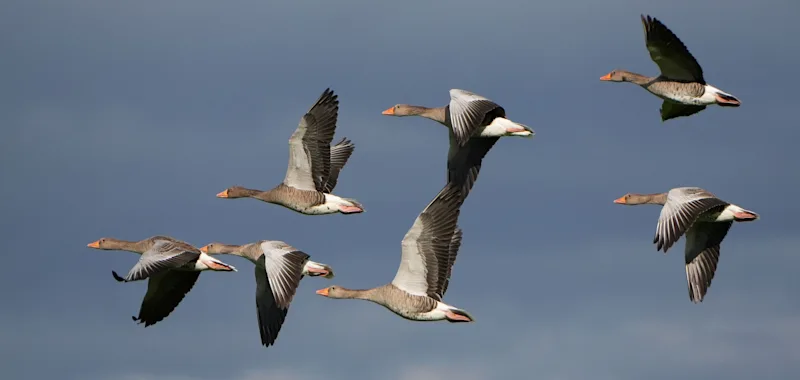
When the island of Surtsey erupted from the sea near Iceland in 1963, it became a living experiment in how life begins anew. Decades later, scientists discovered that the plants colonizing this young island weren’t carried there by ocean currents or by the wind, but by birds, who served as winged gardeners.
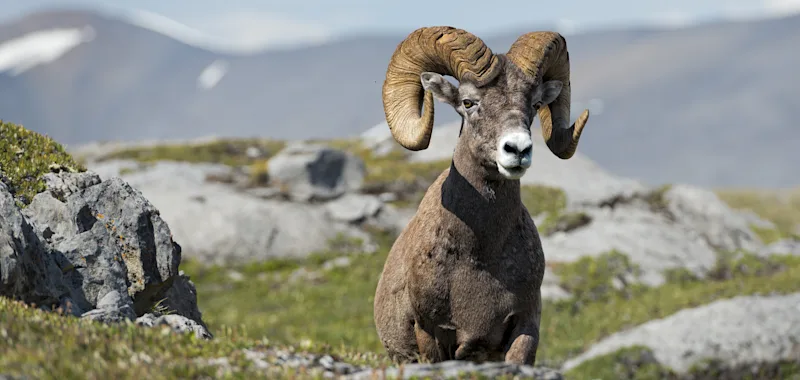
The Canadian Rockies have called to me ever since I first visited the region at the tender age of one. My parents had a photo in my childhood home, taken along the Icefields Parkway, that elicited stories of my trip there with them.
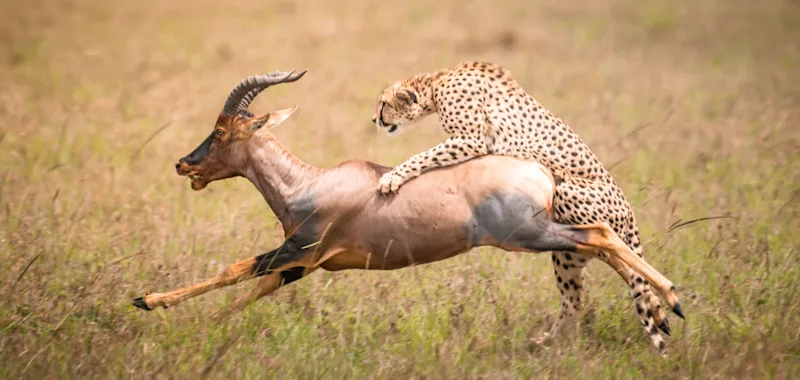
The predator/prey relationship is an age-old association. Despite that longevity, it can still mystify us. For example, on a remote Alaskan island, gray wolves are rewriting the rule book by hunting sea otters—a behavior few scientists ever expected to see.