Nature & Wildlife

1185 stories

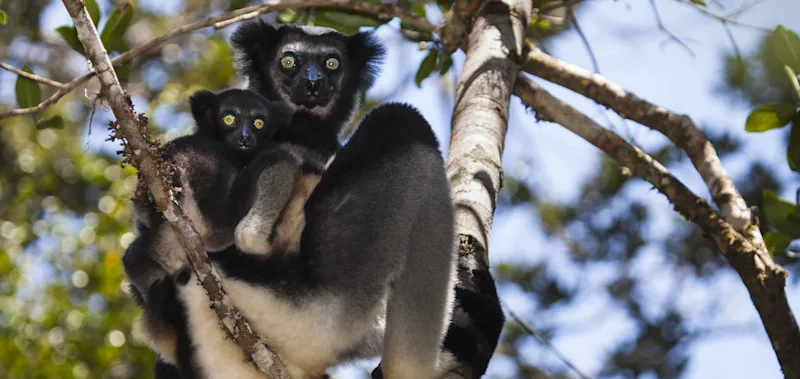
  • The Babakoto Story: How the Indri Became Madagascar’s Most Revered Lemur

    Jun 21, 2026 · Mark Jordahl

    Once upon a time, in a small village in eastern Madagascar, a man entered a forest to collect honey with his son, Koto. Koto was very young and was not able to climb trees on his own, so his father carried him high into a rosewood tree, where they found a beehive.
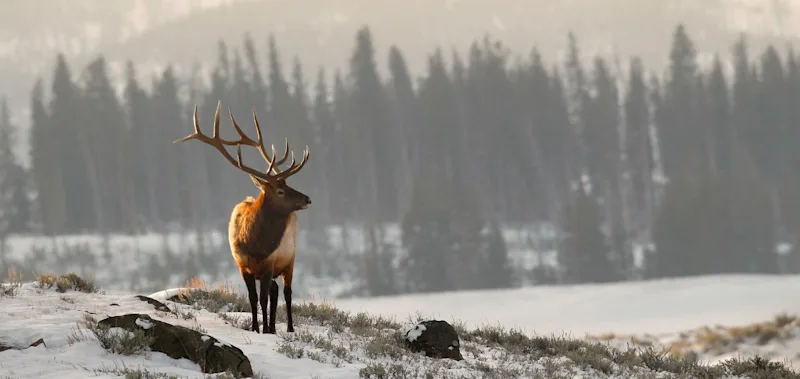
  • Hooves and Horns: Ungulates of North America’s National Parks

    Jun 20, 2026 · Michelle Peters

    What, you may be asking, is an ungulate? You’ve actually known them all along, but perhaps just didn’t know them by their official moniker. Among the ungulates that are native to North America are bighorn sheep, bison, caribou, Dall sheep, mountain goats, moose and white-tailed deer. What do they all have in common?

  • Where to See Wolves in Yellowstone National Park

    Jun 14, 2026 · Michelle Peters

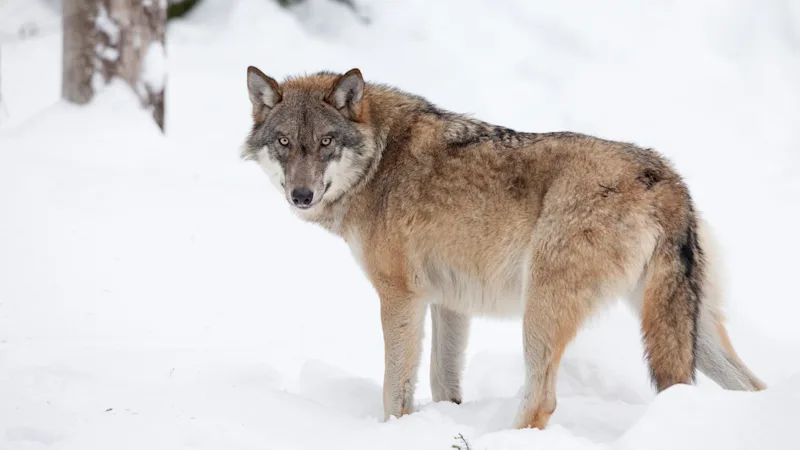
    Wolves have long fascinated wildlife enthusiasts. We tend to view them as truly wild and rugged. Their tendency to live and travel in family packs echoes our own social tendencies. Their stirring nighttime howls, graceful movements and keen sensibilities connect us to our primal selves.

  • Blue-Footed Boobies in the Galapagos: 8 Fascinating Facts

    Jun 6, 2026 · Julie Waggoner

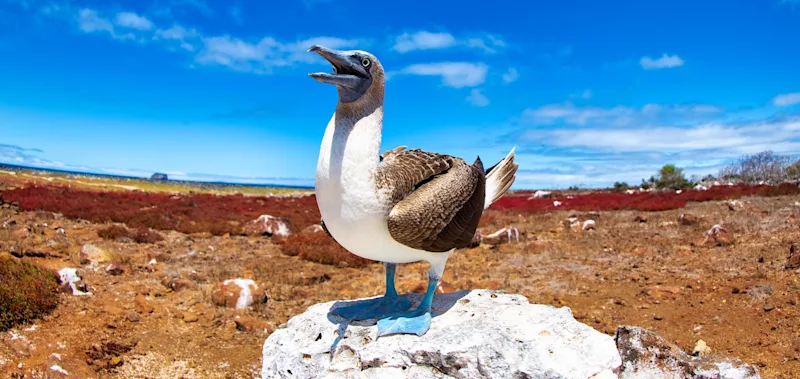
    The Galapagos Islands are home to some of the world’s most recognizable wildlife, and few species attract more attention than the blue-footed booby. Known for their turquoise-blue feet, comic-looking courtship displays and remarkable diving skills, these seabirds are a highlight of many Galapagos wildlife adventures.

  • Nature’s Medicines

    Jun 2, 2026 · Candice Gaukel Andrews

    Today, it might sound hyperbolic to say to the majority of us who are living in urban surroundings that nature’s animals and plants are essential for human survival. But it’s truly not over the top. Nature acts as a crucial life-support system that provides us with breathable oxygen, clean water, food and medicines.

  • The Four Sisters: China’s Mythic Creatures & Wild Landscapes

    May 31, 2026 · Emily Goodheart

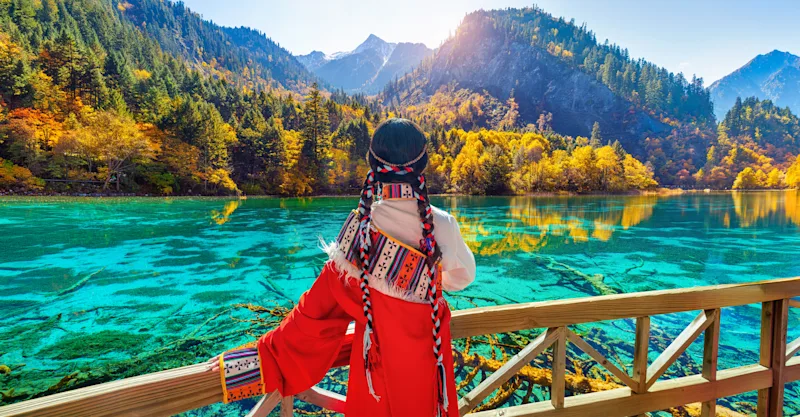
    Siguniangshan National Park, a UNESCO World Heritage Site, is steeped in mysticism, a realm of glassy lakes, ancient cypress forests and sacred pagodas. The towering Mount Siguniang, also known as Four Sisters Mountain, looms over verdant valleys, alpine meadows and murmuring streams, earning the area its reputation as the “Chinese Alps.”

  • The Unsung Giants Among Us

    May 26, 2026 · Candice Gaukel Andrews

    If you were asked to name a giant that now lives among us, you might immediately think of an African elephant, a blue whale, a mountain gorilla, a polar bear or a rhinoceros. There are, however, some other, lesser-known—but fascinating—leviathans in our midst.

  • Magical Encounters in New Zealand’s Lake Moeraki: Kea, Penguins, Glowworms and More

    May 19, 2026 · Samantha Miller

    Visit Lake Moeraki, and witness the movements of some of the world’s rarest species. This is a destination for nature lovers, active travelers and anyone seeking wild New Zealand! The mountain range that runs the length of New Zealand’s South Island marks the contact zone of the Indo-Australian and Pacific continental plates.

  • People Making Positive Change for the Planet

    May 19, 2026 · Candice Gaukel Andrews

    More-than-human animals predate humans on Earth by approximately 500 million to more than 800 million years. While modern humans (Homo sapiens) have existed for only about 300,000 years, the first animal life (likely sponges) appeared in the ocean hundreds of millions of years prior to the human lineage.

  • In the Land of Glowing Skies: Kiwi Conservation in New Zealand

    May 16, 2026 · Cathy Brown

    Long before people around the world began referring to New Zealanders as “kiwis,” the indigenous Maori held the kiwi bird in high regard. They called this elusive, flightless bird—found burrowing through forests, scrublands and grasslands—the hidden bird of Tane, the god of the forest: te manu huna a Tane.