Nature & Wildlife

1183 stories

  • A Journey With Monarchs, Milkweed and More

    Jul 14, 2026 · WWF

    Written by Ariana Bowman, WWF’s Gift Planning Senior Development Officer As we navigated through the lush forest landscape on horseback and then on foot, a sense of excitement built, an anticipation for the breathtaking sights that awaited.
  • Managing the Mosquito Months of Summer

    Jul 14, 2026 · Candice Gaukel Andrews

    July is truly the quintessential summer month. Positioned perfectly at the center of summer in the Northern Hemisphere, it features peak sunshine and warm weather, making it the prime time for carefree vacations and outdoor activities. But July is also at the height of mosquito season across most of North America.

  • What Makes Yellowstone’s Wild Wolves So Captivating?

    Jul 13, 2026 · Cathy Brown

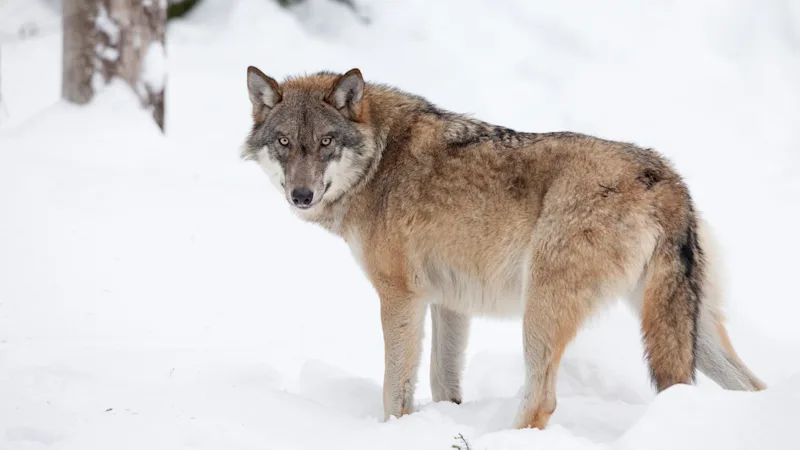
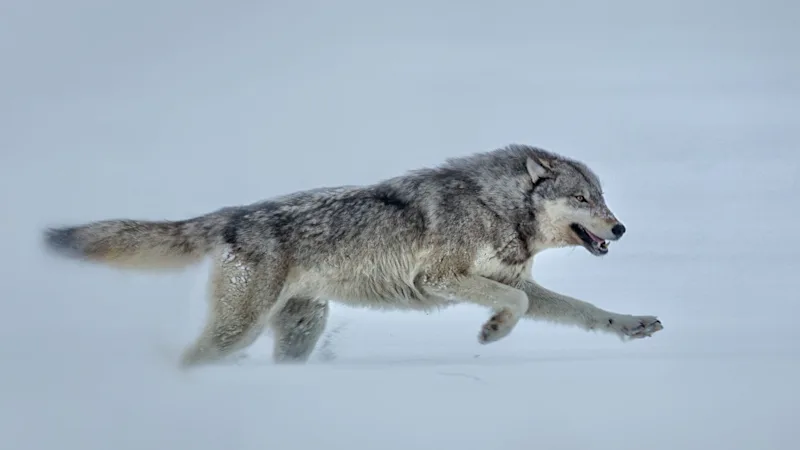
    Few wildlife encounters compare to watching wolves move through the wide, wild valleys of Yellowstone. On Nat Hab’s Yellowstone wolf-watching adventure, expert naturalist guides help travelers search for these elusive predators while exploring one of North America’s most dynamic winter ecosystems. How Did Wolves Return to Yellowstone National Park?

  • Fascinating Facts About Chimpanzees on World Chimpanzee Day

    Jul 11, 2026 · Mark Jordahl

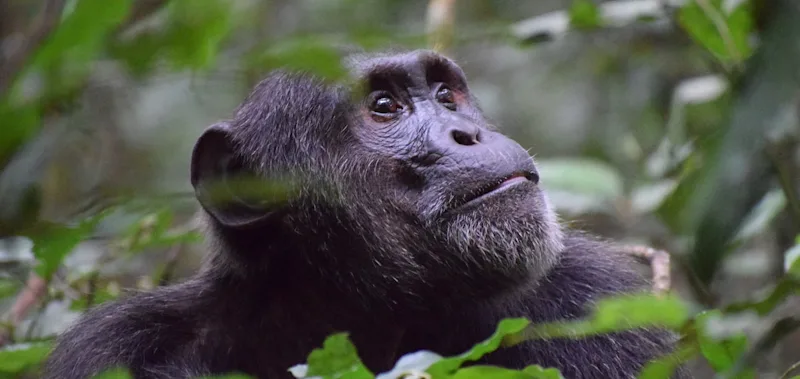
    Celebrate World Chimpanzee Day on July 14 with Nat Hab! You can’t help but feel your heart race when you hear the first far-off calls of a chimpanzee echoing through the equatorial rainforest on a Great Uganda Gorilla Safari.

  • The Fluidity of Animal Movements

    Jul 7, 2026 · Candice Gaukel Andrews

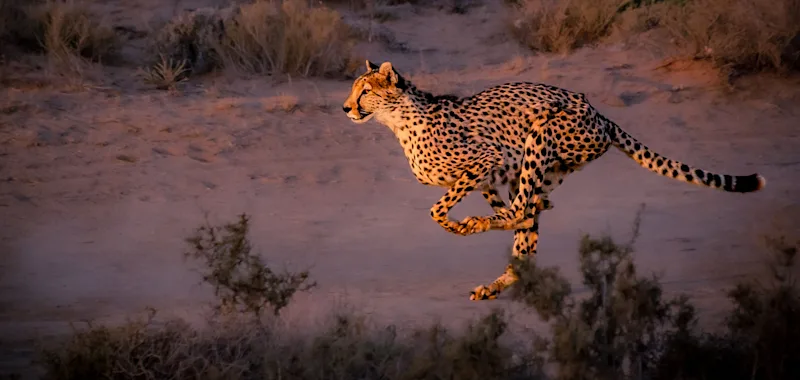
    The graceful movements of animals showcase millions of years of evolutionary engineering, combining anatomy, physics and fluidity. From the effortless soar of an albatross across the Antarctic Ocean to the stealthy prowl of a big cat on the African savanna, nature’s biomechanics emphasize maximum beauty and efficiency.

  • Aliens on the Rise and Invaders on the Run

    Jun 30, 2026 · Candice Gaukel Andrews

    Aliens are certainly in our midst, and invaders are running rampant across the planet. What I mean is, plants are spreading across the globe faster than ever, and the very same traits that make them thrive in their native lands also drive them to their successes abroad. Who are these aliens and invaders?

  • The Babakoto Story: How the Indri Became Madagascar’s Most Revered Lemur

    Jun 21, 2026 · Mark Jordahl

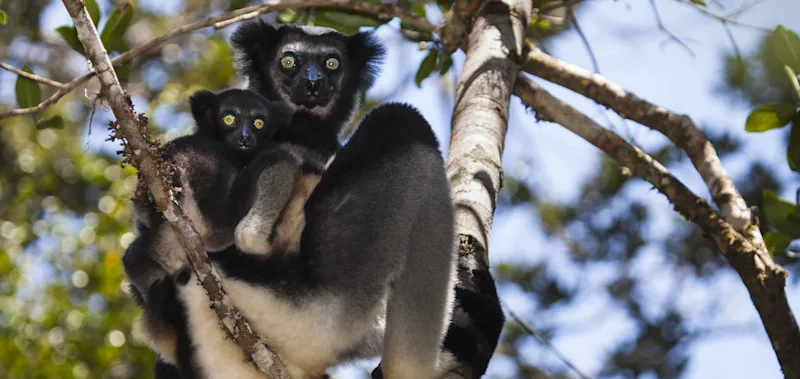
    Once upon a time, in a small village in eastern Madagascar, a man entered a forest to collect honey with his son, Koto. Koto was very young and was not able to climb trees on his own, so his father carried him high into a rosewood tree, where they found a beehive.

  • Hooves and Horns: Ungulates of North America’s National Parks

    Jun 20, 2026 · Michelle Peters

    What, you may be asking, is an ungulate? You’ve actually known them all along, but perhaps just didn’t know them by their official moniker. Among the ungulates that are native to North America are bighorn sheep, bison, caribou, Dall sheep, mountain goats, moose and white-tailed deer. What do they all have in common?

  • Where to See Wolves in Yellowstone National Park

    Jun 14, 2026 · Michelle Peters

    Wolves have long fascinated wildlife enthusiasts. We tend to view them as truly wild and rugged. Their tendency to live and travel in family packs echoes our own social tendencies. Their stirring nighttime howls, graceful movements and keen sensibilities connect us to our primal selves.

  • Blue-Footed Boobies in the Galapagos: 8 Fascinating Facts

    Jun 6, 2026 · Julie Waggoner

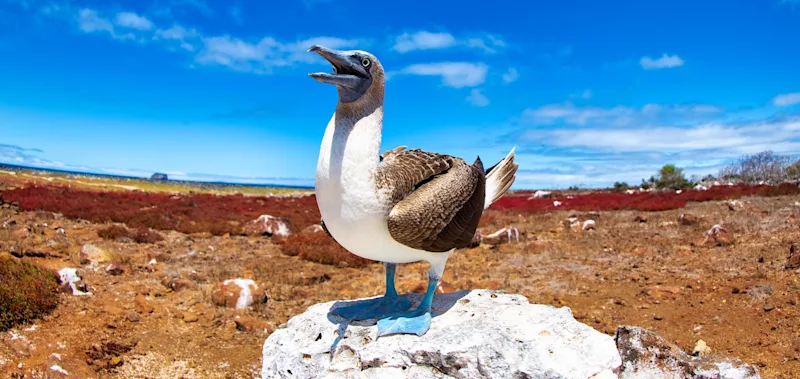
    The Galapagos Islands are home to some of the world’s most recognizable wildlife, and few species attract more attention than the blue-footed booby. Known for their turquoise-blue feet, comic-looking courtship displays and remarkable diving skills, these seabirds are a highlight of many Galapagos wildlife adventures.

  • Nature’s Medicines

    Jun 2, 2026 · Candice Gaukel Andrews

    Today, it might sound hyperbolic to say to the majority of us who are living in urban surroundings that nature’s animals and plants are essential for human survival. But it’s truly not over the top. Nature acts as a crucial life-support system that provides us with breathable oxygen, clean water, food and medicines.

  • The Four Sisters: China’s Mythic Creatures & Wild Landscapes

    May 31, 2026 · Emily Goodheart

    Siguniangshan National Park, a UNESCO World Heritage Site, is steeped in mysticism, a realm of glassy lakes, ancient cypress forests and sacred pagodas. The towering Mount Siguniang, also known as Four Sisters Mountain, looms over verdant valleys, alpine meadows and murmuring streams, earning the area its reputation as the “Chinese Alps.”