

Healthy Soil, Food & People: Nurturing Biodiversity and Community in the Cotswolds
In the northeast corner of England’s Cotswolds, Henry Astor’s family has lived on, farmed and managed over 1,000 acres for three generations.
1183 stories
In the northeast corner of England’s Cotswolds, Henry Astor’s family has lived on, farmed and managed over 1,000 acres for three generations.
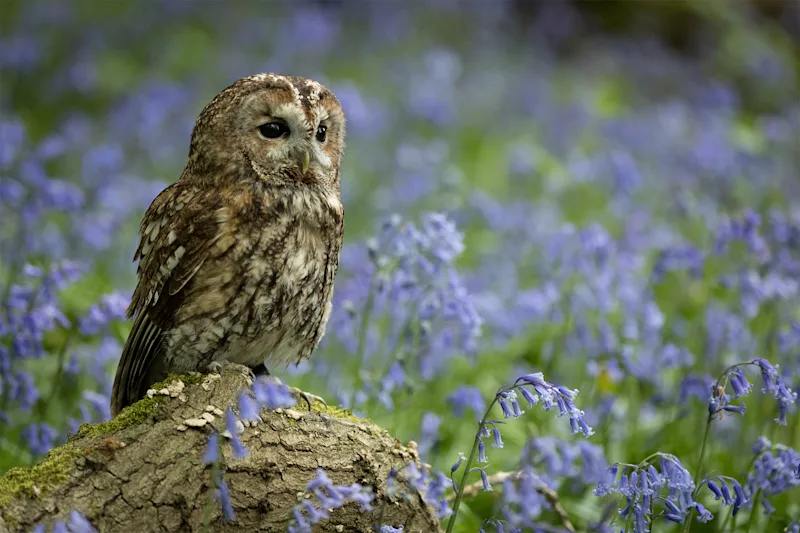
Sometimes, the most pastoral landscapes can reveal some of nature’s wildest secrets. Case in point: the refined Cotswold Hills in England. Amid tidy country homes and winding lanes, grand estates and traditional pubs, the region’s quieter natural beauty offers a different sort of adventure than we might expect in Iceland or the Arctic.
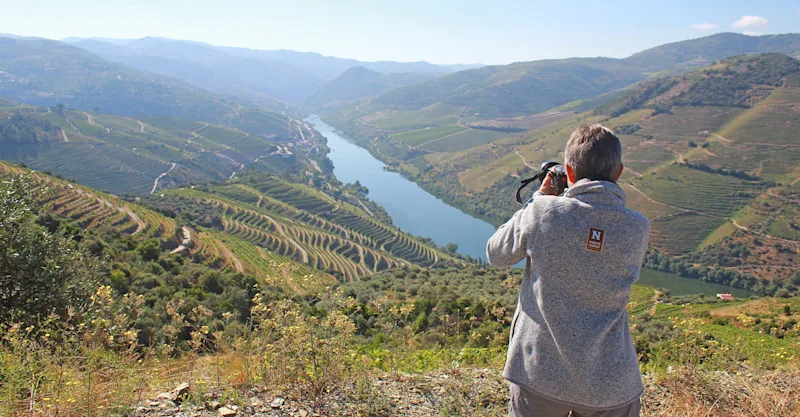
Best known for its legendary Port wine and storybook scenery, Portugal’s Douro Valley is also one of Europe’s most rewarding regions for bird enthusiasts. The Douro Valley stretches almost 400 miles across northern Portugal from Porto to the Spanish border.
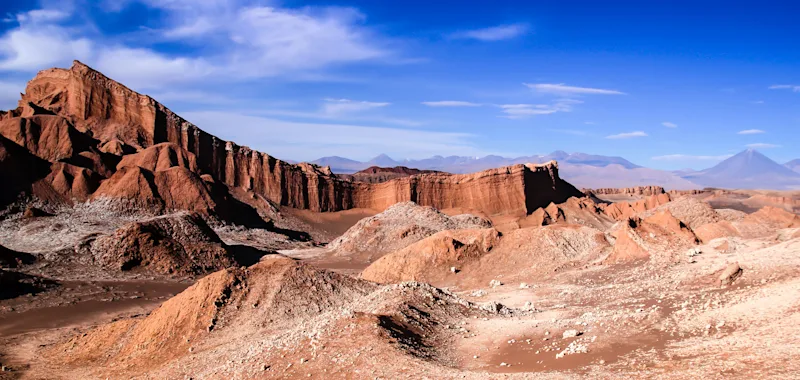
Deserts are far from the lifeless, slow-growing and always arid places they’re often depicted to be. For example, even in Chile’s ultradry Atacama Desert, tiny soil-dwelling nematodes (roundworms) are thriving in surprising diversity.
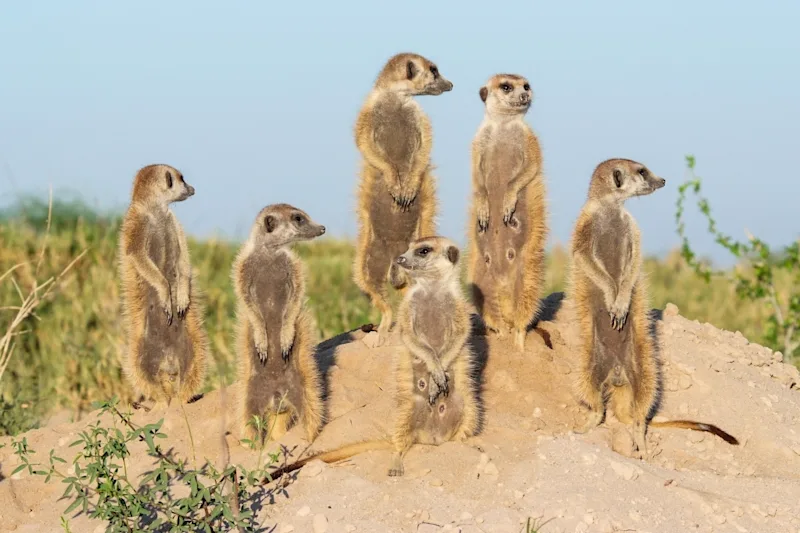
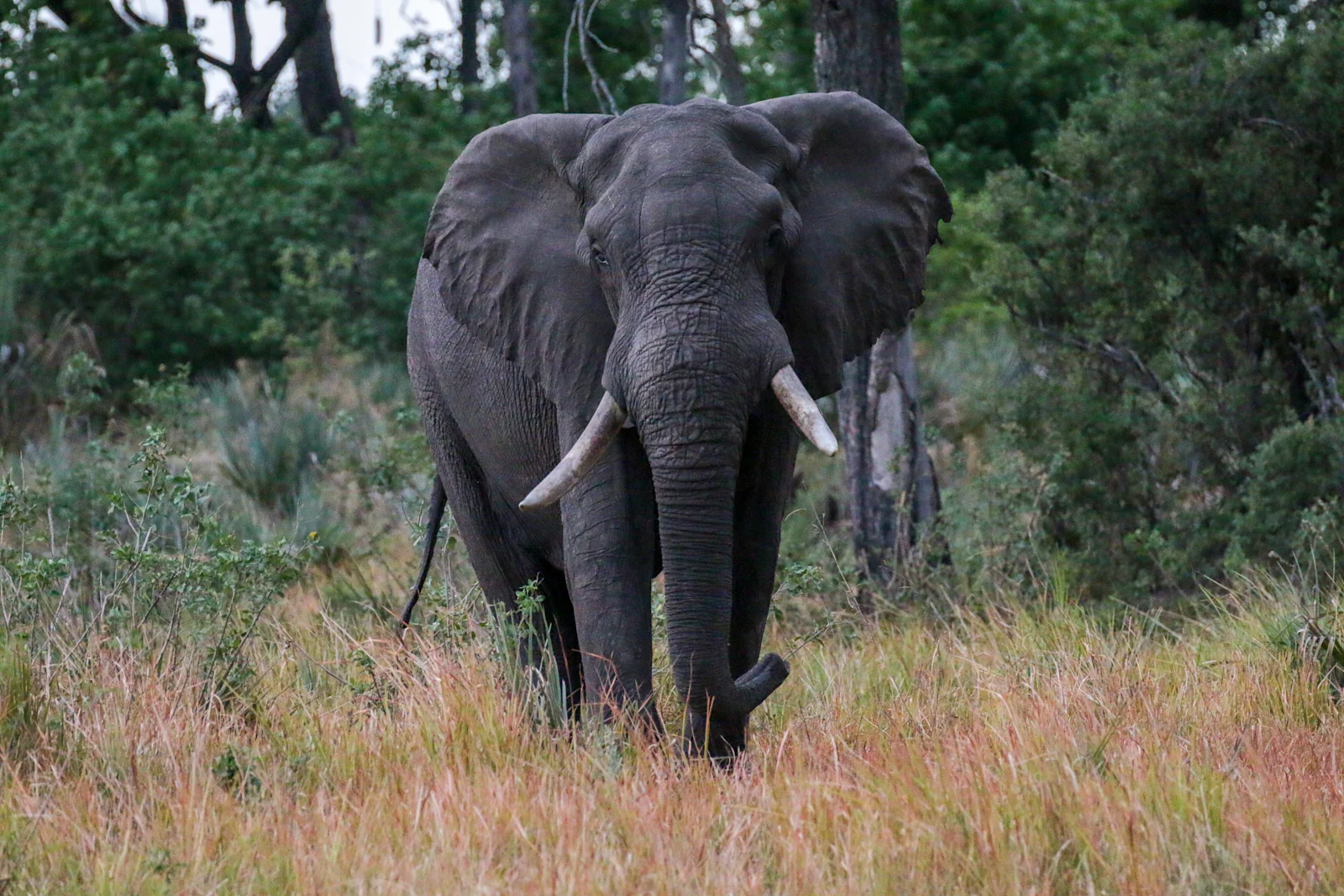
Botswana encompasses a wide range of ecosystems, from the seemingly barren Makgadikgadi Pans to the Okavango Delta’s intricate network of wetlands and waterways. This part of Africa supports a wide array of wildlife. As I traveled through Botswana with a friend, I witnessed wildlife interactions that continue to fuel my passion for conservation.
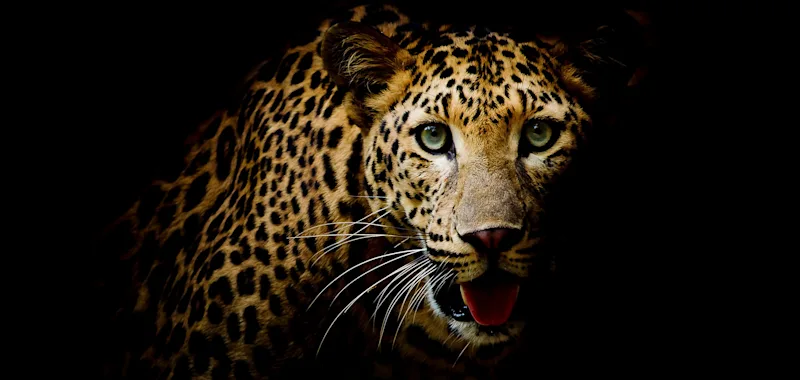
Some tiny birds on remote Scottish islands are undergoing a dramatic evolutionary transformation. Four isolated populations of British wrens have grown astonishingly large. At the other end of the scale, however, leopards in South Africa’s Cape Floristic Region have become much smaller than most African leopards.
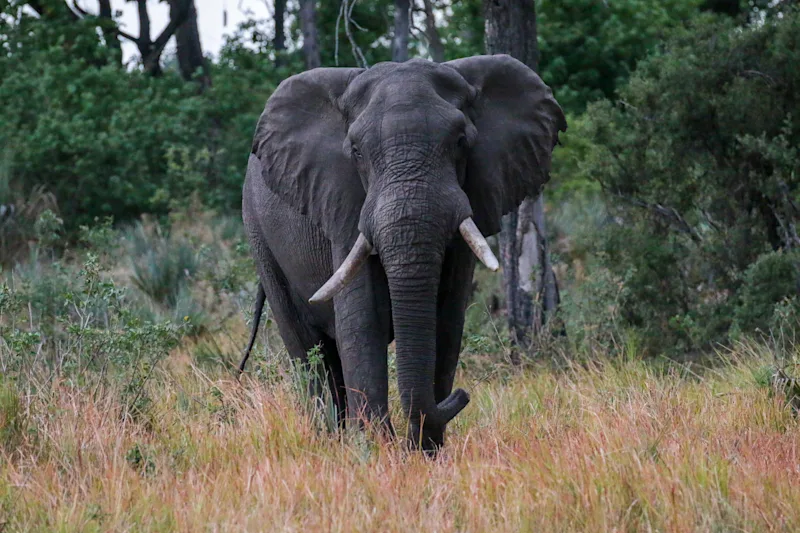
Our Cessna was 5 minutes north of Maun, Botswana, when the landscape changed dramatically. Gone was the dry savanna scrub that had defined the Kalahari and so much of Botswana. In its place were the unmistakable signs of water.
Imagine watching a herd of elephants—all different ages and sizes—wade across the Chobe River at sunset. It’s one of the things that surprised me most during my too-brief stay in Botswana…I didn’t expect to see elephants happily hanging out submerged in deep water, trunks holding greenery up over their heads out of the water.
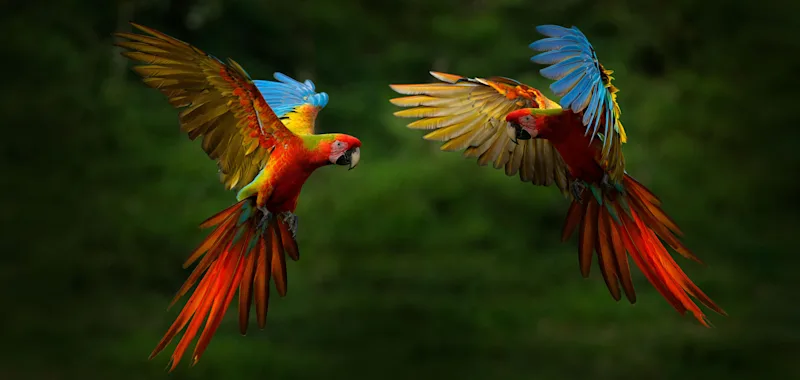
In the United States, we celebrate the annual Friendship Day on the first Sunday in August, which this year is August 2. (The globally recognized date established by the United Nations is July 30.) This designated day is meant to honor the bonds that enrich our lives and to promote peace, solidarity and cross-cultural understanding.
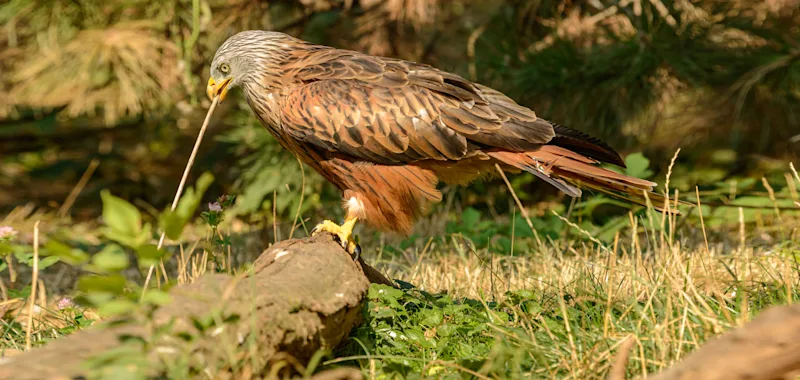
Tool use isn’t unique to humans. Various species across the animal kingdom, including birds, insects and mammals, exhibit the behavior. For example, sea otters use stones to crack open shellfish, while crows modify twigs to probe for hidden prey—and even have been observed using cars to crack open nuts.
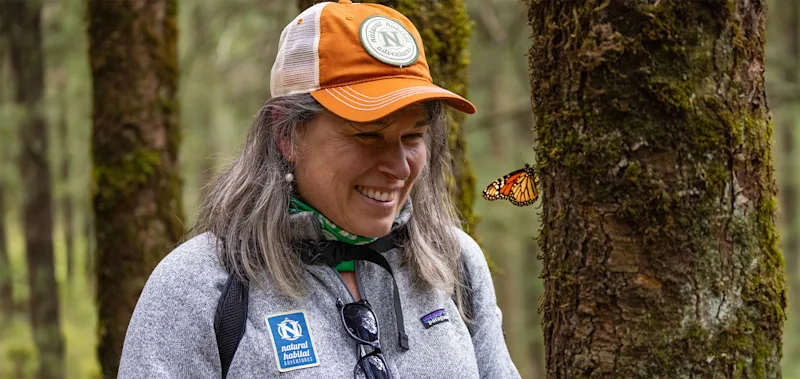
Does it seem to you that all of a sudden, people across North America are talking about milkweed? Lately, stories about milkweed and monarch butterflies have been appearing in local news feeds, garden groups and neighborhood conversations across North America.
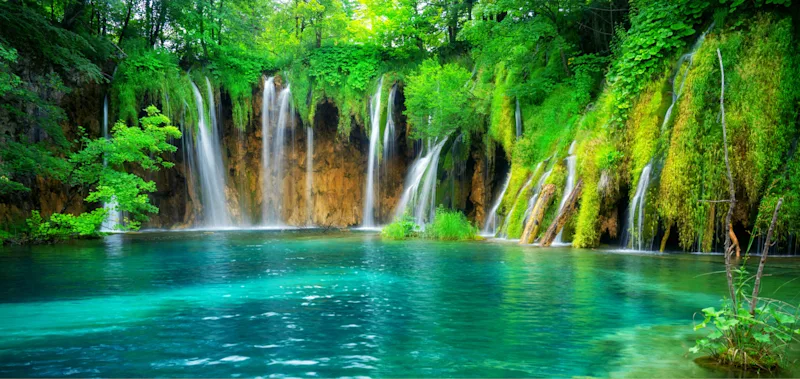
When a group of local and government organizations got together to create a pilot portion of the Via Dinarica—a network of long-distance hiking trails connecting the Balkan countries of Slovenia, Croatia, Bosnia and Herzegovina, Montenegro, Kosovo, Serbia, Albania and Macedonia—in 2010, chances are that no one quite realized this now 1,200-plus miles of combined pathways would…