Nature & Wildlife

1183 stories

  • 5 Strange Species to See in Brazil’s Pantanal

    Sep 28, 2026 · Maddi Higgins

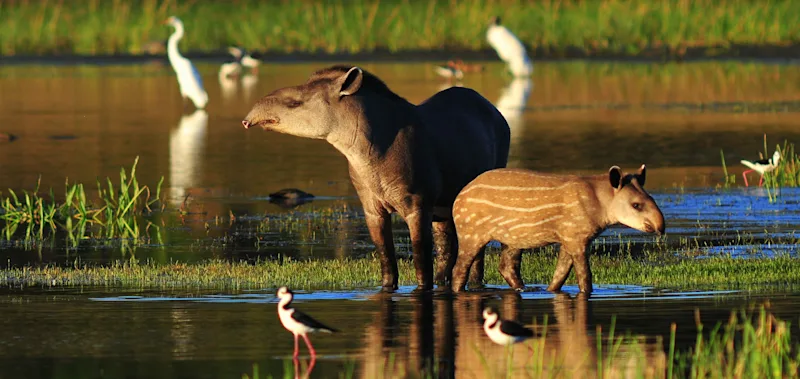
    National Geographic called Brazil’s Pantanal “the Wild Wet,” an appropriate name for a vast area of untouched wetlands teeming with wildlife. The region harbors one of the greatest concentrations of wildlife in South America, including 159 mammal species.
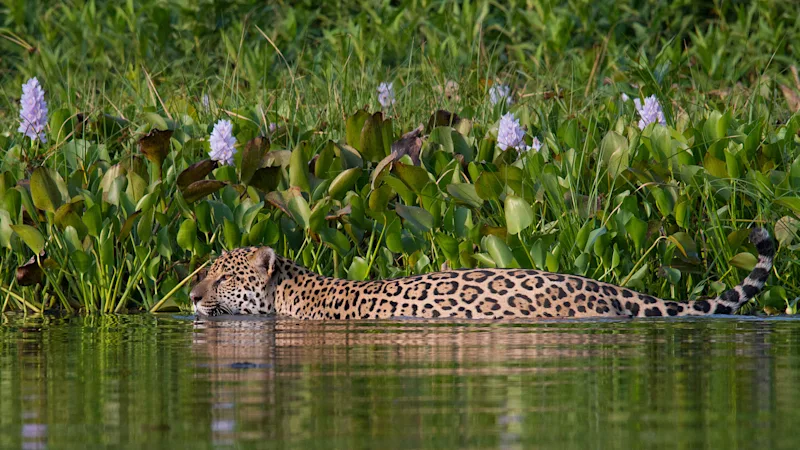
  • How to Spot Jaguars in the Wild in Brazil’s Pantanal

    Sep 27, 2026 · Megan Brief

    More than 1,200 rivers converge to feed the Pantanal, the world’s largest tropical wetland. That’s 42 million acres of aquatic habitat spread across three countries: Bolivia, Brazil and Paraguay.

  • Bolts from the Blue: Sky and Sea Migration Shockers

    Sep 22, 2026 · Candice Gaukel Andrews

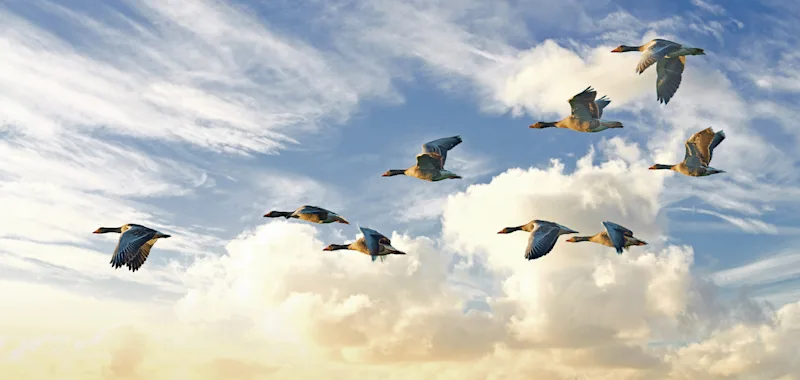
    I’m not a fan of escaping winter; in fact, I think it’s an endangered “species” that we need to cherish while we still have it. But millions of birds appear to disagree with me. Every year, they migrate in huge flocks to escape the season.

  • Discover the Desert Secrets of the Southwestern United States

    Sep 8, 2026 · Megan Brief

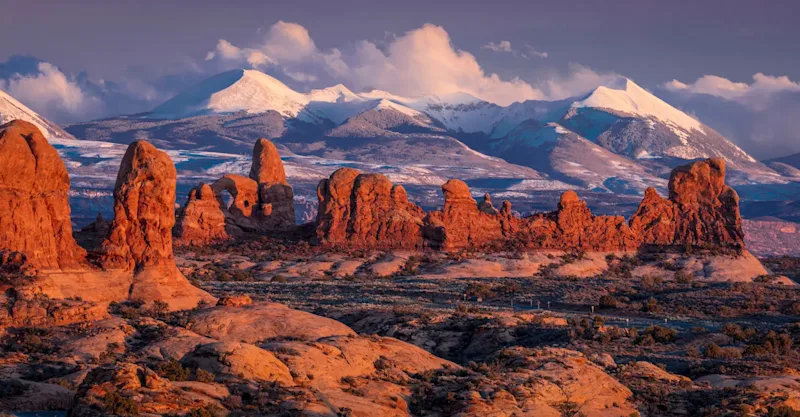
    Have you ever seen a greater short-horned lizard scrape its crown of spines along a canyon rim? Smelled the fresh spray of a cascading spring? Heard the love songs of a northern pygmy-owl duet? Or, perhaps, whispers through the breeze—from the Navajo sedge plants growing in seeps and hanging gardens?

  • Antarctica Holds the Secret to Sociality on Mars

    Sep 8, 2026 · Candice Gaukel Andrews

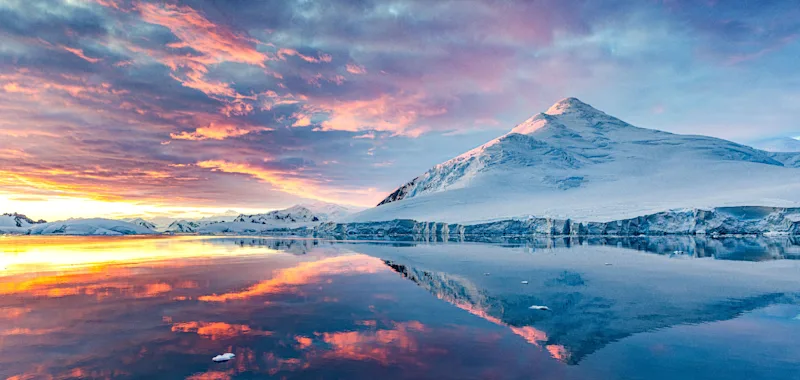
    Antarctica has always been—for lack of another, less trite description—“otherworldly.” It’s clear, clean air and wild, untouched mountains hardly seem part of this planet. But that depiction of the icy continent is usually meant in a metaphorical sense. Now, however, it has taken on a more literal meaning.

  • Consider “Going Green” – Travel During Botswana’s Green Season

    Sep 6, 2026 · WWF

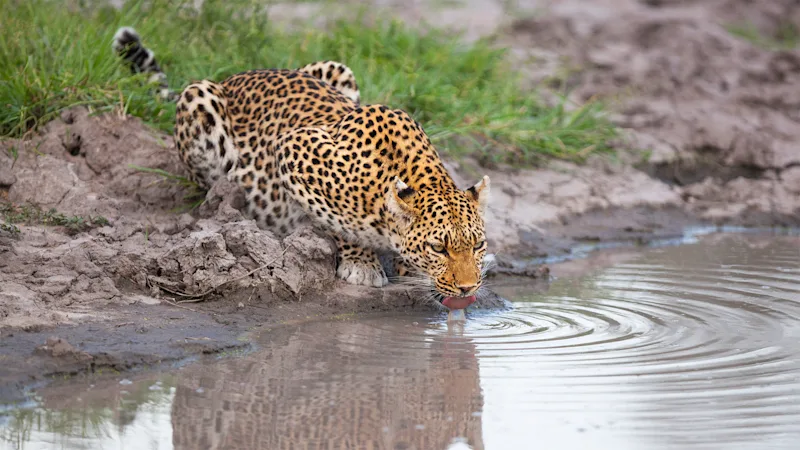
    It was our second day out driving in our open-air jeep in Botswana’s Kalahari Game Reserve when the raindrops started to fall. As we’d headed out that afternoon, the sky above us looked bright and sunny, but in the distance we could see dark clouds forming and the occasional lightning bolt.

  • The Singing Lemurs of Madagascar

    Sep 4, 2026 · Megan Brief

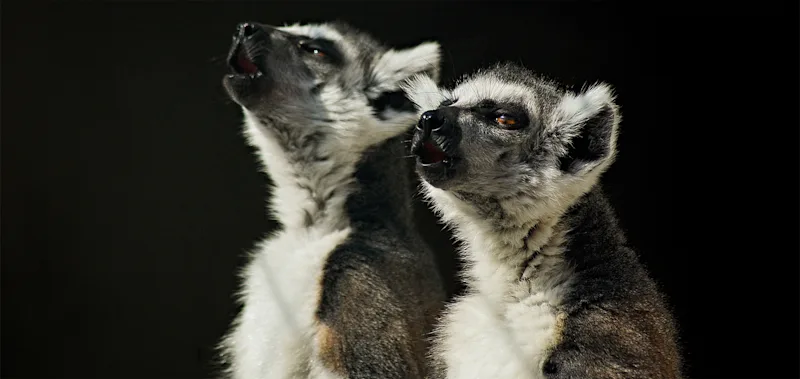
    Often referred to as the “eighth continent,” the island nation of Madagascar has developed its own distinct ecosystems and extraordinary wildlife since it split from the African continent an estimated 160 million years ago. Approximately 95% of Madagascar’s reptiles, 89% of its plant life and 92% of its mammals exist nowhere else on Earth.

  • Why the Cotswolds Is an English Area of Outstanding Natural Beauty

    Sep 3, 2026 · Cathy Brown

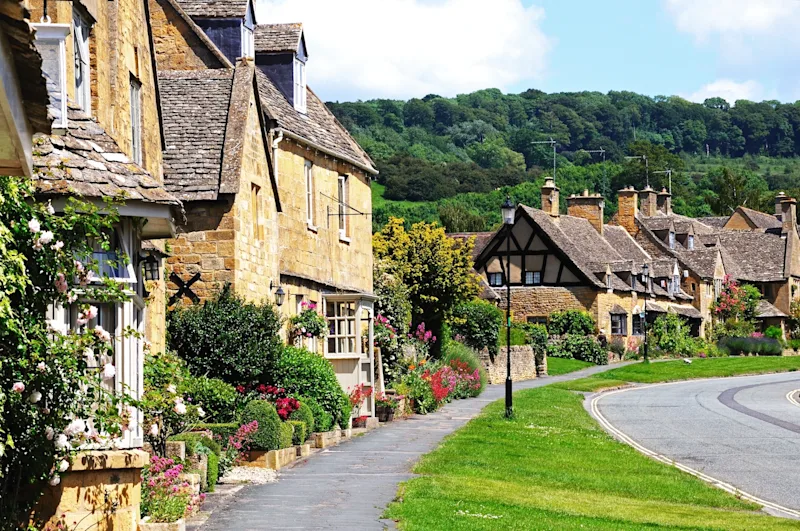
    Daydreaming of a trip to England quickly conjures the image of sheep grazing on rolling green hills, villages with quiet lanes dotted with thatched cottages and local pubs, medieval churches, and lazy, winding rivers. Nowhere does the word “bucolic” apply more than in the Cotswolds.

  • Butterfly Benefits and Insect Issues

    Sep 1, 2026 · Candice Gaukel Andrews

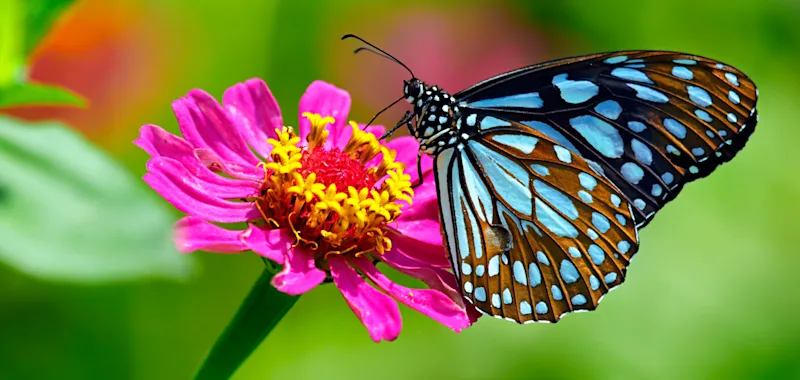
    While I have never considered insects my favorite category of fauna, I have to admit that some “fun facts” about them intrigue me. For example, ants can lift and carry more than 50 times their own weight. While gathering food, a bee may fly up to 60 miles in one day.

  • Urgent: Help Protect the Bears of Alaska’s Lake Clark National Park!

    Aug 22, 2026 · Natural Habitat Adventures

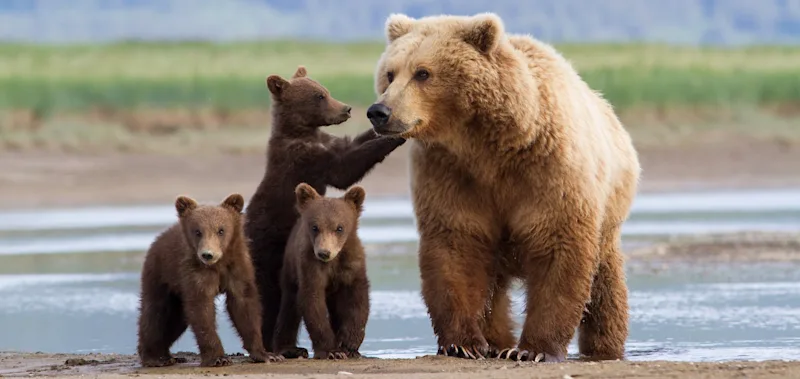
    Two years ago, we asked you to speak up against a proposed mining project threatening Alaska’s Lake Clark National Park and its extraordinary wildlife. Now, we need your help again. The proposed Johnson Tract Mine has continued to advance—and it is now moving forward on a federal fast-track.

  • Celtic Animism: How Mythology Can Make You a More Attentive Traveler

    Aug 19, 2026 · Cathy Brown

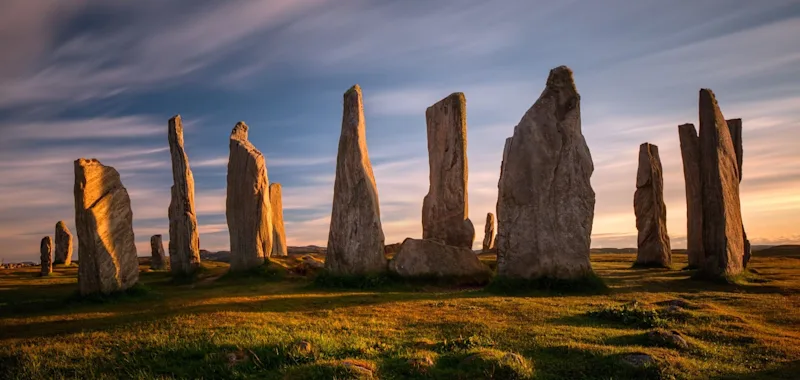
    When traveling, it’s easy to see new landscapes and animals, perhaps check them off a bucket list, snap a photo and then move on. But you’ll walk away with a deeper appreciation if you take the time to learn how local cultures have interacted with those landscapes and animals throughout time.

  • Humans May Not Be the Only Animals with Language

    Aug 18, 2026 · Candice Gaukel Andrews

    The Encyclopedia Britannica currently defines language as “a system of conventional spoken, manual (signed) or written symbols by means of which human beings, as members of a social group and participants in its culture, express themselves. The functions of language include communication, the expression of identity, play, imaginative expression and emotional release.”