
Thanksgiving: Crops, Chemicals and Climate Change


The Thanksgiving holiday is rooted in fall harvests. It brings family, Indigenous crops and modern agriculture together. Today, it also brings climate change, opens in new tab to the table.
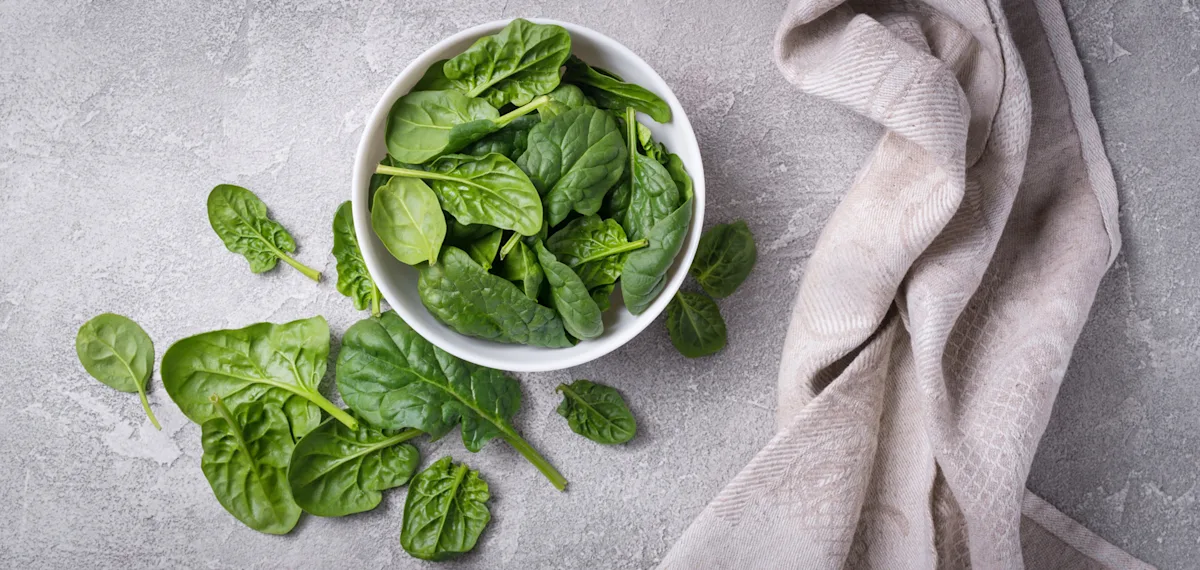
Unfortunately, climate change is silently sapping the nutrients from our food. A pioneering study finds that rising CO2 levels and higher temperatures are not only reshaping how crops grow but are also degrading their nutritional value, especially in vital leafy greens like kale and spinach. This shift could spell trouble for global health, particularly in communities already facing nutritional stress.
However, there are some antidotes. In the United States, irrigation produces some greenhouse gas emissions,, opens in new tab but new research suggests it prevents vastly more by allowing farmers to grow more food on less land. Without irrigation, replacing lost crop yields could require converting natural ecosystems into farmlands, releasing an estimated 6.86 gigatons of greenhouse gases. That’s equivalent to about 363 years of the current annual U.S. irrigation emissions.
In addition, there’s a promising new way to protect against a devastating fungus that threatens barley, rice and wheat worldwide and, therefore, global food security. By engineering the natural immune defenses of plants, researchers developed an experimental approach that’s capable of recognizing multiple fungal threats at once. The breakthrough could eventually lead to crops with powerful, long-lasting disease resistance, helping protect a global food supply increasingly threatened by climate change.
There’s another visitor—or, more accurately, visitors—that you may not have expected to make an appearance at your Thanksgiving table this year. Thousands of food chemicals are with you at your meal that go far beyond the nutrients listed on nutrition labels. This “nutritional dark matter” may hold the key to understanding healthy aging, disease risk and why different diets affect people in dramatically different ways.
Bigger crops but fewer nutrients: the hidden cost of climate change
Most research into the impact of climate change on food production has focused on crop yields, but the size of the harvest means little if the nutritional value is poor. Now, scientists are discovering that environmental shifts associated with climate change can affect everything from photosynthesis and growth rates to the synthesis and storage of nutrients in crops.
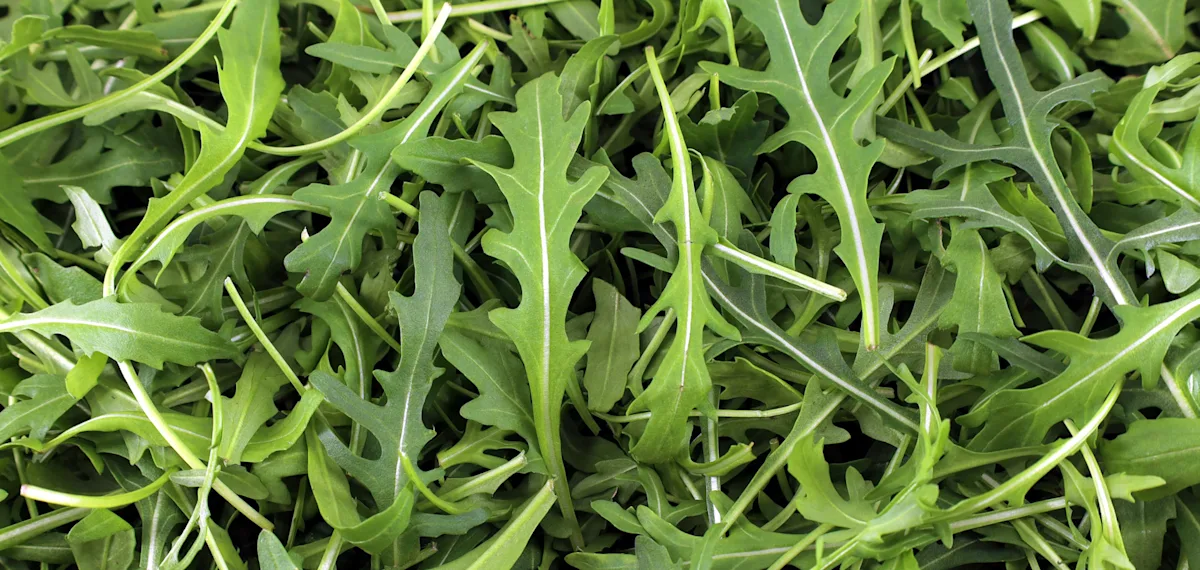
To look into this relationship, researchers at England’s Liverpool John Moores University grew popular leafy vegetables—including kale, rocket and spinach—in environment-controlled growth chambers. The CO2 and temperature levels were changed to simulate England’s predicted future climate scenarios. Photosynthetic markers, such as chlorophyll, fluorescence and quantum yield (a measurement that describes the efficiency of photosynthesis), were assessed as the crops grew, while biomass and yield were recorded at harvest.
After the plants had been grown under climate-change conditions, their nutritional quality was analyzed using high-performance liquid chromatography, opens in new tab and X-ray fluorescence, opens in new tab profiling to measure the concentrations of antioxidants, flavonoids, phenolics, proteins, sugars and vitamins. Preliminary results revealed that elevated levels of atmospheric CO2 can help crops grow bigger and faster, but certainly not healthier. After some time, the crops showed a reduction in certain antioxidant compounds and in key minerals like calcium.
When the temperature continued to increase, the crops did not grow as big or fast; yet the decline in nutritional quality intensified. While different crops did respond differently to these climate-change stressors—with some species reacting more intensely than others—this nutritional imbalance poses serious health implications for humanity. While higher CO2 levels can increase the concentration of sugars in crops, it can dilute essential antioxidants, minerals, proteins and vitamins. This altered balance could contribute to diets that are higher in calories but poorer in nutritional value; for example, an increased sugar content in crops, especially fruits and vegetables, could lead to greater risks of obesity and type 2 diabetes—particularly in populations already struggling with noncommunicable diseases.
Although this research simulates England’s projected climate changes, the implications are global. Food systems in the Global North are already being challenged by more frequent heat waves, unpredictable growing seasons and shifting weather patterns. In tropical and subtropical regions, home to millions who depend directly on agriculture for food and income, overlapping stressors—such as drought, pests and soil degradation—come into play.
The scientists conclude that it’s important to connect plant science with broader issues of human well-being. As the climate continues to change, they say, we must think holistically about the kind of food system we’re building: one that not only produces enough food, but also promotes equity, health and resilience.
Irrigation: a climate benefit that prevents more greenhouse gases than it produces
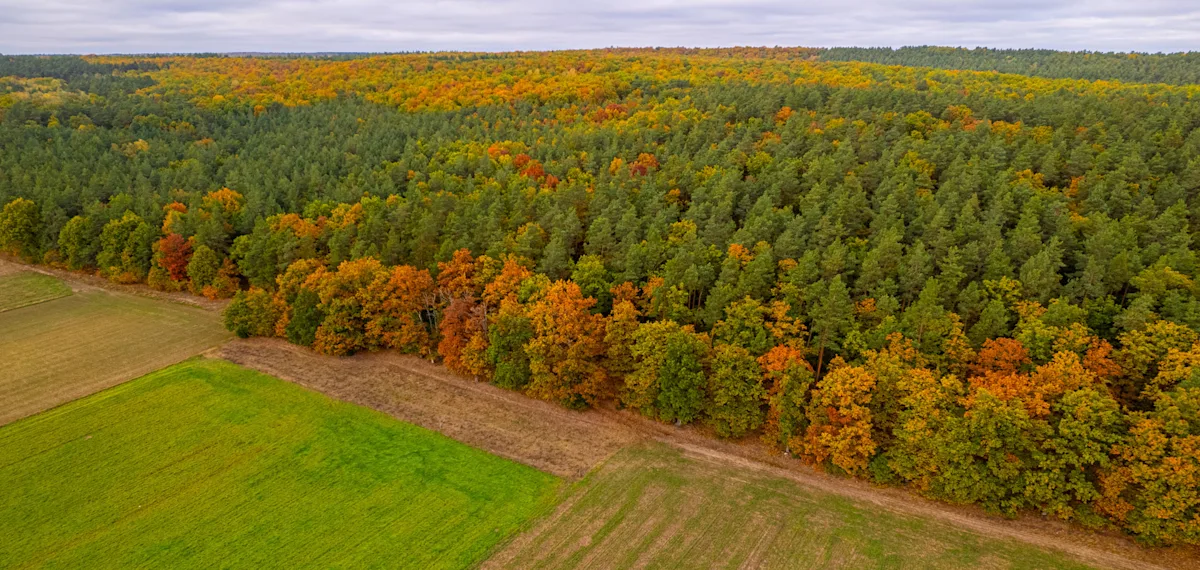
Natural ecosystems store enormous amounts of carbon in soils and vegetation. When forests, grasslands or other landscapes are converted into farmlands, some of that stored carbon is released into the atmosphere. Agricultural land use and land conversion associated with producing fiber, food and fuel account for almost a quarter of global greenhouse gas emissions., opens in new tab That makes changes in agricultural land use an important consideration in efforts to reduce emissions.
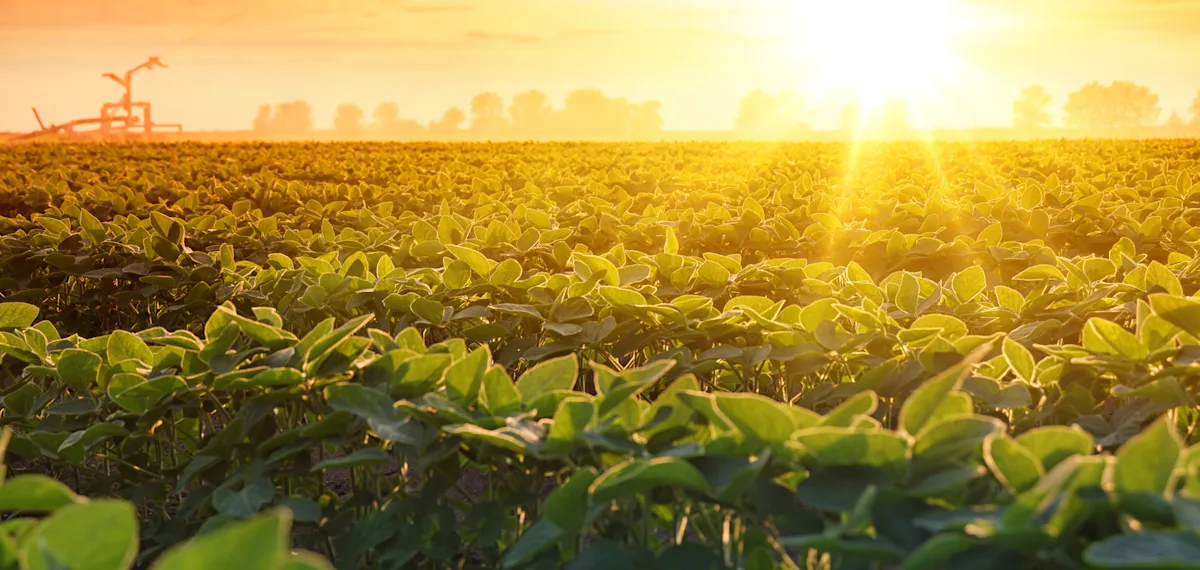
Irrigation, though, increases crop yields, which means the same amount of food can be grown on a smaller area. According to researchers from Colorado State University, if irrigation across the United States were suddenly eliminated, making up for the lost agricultural production would require expanding farmlands. The greenhouse gas emissions associated with that land conversion would be 363 times greater than the emissions currently produced by irrigation itself. Irrigation, then, has a net positive effect on emissions; and they could decline further with electrification, state the researchers in their report in the journal Proceedings of the National Academy of Sciences, opens in new tab in September 2026.
The largest source of greenhouse gas emissions linked directly to irrigation is the energy required to move water. Pumps are used both on farms and to transfer water between river basins; and when that equipment relies on fossil fuels, it produces emissions. Replacing fossil-fuel-powered pumping systems with electric equipment could lower irrigation-related emissions, especially as the electricity grid becomes cleaner.
Earlier studies by the Colorado State University research team examined other direct emissions associated with irrigation. These include smaller releases of nitrous oxide caused by microbial respiration, along with carbon dioxide that is dissolved in groundwater and released when that water is sprayed across fields. The new analysis is the first from the group to directly compare those emissions with the indirect greenhouse gas benefits created when irrigation reduces the need to convert additional land into agriculture.
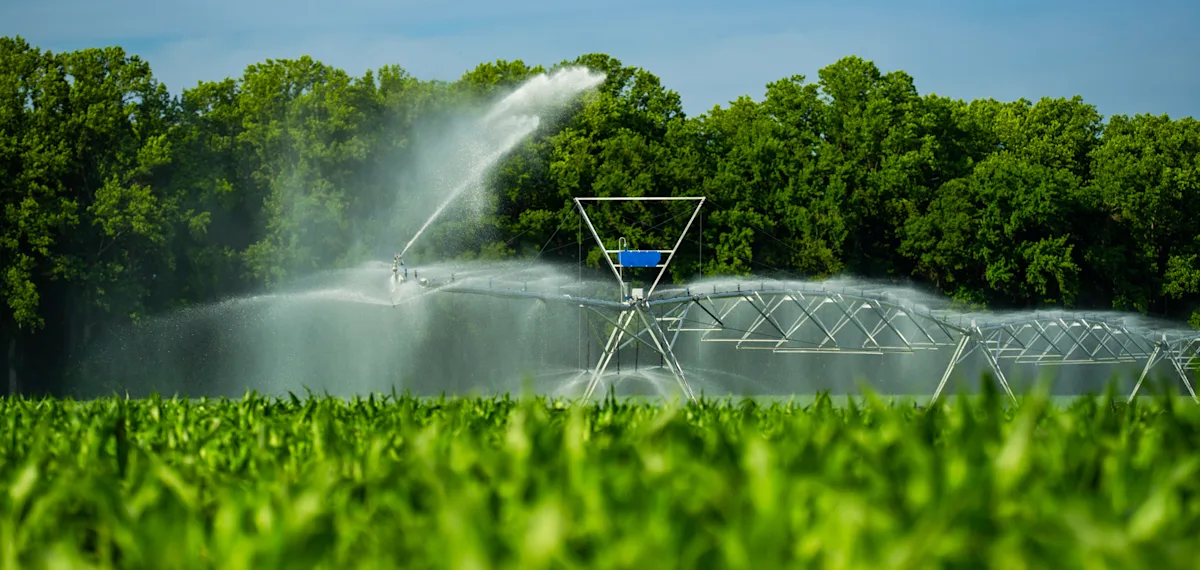
To determine how much land irrigation currently spares, the scientists first measured how much irrigation improves crop yields across individual U.S. counties. They then calculated the relationship between irrigated and rain-fed crop yields using existing agricultural survey data combined with a machine-learning model.
Next, the team used a global economic model that simulates agricultural production, consumption and international trade. This allowed the scientists to estimate how farming would shift if all U.S. crops suddenly depended entirely on rainfall. The model considered economic supply and demand, as well as which crops could realistically be grown in different regions. From there, the researchers mapped where additional agricultural land would likely be needed if U.S. irrigation disappeared. They combined those results with maps showing how much carbon is stored in vegetation and soils. Using information about how those carbon stores change when natural landscapes are converted into farmlands, they calculated the greenhouse gas emissions that could result.
The results showed that irrigation prevents an estimated 6.86 gigatons of greenhouse gas emissions through avoided land conversions. That total exceeds all U.S. greenhouse gas emissions in 2024 (5.91 gigatons) and is equal to roughly 13% of total global emissions that year. These findings, the researchers argue, show why climate-smart agricultural policies need to account for both the emissions created directly on farms and the indirect effects that agricultural productivity can have on land use elsewhere. They suggest that policymakers consider incentives for electrification when designing climate-smart agriculture programs.
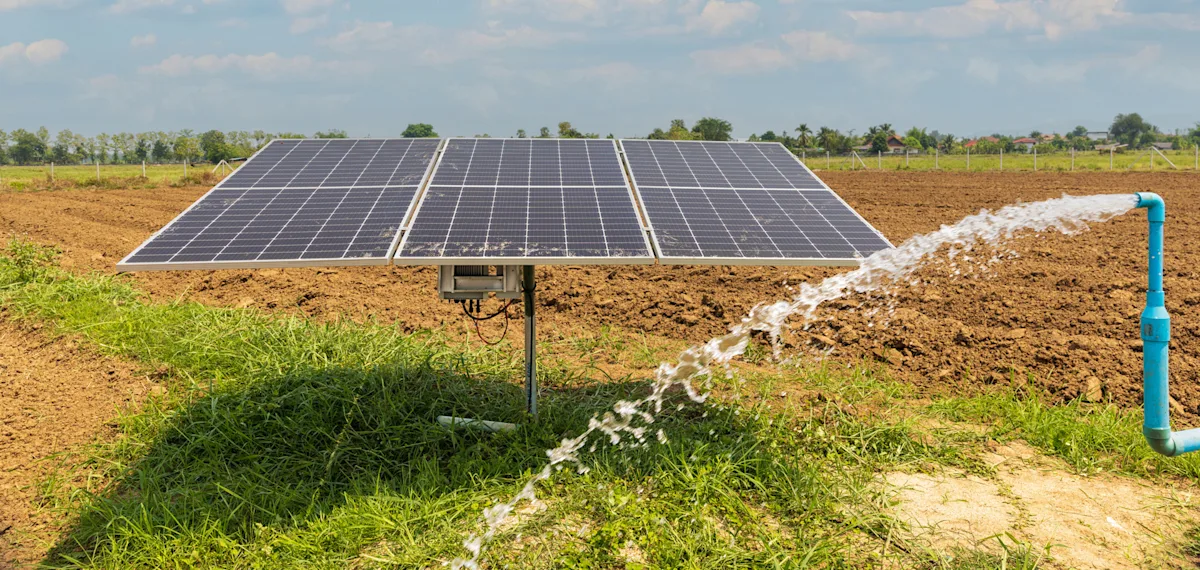
Fungus: climate change and cereal
Rice blast fungus (magnaporthe oryzae), opens in new tab is a devastating fungus that threatens the global food supply. It’s responsible for blast disease, which causes the most serious fungal disease affecting cultivated rice. It has also become a major threat to barley and wheat in parts of Africa and Asia. Although the disease has not been detected in the United Kingdom, climate change could eventually create conditions that allow it to threaten cereal production in northern Europe.
The damage is enormous. Each year, rice blast destroys enough rice to feed approximately 60 million people. As the fungus spreads into additional agricultural regions, developing effective ways to protect crops has become increasingly important for global food security.
The fungus infects plants through a sophisticated biological strategy. It delivers specialized molecules known as “effectors” into cells in the leaves and stems. These molecules interfere with normal plant functions, allowing the pathogen to establish an infection and promote disease.

Plants, however, have evolved their own defense systems. Specialized immune receptors can recognize these foreign molecules and trigger a protective response. One important mechanism involves causing infected cells to die in a controlled, localized area, helping prevent the pathogen from spreading farther through the plant.
For more than three decades, much of the research into plant immunity has centered on proteins called “nucleotide-binding and leucine-rich receptors (NLRs).”, opens in new tab These receptors have played a central role in understanding how crops recognize and defend themselves against blast disease and other infections. But more recently, scientists have begun investigating another group of immune proteins found in cereal crops, known as “tandem kinase proteins (TKPs).”, opens in new tab Although researchers are still learning how these receptors operate, they appear to offer additional opportunities for strengthening plant defenses.
Earlier studies revealed that some TKPs contain a specialized region called a “heavy metal associated (HMA) domain.” Similar regions are also found in certain NLR receptors, where they help recognize pathogen effectors and initiate immune responses. This shared feature made scientists think that they might be able to redesign the receptors to recognize additional fungal threats. If they could engineer these integrated HMA domains for new properties by making amino acid protein changes where effectors bind, they could gain what’s called “novel recognition specificities” and potentially a new frontline for the defense of plants against disease.
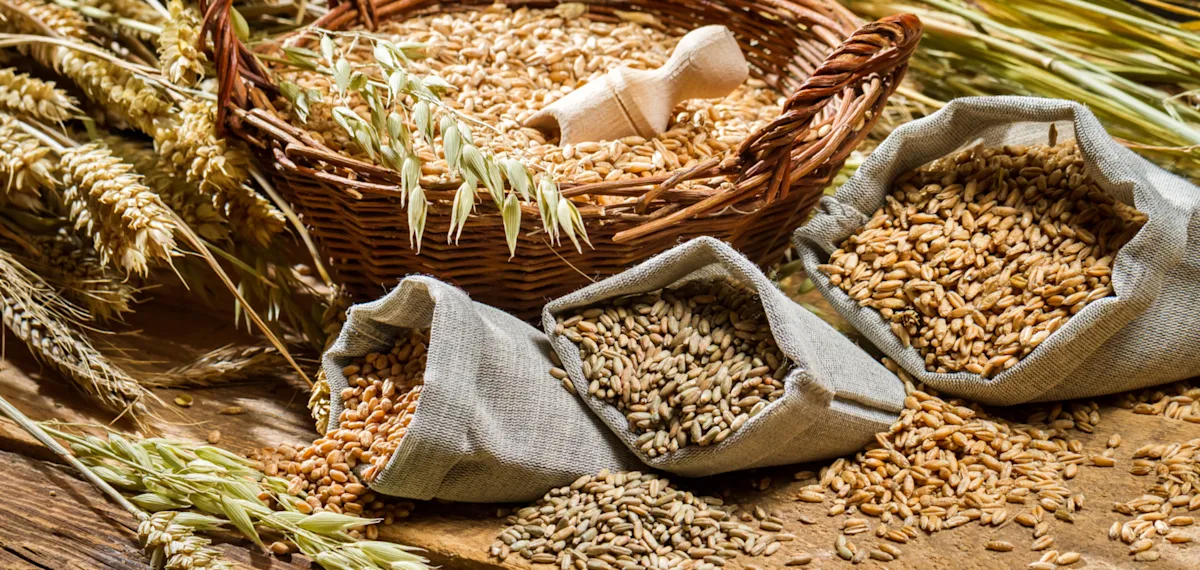
In the study, published in the journal Science Advances, opens in new tab in September 2026, an international team of researchers, led by scientists at the John Innes Center in England, examined precisely how HMA domains interact with the molecules released by the blast fungus. Using biophysical techniques and crystallography—a method that allows scientists to determine the detailed, three-dimensional structure of molecules—the team obtained a high-resolution view of how these plant receptors bind to fungal effectors. The results revealed that HMA domains can function as biological bait. By binding to molecules the fungus uses during infection, these regions help plants recognize the presence of an invading pathogen and activate their defenses.
Armed with this structural information, the researchers modified TKP immune receptors so they could recognize two different fungal effectors associated with infections in barley and wheat. This ability to detect multiple targets, known as “dual specificity,” is unusual in naturally occurring immune receptors. Demonstrating that it can be introduced through protein engineering suggests a promising way to expand the range of threats that crop immune systems can recognize. The findings also provide a foundation for investigating other recently identified TKPs in different cereal crops. Scientists may eventually be able to design customized immune receptors that detect several fungal effectors simultaneously, potentially making plants more difficult for pathogens to infect.
By revealing how a previously underexplored class of plant immune receptors can be engineered to recognize multiple fungal threats, the researchers have identified a possible new strategy for protecting future harvests. Further testing will be necessary to establish whether these modified defenses work effectively in whole plants and under agricultural conditions. If successful, combining different immune receptors could eventually help scientists develop crops with more resiliency against one of agriculture’s most destructive fungal diseases.

Our food: a climate of mystery
When scientists cracked the human genome, opens in new tab in 2003—sequencing the entire genetic code of a human being—many expected it would unlock the secrets of disease. But genetics explained only about 10% of the risk. The other 90% lies in the environment, and diet plays a huge part.
Worldwide, poor diet is linked to about one in five deaths among adults aged 25 years or older. In Europe, it accounts for nearly half, opens in new tab of all cardiovascular deaths. But despite decades of advice about cutting fat, salt or sugar, diet-related illnesses and obesity have continued to rise., opens in new tab
Clearly, something is missing from the way we think about food. For years, nutrition has often been framed in fairly simple terms: food as fuel and nutrients as the body’s building blocks. Proteins, carbohydrates, fats and vitamins—about 150 known chemicals, opens in new tab in total—have dominated the picture. But scientists now estimate our diet actually delivers more than 26,000 compounds, with most of them still uncharted.

Here is where astronomy provides a useful comparison. Astronomers know that dark matter, opens in new tab makes up about 27% of the universe. It doesn’t emit or reflect light, and so it cannot be seen directly; but its gravitational effects reveal that it must exist. Nutrition science faces something similar. The vast majority of chemicals in food are invisible to us in terms of research. We consume them every day, but we have little idea what they do. Some experts refer to these unknown molecules as “nutritional dark matter.”, opens in new tab It’s a reminder that just as the cosmos is filled with hidden forces, our diet is packed with hidden chemistry.
When researchers analyze disease, they look at a vast array of foods, although any association often cannot be matched to known molecules. This is the dark matter of nutrition: the compounds that we ingest daily but that haven’t been mapped or studied. Some may encourage health, but others may increase the risk of disease. The challenge is finding out which ones do what.
The field of foodomics aims to do exactly that. It brings together genomics (the role of genes), proteomics (proteins), metabolomics (cell activity) and nutrigenomics (the interaction of diet and genes). These approaches are starting to reveal how diet interacts with the body in ways that are far beyond calories and vitamins.
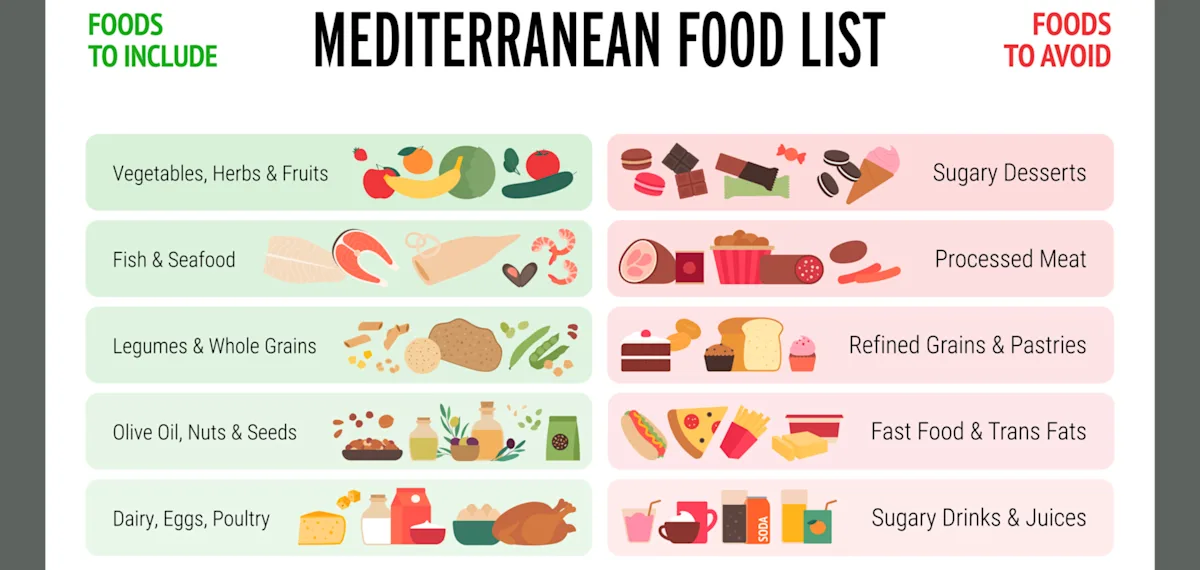
For example, take the Mediterranean diet, opens in new tab (filled with fish, fruits, legumes, nuts, olive oil, vegetables and whole grains, with limited red meat and sweets), which is known to reduce the risk of heart disease. But why does it work? One clue lies in a molecule called TMAO (trimethylamine N-oxide),, opens in new tab produced when gut bacteria metabolize compounds in eggs and red meat. High levels of TMAO increase the risk of heart disease. But garlic contains substances that block its production. Thus, diet can tip the balance between harm and health.
Gut bacteria also play a major role. When compounds reach the colon, microbes transform them into new chemicals that can affect immunity, inflammation and metabolism. For instance, ellagic acid—found in various fruits and nuts—is converted by gut bacteria into urolithins, a group of natural compounds that help keep our mitochondria (the body’s energy factories) healthy.
This shows how food is a complex web of interacting chemicals. One compound can influence many biological mechanisms, which in turn can affect many others. Diet can even switch genes on or off through epigenetics,, opens in new tab changes in gene activity that don’t alter DNA itself. History has provided stark examples of this, as when children born to mothers who endured famine in the Netherlands during World War II were more likely, opens in new tab to develop type 2 diabetes, heart disease and schizophrenia later in life. Decades on, scientists found their gene activity had been altered by what their mothers ate—or didn’t eat—while pregnant.

Projects such as the Foodome Project are now attempting to catalog this hidden chemical universe. More than 130,000 molecules, opens in new tab have already been listed, linking food compounds to disease processes, gut microbes and human proteins. The aim is to build an atlas of how diet interacts with the body and to pinpoint which molecules matter for health. The hope is that by understanding nutritional dark matter, we can answer questions that have long frustrated nutrition scientists. Why do certain diets work for some people but not others? Why do foods sometimes prevent and sometimes promote disease? Which food molecules can be harnessed to develop new drugs or new foods?
Crop contemplation
It’s clear that the food on our plates is not just calories and nutrients; it’s a foundation for climate adaptation and human development. It’s also a vast chemical landscape we are only beginning to chart. Just as mapping cosmic dark matter is transforming our view of the universe, uncovering nutritional dark matter could transform how we eat, how we treat disease and how we understand health itself.
This year, as you begin to plan your Thanksgiving feast, take a moment to think about all of the care and work that you and others put into growing, protecting and preparing our crops for consumption—the food that makes our gatherings so memorable and warm.
Here’s to finding your true places and natural habitats,
Candy