Good Nature Travel Blog

  • Nature & Wildlife

    Nature’s Lights: Bioluminescence and Fluorescence

    Mar 17, 2026 · Candice Gaukel Andrews

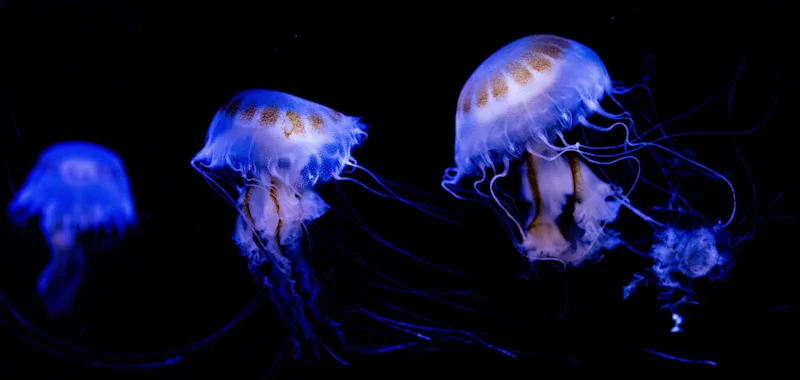
    Natural lights in nature come in two familiar forms: bioluminescence and fluorescence. They differ primarily by their light source: bioluminescence is a chemical reaction within an organism that creates its own light, while fluorescence is a physical process where an organism or object absorbs external light and reemits it.
  • Conservation

    Coffee, a Climate-Change Fix and a Green Fuel

    Mar 10, 2026 · Candice Gaukel Andrews

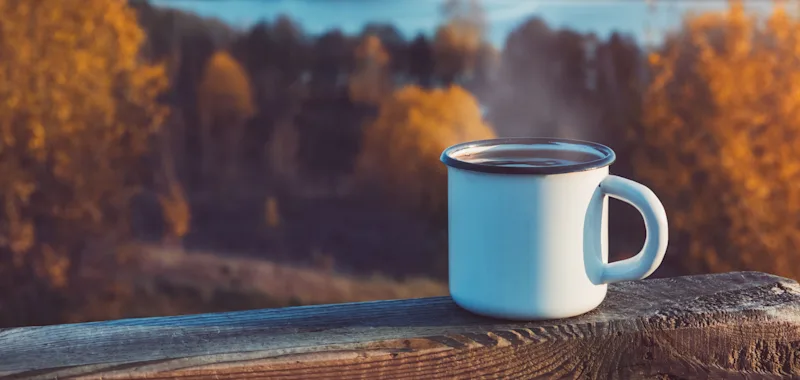
    Do you crave a cup of coffee in the morning like I do? We’re not alone. Globally, people drink more than 2.2 billion cups daily. And someone has to grow all that joe: more than 100 million farmers worldwide produce coffee.

  • Nature & Wildlife

    Birds as Architects of Life

    Mar 3, 2026 · Candice Gaukel Andrews

    When the island of Surtsey erupted from the sea near Iceland in 1963, it became a living experiment in how life begins anew. Decades later, scientists discovered that the plants colonizing this young island weren’t carried there by ocean currents or by the wind, but by birds, who served as winged gardeners.

  • Nature & Wildlife

    Minuscule Mosses and Their Truly Tall Talents

    Jan 27, 2026 · Candice Gaukel Andrews

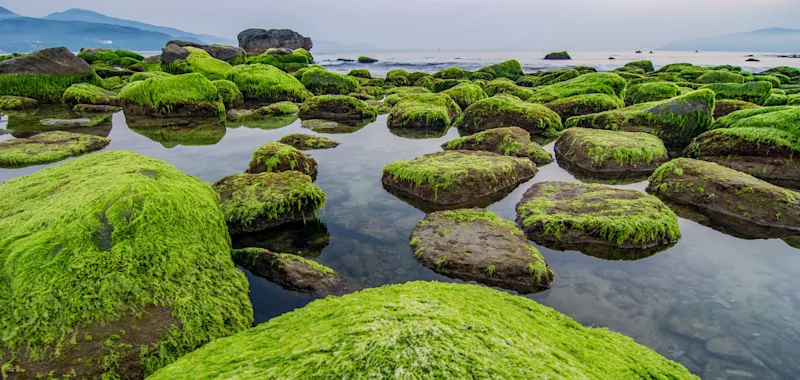
    Small plants like mosses rarely draw our attention. Many moss species grow close to the ground in damp, shaded environments and are no wider than an eyelash. Despite their modest appearance, however, these plants have some formidable capabilities.

  • Nature & Wildlife

    Orangutans Show Us a Better Way of Eating

    Jan 20, 2026 · Candice Gaukel Andrews

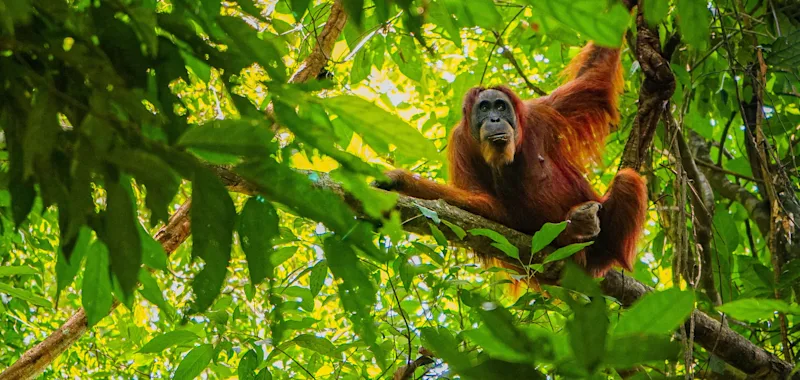
    How are you progressing on your New Year’s resolutions? If you’re like most people, you gave up on them surprisingly fast, with the second Friday in January often called “Quitter’s Day,” because many abandon goals by then. By the second week of February, an estimated 80% of people have scrapped their ambitions.

  • Conservation

    Vanishing Things

    Jan 13, 2026 · Candice Gaukel Andrews

    Things are vanishing. Here’s an example: humanity has already pushed 60% of Earth’s land outside its safe biosphere zone, with 38% in a high-risk state. Centuries of data confirm how human demands on biomass—from energy production to farming—have destabilized ecosystems worldwide. Asia, Europe and North America show the deepest disruptions, reflecting centuries of land-use change.

  • Travel Tips

    20 Tips for Making the Most of Your National Park Trip

    Jan 6, 2026 · Candice Gaukel Andrews

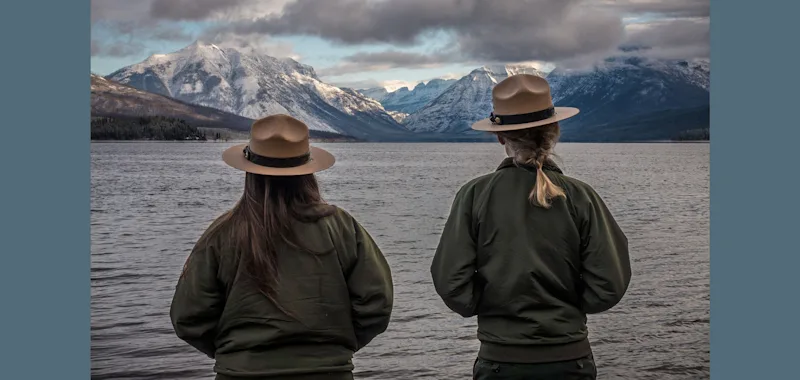
    Mountains, seashores, grasslands, wetlands, coral reefs and glaciers. Our national parks protect a multitude of terrains for every taste. And with more than 400 national park units across the country to explore, it can be daunting to choose which one you want to visit the soonest. Luckily, you have help.

  • Nature & Wildlife

    The Cure for the Pressures of Modern Life Is Nature

    Jan 6, 2026 · Candice Gaukel Andrews

    The end-of-the-year holidays are once again over. Now, we enter January, famously known as “get-in-shape month.” Typically, this is when we focus on diet plans and gym memberships. But this year, you may want to give your mental health equal priority.

  • Nature & Wildlife

    Incredible But Imperiled Bird and Caribou Migrations

    Dec 16, 2025 · Candice Gaukel Andrews

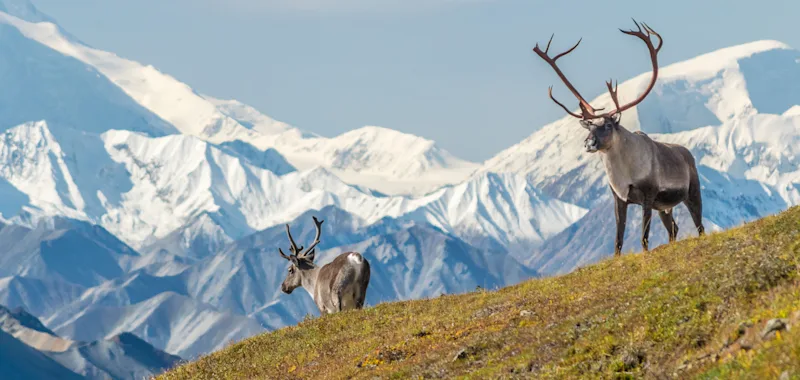
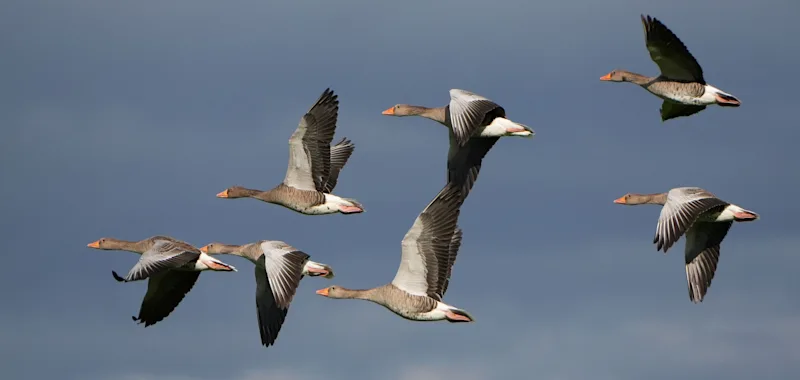
    Migration is a wonderful word. It doesn’t merely mean a physical relocation but is an expression of strength, resilience, the universal desire for well-being and a movement toward hope. I have always thought of migrations as nature in motion.

  • Nature & Wildlife

    Plant Superpowers and Fungi Flexibilities

    Dec 9, 2025 · Candice Gaukel Andrews

    All organisms on Earth are traditionally placed into six kingdoms of life: Animalia (animals), Archaebacteria (bacteria often found in extreme environments, such as hot springs and hydrothermal vents), Eubacteria (true bacteria), Fungi (molds, mushrooms and yeasts), Protista (algae and amoebas) and Plantae (plants).

  • Nature & Wildlife

    Lives of Yellowstone: From Large to Small; Ancient to New

    Dec 5, 2025 · Candice Gaukel Andrews

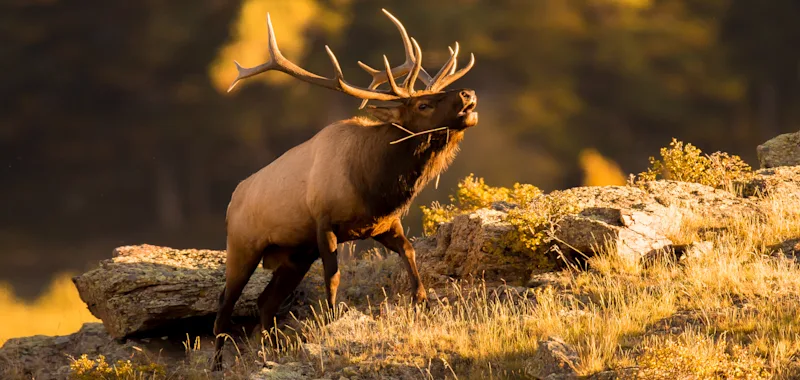
    Large herbivores—such as bison and elk—have continuously lived in the Yellowstone National Park region for at least 2,300 years, according to a new analysis of chemicals preserved in lake sediments. How have they made their livings and survived for so long?

  • Nature & Wildlife

    Hot Holiday Travels and Awkward Family Reunions

    Nov 25, 2025 · Candice Gaukel Andrews

    Right now, as you’re probably finalizing your plans for the end-of-the-year holidays, there are some new developments in travel—and family get-togethers—that I think you might find interesting.