

Nature & Wildlife
5 Apex Predators and Where to Find Them
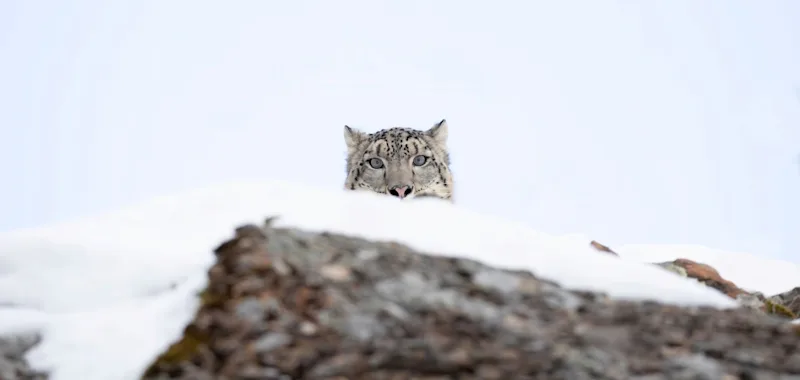
An apex predator is the hardcore animal at the top of its food chain, the baddest of the bad, with few or no natural predators in its ecosystem.
Nature & Wildlife
An apex predator is the hardcore animal at the top of its food chain, the baddest of the bad, with few or no natural predators in its ecosystem.
Alaska
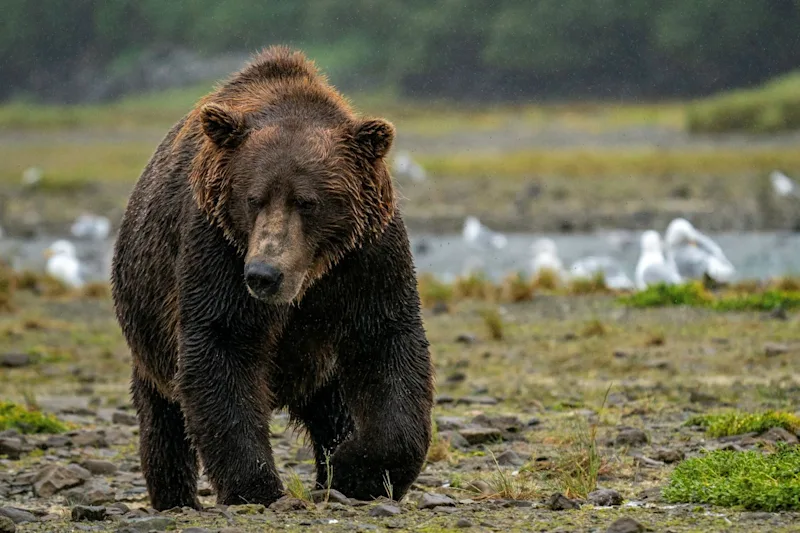
There’s a new “Big Five” in town. Well, in Alaska, that is. Go beyond the famous quintuplet of creatures found on an African safari and head north, instead, to the Great Land. There you’ll meet Alaska’s brown bears, moose, gray wolves, caribou and Dall sheep—the “other” Big Five.
Nature & Wildlife
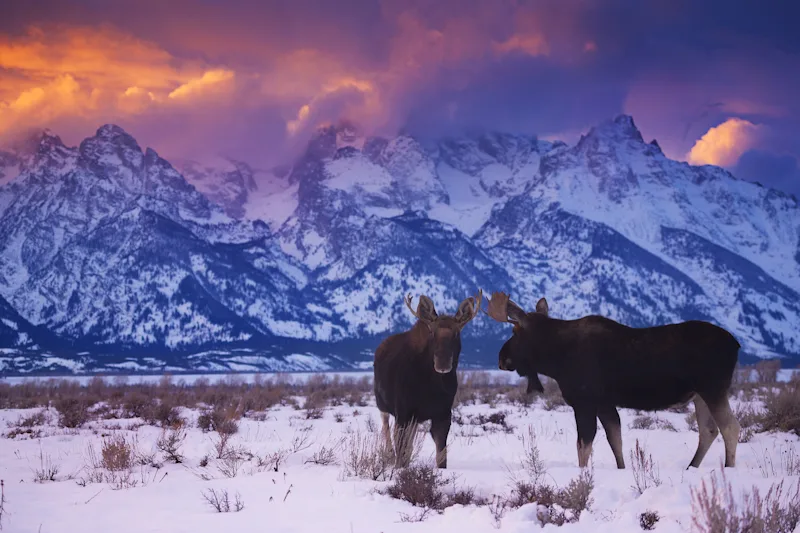
Let’s start by answering the most obvious question: Yes, Yellowstone is open in the winter! In fact, some may say this is the most magical time of year to visit.
Nature & Wildlife
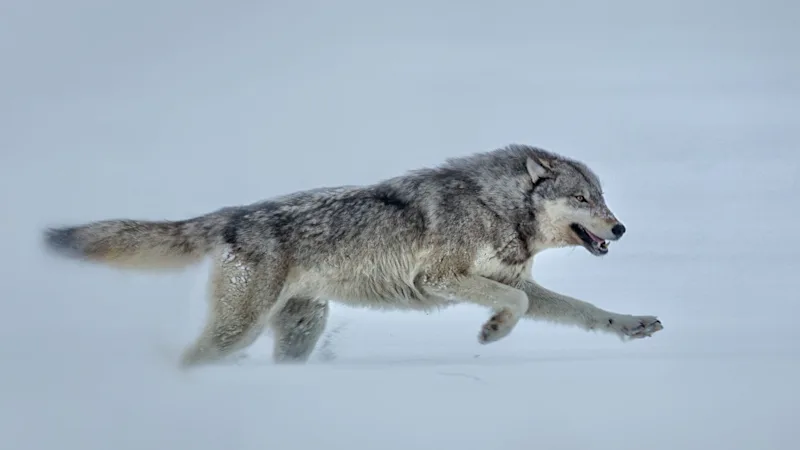
Few wildlife encounters compare to watching wolves move through the wide, wild valleys of Yellowstone. On Nat Hab’s Yellowstone wolf-watching adventure, expert naturalist guides help travelers search for these elusive predators while exploring one of North America’s most dynamic winter ecosystems. How Did Wolves Return to Yellowstone National Park?
Nature & Wildlife
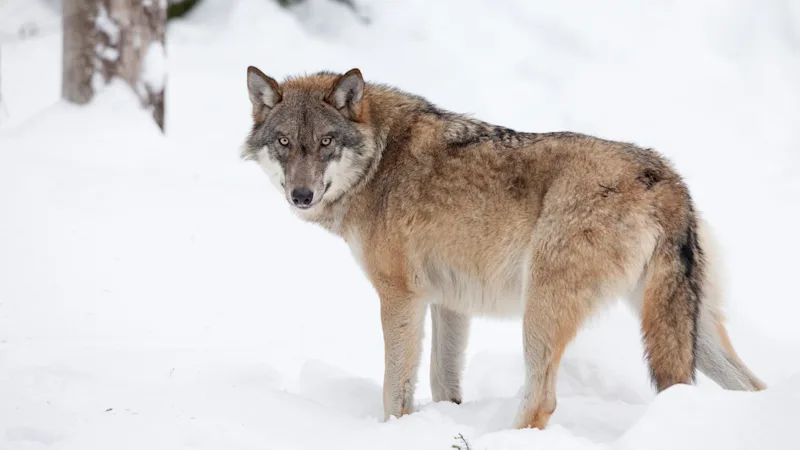
Wolves have long fascinated wildlife enthusiasts. We tend to view them as truly wild and rugged. Their tendency to live and travel in family packs echoes our own social tendencies. Their stirring nighttime howls, graceful movements and keen sensibilities connect us to our primal selves.
Nature & Wildlife
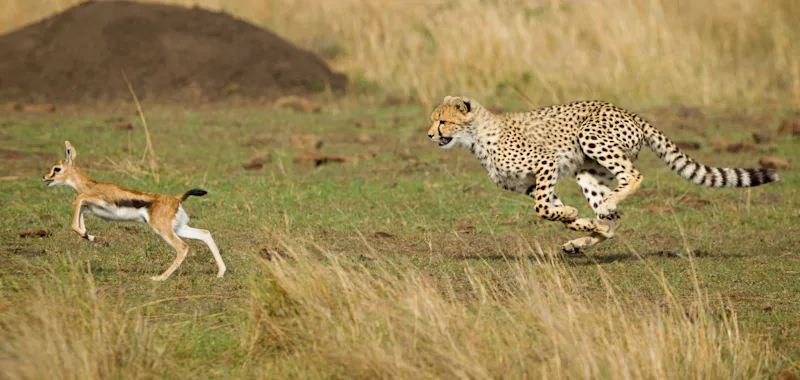
It’s typically said that animal behavior is the result of biology and environment. The responses of wildlife are driven by the primal urges to survive and reproduce; or are triggered by internal or external cues, such as the appearance of a nearby threat.
Nature & Wildlife
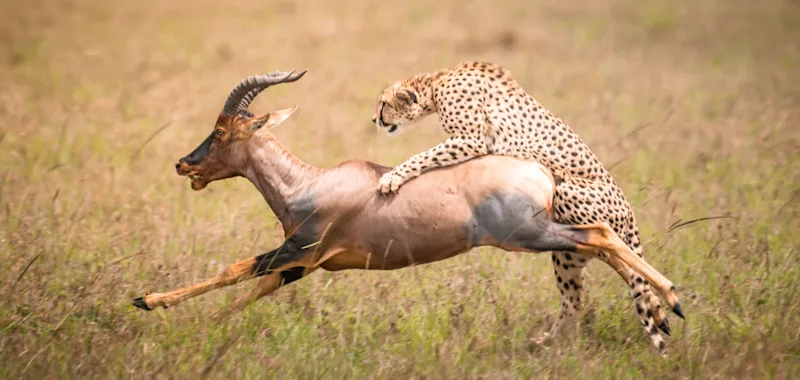
The predator/prey relationship is an age-old association. Despite that longevity, it can still mystify us. For example, on a remote Alaskan island, gray wolves are rewriting the rule book by hunting sea otters—a behavior few scientists ever expected to see.
Nature & Wildlife
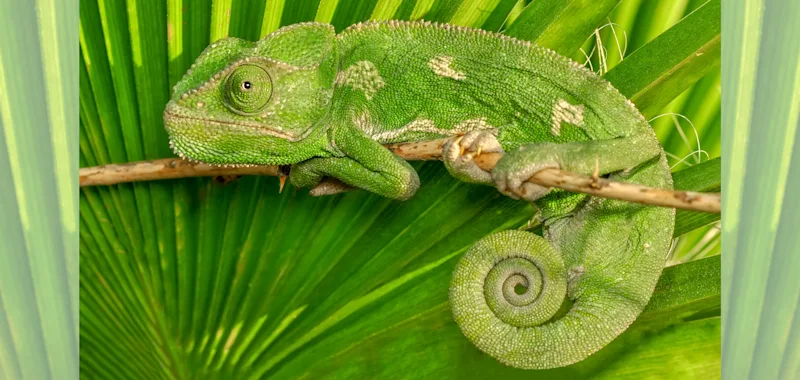
Eyes are our primary sensory organs, allowing us to perceive about 80% of incoming information, to navigate safely and to perform daily tasks like reading and work, while also acting as vital indicators for our overall physical health. They’re also central to our nonverbal communication.
Nature & Wildlife
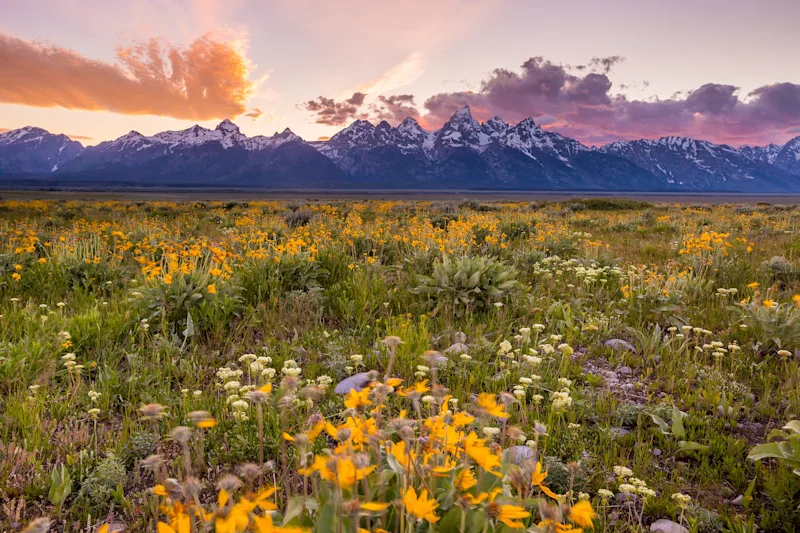
Bison, pronghorn and elk amble across Yellowstone’s grasslands. Aspens and willows speckle the forests of pine, spruce, fir and juniper, which shelter grizzlies, black bears, coyotes and gray wolves in their depths, along with three cat species: lynx, bobcats and cougars.
Nature & Wildlife
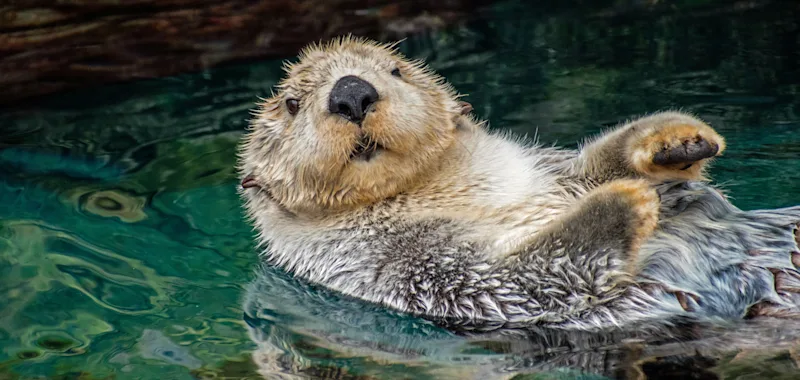
Sea otters can be a powerful ally in confronting climate change, according to the Monterey Bay Aquarium in California. In places where they’re thriving, they can maintain and restore kelp forests and coastal wetlands, strengthening our natural defenses against the worst impacts of a warming world.
Conservation
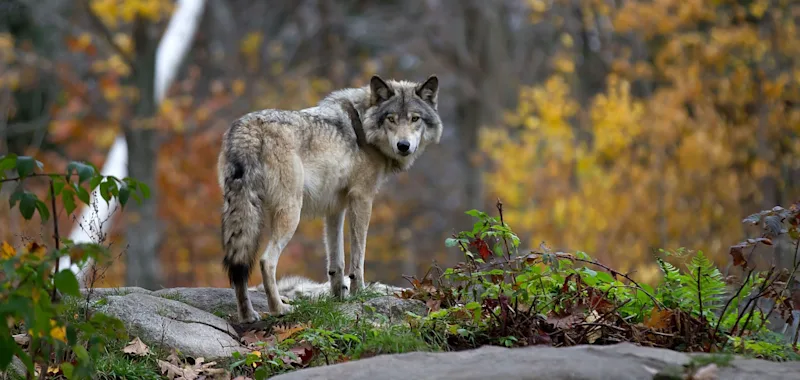
Like sharks, wolves have an unfair reputation for being villains. Children grow up reading fairy tales about the “big bad wolf.” But in reality, these animals are generally not harmful to humans, as they shy away and avoid any interactions with us.
Conservation
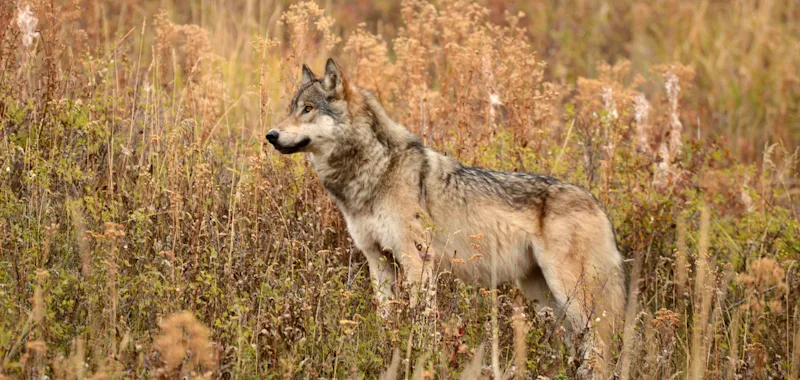
Watch Nat Hab’s “The Big Bad Wolf” and Read on for an Exclusive Interview with the Film’s Co-Producer—Wildlife Biologist, Aaron Bott Directed by Andrew Ackerman, “The Big Bad Wolf” follows in the footsteps of Aaron Bott as he tracks wolves (Canis lupus) through snow-covered alpine meadows and beneath the branches of ancient conifers.