

Nature & Wildlife
5 Apex Predators and Where to Find Them
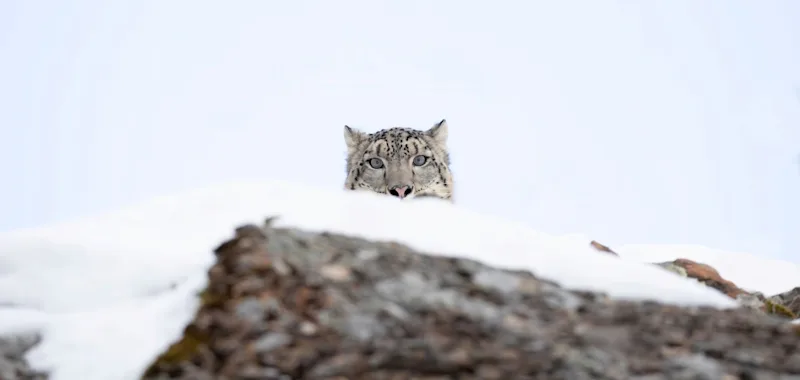
An apex predator is the hardcore animal at the top of its food chain, the baddest of the bad, with few or no natural predators in its ecosystem.
Nature & Wildlife
An apex predator is the hardcore animal at the top of its food chain, the baddest of the bad, with few or no natural predators in its ecosystem.
Canada & the North
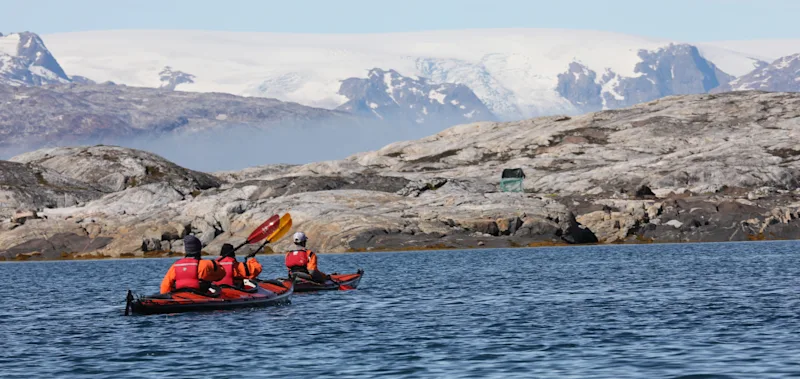
Greenland draws adventurous travelers with its iceberg-filled fjords, glacier-covered mountains and opportunities to encounter Arctic wildlife. Humpback whales feed in coastal waters, the Greenland ice sheet covers most of the island and Inuit communities maintain traditions that have endured for centuries.
Nature & Wildlife
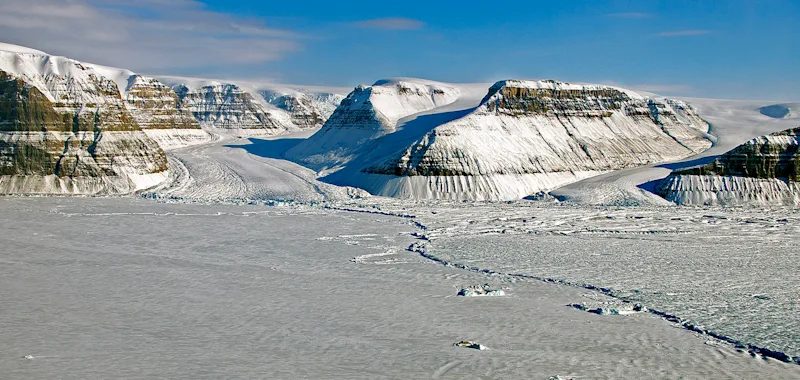
On August 4, 2026, a Manhattan-sized ice island broke away from Greenland’s Petermann Glacier after years of progressing fractures had weakened its floating ice tongue. This Arctic iceberg will now be tracked as it drifts, breaks apart and potentially affects shipping routes.
News & More
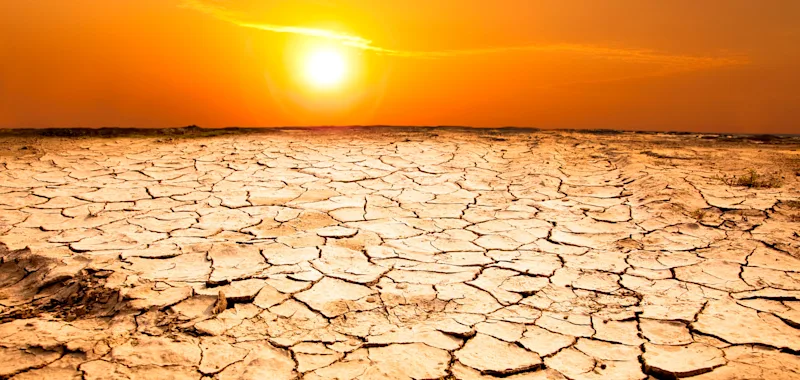
The year 2025 finished as the third hottest globally (behind 2024 and 2023), according to reports from NASA (National Aeronautics and Space Administration), NOAA (National Oceanic and Atmospheric Administration) and WMO (World Meteorological Organization).
Nature & Wildlife
“Life finds a way.” That’s a now-famous statement from Dr. Ian Malcolm, a fictional character played by actor Jeff Goldblum in the 1993 movie Jurassic Park.
Churchill Polar Bears
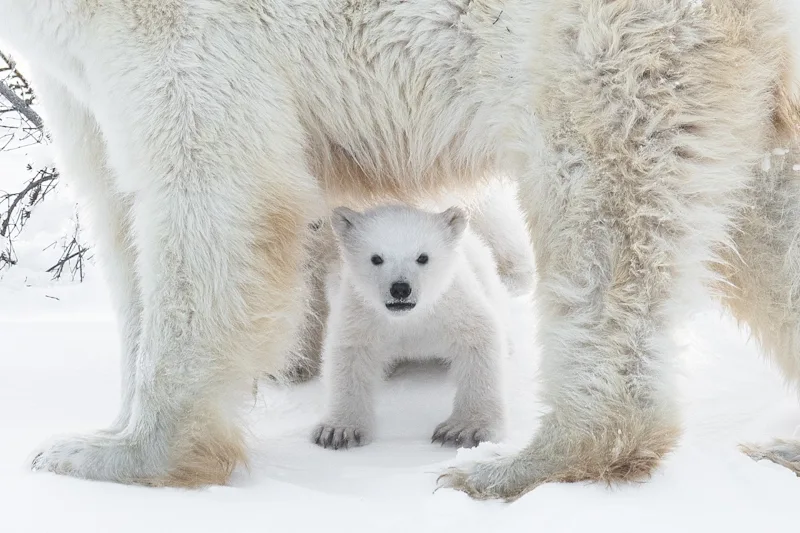
The Arctic is home to a wide array of winter wildlife. The hides of Arctic foxes and snowshoe hares blend into glittering frost as snowy owls swoop overhead, feathers aglow in the light of a silvery moon.
Churchill Polar Bears
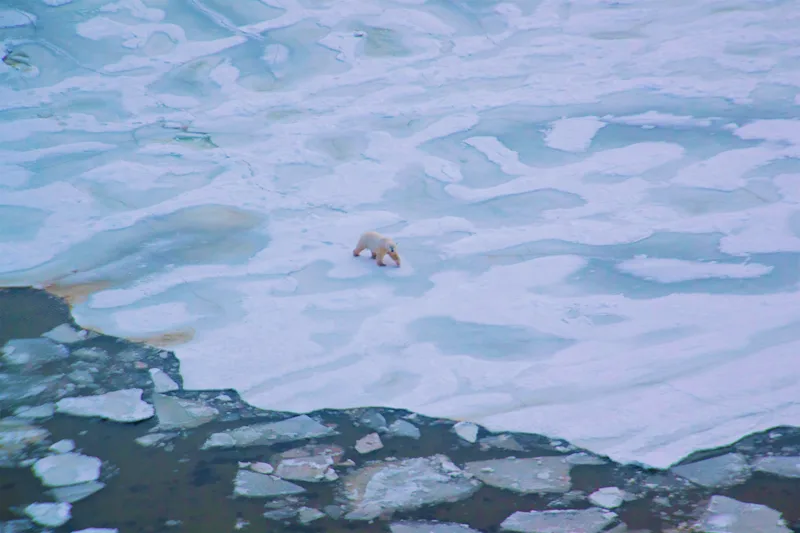
Each autumn, polar bears congregate along Hudson Bay in anticipation of their annual seal hunt.
Conservation
Things are vanishing. Here’s an example: humanity has already pushed 60% of Earth’s land outside its safe biosphere zone, with 38% in a high-risk state. Centuries of data confirm how human demands on biomass—from energy production to farming—have destabilized ecosystems worldwide. Asia, Europe and North America show the deepest disruptions, reflecting centuries of land-use change.
Nature & Wildlife
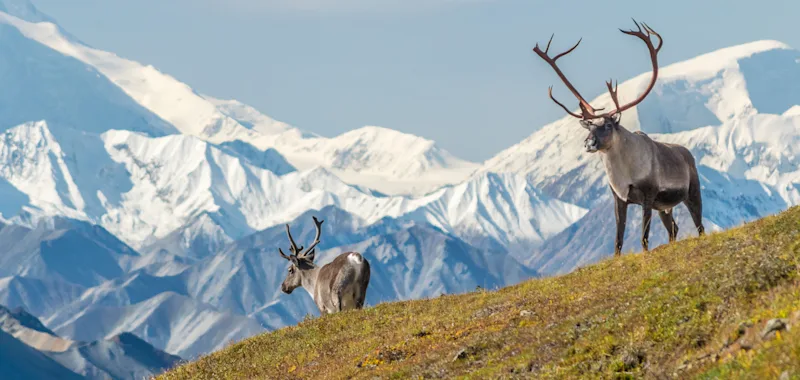
Migration is a wonderful word. It doesn’t merely mean a physical relocation but is an expression of strength, resilience, the universal desire for well-being and a movement toward hope. I have always thought of migrations as nature in motion.
Nature & Wildlife
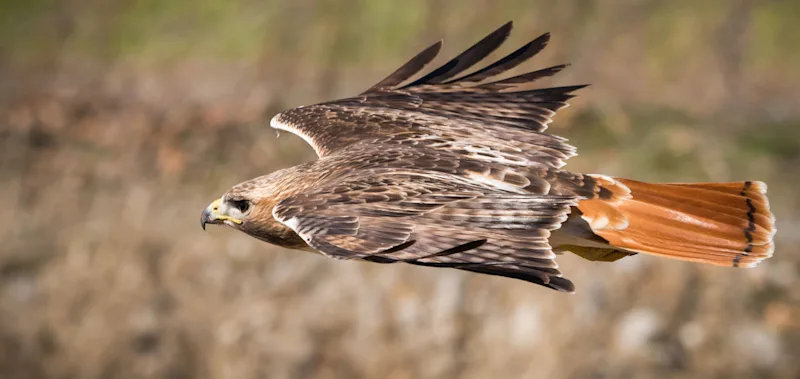
From birds to flowers, the majority of the Earth’s species stem from a few evolutionary “explosions,” where new habitats or traits sparked rapid diversification. These bursts, in fact, explain most of the planet’s biodiversity. Some of those new habitats were ignited by glaciers.

Nature & Wildlife
Right now, as you’re probably finalizing your plans for the end-of-the-year holidays, there are some new developments in travel—and family get-togethers—that I think you might find interesting.
Nature & Wildlife
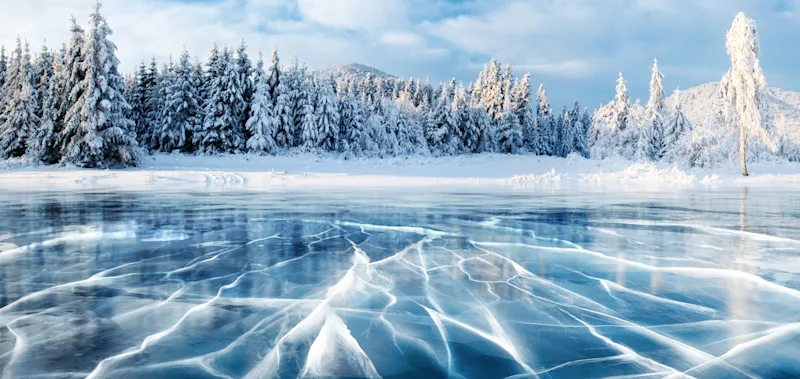
I grew up in the Midwest. That means that as a child, as the joke goes, I had to decide on a Halloween costume that could incorporate my winter coat.