Video: Elephants and Lions Align Against Rhinos

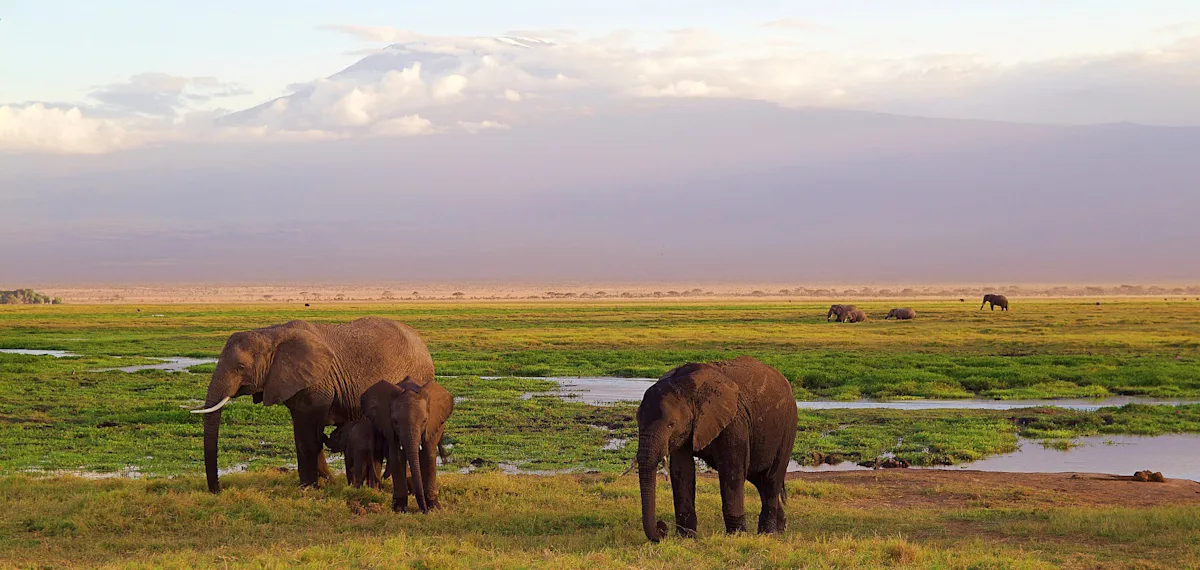
The term Africa’s Big Five means something quite different today than it did when it was coined in the late 1800s during the continent’s colonial period. Then, it referenced the animals—Cape buffalo (or African buffalo), elephants, leopards, lions and rhinoceroses—that trophy hunters considered to be the most challenging and dangerous to hunt on foot. Its kinder, more modern meaning indicates seeing the Big Five—not shooting them—during an African wildlife safari.
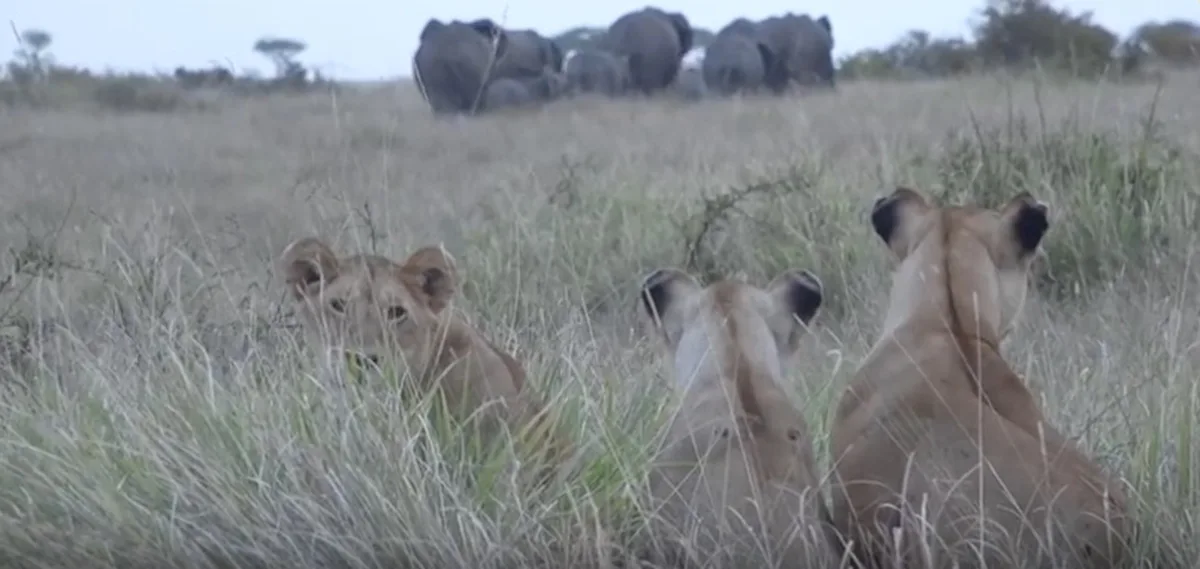
Since all of the Big Five are megafauna that sometimes compete for scarce resources in the same territory and that daily play out the predator-prey drama, you can imagine why not a lot of love is lost between these species. For example, elephants are no friends of lions, who, aside from humans, are the only predators powerful enough to kill an elephant.
And that’s why you’ll find the video footage below so surprising.
Elephants and lions
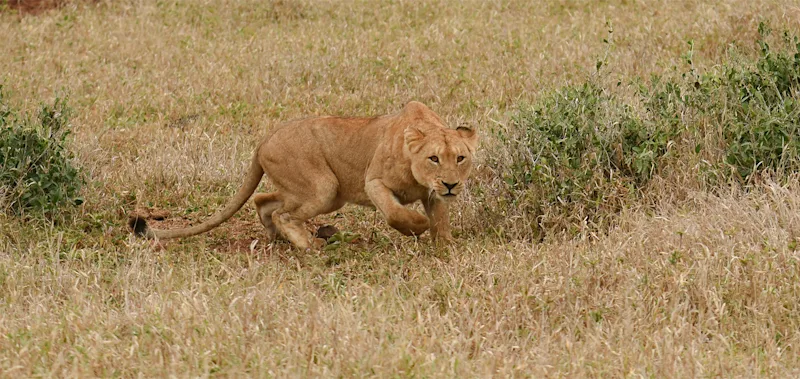
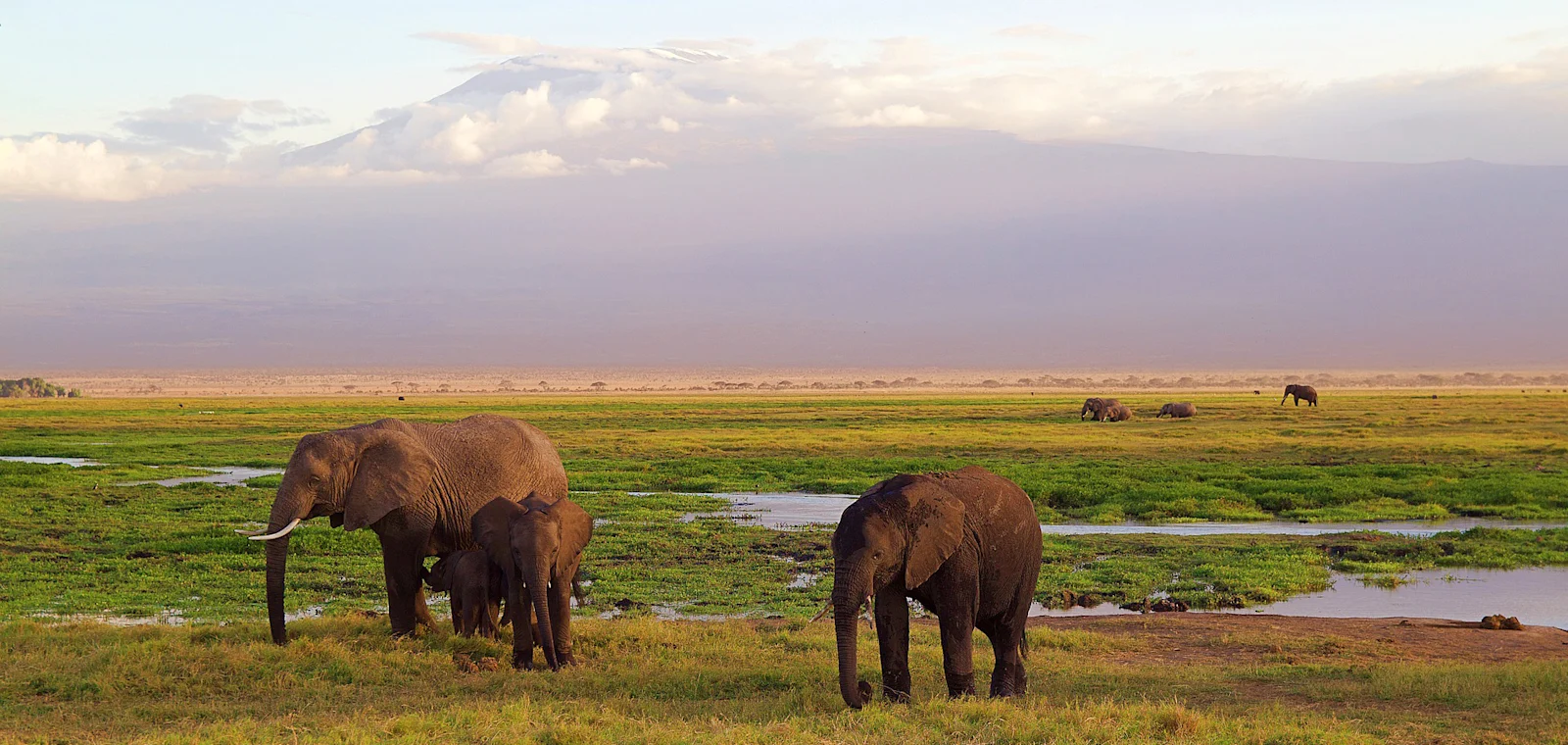
Male lions are effective killers: a single male can overpower a young elephant, and just two males could take down an adult. The elephants are highly aware of this reality. In fact, in a 2011 study,, opens in new tab researchers found that older matriarchs—the females who lead elephant herds—are more mindful than younger matriarchs of the threat posed by male lions. If they hear recordings of male roars, the older elephants are more likely to usher their herds into defensive formations. The experience and leadership of these older elephants often save their followers’ lives.
Lions and rhinos
Lions are also the natural predators of rhinoceroses, even though they rarely attack adults. Some weak, injured and old rhino adults have reportedly been killed by the felines, but rhino calves are the main targets.
Rhinos and elephants
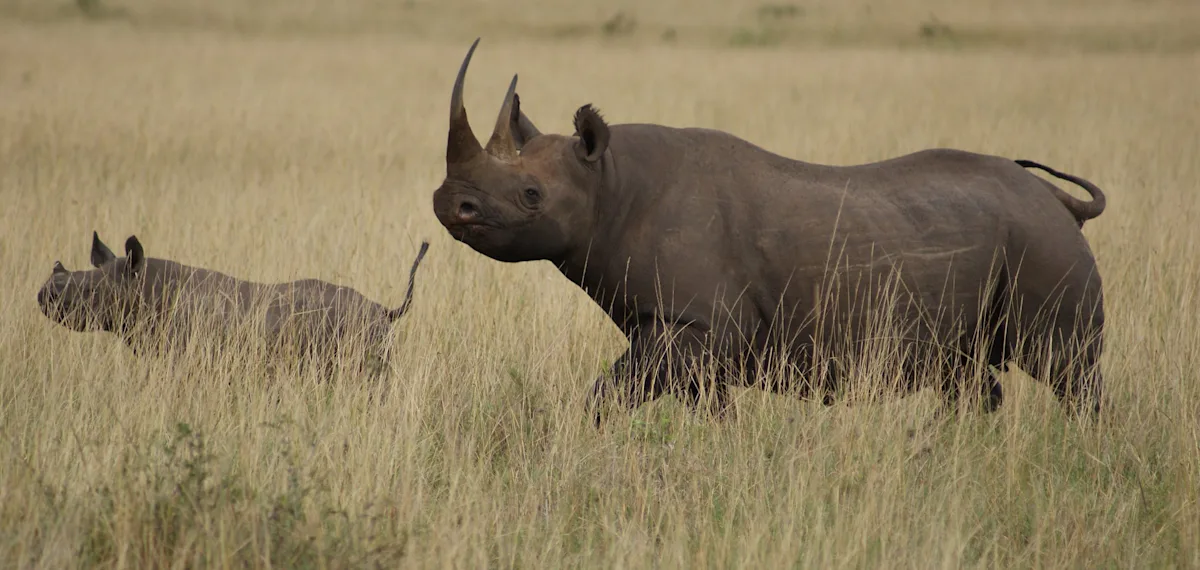
Just as elephants and lions have some animosity toward each other, so do elephants and rhinos. Rhinos are quite commonly killed by elephants, particularly young bull elephants. It may have to do with competition for food.
In a study published in the science journal PLOS One, opens in new tab in 2013, researchers from Australia and the Center for African Conservation Ecology took a close look at elephant and rhino scat across different seasons to identify the types of plants each herbivore was eating. The scat was collected at times of the year when rhinos and elephants ate in the same regions, and then again when only rhinos grazed in the areas (in the absence of elephants).
The researchers found that resource use was clearly separated by season, and rhinos munched on different grasses depending on whether or not the elephants were present. Without elephants around, the rhinos ate more diverse plants, such as succulents and woody shrubs. But when the elephants were near, rhinos restrained themselves and consumed more grasses.
The study’s authors go on to suggest that elephants in certain regions with high population densities may significantly affect the foraging opportunities of other grazers and that these close living quarters may have long-term effects on the overall fitness of other animals.
Elephants, rhinos and lions
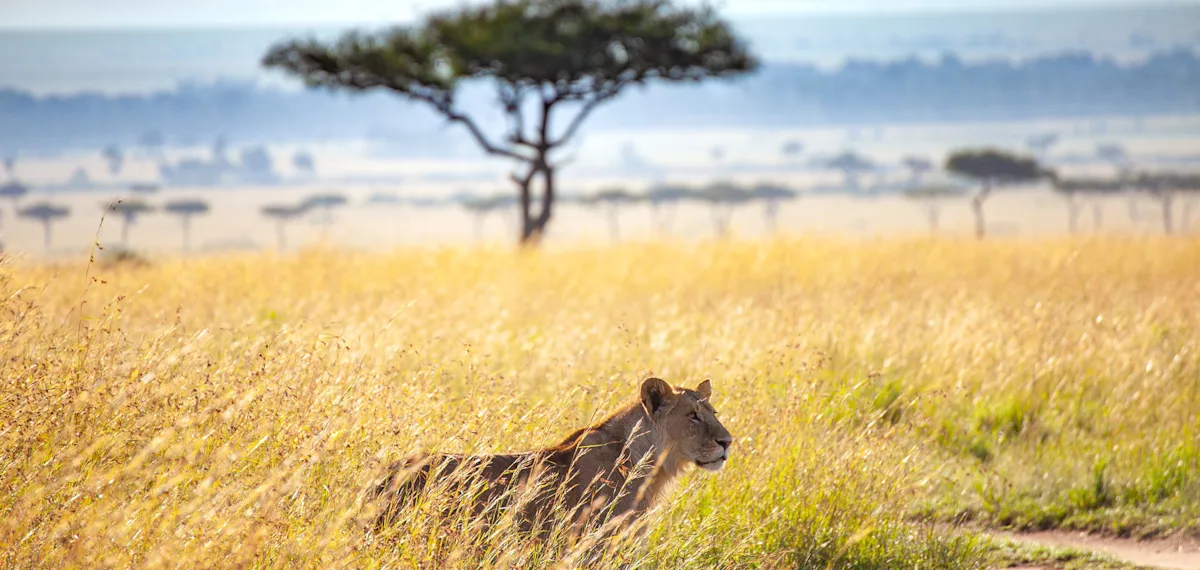
In the video below from Nat Geo Wild, titled Black Rhinos Confront Lions, Elephants in a Three-Way Standoff and filmed in Kenya’s Maasai Mara National Reserve, you’ll see these three Big Five animals come to an impasse. It begins when some lions spot a black rhino, opens in new tab calf and decide to try their luck at getting a meal.
The calf’s mother and an adult bull rhino turn on the lions, but what they didn’t count on was the arrival of a herd of elephants with their young. Even though the elephants detest lions and have a poor relationship with rhinos, here they deflect the rhinos’ attack on the lions. You’ll also see an example of rhino bravery when a calf is on the line.
Today, black rhinos are critically endangered. According to World Wildlife Fund, wildlife crime—such as black-market trafficking of rhino horn and poaching—continues to plague the species and threaten its recovery.
At least in this three-way standoff, no animals were harmed.
Here’s to finding your true places and natural habitats,
Candy