Good Nature Travel Blog

  • African Safaris

    Privately Caring for Rhinos and Publicly Tolerating Tigers

    Mar 14, 2023 · Candice Gaukel Andrews

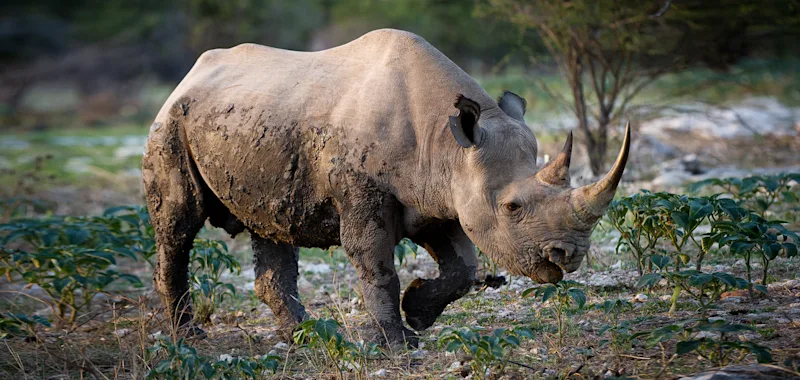
    Often, the numbers seem to look bad for African rhinos. Right now, the statistics show that these animals are rapidly declining in core, state-run reserves, such as South Africa’s Kruger National Park. Currently—much like with tigers—more than half of the continent’s remaining rhinoceroses are now on private lands.
  • Conservation

    Black Rhinos and White Rhinos: Counts, COVID and Conservation

    Sep 6, 2022 · Candice Gaukel Andrews

    As caregivers, parents and teachers of children, we try to encourage and respect every youngster’s individuality. We tell them that they are each unique and that every one of them has something separate to give, something different to learn and something distinct to create.

  • Conservation

    A Road Map for Curbing the Illegal Wildlife Trade

    Mar 22, 2022 · Candice Gaukel Andrews

    Just hearing the term “wildlife trade” brings to mind heart-wrenching photos of elephants who have been stripped of their tusks or pictures of rhinos without their horns. Actually, the definition of “wildlife trade” is more benign; it denotes any sale or exchange of wild animal and plant resources by people.

  • African Safaris

    How Should Rhinos Be Relocated? Upside Down.

    Aug 10, 2021 · Candice Gaukel Andrews

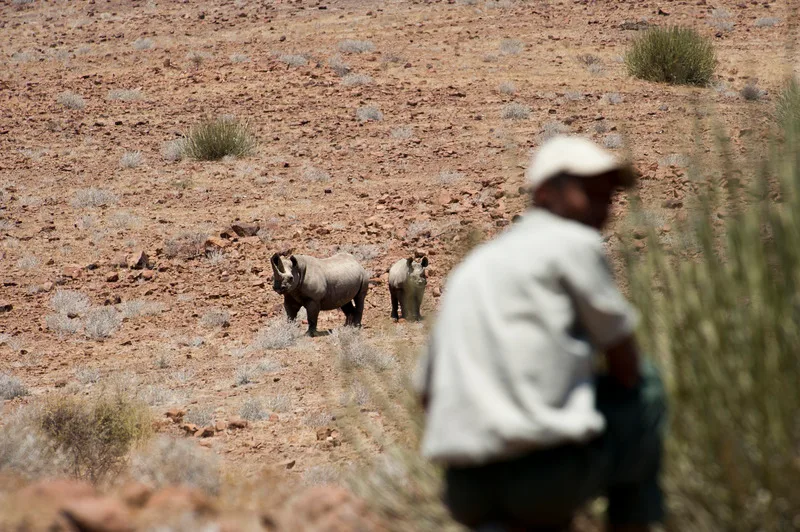
    At times, wildlife conservationists do things that might look a bit strange or even questionable to the rest of us. And seeing a rhino tied by its legs and suspended from a helicopter—even though it’s to move the animal away from poachers—is one example that is uncomfortable for most of us to watch.

  • African Safaris

    Video: Elephants and Lions Align Against Rhinos

    Mar 24, 2020 · Candice Gaukel Andrews

    The term Africa’s Big Five means something quite different today than it did when it was coined in the late 1800s during the continent’s colonial period. Then, it referenced the animals—Cape buffalo (or African buffalo), elephants, leopards, lions and rhinoceroses—that trophy hunters considered to be the most challenging and dangerous to hunt on foot.

  • News & More

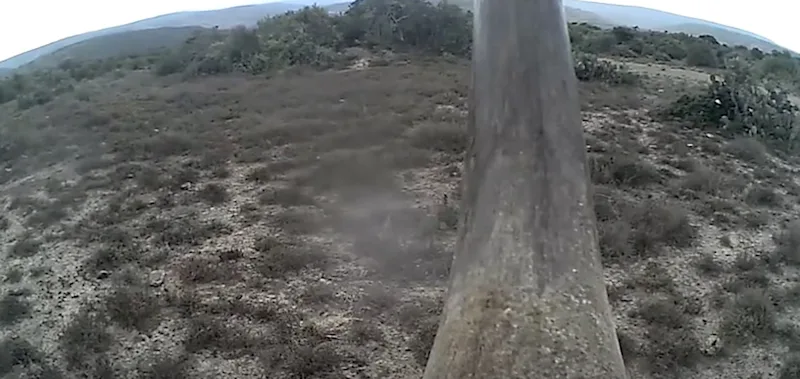
    Drones: Wildlife Difficulty or Poaching Deterrent?

    Mar 14, 2017 · Candice Gaukel Andrews

    Drones have become popular conservation tools. The Bureau of Land Management, the Department of the Interior and the U.S. Geological Survey have all used unmanned aerial vehicles (UAVs) to monitor wildlife populations or to map roads or wetlands for land management purposes.

  • African Safaris

    Could Synthetic Horns Save Our Last Rhinos?

    Jul 21, 2015 · Candice Gaukel Andrews

    From making a Technicolor arm for a little girl to constructing custom pacemakers for people with damaged hearts, 3D printing has provided us with a wealth of medical aids.

  • Videos

    Video: BP’s Oil Spill—Lost Islands and Relocated Birds

    May 28, 2015 · Candice Gaukel Andrews

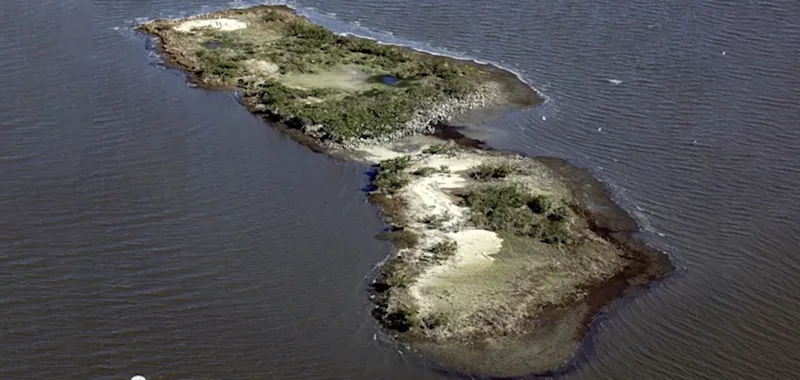
    The many news reports regarding the consequences of rapid climate change have made us all familiar with the fact that some islands may soon disappear due to rising sea levels. But you may be surprised to learn that an offshore oil spill has already caused the destruction of an island.

  • Conservation

    How Well-Meaning Travelers Inadvertently Help Poachers

    Jul 26, 2014 · Tania Curry

    Outside Magazine recently profiled a new way poachers are using technology to locate species such rhinos in the wild. What technology you ask? The GPS coordinates from your travel photos. Learn what you can do as a traveler to help stop wildlife crime.

  • Nature & Wildlife

    Will the U.S. Destruction of Six Tons of Ivory Truly Curtail Poachers?

    Nov 19, 2013 · Candice Gaukel Andrews

    Last week, the U.S. Fish and Wildlife Service pulverized nearly six tons of illegal African and Asian elephant ivory. A conservative estimate of this ivory, which was seized at our nation’s ports of entry from the late 1980s to the present, is that it represents 2,000 animals.