





Buzzwords like “conscious travel” and “authentic travel” are everywhere these days. But what do they actually mean? And can travel and science come together to create a meaningful benefit for people, wildlife and the places we visit?
Conservation Travel, Ecotourism and Other Alternatives
As awareness grows around tourism’s impact on wildlife, ecosystems and local communities, many travelers are becoming more intentional about how they explore the world.
Travel can be transformative—for both visitors and destinations. Yet growing concerns about environmental degradation, wildlife disturbance and unsustainable development have prompted many people to seek experiences that contribute positively to the places they visit.
Terms such as conservation travel, ecotourism, sustainable travel and geotourism have emerged as alternatives to conventional tourism. While the definitions vary, these approaches generally share a common goal: creating meaningful experiences while supporting the long-term health of natural and cultural resources.
So what sets them apart?
What Is Conservation Travel?
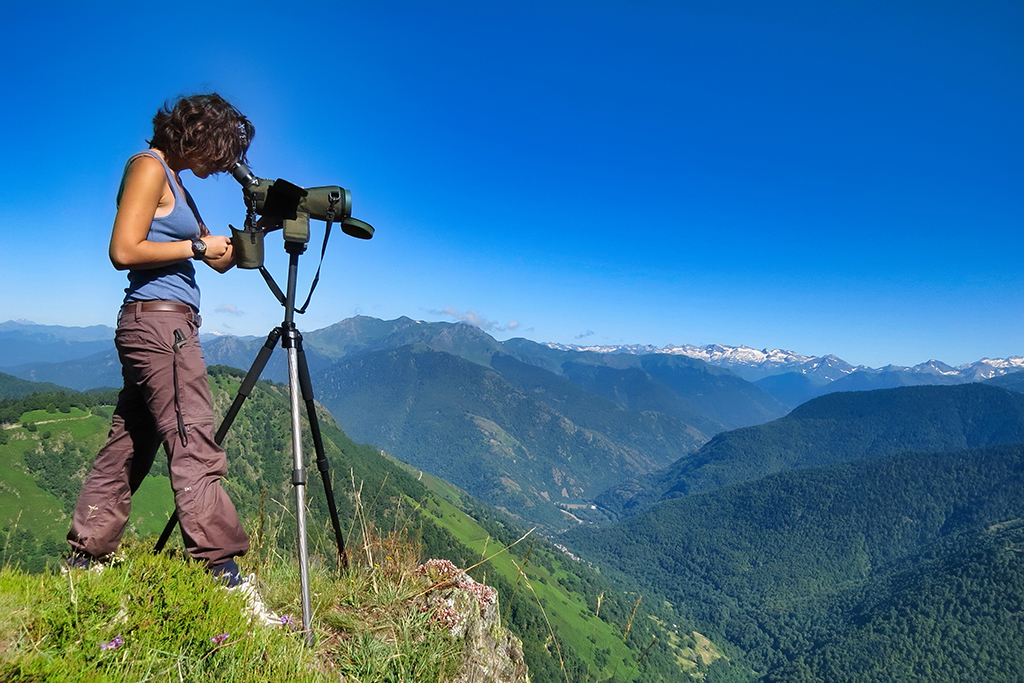
Conservation travel focuses on supporting wildlife, habitats and local communities.
At its core, conservation travel uses tourism as a tool to support environmental stewardship and scientific understanding. Experiences may include wildlife monitoring, habitat restoration, conservation research or community-based initiatives.
Rather than simply observing wildlife, travelers may contribute directly to efforts that help scientists understand species, protect habitat or inform conservation decisions.
Why Alternative Approaches to Travel Matter
Many travel approaches seek to reduce negative impacts while creating benefits for destinations and communities.
Geotourism emphasizes a region’s geography, landscapes and cultural heritage as a pathway to education and conservation.
Ecotourism considers environmental, social and economic impacts, encouraging responsible travel practices that benefit local communities and ecosystems.
Conscious travel—sometimes called ethical or slow travel—focuses on meaningful experiences that foster deeper connections with people, culture and nature.
Regardless of the label, these approaches encourage travelers to be intentional about how and where they spend their time.
As Earthwatch participant John Kokko reflected after joining a chimpanzee research expedition:
“It was truly an eye-opening and humbling experience. The expedition took us through the wide range of issues facing chimps while showing that these dangers affect humans as much as any other part of the ecosystem.”
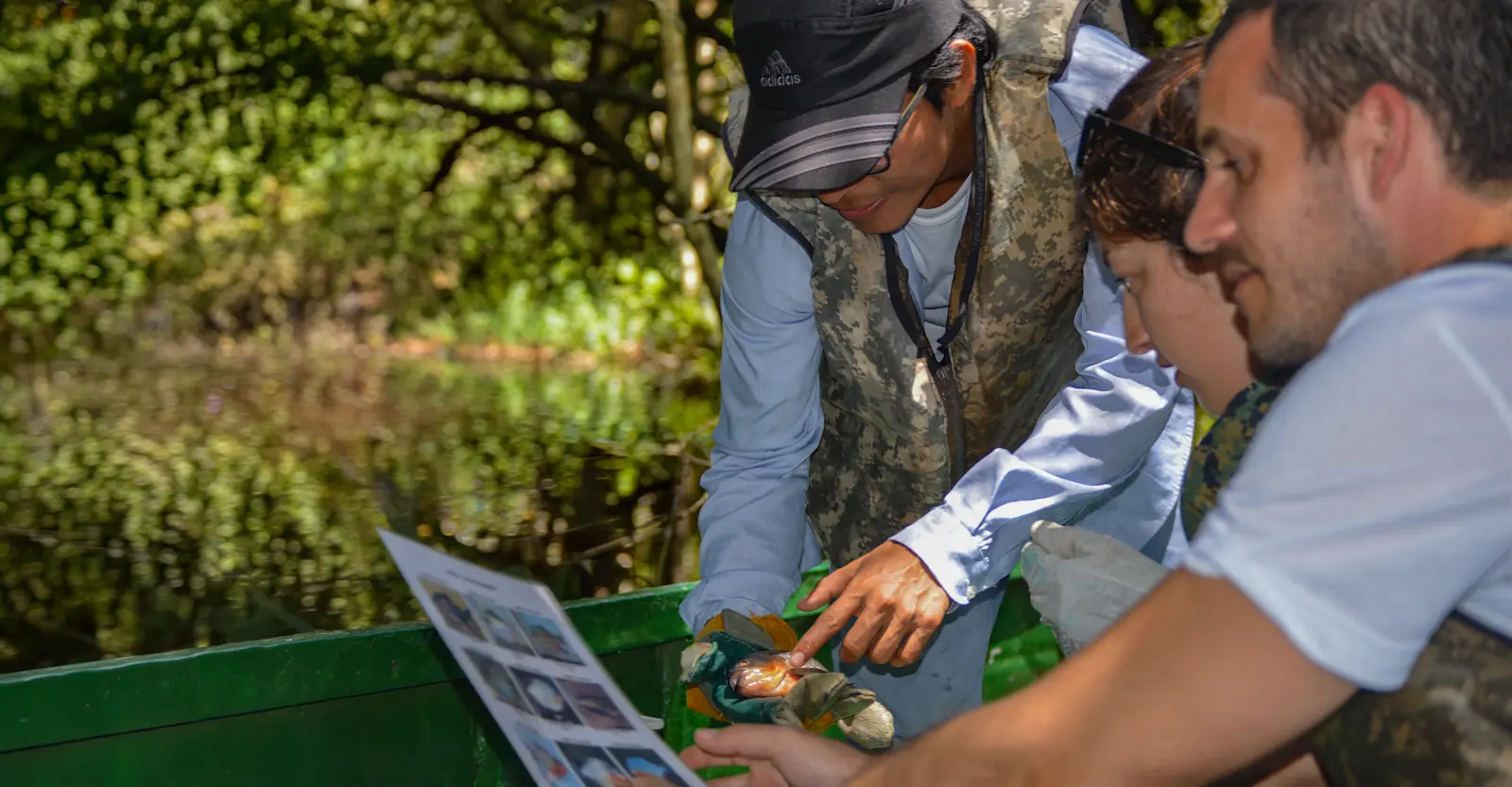
Earthwatch Expeditions Scientist teaches guests fish species identification, Amazon, Peru.
Combining Travel, Science and Conservation
Since 1971, Earthwatch has connected participants with scientists working to understand and protect the natural world.
Earthwatch expeditions combine travel with hands-on field research, allowing participants to contribute directly to ongoing scientific studies.
Whether monitoring wildlife, surveying ecosystems or collecting environmental data, participants support projects that help scientists answer important conservation questions.
The experience often changes how people see the natural world.
Many participants return home with a deeper appreciation for wildlife, ecosystems and the role science plays in conservation. Others discover new interests, skills or perspectives they carry into their daily lives.
For some, it’s their first opportunity to observe wildlife up close or work alongside professional researchers.
As participant Ann Coles shared after joining Tracking Turtles in Costa Rica:
“Supporting the project’s biologists in their efforts to save leatherback turtles from extinction was one of the most challenging, educational and rewarding experiences I’ve had.”
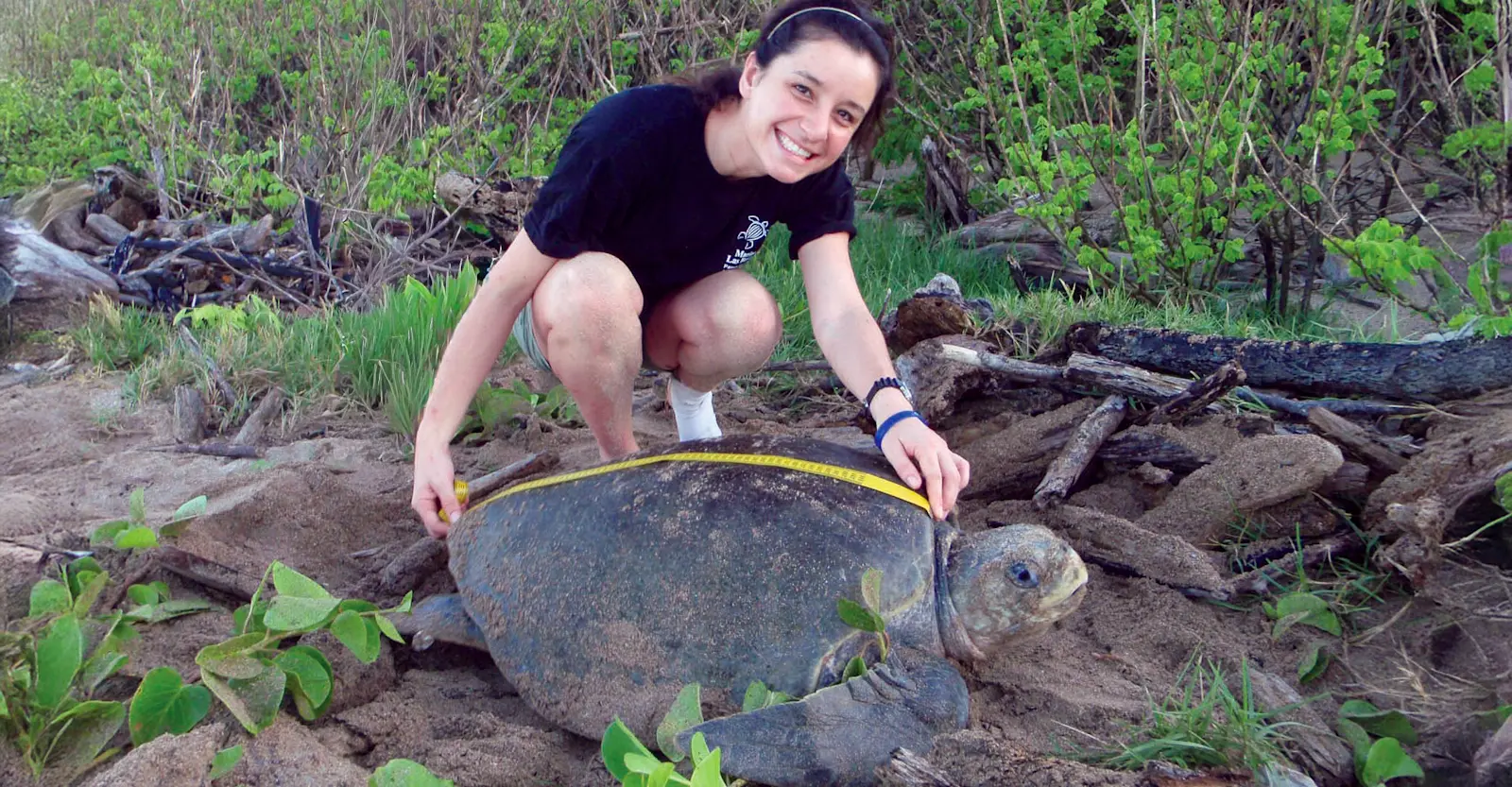
Earthwatch Expeditions guest measures an adult sea turtle, Playa Grande, Costa Rica.
More Than Tourism
Earthwatch research focuses on wildlife conservation, biodiversity, healthy oceans, resilient ecosystems and sustainable communities.
The impact of these projects extends far beyond the field. Earthwatch-supported research has contributed to species discoveries, conservation planning, habitat management and environmental policy.
Yet people remain at the center of every expedition.
By stepping outside their comfort zones and participating in field research, participants help scientists collect the data needed to better understand the natural world.
Collectively, Earthwatch participants contribute thousands of hours of field research each year.
Participant Ranee Duncan described her experience on Protecting Pollinators in Costa Rica’s Cloud Forest this way:
“This project gave me the opportunity to experience Costa Rica’s diversity and conservation efforts while working with inspiring scientists, guides and farmers.”
How Participants Support Conservation Research
Earthwatch expeditions involve a wide range of research activities depending on the project.
Participants may help:
—Monitor wildlife populations
—Survey coral reefs and marine habitats
—Track species movements
—Measure environmental conditions
—Remove invasive species
—Plant native vegetation
—Evaluate the effects of climate change
On Surveying Wildlife in the Upper Amazon, participants help scientists collect data on species ranging from river dolphins and macaws to bats, frogs and rainforest mammals.
Participant Amanda Konen-Port reflected on her experience in the Amazon:
“While seeing the wildlife in their natural habitat was remarkable, what moved me most was hearing from lead scientist Dr. Bodmer about the positive results the project has achieved over the years.”
She noted that the data collected contributes to conservation and resource-management decisions that affect both wildlife and local communities.
“This project gave me hope for our planet and filled me with pride to be a small part of something so much bigger. It reminded me that ordinary people can make a difference.”
Travel With Purpose
Travel has the power to broaden perspectives, deepen understanding and strengthen connections to the natural world.
When combined with scientific research, it can also contribute to conservation efforts that help protect wildlife and ecosystems for future generations.
At Earthwatch, we believe travel can be a catalyst for both discovery and environmental progress.
Ready to Experience Research in the Field?
Explore an Earthwatch expedition and discover how you can support scientists, contribute to conservation and experience the natural world in a deeper, more meaningful way.