Good Nature Travel Blog

3402 stories

  • Asia & The Pacific

    Borneo’s Wildlife: What’s at Risk and Why We Must Act Now

    Apr 28, 2026 · WWF

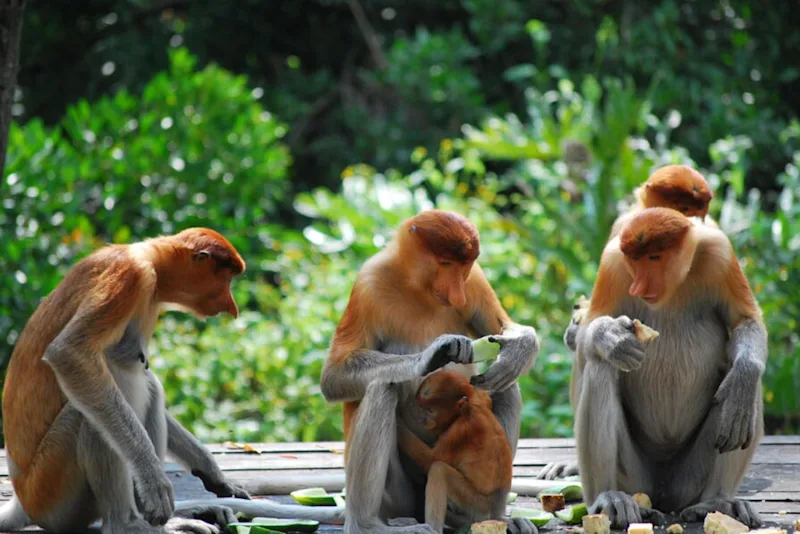
    —By Whitney Kent, WWF Many people haven’t even heard of Borneo. Others may say, “Borneo! Wait…where is Borneo?” The latter was the typical reaction when I said I was joining WWF’s travel partner, Natural Habitat Adventures, to this Southeast Asian Island, jointly shared by Malaysia, Indonesia and Brunei.
  • Nature & Wildlife

    The Powers and Potentials of Small Mammals

    Apr 28, 2026 · Candice Gaukel Andrews

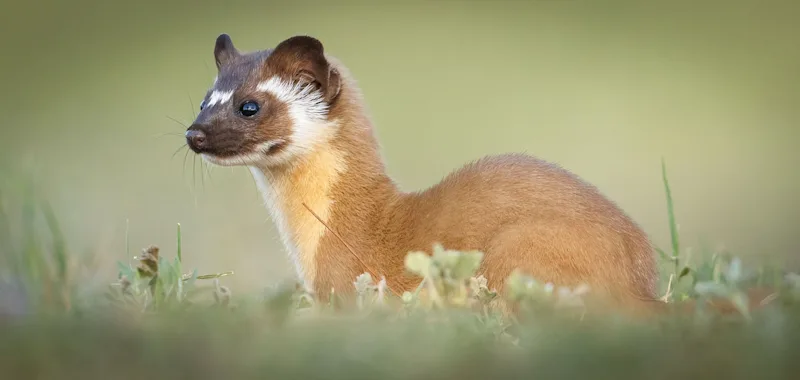
    The decline of charismatic and large animals like lions and pandas often captures global attention, but a quieter and perhaps more damaging crisis is unfolding among those that are smaller. These bitty beings are disappearing at alarming rates, and their loss can have outsize consequences for biodiversity. But don’t count these small bodies out yet.

  • Asia & The Pacific

    Meet the All-Women Volunteer Firefighters Making a Big Difference in Borneo

    Apr 27, 2026 · Laura Kiniry

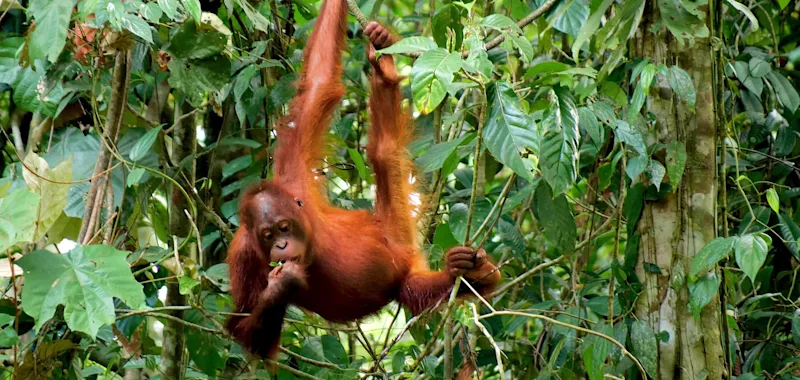
    For years, wildfires have plagued the landscape of Indonesian Borneo’s Ketapang Regency, threatening its communities and the region’s flora and fauna, which includes proboscis monkeys, pygmy elephants, sun bears and more than 30 varieties of orchids. Indonesia’s already endangered orangutans are especially at risk.

  • African Safaris

    Essential Packing Tips for Your African Safari

    Apr 26, 2026 · Laura Kiniry

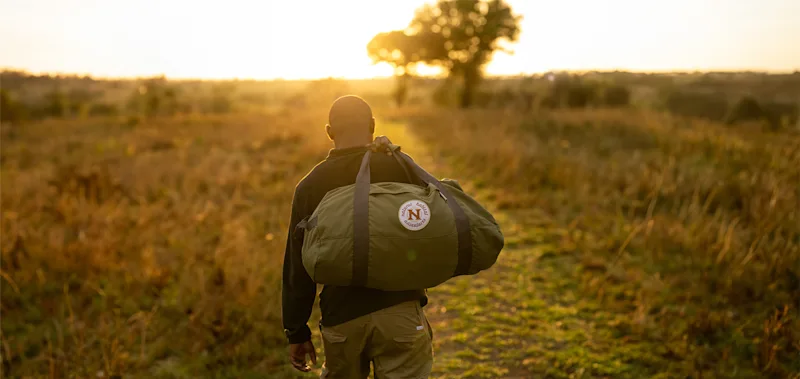
    We spotted him during an early morning game drive through South Africa’s Madikwe Reserve: a male lion resting in the grasslands, his thick mane touching the ground where he rested his front paws.

  • Conservation

    Arbor Day 2026: Honoring the Damaged, Logged and Old Trees

    Apr 21, 2026 · Candice Gaukel Andrews

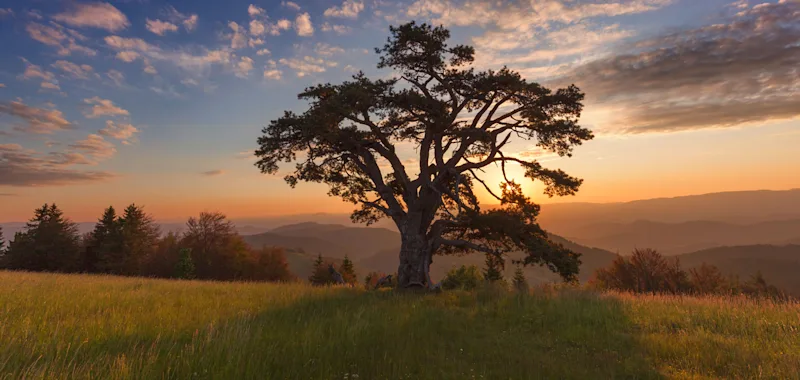
    On National Arbor Day—which this year is on April 24—we typically recognize forests and trees for their essential roles in conserving soils, providing oxygen, reducing energy consumption through shade and serving as wildlife habitats.

  • Conservation

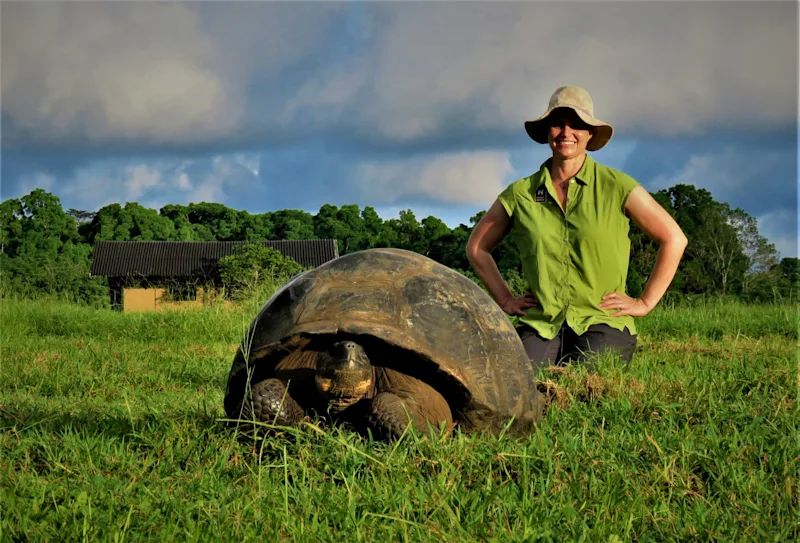
    Galapagos Species That Are Back from the Brink

    Apr 15, 2026 · Samantha Miller

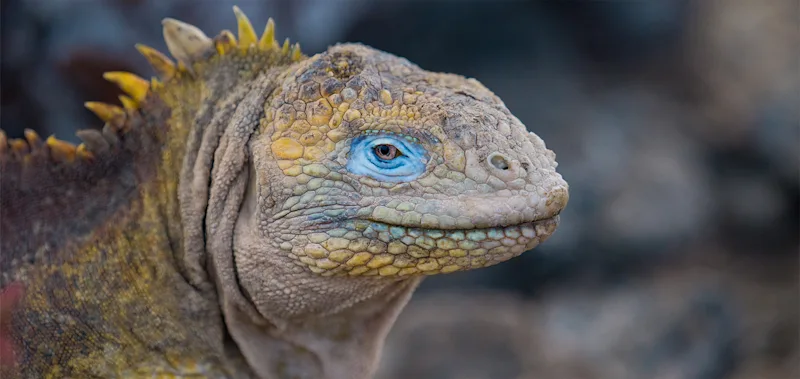
    Over the last century, Earth’s wild places have seen startling declines in biodiversity. According to the Intergovernmental Science-Policy Platform on Biodiversity and Ecosystem Services, around one million species are currently at risk of extinction. The main cause? Human activity.

  • Alaska

    A Gathering Place: Nat Hab’s Alaska Bear Camp

    Apr 14, 2026 · WWF

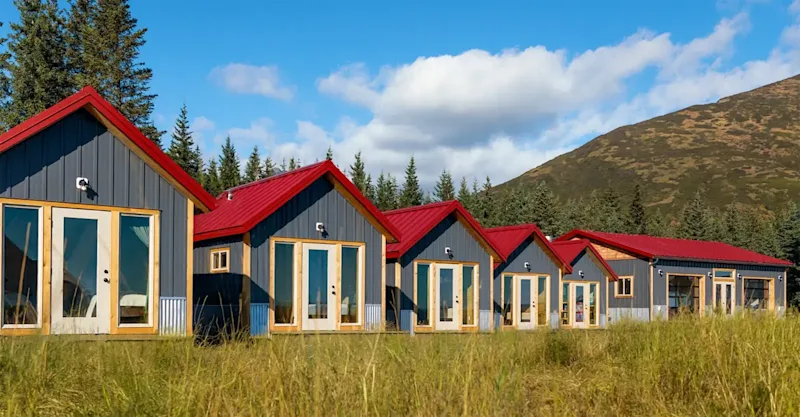
    Alaska has always carried a certain mythos in my mind—its rugged wilderness, untamed landscapes and wildlife larger than life itself. For years, I heard tales of its vast beauty and isolation, as though it were a last frontier where nature still reigns supreme.

  • Latin America

    Top 10 Underwater Wildlife Encounters in the Galapagos

    Apr 14, 2026 · WWF

    The Galapagos offers close wildlife encounters—from blue-footed boobies and sea lion colonies to giant tortoises that move slowly across arid highlands. But the islands are only part of the story. The Galapagos Marine Reserve spans an area nearly six times larger than the landmass of all 21 islands combined.

  • Conservation

    Earth Day 2026: Our Power, Our Planet

    Apr 14, 2026 · Candice Gaukel Andrews

    The theme for the 56th annual Earth Day, April 22, 2026, is “Our Power, Our Planet.” According to the official Earth Day website, “it emphasizes collective action, community mobilization and the role of individuals in defending environmental protections, accelerating the transition to clean energy and ensuring a sustainable future.”

  • Latin America

    Peruvian Cuisine: Wild Foods of the Amazon

    Apr 13, 2026 · Cathy Brown

    There aren’t that many places left in the world where humans haven’t attempted to “modernize” the food systems. But on a trip to the Peruvian Amazon, rest assured, you will find no McDonald’s, no Starbucks—but what you will find instead is an abundance of delicious traditional rainforest foods that can be hunted or gathered.

  • Latin America

    The Loudest Bird on the Planet Lives in the Amazon

    Apr 13, 2026 · Candice Gaukel Andrews

    Some animals are known for being loud; for example, howler monkeys are said to be aptly named. When a number of them let loose their lungs in concert, the din can be heard up to three miles away. These New World monkeys—found in tropical Central and South America—often cry at dawn or dusk.

  • Galapagos Islands

    From the Galapagos to Greenland: Animals that Live to 100 or More

    Apr 12, 2026 · Samantha Miller

    If you have ever wondered what the secret to longevity is, look no further than species that have inhabited Earth for centuries. Many are ocean-dwelling, though a few land animals have evolved to live far longer than humans. These long lifespans are often linked to slow metabolism, stable environments and limited predation.