

If you have ever wondered what the secret to longevity is, look no further than species that have inhabited Earth for centuries. Many are ocean-dwelling, though a few land animals have evolved to live far longer than humans. These long lifespans are often linked to slow metabolism, stable environments and limited predation.
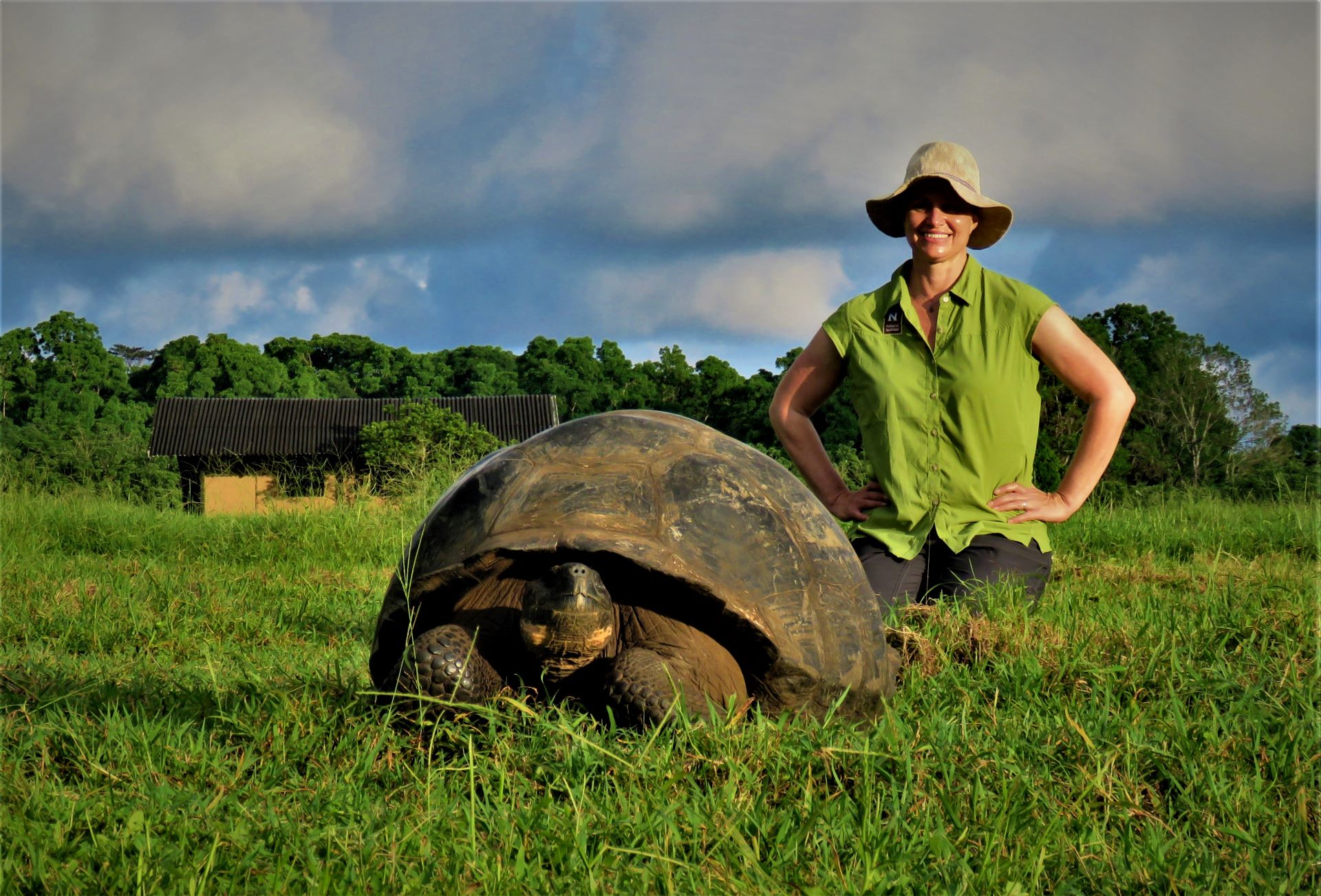
Scientists consider long-living species a glimpse into life on Earth long ago. Some islands, like the Galapagos, are home to endemic wildlife studied by Charles Darwin during the HMS Beagle voyage that brought him to the archipelago. Among them, the giant tortoise stands as one of the longest-living animals on Earth.
Here are seven wild species that live to 100 or more:
1. Giant Tortoise
The giant tortoise is one of the longest-living land animals on Earth and a defining species of the Galapagos. A well-known captive tortoise, Harriet, lived to 175 years, while Jonathan, a tortoise on the island of St. Helena, is recognized as the oldest known living land animal at more than 190 years old.
Part of Ecuador, the Galapagos Islands sit on the equator in the eastern Pacific Ocean. The archipelago supports 25 native reptile species, most of them endemic. With few natural predators and a slow metabolism, reptiles like the giant tortoise are well adapted for long life.
The name “Galapagos” comes from a Spanish word for “saddle,” referencing the shape of some tortoise shells. On Galapagos Discovery: The Nat Hab Experience, travelers can observe giant tortoises in their natural habitat, including in the highlands of Santa Cruz, where these animals move slowly through grassy terrain.

2. Black Coral
Coral reefs are essential to ocean ecosystems, covering about 1% of the ocean floor while supporting roughly 25% of marine species. Reefs are built by tiny organisms called polyps that secrete calcium carbonate skeletons.
Some deep-sea corals found off Hawaii are among the oldest known marine organisms. Scientists have identified black coral colonies more than 4,000 years old, along with gold coral estimated at more than 2,700 years old.
3. Rougheye Rockfish
Rockfish are a diverse group of more than 120 species found in the Pacific Ocean. While many live only a few decades, the rougheye rockfish can exceed 200 years.
These fish inhabit depths between 500 and 1,500 feet, often sheltering among rocky seafloor structures. Their slow metabolism and cold-water environment contribute to their longevity.
4. Greenland Shark
In the icy waters of the Arctic and North Atlantic lives the longest-living vertebrate known. Greenland sharks grow slowly and can live for at least 272 years, with some individuals possibly exceeding 400 years.
Because they lack the calcified structures typically used to age sharks, scientists analyzed proteins in the sharks’ eye tissue using radiocarbon dating. This method revealed their remarkable lifespan and slow growth.

5. Immortal Jellyfish
The jellyfish Turritopsis dohrnii is known for its unusual life cycle. Found in oceans around the world, it can revert from its adult form back to a juvenile polyp stage under stress or injury.
This ability allows the species to potentially extend its lifespan indefinitely under ideal conditions, though individuals can still die from predation or disease.
6. Ocean Quahog
Ocean quahog clams (Arctica islandica) are among the longest-living non-colonial animals. A specimen nicknamed “Ming” was determined to be 507 years old, based on growth rings in its shell.
While colonial organisms like corals may live longer, the ocean quahog holds the distinction as one of the oldest individual animals ever recorded.

7. Tuatara
The tuatara is a reptile found only in New Zealand. It is the last surviving member of an ancient lineage that dates back more than 200 million years.
Tuatara grow slowly and can live more than 100 years. Their longevity is linked to a low metabolic rate and cool habitat conditions.

The Galapagos Islands remain one of the best places to observe long-lived species in the wild. From marine iguanas grazing along volcanic shores to giant tortoises roaming highland forests, the archipelago offers rare insight into evolution and survival.
On Galapagos Discovery: The Nat Hab Experience, travelers explore these ecosystems with expert guides, gaining a deeper understanding of the species that define this region. Snorkeling excursions, island hikes and wildlife encounters reveal how life thrives both above and below the water.
Whether watching a giant tortoise move through misty highlands or encountering marine life along the coast, each moment reflects the resilience of these species. With Nat Hab, travelers experience these environments firsthand, observing wildlife responsibly while supporting conservation efforts that protect these species for generations to come.

.