

Know Before You Go
Frequently Asked Questions
Click on a question below to open the answer.
What is the Pantanal? And where is it located in Brazil?
While the Amazon may be the premier wildlife destination in countries such as Peru and Ecuador, in Brazil, nothing beats the Pantanal. Part national park and part UNESCO World Heritage site, the Pantanal is a natural region encompassing the world’s largest tropical wetland. It is South America’s primary wildlife sanctuary where thousands of species reside. The Pantanal is located in the midwestern Brazilian state of Mato Grosso do Sul.
When is the best time to visit Brazil's Pantanal?
The dry season (from June through October) is the best time to visit the Pantanal. These months are the coolest and vegetation is less dense, allowing for optimal wildlife viewing and bird watching. Areas of the Pantanal that flood during the rainy season become accessible, allowing for a more in-depth exploration of this biodiverse area and providing the highest chances of seeing elusive jaguars.
What is the weather like in the Pantanal area of Brazil?
The average daytime temperature in the Pantanal during the dry season (from June through October) is around 90ºF. Mornings and evenings can be quite chilly in June, July and sometimes August, with temperatures dipping to near 40ºF. It can be both hot and very cool, and rain is always a possibility. Temperatures and rainfall begin to increase in October as the wet season approaches.
What wildlife will I see in Brazil’s Pantanal?
The Pantanal is the largest tropical wetland on the planet and as such is a region of incredible biodiversity. Jaguars, ocelots, capuchins, howler monkeys, peccaries, capybaras, giant river otters, tapirs, South American coatis, anteaters, caimans, macaws and thousands of other bird species inhabit the Pantanal.
Will I see jaguars in Brazil’s Pantanal?
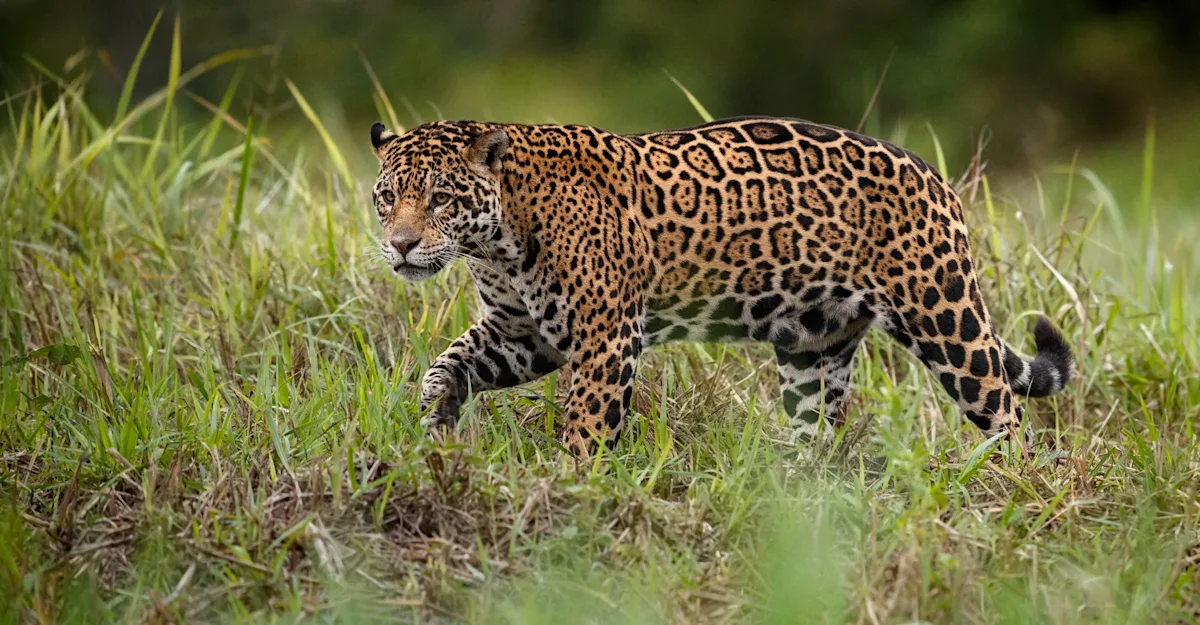
Though jaguars are elusive animals and tricky to find because of their spotted camouflage, there is a good chance we’ll see one (or more!). Porto Jofre offers the greatest density of jaguars in the entire Pantanal, so our odds of seeing them there are high. We’ll search for the stealthy cats on private skiff excursions, where we may find them prowling, fishing or lounging by the riverbank.
What are the advantages of chartered flights as opposed to overland drives in Brazil?
By flying between destinations on our chartered planes, we get the most out of our time spent in Brazil. Chartered and scheduled flights maximize our wildlife viewing time by significantly cutting the time we would spend driving overland. Instead of slow and often rugged overland travel by van, we’ll have an aerial view of the Pantanal and arrive at our destination quicker to ensure more time for wildlife encounters.
What clothes should I pack for Brazil?
You will need to pack to prepare for both hot and cool weather on our trips to Brazil, as temperatures can fluctuate significantly from day to night, and rain is always a possibility. Nat Hab recommends wearing lightweight, quick-drying clothing during the day. In the evenings, you’ll want to have long pants and a light jacket to stay warm. Pack hiking boots or sturdy shoes for walks and excursions. For further details of what to bring, check out Nat Hab’s online Gear Store for some of the key items recommended for your adventure.
How physically active is this Brazil trip?
This trip is rated as moderate because guests must be able to walk approximately 2–3 miles over mostly flat but sometimes uneven terrain. Guests may experience long periods of walking or time in transit in hot and humid weather. On this trip, each guest can opt out of any activity; however, alternate activities may not be provided. Please click here for the explicit physical requirements of this Brazil adventure.
What are the hotels and lodges like on this Brazil tour?
While in Brazil, we’ll reside in the country’s most remote ecolodges, as close as possible to the best wildlife viewing. By staying at accommodations in the heart of private reserves and wildlife sanctuaries, we’ll have unparalleled access to exploring the region’s biodiversity hotspots. Rooms at ecolodges are simple and are equipped with air conditioning, screened windows and ceiling fans to keep cool. Pristine wilderness surrounds many of these lodges, so don’t be surprised if you catch sight of a howler monkey in the treetops while taking a refreshing dip in the swimming pool or dining on delicious traditional dishes from the Pantanal region.
What type of cuisine is Brazil known for?
Brazilian cuisine is a fusion of African, European and indigenous influences and varies greatly by region due to the large size of the country. Most meals consist of rice and beans, root vegetables, tropical fruits, meat and fish, frequently combining savory and sweet flavors. Feijoada, the national dish, is a black bean stew served with rice and pork alongside citrus and sautéed collard greens. There will be Western fare as well as Brazilian cuisine, especially local delicacies sourced from the Pantanal region, such as fresh fish dishes and tropical fruit for breakfast.
What currency will I need to use while traveling in Brazil?
The Brazilian Real (BRL) is the official currency of Brazil. We recommend exchanging money at a casa de cambio or major banks in Rio for the best exchange rates. Click here, opens in new tab to check the current exchange rate for USD to BRL. Credit cards are accepted at larger restaurants, hotels and gift shops, and Visa is most widely used. Smaller establishments will commonly only take cash, so it’s a good idea to have enough money on hand for gratuities and other incidental purchases.
Will there be cell phone service or Internet connection on this trip?
Internet access will be available at all our accommodations, including those on the São Paulo, Rio and Iguazu Falls extensions. Wi-Fi at Porto Jofre is slow and may be unavailable at times. Though there is cell phone service in Rio, it is limited and often nonexistent in the more remote areas of the country and across the Pantanal. Our trips are focused on providing immersive nature and wildlife experiences, so we kindly ask guests to refrain from using electronics during group activities.
Is this Brazil adventure appropriate for children?
The minimum required age for this trip is 12 years old because of full days and long transfers that can be difficult for youngsters. If you’re looking for a tour designed specifically for children, teens and families, check out our collection of Family Adventures to Costa Rica, the Galapagos Islands, Africa and more.
Can Nat Hab take our family or group on a private version of this Brazil adventure?
Yes! Families or friend groups can reserve entire departures on a private basis. Please call our office at 800-543-8917 to get details on group size and pricing.
How do I get to Sao Paulo to meet the group?
Guests are responsible for booking flights from their home city to Sao Paulo, Brazil. We recommend booking through Natural Habitat Adventures’ Travel Desk, as our Air Travel Specialists are intimately familiar with the requirements of our trips and can arrange the most efficient and cost-effective travel into Sao Paulo. Please check the Getting There & Getting Home section on the Dates, Prices & Info page for details on required arrival and departure times for this adventure.
Can Nat Hab help me book a hotel room in Sao Paulo if I want to arrive early?
Nat Hab is happy to reserve a hotel room for you in Sao Paulo before your Brazil tour begins, but please note that pre-nights are subject to availability at the time of booking. Please speak with our Travel Desk if you’re interested in booking extra nights.