Good Nature Travel Blog

  • Nature & Wildlife

    Animal Sizes: On Continents, on Islands and Over Time

    Aug 4, 2026 · Candice Gaukel Andrews

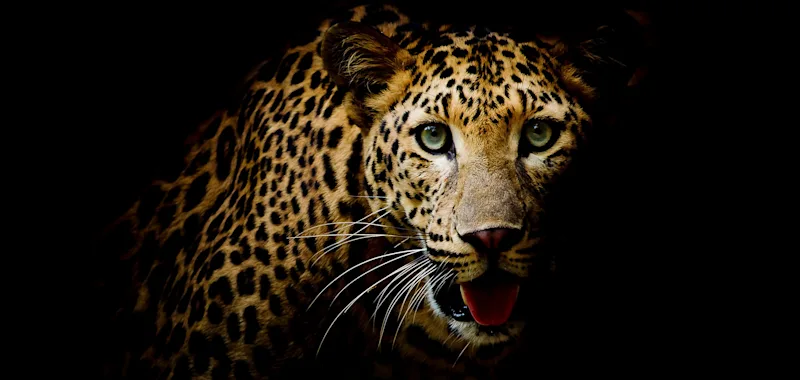
    Some tiny birds on remote Scottish islands are undergoing a dramatic evolutionary transformation. Four isolated populations of British wrens have grown astonishingly large. At the other end of the scale, however, leopards in South Africa’s Cape Floristic Region have become much smaller than most African leopards.
  • Nature & Wildlife

    New Insights into Animal Behavior

    May 5, 2026 · Candice Gaukel Andrews

    It’s typically said that animal behavior is the result of biology and environment. The responses of wildlife are driven by the primal urges to survive and reproduce; or are triggered by internal or external cues, such as the appearance of a nearby threat.

  • Nature & Wildlife

    The Powers and Potentials of Small Mammals

    Apr 28, 2026 · Candice Gaukel Andrews

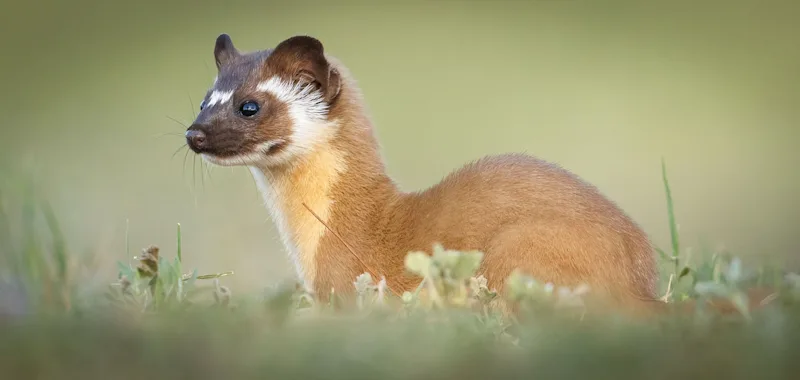
    The decline of charismatic and large animals like lions and pandas often captures global attention, but a quieter and perhaps more damaging crisis is unfolding among those that are smaller. These bitty beings are disappearing at alarming rates, and their loss can have outsize consequences for biodiversity. But don’t count these small bodies out yet.

  • Nature & Wildlife

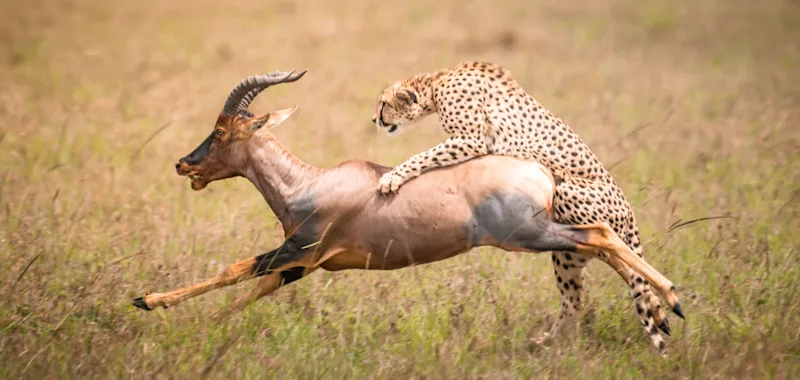
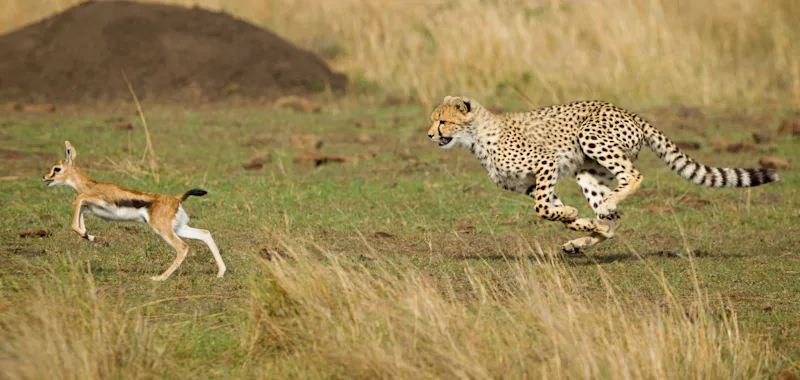
    The Balance and Bond of Predators and Prey

    Feb 24, 2026 · Candice Gaukel Andrews

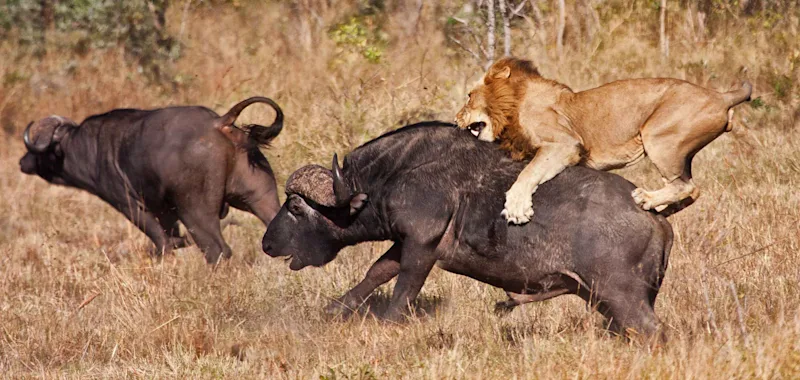
    The predator/prey relationship is an age-old association. Despite that longevity, it can still mystify us. For example, on a remote Alaskan island, gray wolves are rewriting the rule book by hunting sea otters—a behavior few scientists ever expected to see.

  • Nature & Wildlife

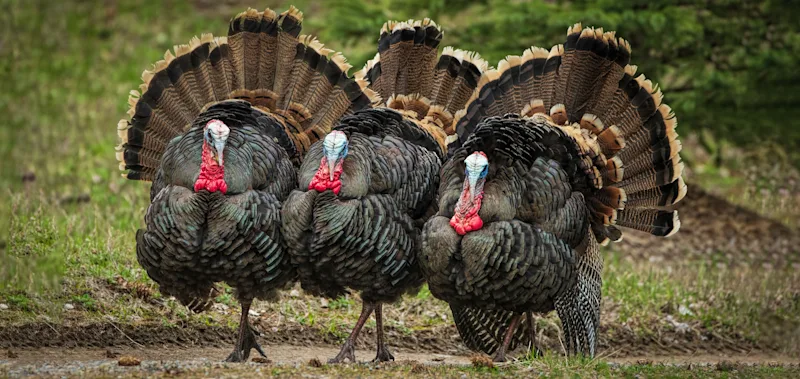
    Nature’s Chefs, Dinosaur Drumsticks and Turkey Trots

    Nov 18, 2025 · Candice Gaukel Andrews

    At the end of the year, many of our holiday celebrations revolve around food, such as a Thanksgiving feast or a Christmas dinner. This food-intensive season reminds me of a new concept in nature studies: “nature’s chefs.” In essence, nature’s chefs are organisms that provide food—or the illusion of food—to other organisms.

  • Nature & Wildlife

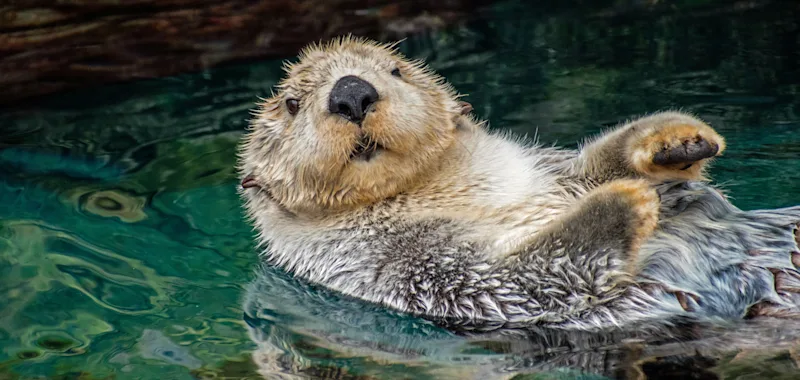
    Celebrating Sea Otters

    Sep 16, 2025 · Candice Gaukel Andrews

    Sea otters can be a powerful ally in confronting climate change, according to the Monterey Bay Aquarium in California. In places where they’re thriving, they can maintain and restore kelp forests and coastal wetlands, strengthening our natural defenses against the worst impacts of a warming world.

  • Nature & Wildlife

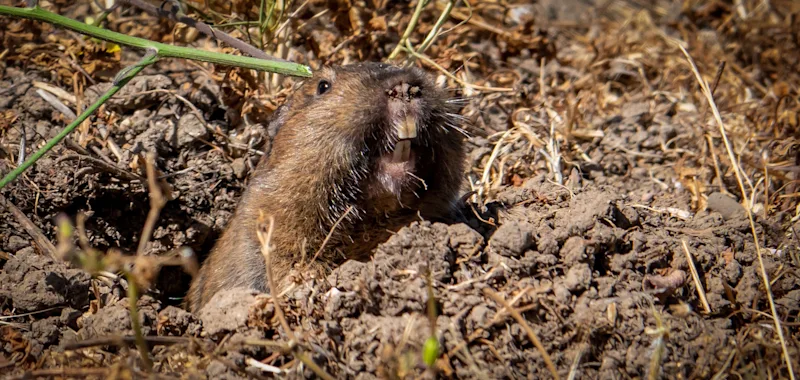
    The Influence of Gophers and the Impacts of Wolves

    Jan 21, 2025 · Candice Gaukel Andrews

    On the surface, gophers and wolves don’t seem to have much in common. Gophers are small (just a few inches long), burrowing rodents that primarily consume bulbs, roots and other underground plant parts; while wolves (which can reach several feet in length) are much larger predators that hunt and primarily eat meat.

  • Nature & Wildlife

    The Smells of Nature: Human Health and Hungry Herbivores

    Jun 18, 2024 · Candice Gaukel Andrews

    We know that spending time in nature is good for us, proven by hundreds—perhaps thousands—of scientific studies. But most of what we know about nature and its benefits have come from research focused on how seeing nature affects us.

  • Conservation

    Lion Longevity: Ants, Politics and Social Contexts

    Apr 9, 2024 · Candice Gaukel Andrews

    American writer, conservationist, ecologist, environmentalist, forester, naturalist, philosopher and scientist Aldo Leopold once said that “harmony with land is like harmony with a friend; you cannot cherish his right hand and chop off his left. That is to say, you cannot love game and hate predators … the land is one organism.”

  • Nature & Wildlife

    Coastal Wolves and Their Surprising Catches

    Dec 5, 2023 · Candice Gaukel Andrews

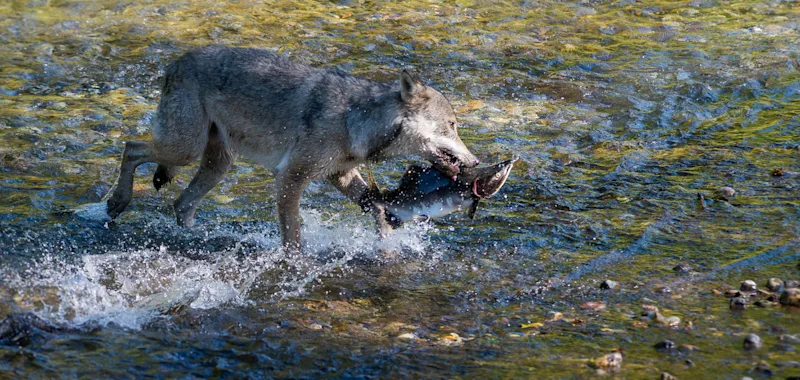
    Wolves are probably one of the most widely studied species on the planet. What’s fascinating, though, is that just when we think we know almost everything there is to know about them, they find a way to surprise us. It’s estimated that 2 million wolves once roamed freely throughout North America.

  • Conservation

    Species-Rich Places and the “Robin Hood” Conservation Strategy

    Nov 21, 2023 · Candice Gaukel Andrews

    Ever since the HMS Beagle arrived in the Galapagos Islands with a young Charles Darwin aboard—who was soon to meet a fateful family of finches—ecologists have struggled to understand a particularly perplexing question: Why is there such a ridiculous abundance of species in some places on Earth and a scarcity in others?