

Conservation
Savoring and Saving Summer Beaches
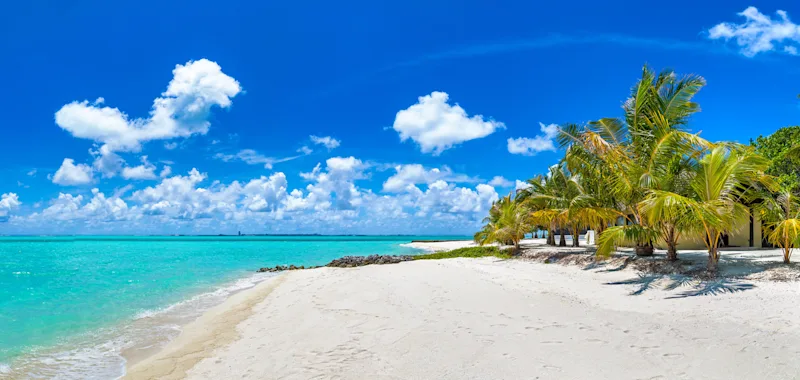
Summer will arrive soon, and that means that a lot of you will be thinking about a sunny beach vacation.
Conservation
Summer will arrive soon, and that means that a lot of you will be thinking about a sunny beach vacation.
News & More
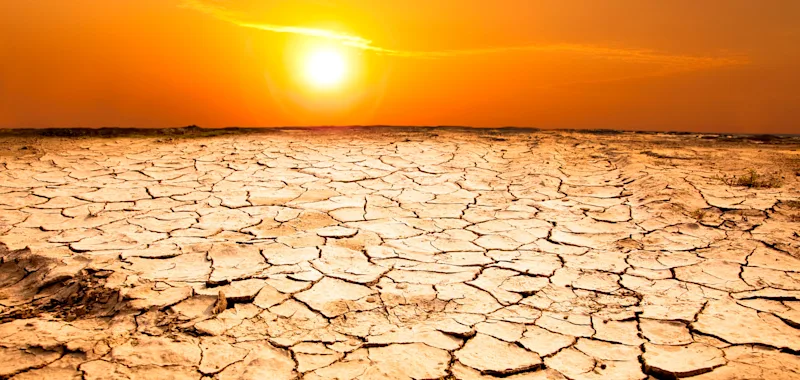
The year 2025 finished as the third hottest globally (behind 2024 and 2023), according to reports from NASA (National Aeronautics and Space Administration), NOAA (National Oceanic and Atmospheric Administration) and WMO (World Meteorological Organization).
Latin America
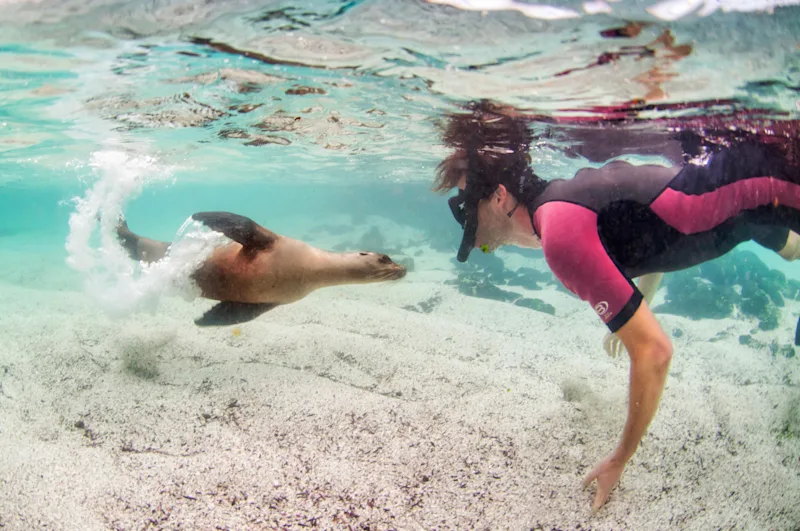
The Galapagos offers close wildlife encounters—from blue-footed boobies and sea lion colonies to giant tortoises that move slowly across arid highlands. But the islands are only part of the story. The Galapagos Marine Reserve spans an area nearly six times larger than the landmass of all 21 islands combined.
Asia & The Pacific
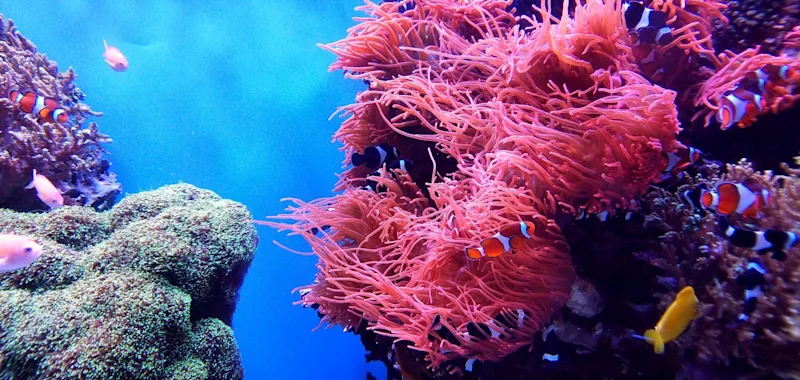
Conservationists and ocean lovers: June 1 is our chance to step up and celebrate World Reef Day!
Nature & Wildlife
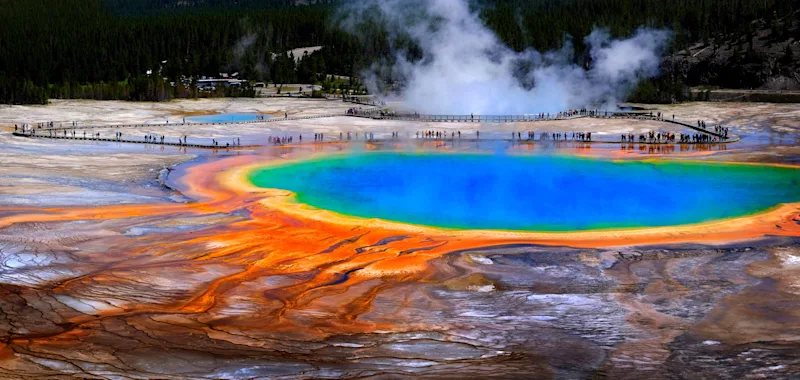
Our world is a colorful place. Just think of the vivid blues, greens, oranges, reds and yellows of Grand Prismatic Spring in Yellowstone National Park, the rainbow-hued mountains of Zhangye National Geopark in China or the shimmering green and purple bands of light in the aurora borealis above the tundra in Churchill, Manitoba, Canada.
Conservation
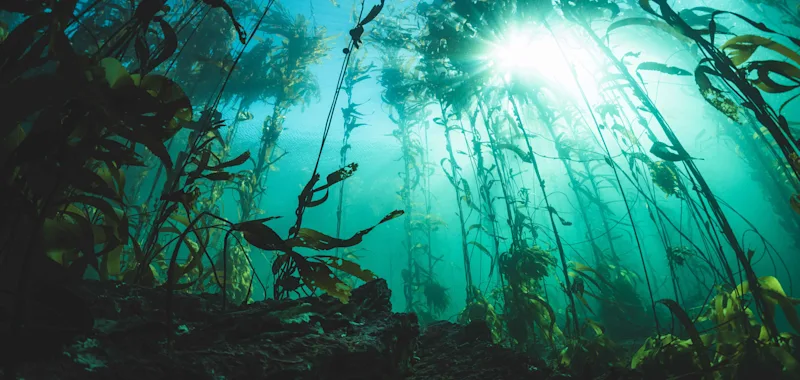
Found along 25% to 30% of the world’s coastlines, kelp forests are the most extensive marine vegetated ecosystems in the world. A type of seaweed, kelp attaches to rocky surfaces on the ocean floor and—like terrestrial plants and trees—grows upward toward the sunlight. Some experts even call kelp “the sequoias of the sea.”
Nature & Wildlife
Oceans pulsate with underwater songs, coral reefs crackle and croak, and the sounds from stars tell us just how far away they are. It seems the whole universe absolutely vibrates with music. Now, science is verifying that notion.
Conservation
Although sometimes heart-wrenching to discover on our nature outings, the animal carcasses that we may come across play an important role in the functioning of healthy ecosystems. The animal remains not only provide food for many carrion-eating species, their nutrients also contribute to the significantly increased growth of surrounding plants.
Nature & Wildlife
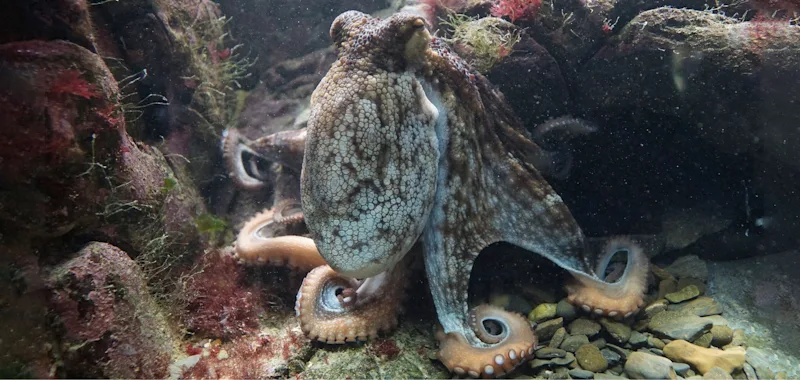
Octopuses are the weirdly wonderful ocean animals who have blue blood, changeable colors and the ability to use tools. However, they’re probably most famous for having eight arms—which they can regrow—and bulbous heads. But even with all that, there’s so much more to these cryptic creatures.
Conservation
In prepandemic times, those of us who cherish wildlife and wild places tried to quantify them in economic terms, hoping to convince those who didn’t care about protecting nature that not doing so would impact their bottom lines. Now, 10 months after the coronavirus outbreak, that strategy seems naive to me.
Nature & Wildlife
Since 1970, the annual Earth Day has been a time for us to reflect on the beautiful planet, the third from the sun, that we call home.
Conservation
More than eight million tons of plastic debris end up in our oceans every year. Present in nearly every oceanic layer, plastic garbage today accounts for nearly 80 percent of all waste found in our oceans.