Good Nature Travel Blog

  • Galapagos Islands

    Are Mangroves Your Next Destination?

    Jul 10, 2019 · Hannah Wagner

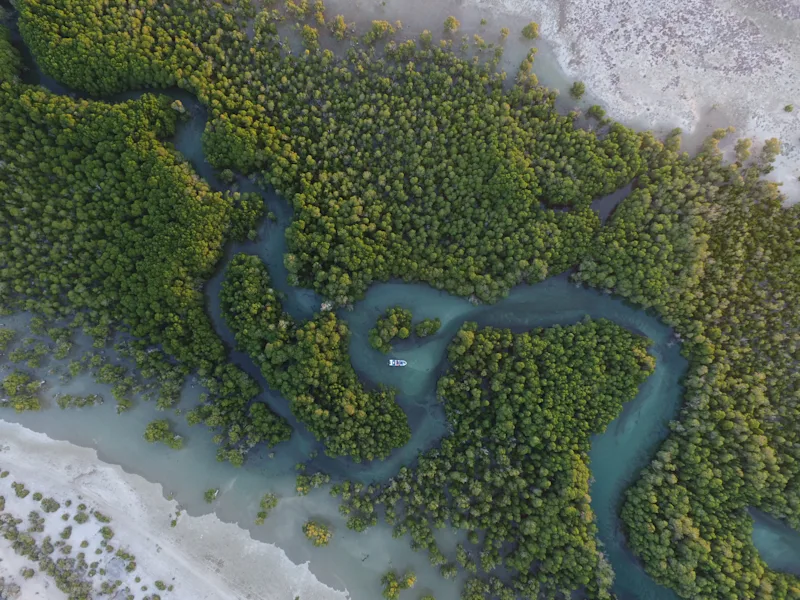
    They should be! A recent study by The Nature Conservancy revealed the benefits of tourism on mangrove forests. Though they are not always the star of the show, mangrove forests are widely visited by tourists. Over 4,000 mangrove attractions across 93 countries bring out millions of visitors.
  • Conservation

    Take Our Ocean Quiz for World Oceans Day!

    Jun 8, 2019 · Courtney Nachlas

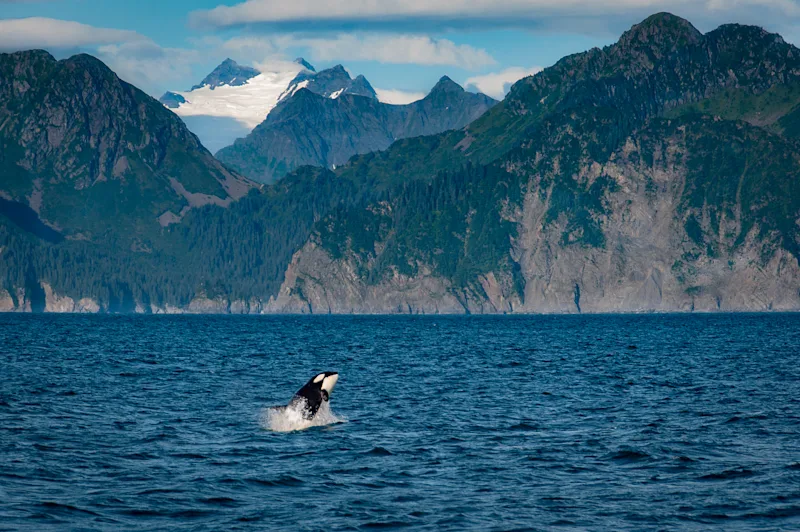
    Happy World Oceans Day! At Natural Habitat Adventures, we love celebrating our waters and the undiscovered mysteries they hold. Our favorite way to enjoy our oceans is with our travelers out on a marine adventure.

  • Travel Tales

    Ugo in Shark City | Olaf’s Corner

    Nov 12, 2018 · Olaf Malver

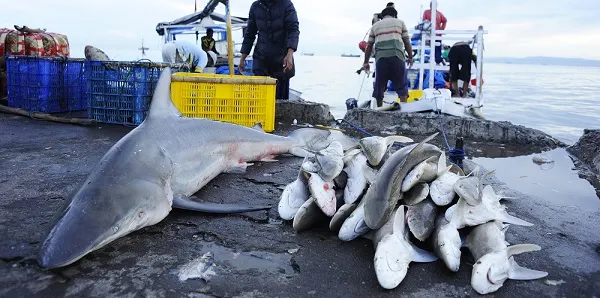
    “Cool, man—shark city!” bellowed Ugo while chumming the waters 30 feet away. We listened to him from the boat deck high above while hanging on to the long bow-line. As if out of nowhere, a bunch of black-tipped reef sharks appeared and began a feeding frenzy.

  • Nature & Wildlife

    The Largest Migration on Earth Is Vertical

    Aug 21, 2018 · Candice Gaukel Andrews

    Every night on Earth, a great migration takes place. It’s bigger than the ones of caribou, wildebeest or zebras on land or Arctic terns in the air. But while this stupendous, nightly migration overshadows all the others, you’ve probably never heard of it. And even more surprising is the fact that it’s vertical.

  • Nature & Wildlife

    This World Oceans Day Leave the Plastic at Home

    Jun 5, 2018 · WWF

    The longer days and sunnier skies are signaling the arrival of beach vacation season. If you, like many, love to spend time by the ocean, it’s time to appreciate all that our oceans do for us every day, especially on World Oceans Day.

  • Videos

    Video: Oceans and Plastics Pollution

    Mar 15, 2018 · Candice Gaukel Andrews

    Our oceans are sometimes referred to as our planet’s forgotten lungs. While forests—which usually get the credit for being the world’s “breathing” apparatus—do help maintain the balance of oxygen and carbon dioxide in our atmosphere, they cover roughly only a third of the Earth’s land area.

  • Videos

    Video: When Whales Walked

    Mar 1, 2018 · Candice Gaukel Andrews

    In our imaginations, nothing symbolizes our seas more than whales. These bigger-than-life creatures imbue our oceans with life, with song and with majesty, mystery and myth. If anything else represents our oceans more, I can’t think of it. That thought is a bit ironic because there was a time when whales walked the Earth.

  • Conservation

    Five Whale Questions with WWF’s Leigh Henry

    Jun 7, 2017 · WWF

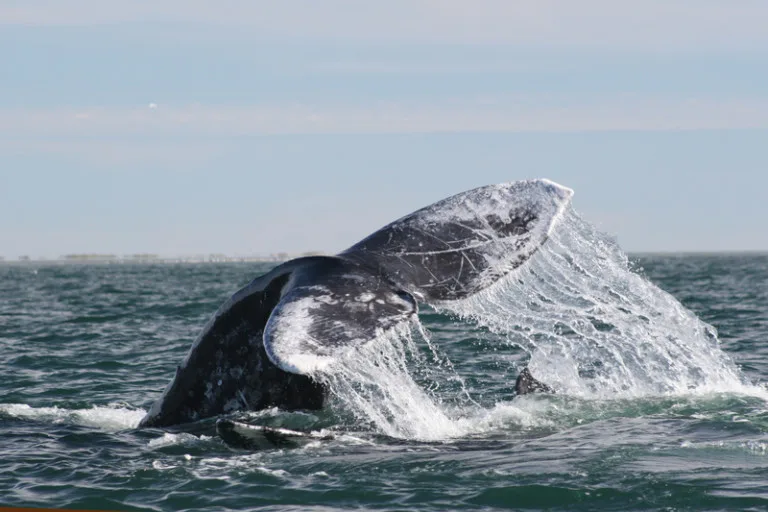
    WWF Senior Policy Officer in Species Conservation, Leigh Henry, leads policy efforts related to wildlife conservation. Since joining the WWF family in 2001, she has helped lead WWF’s efforts with the International Whaling Commission among many other efforts. We sat down to chat with her about whale-viewing in Mexico’s Baja California.

  • News & More

    Warming Oceans Due to Climate Change Causing Seabird Deaths

    Feb 14, 2017 · Candice Gaukel Andrews

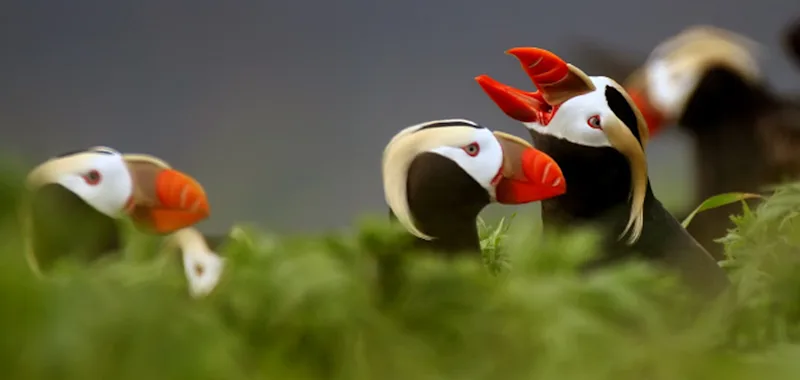
    Recently, in late 2016, hundreds of tufted puffins washed up dead on shores along the Bering Sea in Alaska. Earlier last year, tens of thousands of dead common murres were found on beaches from California to The Last Frontier state. The reason? Climate change and its resultant warming oceans.

  • Videos

    Video: Wear Lionfish Jewelry to Protect the Atlantic Ocean

    Jan 19, 2017 · Candice Gaukel Andrews

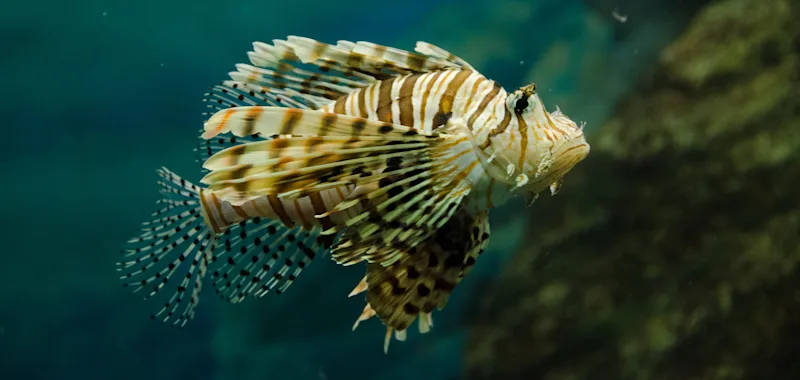
    Lionfish, a colorful native of the South Pacific and Indian Oceans (the Indo-Pacific region) have now taken up what could become permanent residence in the Atlantic Ocean—from North Carolina to Florida, in all Gulf of Mexico states and in the Caribbean. That isn’t good news.

  • Videos

    Video: Spend Two Minutes with Our Awe-Inspiring Earth

    Jan 7, 2016 · Candice Gaukel Andrews

    Almost a decade ago, the world fell in love with the documentary series Planet Earth. Produced by the BBC, the project employed 71 cameramen spending more than 2,000 days in the field, filming in 204 locations across 62 countries.