







By Alix Morris and Dr. Stan Rullman
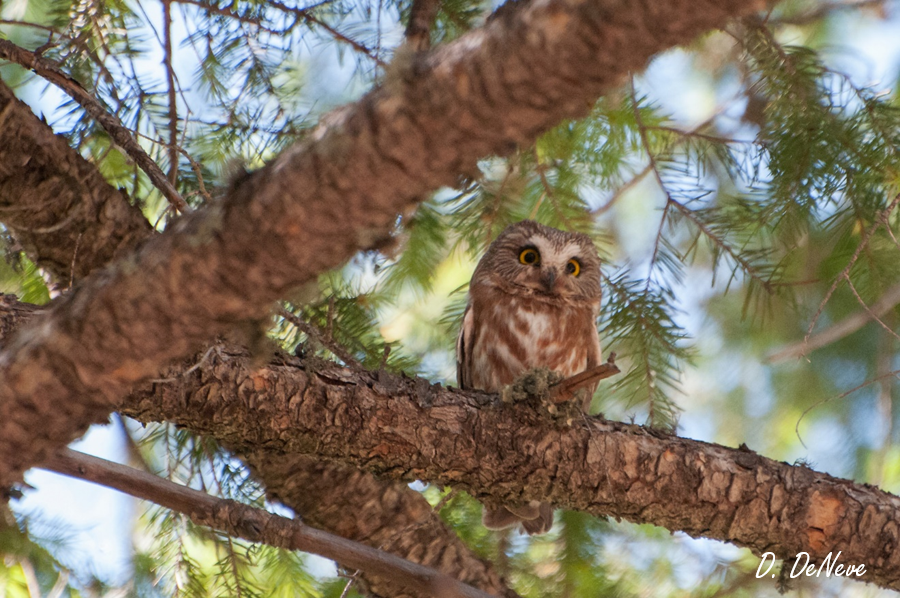
As darkness settles over the forest, tiny owls emerge from the shadows. Their soft-edged wings move silently through the trees as they search for prey. Their facial discs act like satellite dishes, helping them detect the faint rustle of a mouse in the leaf litter or the flutter of a moth’s wings.
Despite their remarkable adaptations, much remains unknown about the lives of North America’s smaller forest owls. Scientists are working to change that. From the aspen forests of northern Utah to the riparian canyons and conifer forests of southeastern Arizona, Earthwatch teams are helping fill critical knowledge gaps and testing strategies to conserve these species as environmental conditions change.
This work takes place through An Intimate Encounter with Arizona’s Forest Owls and related owl research projects in the American West.
Of a Feather
The wise owl of children’s stories. The messenger owl of fantasy novels. The symbol of Athena, goddess of wisdom.
Owls have long captured the human imagination.
Yet despite their cultural prominence, scientists still know relatively little about the ecology and conservation needs of many owl species, including some of the smallest owls in North America.
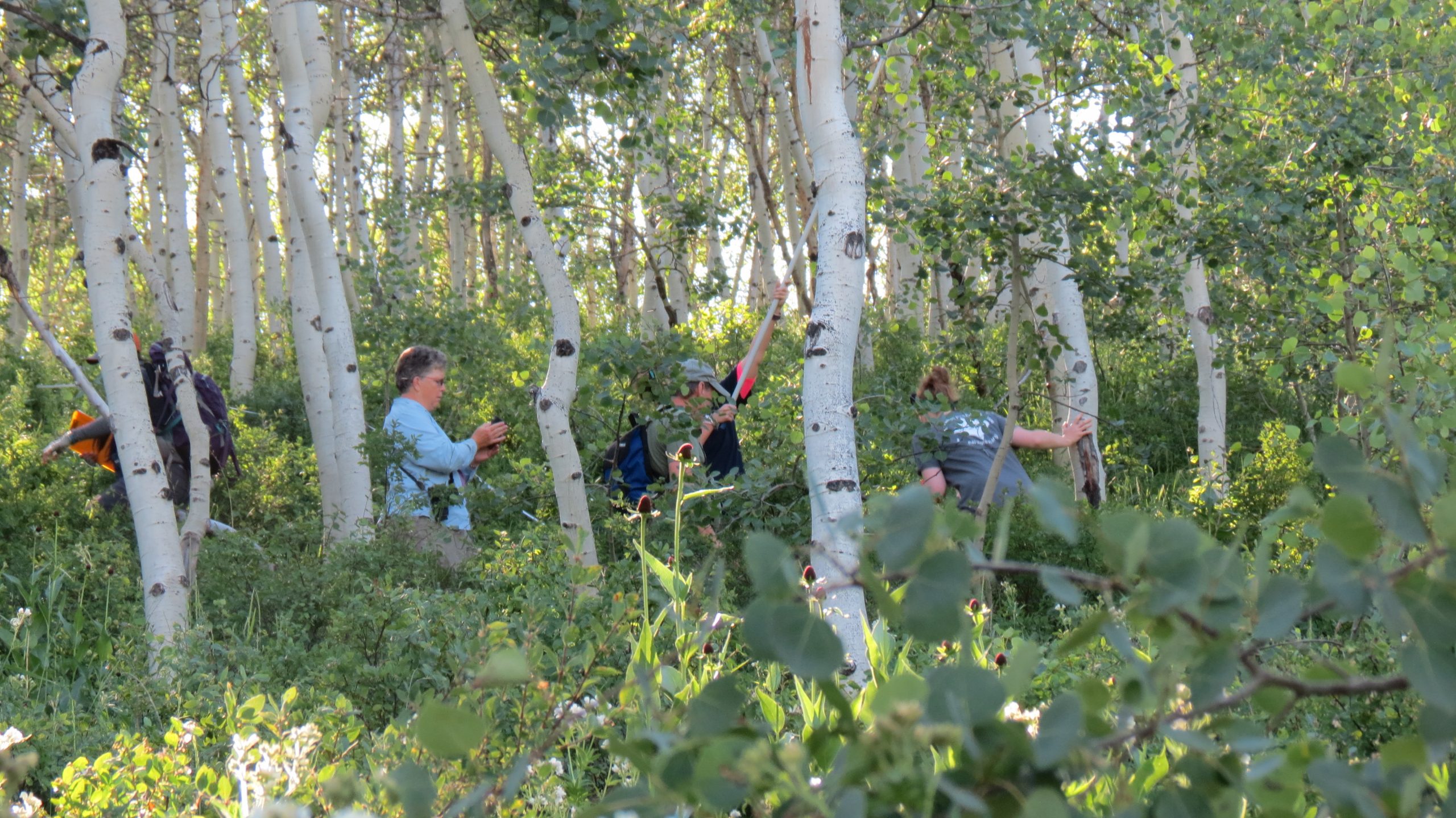
In Arizona and Utah, Earthwatch participants work alongside biologist Dr. Dave Oleyar to study these nocturnal hunters and the habitats they depend on. Their research is helping scientists better understand how small forest owls use the landscape and how changing environmental conditions may affect them in the future.
Home, Sweet Nest Box
Scientists project that aspen forests could decline significantly across parts of the West during this century. In northern Utah, these forests provide essential habitat for small owl species such as the flammulated owl, as well as songbirds, flying squirrels and even moose.
Many owl species rely on tree cavities for nesting and shelter. Woodpeckers often create these openings, which become valuable real estate for other wildlife. If aspen forests decline, natural nesting cavities may become less common.
What would that mean for the owls?
“Despite all of their incredible adaptations, owls have to get by in a dark world. They’re now in a tough spot because they rely on this one thing—tree cavities. But we don’t know how that one thing will respond to climate change.”
—Dr. Dave Oleyar
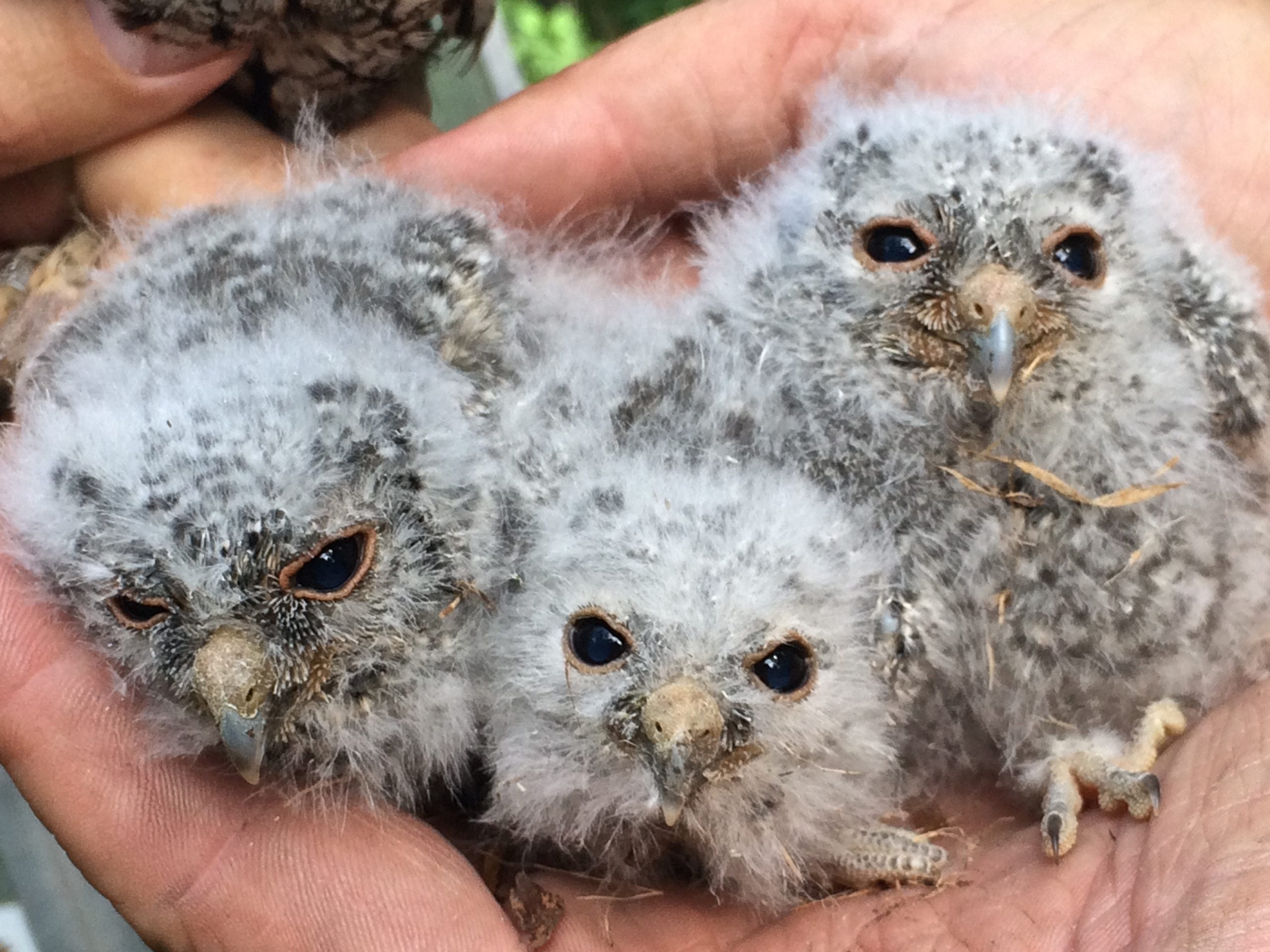
To help address this question, researchers have installed nest boxes that could supplement natural cavities. The approach has shown promise in Utah, where flammulated owls and northern saw-whet owls regularly use the boxes. In other regions, however, the boxes often remain empty.
Why does the strategy succeed in one place and not another?
The answer may involve the availability of natural cavities, habitat conditions or how the boxes are positioned within the landscape.
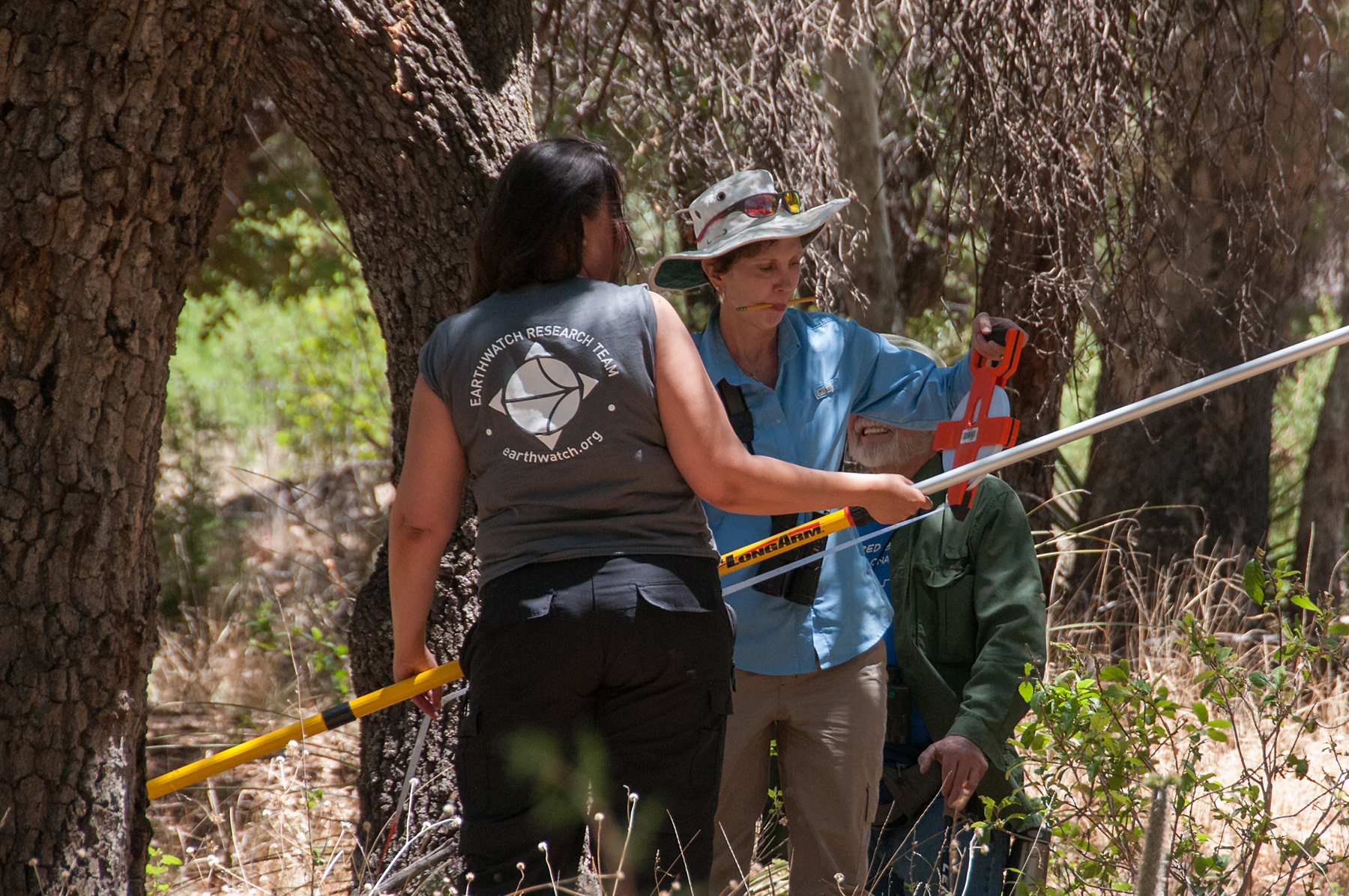
Earthwatch participants help researchers investigate these questions by locating and monitoring nesting sites. The information they collect helps land managers better understand how to protect suitable habitat for small forest owls.
Islands in the Sky
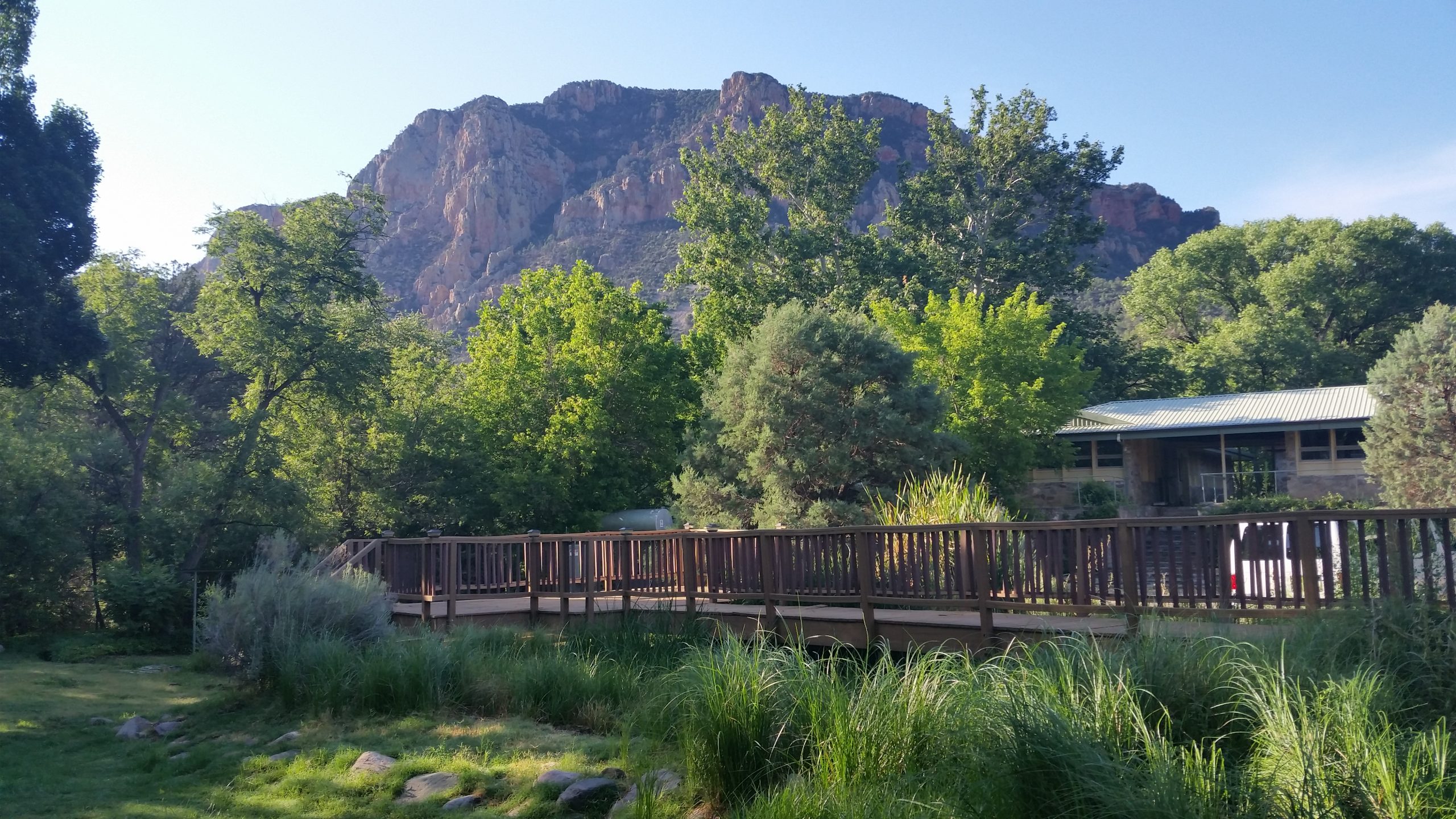
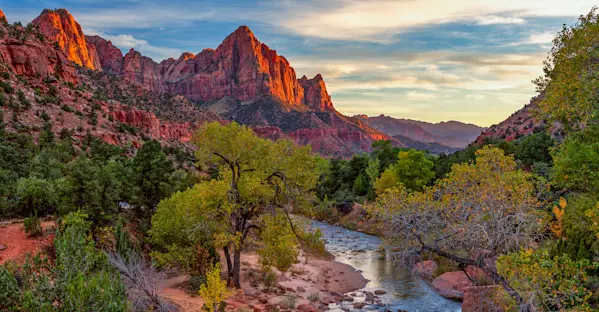
Rising from the Sonoran Desert of southeastern Arizona is a chain of mountain ranges often called the “sky islands.”
These isolated mountains create a remarkable meeting place for plants and animals from both northern and southern ecosystems. The result is one of North America’s richest concentrations of biodiversity.
For Earthwatch Research Director Dr. Stan Rullman, the soundscape is just as impressive as the scenery. Birdsong, insect calls and owl vocalizations create a living soundtrack that reveals the diversity of life in the mountains.
The Chiricahua Mountains alone support roughly 375 bird species.
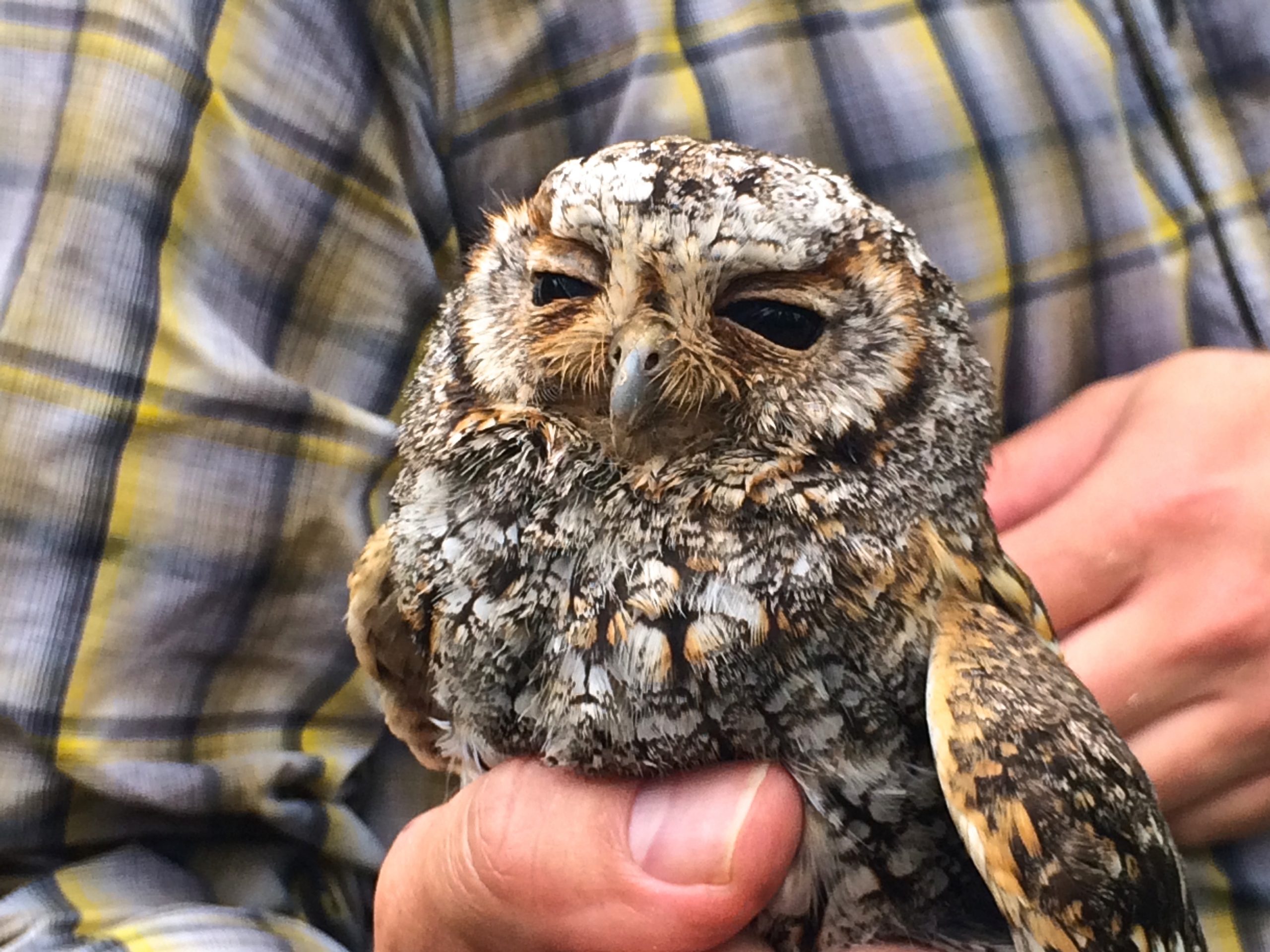
As an owl researcher, Stan considers this one of the best places in North America to study an entire owl community—from the tiny elf owl, flammulated owl and northern pygmy owl to the continent’s largest owl, the great horned owl.
Distinguishing one call from another requires careful listening. Stan and Dave constantly monitor the surrounding soundscape, picking out the subtle calls of some of the rarest birds found in the United States.
Mapping Owl Habitat
At the Arizona research site, Earthwatch teams map tree cavities, survey owl populations and assess whether nest boxes could play a useful role in supporting owl habitat.
But before asking whether nest boxes work, researchers must answer a more basic question:
Are they needed?
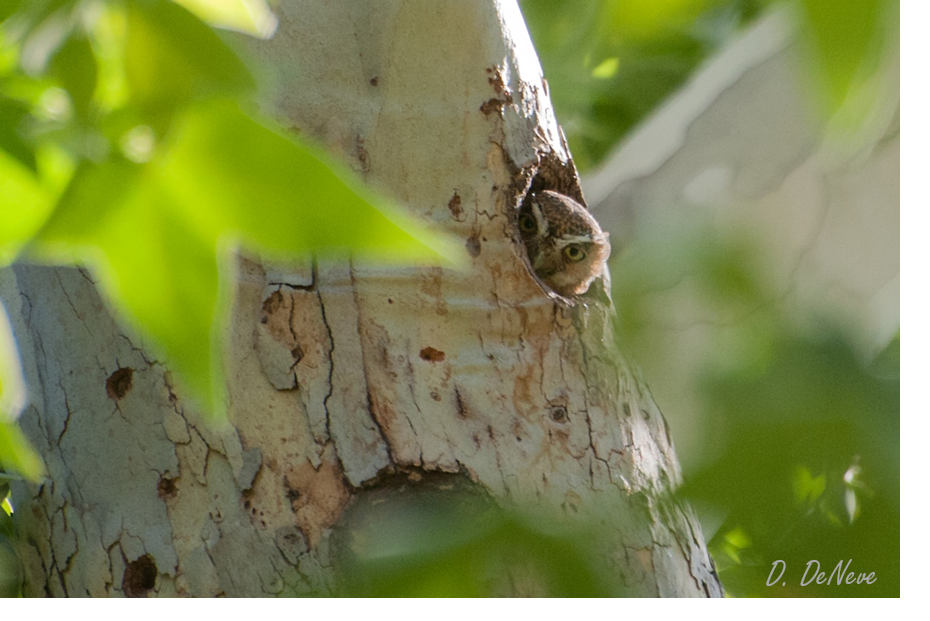
During the first year of research, participants found an abundance of natural cavities throughout the Chiricahua Mountains. Many were located in the sycamore trees lining canyon streams.
Inside those cavities, researchers found nesting elf owls and whiskered screech owls.
Whiskered screech owls are particularly common in the lower canyons. Researchers suspect they may be influencing where flammulated owls establish territories, potentially pushing them higher into the mountains.
These observations raise new questions about how owl species interact with one another and how changing environmental conditions could affect those relationships in the future.
Dave’s Motivation: Earthwatch Participants
Growing up in eastern Texas, Dave knew every tree cavity in his neighborhood that housed nesting eastern screech owls.
His master’s research focused on how flammulated owls responded to changing land-use patterns during infrastructure development associated with the 2002 Winter Olympics in Utah.
After earning his PhD, Dave joined HawkWatch International as a senior scientist. Through his partnership with Earthwatch, he has been able to extend long-term monitoring efforts in Utah with colleague and Earthwatch field team leader Dr. Markus Mika of the University of Wisconsin–La Crosse while expanding research into southeastern Arizona.
For Dave, involving participants in the research is one of the most meaningful aspects of the project.
“I’ve done a lot of different research projects and you work a whole lot and you spin your wheels and if you’re lucky you publish a paper or two. And if you’re lucky, those papers are read by maybe 50 scientists.
But to have dozens of people spend time with us and leave with a deeper understanding of climate change, small owls and cavity nesters—that’s impact on a very different level.
To know that these folks now think about these processes when they engage with the natural world, and that they’ll share those ideas with their families and communities—that’s the biggest impact this project is going to have.”
— Dr. Dave Oleyar
The research helps scientists better understand owl conservation. The participants help carry that knowledge beyond the forest.
Together, they are helping ensure that the quiet hunters of the night continue to have a place in western forests for generations to come.
Learn More
Explore An Intimate Encounter with Arizona’s Forest Owls and discover how you can work alongside scientists studying some of North America’s most fascinating—and least understood—birds.