




—By Alix Morris
Welcome to Churchill, Manitoba
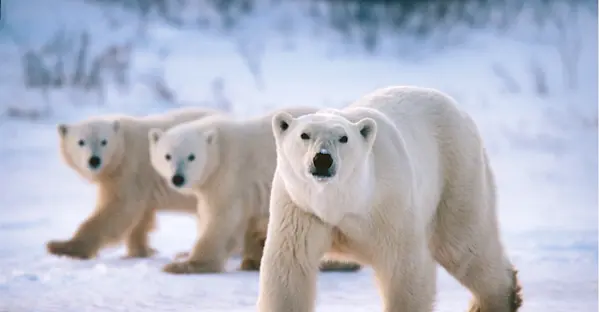
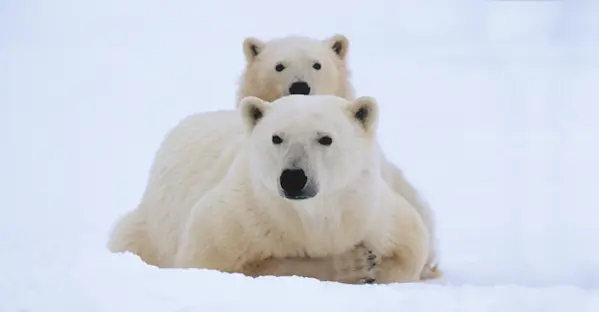
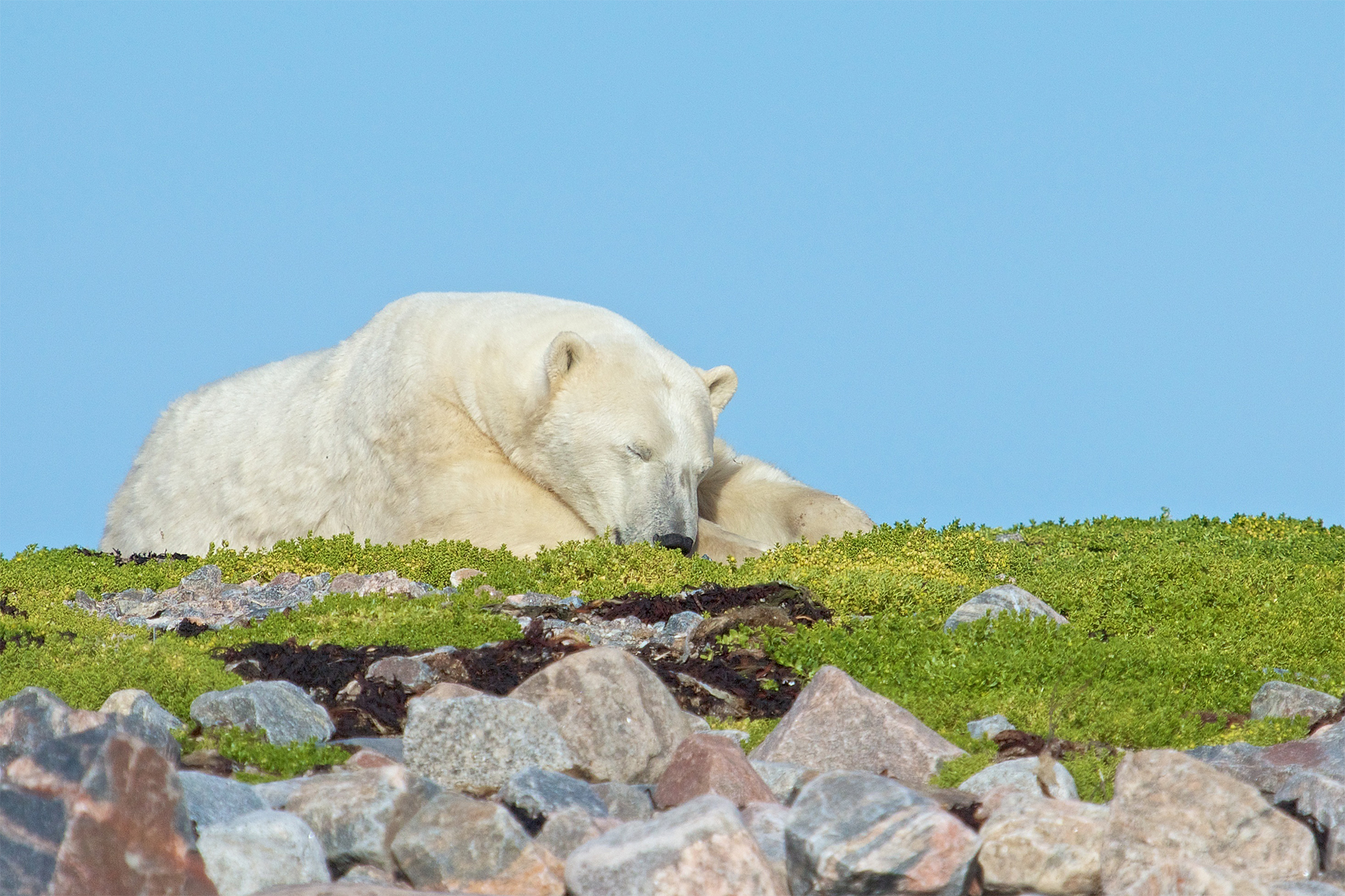
At the southern edge of the Arctic, in Canada’s Hudson Bay lowlands, lies Churchill, Manitoba—a small town that sits at the convergence of tundra, forest, freshwater and marine ecosystems. Churchill is perhaps best known for the roughly 1,000 polar bears that migrate to the region each year, earning it the nickname “polar bear capital of the world.” These massive predators gather as they wait for the sea ice to freeze along the shores of Hudson Bay before beginning their hunt for seals.
In the summer months, thousands of migrating beluga whales enter the bay just after breeding season. They remain in river estuaries and along the coast throughout the summer to feed on capelin and give birth to their young before migrating back out into Hudson Strait and the North Atlantic. Churchill is also a destination for bird enthusiasts—more than 250 species nest or pass through during their annual migrations.
For humans, however, the small town of Churchill is not for the faint of heart. In winter, wind chill can drop to –50°F. The cold is severe enough to freeze eyelashes shut and numb exposed skin. It can even turn water to ice before it hits the ground.
Why would anyone live in such a harsh climate? For Earthwatch researchers LeeAnn Fishback and Steve Mamet, the question is—why not?
Arctic Fever
Earthwatch scientist Dr. LeeAnn Fishback grew up on a dairy farm in southern Ontario. Unlike most children her age who longed for summer, LeeAnn looked forward to winter. Some of her earliest memories involved racing after her Newfoundland dog as he bounded through the snow, carving a path for her to follow. Her parents, who had more time with their children in winter, taught her to skate and toboggan. She quickly grew to love the cold.
Years later, LeeAnn—now scientific coordinator at the Churchill Northern Studies Center—sought opportunities to travel even farther north. When the opportunity arose to spend a summer in the High Arctic, she took it, unaware of how significant the experience would become.
During her second year of fieldwork in 1993, LeeAnn experienced one of the warmest years on record in the High Arctic. She and her team set up camp on a glacier where they planned to study snow and ice melt throughout the summer.
On a glacier, there is typically an “accumulation zone” at higher elevations where snow builds and does not melt. The warmer “ablation zone” sits at lower elevations, where melting occurs. LeeAnn and her team had set up camp in the accumulation zone, expecting stable conditions. But by early July, it became clear that the entire glacier was turning into an ablation zone. There was melting everywhere, and nothing they could do to stop it.
“We moved our camp off the glacier and continued to work on that study looking at glacier melt and ablation over the course of the summer,” LeeAnn said. “But that’s when I really started to think more about climate change in the Arctic and how relevant it would be to the rest of my life.”
She recalled that moment as the point when climate change became real—living on ice that was melting away when it should not have been.
An Expert Warning
In 1989, Earthwatch Chief Scientist Dr. Bill Moomaw attended the first meeting of the United Nations Intergovernmental Panel on Climate Change (IPCC). Scientists gathered to assess the emerging evidence. At the time, their conclusion was cautious: the climate might be changing, and human activity could be a factor.
In the decades since, that evidence has strengthened. Today, scientists agree that human activity is driving climate change. Greenhouse gas concentrations are higher than at any point in the past 800,000 years. The atmosphere, land and oceans have warmed. Snow and ice have diminished, and sea levels have risen.
The question is no longer whether climate change is happening, but how to understand and respond to it.
What Happens in the Arctic Doesn’t Stay in the Arctic
The Arctic and subarctic are critical to understanding climate change because warming occurs faster here than elsewhere on Earth.
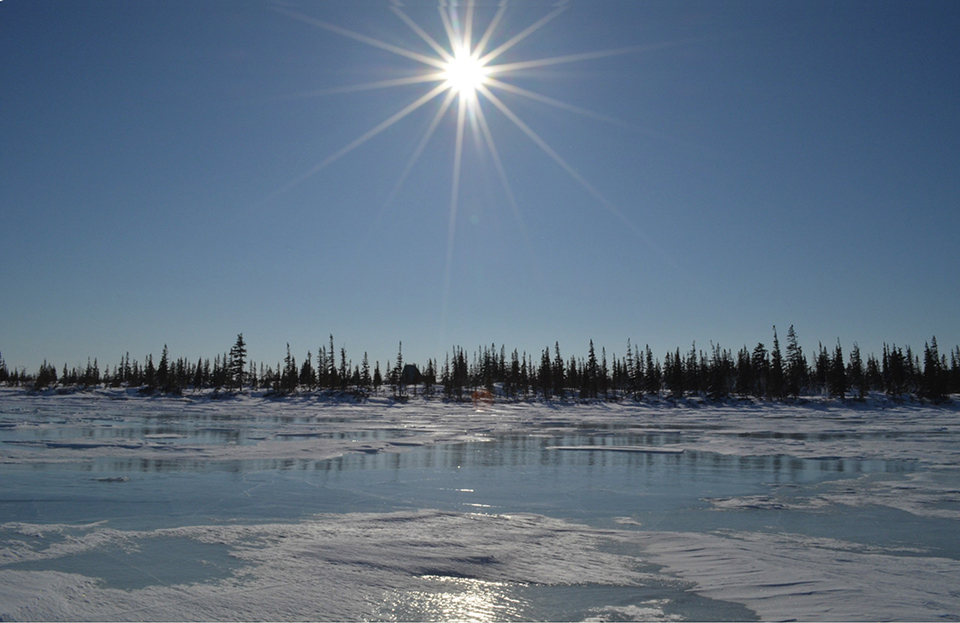
Churchill sits at the Arctic treeline and is highly sensitive to environmental shifts. Rising temperatures have led to shrinking sea ice, drying wetlands and shorter snow seasons.
One major focus of research is permafrost—a frozen layer of soil that begins within about 3 feet of the surface. Permafrost stores vast amounts of carbon from ancient plant material. If it thaws, it could release carbon dioxide and methane into the atmosphere.
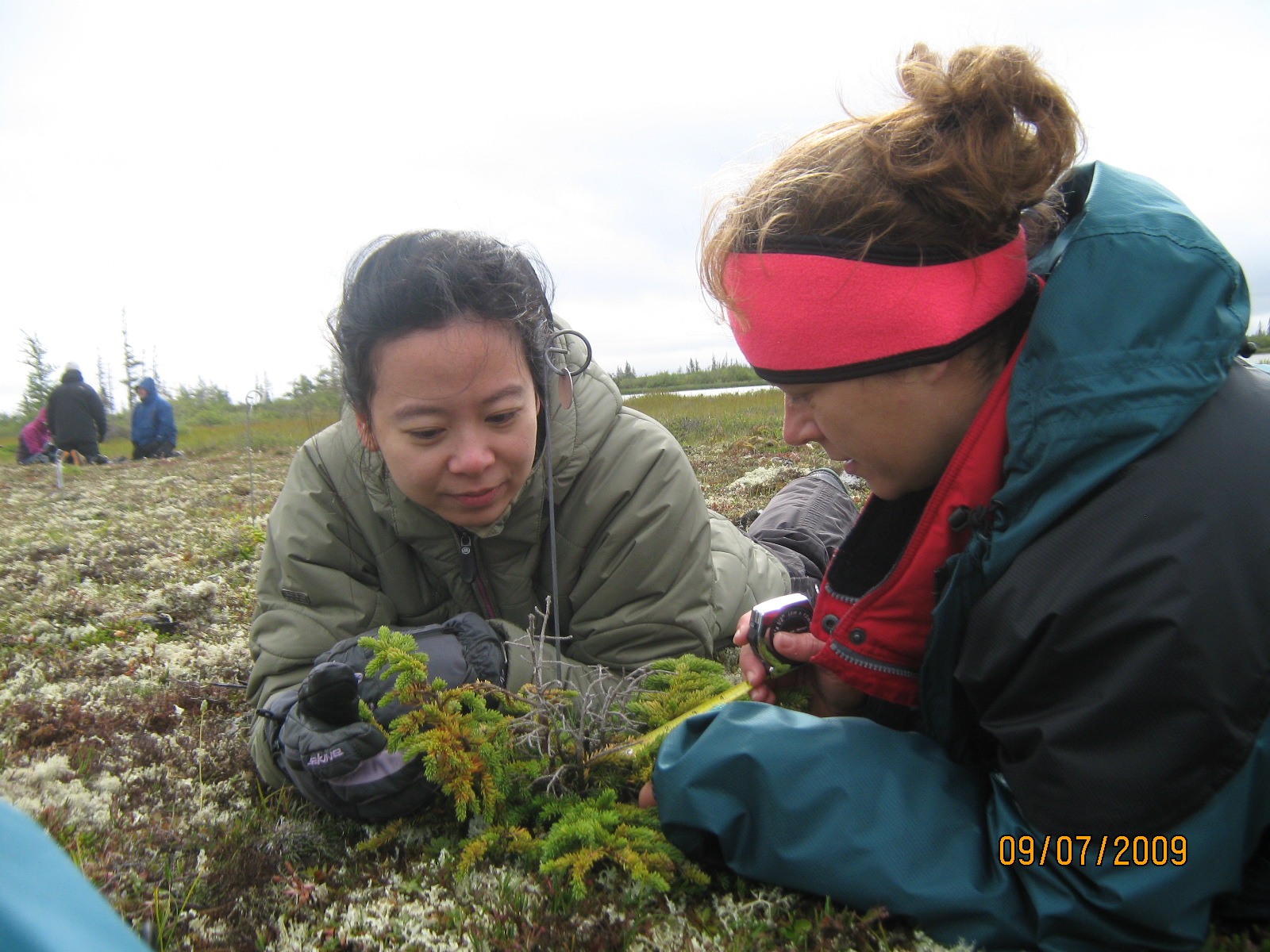
LeeAnn and Steve focus on biological indicators of change, including wetlands and shifting treelines.
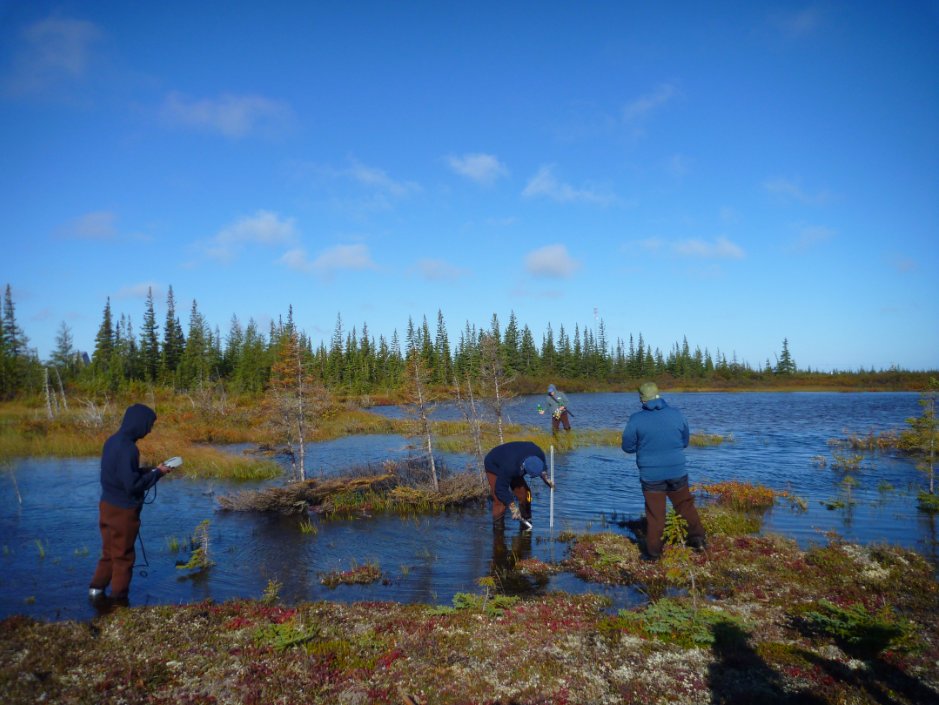
Wetlands cover roughly 40% of the tundra in this region. Increased evaporation can alter these ecosystems, affecting species that depend on them for food or reproduction.
Warming temperatures also allow trees to move north. As the treeline advances, it reshapes entire ecosystems—from insects to mammals to predators such as Arctic fox and snowy owl.
These changes can accelerate warming, as darker vegetation absorbs more sunlight than snow-covered ground. In Churchill, small clusters of trees are already emerging across the tundra—early signs of this shift.
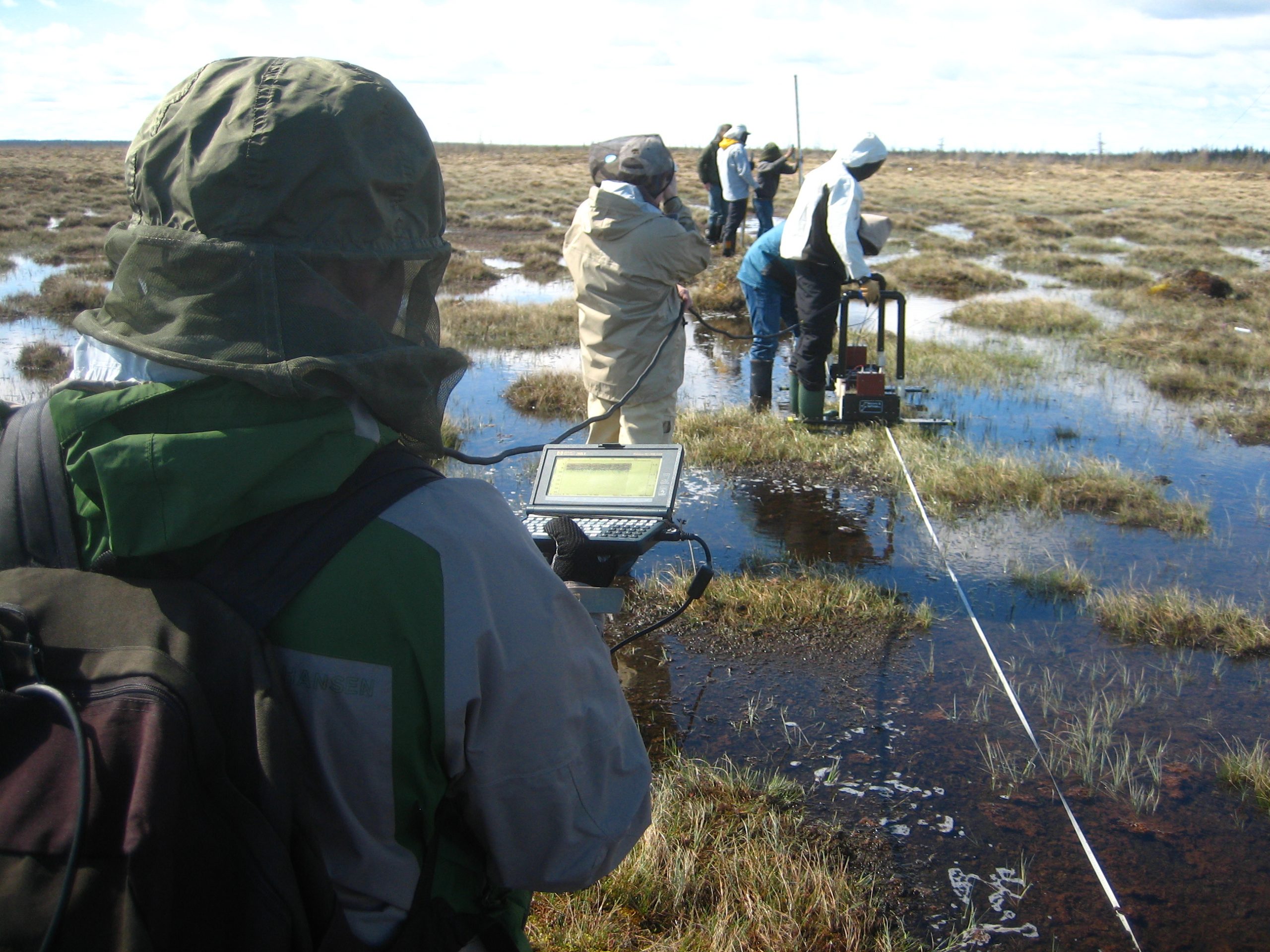
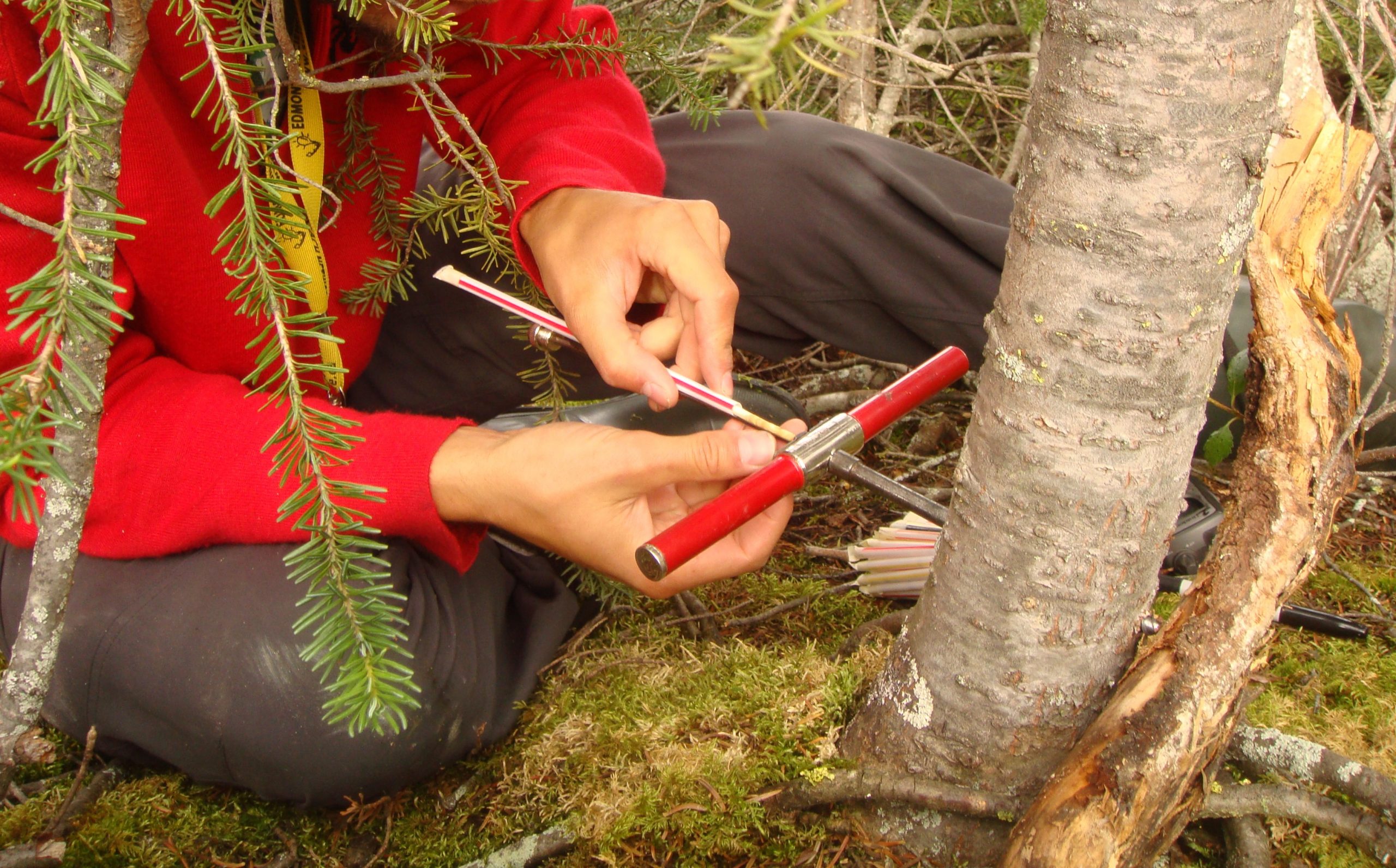
Working alongside participants, LeeAnn and Steve collect data that helps scientists track these changes and understand what they may mean for ecosystems around the world.
A Little History
In 1999, the Churchill Northern Studies Center partnered with Earthwatch to study climate change in the region. Over the years, participants have contributed to long-term research that continues today.
When earlier project leaders stepped down, LeeAnn Fishback and Steve Mamet—both deeply involved in the work—took over leadership of the project.
Climate change now sits at the center of Earthwatch’s research priorities. Its effects extend far beyond the Arctic, influencing ocean chemistry, biodiversity, agriculture and water systems worldwide.
The “So What?” Factor
LeeAnn and Steve acknowledge that research does not always lead directly to policy change. Climate decisions are shaped by complex political and economic factors.
Still, their work contributes to global assessments such as IPCC reports and builds the long-term data needed to guide future decisions.
For Steve, field research is essential. While models help predict change, real-world data confirm whether those predictions are accurate.
For LeeAnn, another key outcome is education. By working closely with participants, scientists help people better understand climate change and its impacts. Participants return home with knowledge they can share, helping raise awareness in their communities.
Participants not only support data collection—they help create a clearer picture of climate change in the Arctic, offering insight into changes that may soon affect other regions.
Why Do Scientists Do It?
Steve Mamet did not always plan to become a scientist. As a child, he considered careers ranging from special effects to firefighting. But his curiosity about nature persisted.
His parents recall him once spending an entire afternoon tracking a caterpillar across the yard, marking its path in the sand. What seemed unusual at the time became the foundation of a scientific mindset.
Today, Steve approaches research like solving a mystery—making observations, forming hypotheses and testing them against evidence collected in the field.
Life on the Tundra
Participants quickly learn that Arctic fieldwork requires patience and endurance. Days often begin early and extend well into the evening, with time spent both in the field and in the lab.
Despite the demands, the experience is deeply rewarding. Participants form strong bonds and gain a deeper understanding of the Arctic landscape and the science behind climate change.
As one participant reflected, the experience fostered a lasting appreciation for the tundra and a clearer perspective on this complex global issue.
Get Involved with Earthwatch
Join an Earthwatch expedition in Churchill and work alongside scientists studying one of the planet’s most rapidly changing environments. Contribute to meaningful research while gaining firsthand insight into the forces shaping our future.