







Hands-On Science in South Africa’s Hluhluwe-iMfolozi Park
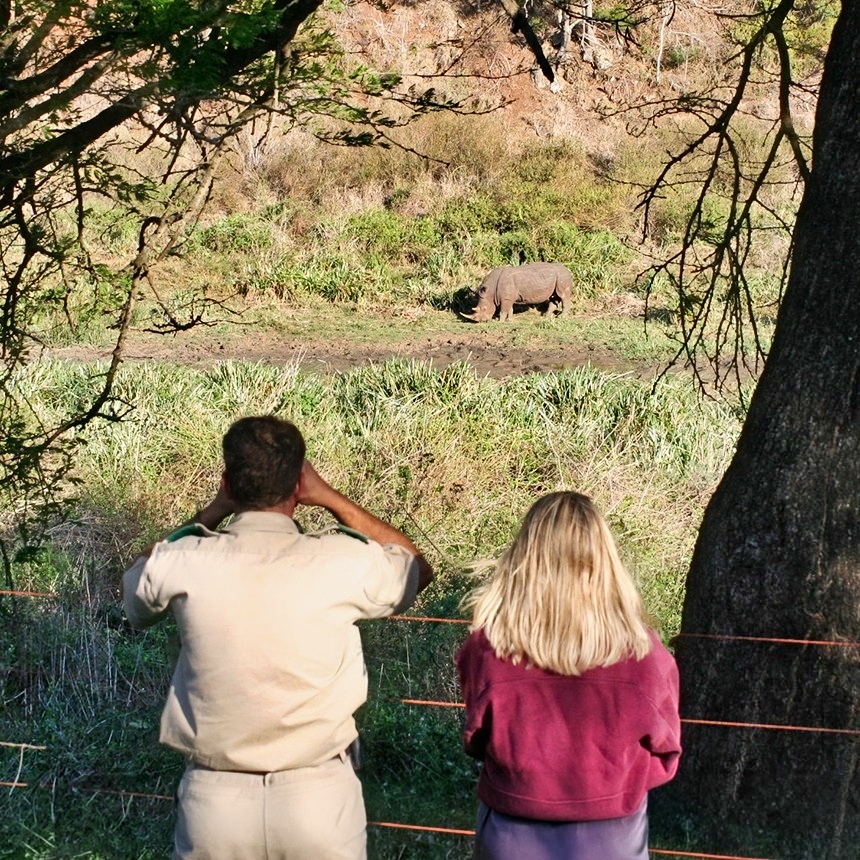
Walking through a Big Five wildlife reserve on foot is not a typical safari experience. It requires focus, awareness and trust. On Earthwatch’s Counting Megafauna in South Africa expedition, participants do exactly that, collecting data that helps guide the management of one of Africa’s most important protected areas.
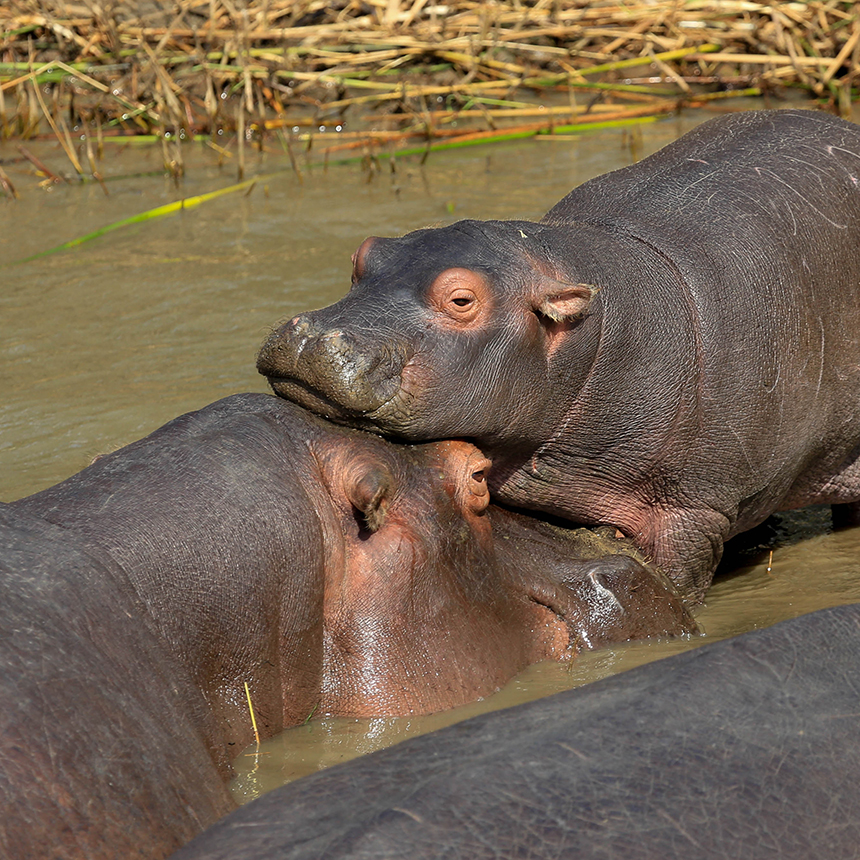
Established in 1895, Hluhluwe-iMfolozi Park, located about 155 miles north of Durban in South Africa’s KwaZulu-Natal province, is the oldest proclaimed game reserve in Africa.
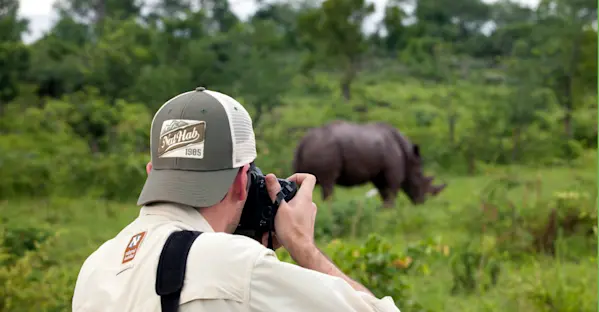
Following widespread hunting during the 1800s, the park became a refuge for wildlife populations facing dramatic declines. It is perhaps best known for helping save the southern white rhinoceros from extinction through Operation Rhino, an ambitious conservation effort launched in the 1950s and 1960s. Led by South African conservationist Dr. Ian Player and his colleagues, the program relocated rhinos to protected areas across Africa and beyond.
At the time, fewer than 50 southern white rhinos remained in the world, most of them within what is now Hluhluwe-iMfolozi Park. Today, the species numbers in the thousands thanks in large part to those efforts.
Covering approximately 370 square miles, the reserve supports more than 1,200 plant species, 84 mammal species and 350 bird species, along with a rich diversity of reptiles, amphibians and invertebrates.
The park continues to play a vital role in conservation while also supporting nearby communities through tourism-related livelihoods and employment opportunities.
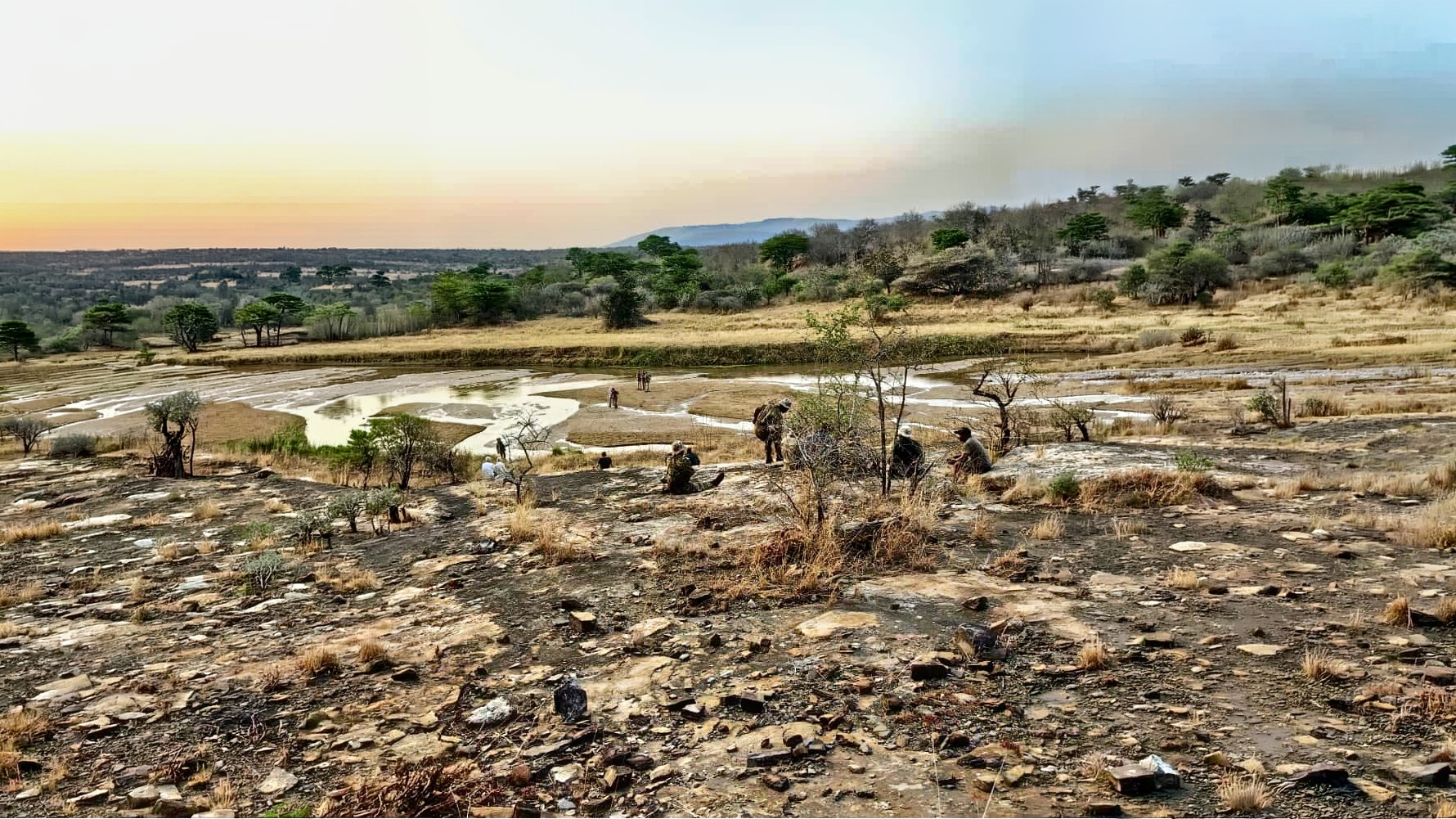
From Data Collection to Management Decisions
Maintaining biodiversity across such a large landscape requires careful, data-driven management.
Hluhluwe-iMfolozi remains one of the few protected areas in South Africa that conducts intensive wildlife surveys using traditional line-transect methods, a technique that has provided reliable population data for decades.
“Hluhluwe-iMfolozi Park is a large area to manage, and conducting such intensive surveys is costly,” explains Sphe Mbongwa, Earthwatch co-principal investigator, scientific technician at Ezemvelo KZN Wildlife and acting park ecologist for Hluhluwe-iMfolozi.
“Earthwatch funding has been crucial. Without it, we wouldn’t be able to manage this program or provide the robust data needed for effective park management.”
Earthwatch participants play an equally important role.
“They provide not only essential funding but also the people power needed to collect, record and verify data across the park,” Mbongwa says. “Their participation is crucial to the success of these surveys.”
The long-term datasets generated through this partnership have revealed important ecological trends. Researchers documented declines in several herbivore species associated with high predator densities and observed measurable recovery following the severe drought that affected the region between 2015 and 2017.
Those findings informed management decisions, including reviews of predator densities, supplementation of herbivore populations and strategic prescribed burns designed to improve grazing habitat for species such as wildebeest.
Since 2018, populations of impala, nyala, wildebeest and warthog have shown encouraging signs of recovery.
The value of the partnership became particularly clear during the COVID-19 pandemic. Travel restrictions forced the cancellation of surveys in 2020.
“As soon as the surveys stopped, it became obvious how important Earthwatch’s financial and human support is,” Mbongwa explains. “Without those resources, we simply wouldn’t be able to conduct these essential surveys.”
Together, scientists, participants and park staff create a collaborative system in which data collected in the field directly informs management decisions.
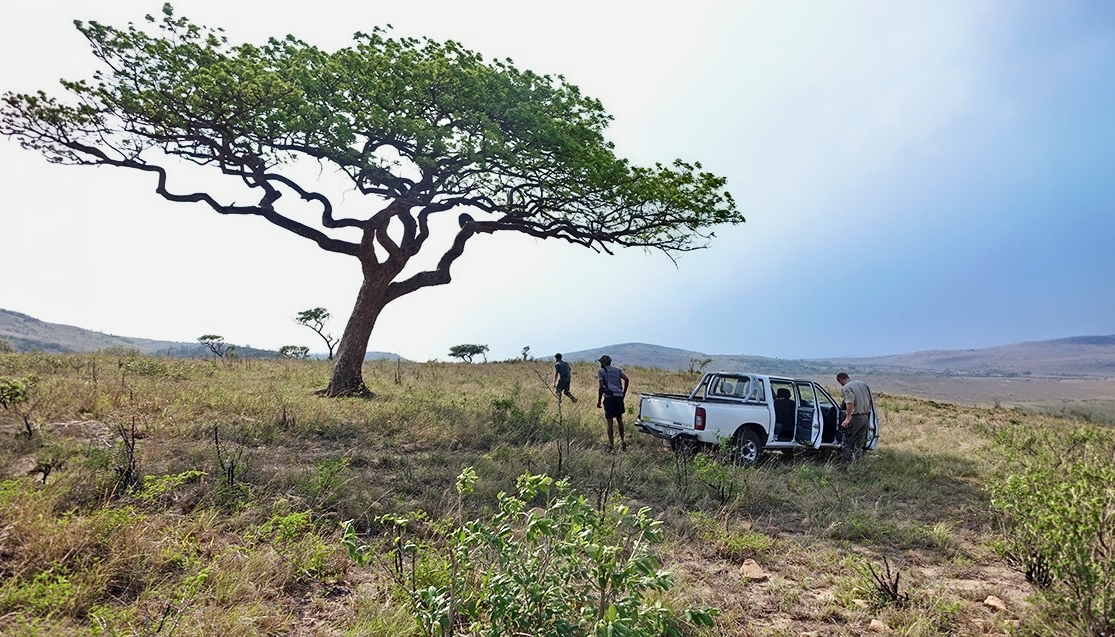
The Participant Perspective
For many participants, arriving at Hluhluwe-iMfolozi Park brings a mixture of excitement, curiosity and nervous anticipation.
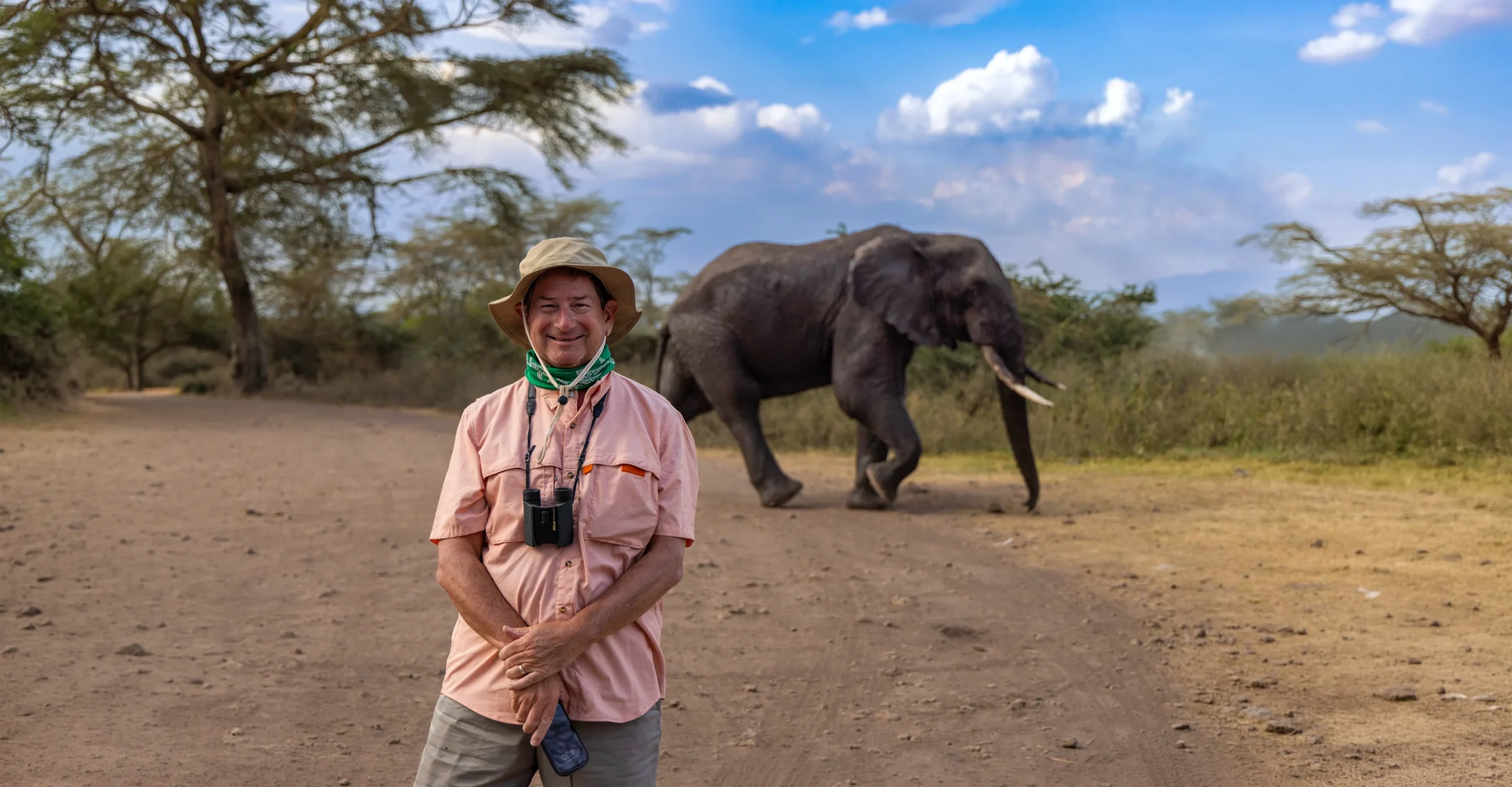
For most, it is their first time working on foot in a Big Five reserve. Orientation prepares participants for the realities of fieldwork: long periods outdoors, sustained concentration and the responsibility of moving through a truly wild landscape.
What often surprises participants is how quickly they begin to feel connected to the conservation effort.
Rather than observing from the sidelines, they contribute directly to research that informs real-world management decisions.
Working alongside rangers, scientists and field staff provides insight into the daily realities of managing a protected area. Participants see firsthand the effort, attention to detail and long-term commitment required to conserve wildlife and habitat.
As one 2024 participant reflected:
“Walking in the park is a privilege, and it gives you an experience of connecting with the wild animals on an equal basis. Walking on the trails created by the animals, you do feel we are sharing the planet.”
By the time participants leave, they carry home more than stories and photographs.
They gain a firsthand understanding of how conservation works on the ground.
For some, the experience reshapes how they think about wildlife, scientific research and their own role in protecting the natural world.
Be Part of the Research
Have you ever wondered what it feels like to walk through one of Africa’s most important wildlife reserves while contributing to real conservation research? On Counting Megafauna in South Africa, participants work alongside scientists and park staff to collect data that helps guide wildlife management decisions in Hluhluwe-iMfolozi Park. Discover how you can contribute to long-term wildlife conservation while experiencing one of Africa’s most remarkable protected landscapes on foot.