

Know Before You Go: Australia Tours
Why Should I Go to Australia?
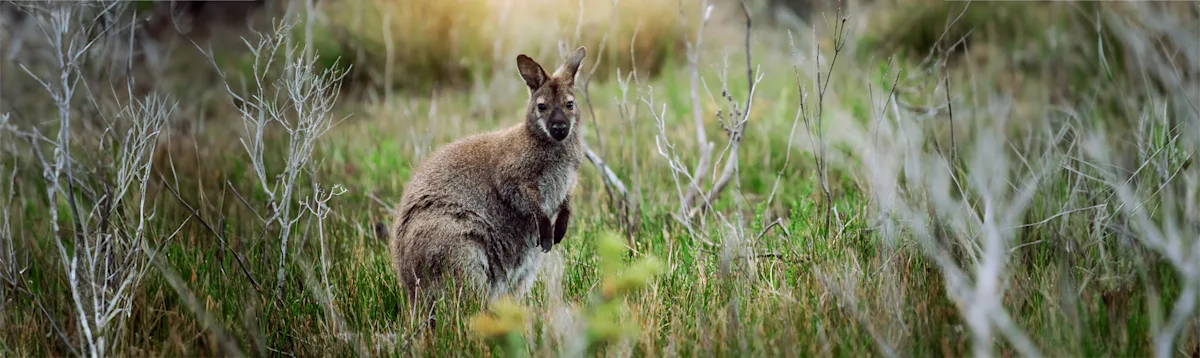
Few places on Earth offer the chance to watch a platypus glide through a forest stream in the morning, search for kangaroos and koalas in the afternoon and listen for Tasmanian devils after dark. Australia is one of the world's most rewarding destinations for wildlife-focused travel, home to an astonishing array of animals found nowhere else on Earth.
Isolated from other continents for millions of years, Australia evolved a remarkable range of endemic species, including kangaroos, wombats, echidnas, platypuses, cassowaries and Tasmanian devils. More than 80% of Australia's mammals, reptiles and frogs occur nowhere else, making the continent one of the world's most distinctive wildlife destinations.
Australia's landscapes are equally diverse. Travelers can explore the Great Barrier Reef, ancient rainforests, crocodile-filled wetlands, red deserts and island coastlines on a single journey. Moving between regions reveals dramatic shifts in scenery, climate and wildlife.
Australia’s natural heritage is also deeply intertwined with Aboriginal culture. Indigenous peoples have cared for these landscapes for more than 65,000 years, and cultural experiences led by Aboriginal guides offer valuable insight into the enduring relationship between people and place.
Whether you are drawn by endemic wildlife, ancient landscapes, marine ecosystems or opportunities to learn about conservation and stewardship, Australia is a destination that rewards curiosity at every turn.
What Makes Australia One of the World’s Most Unique Wildlife Destinations?
Australia is a living laboratory of evolution, with animals found nowhere else on the planet. Its rainforests, islands, deserts, wetlands and coastal waters are home to:
Marsupials such as kangaroos, wallabies, koalas, wombats and quolls
Monotremes including the platypus and echidna—the world's only egg-laying mammals
Rare birds such as the southern cassowary and glossy-black cockatoo
Marine wildlife including sea turtles, dolphins, sea lions and humpback whales
Search for cassowaries in Queensland's tropical rainforests, look for platypuses in Tasmania's forest streams, watch sea lions on Kangaroo Island and explore the Great Barrier Reef, home to thousands of marine species.
Why Is Australia’s Landscape So Diverse?
Australia contains an extraordinary range of ecosystems, from the world’s largest coral reef system to ancient rainforests, vast deserts, rugged mountain ranges and wildlife-rich offshore islands. Traveling across the continent reveals dramatic changes in scenery, climate and biodiversity. Some of Australia’s most remarkable natural regions include:
The Great Barrier Reef—the world's largest coral reef system, home to sea turtles, rays, reef fish and seasonal whale migrations
The Daintree Rainforest—one of the oldest tropical rainforests on Earth, where cassowaries roam beneath a dense canopy
Kakadu National Park—a vast wetland landscape of floodplains, rivers and sandstone escarpments rich in birdlife and crocodiles
The Outback—red deserts, ancient rock formations and immense open spaces centered around places like Uluru and Kata Tjuta
Tasmania—a stronghold for temperate rainforest, alpine wilderness and rare wildlife found nowhere else
Kangaroo Island—a wildlife sanctuary of rugged coastlines, sea lion colonies and eucalyptus woodlands
Together, these landscapes create one of the most geographically diverse nature destinations on the planet, offering travelers the opportunity to experience multiple ecosystems on a single journey.
How Does Aboriginal Culture Connect to Australia’s Wild Places?
Aboriginal peoples have lived on and cared for Australia’s landscapes for more than 65,000 years, making them the world’s oldest continuous living cultures. Across the continent, traditional knowledge is deeply connected to wildlife, seasonal cycles, water sources and the sustainable management of natural resources.
Many of Australia’s most celebrated natural areas—including Kakadu National Park, the Daintree Rainforest and Uluru-Kata Tjuta National Park—remain places of profound cultural significance. Exploring these regions with Aboriginal guides offers insight into traditional stories, bush foods, medicinal plants and land management practices that have shaped these ecosystems for millennia.
Today, Indigenous communities continue to play an important role in conservation, helping protect wildlife, restore habitats and share cultural traditions that strengthen the connection between people and place.
Why Should I Travel With Natural Habitat Adventures to Australia?
Australia is roughly the same size as the continental United States, and many of its most rewarding wildlife destinations lie far from major cities. Nat Hab's carefully designed itineraries use strategic chartered and regional flights to maximize time in nature and minimize long travel days, making it possible to experience places as varied as the Great Barrier Reef, Kangaroo Island, Tasmania, Kakadu and the Kimberley on a single journey.
Traveling with Nat Hab means:
Exploring diverse ecosystems, from tropical rainforest and coral reef to Outback desert, wetlands and island wilderness
Searching for wildlife alongside expert Expedition Leaders and local naturalists, with opportunities to look for species such as platypuses, Tasmanian devils, cassowaries, koalas and kangaroos
Visiting conservation-focused wildlife sanctuaries, habitat restoration projects and protected reserves that help safeguard Australia's unique biodiversity, from Tasmanian devils to glossy-black cockatoos
Enjoying small-group experiences that allow greater flexibility for wildlife viewing, photography and meaningful time in nature
Learning from Aboriginal guides who share cultural traditions, traditional ecological knowledge and a deep connection to the landscapes they call home
As WWF's global travel partner and the world's first 100% carbon-neutral travel company, Nat Hab combines immersive wildlife experiences with a strong commitment to conservation, helping travelers gain a deeper understanding of both Australia's extraordinary biodiversity and the efforts underway to protect it.
Why Choose Nat Hab for an Australia Tour?
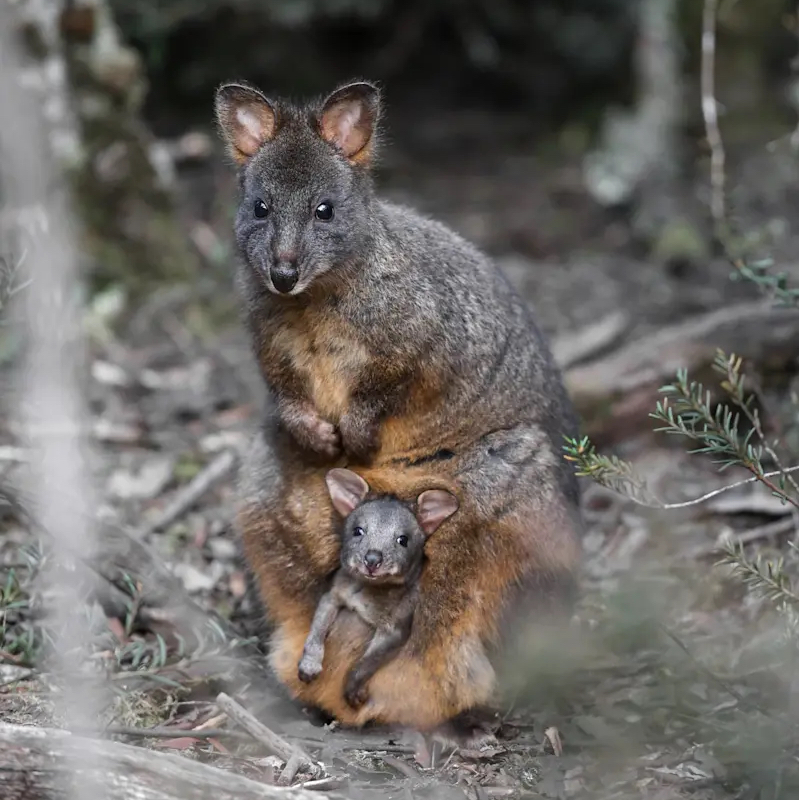
Our Australia adventures focus on the country’s most rewarding wildlife and nature destinations. Chartered flights, private excursions and strong local partnerships provide deeper access to wildlife, conservation initiatives and remote landscapes.
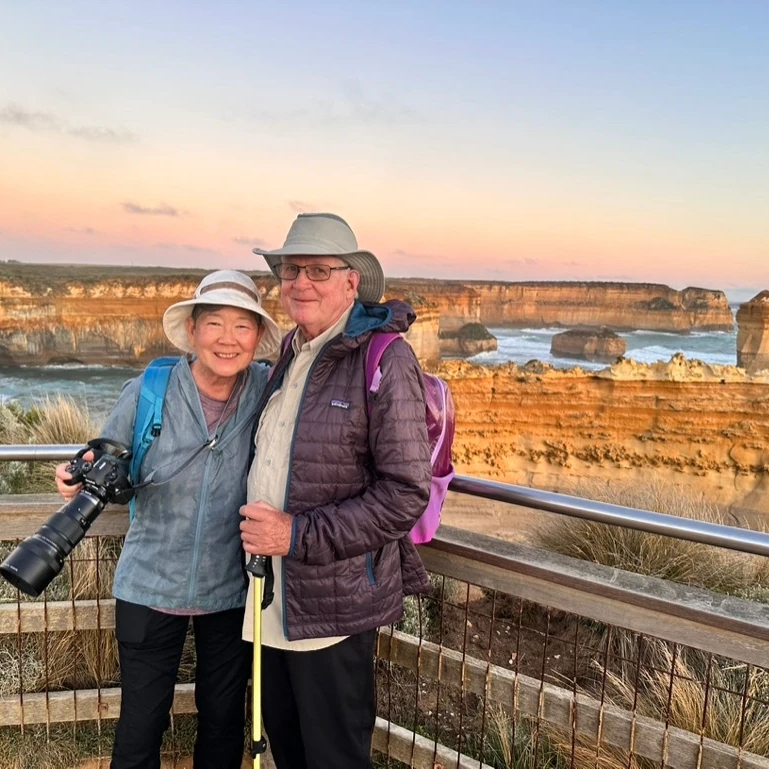
Group sizes are limited to 10–12 travelers to ensure a more personal experience and better wildlife viewing opportunities. Smaller groups allow greater flexibility in the field and more meaningful interactions with guides, researchers and conservation partners.
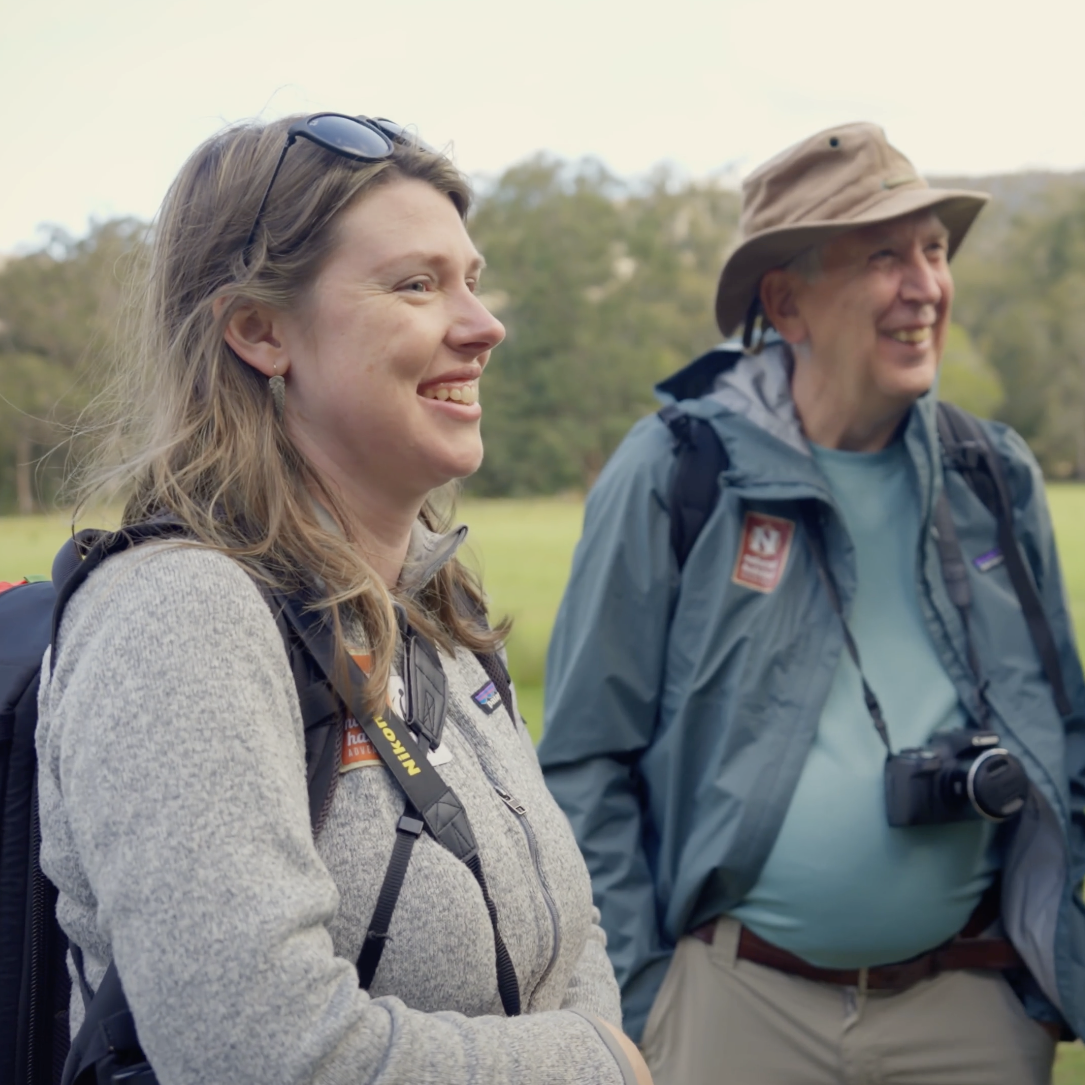
Every trip is led by a Nat Hab Expedition Leader, often joined by local naturalists, conservationists and Aboriginal guides. Together, they provide insight into Australia’s wildlife, ecosystems, geology and cultural heritage.
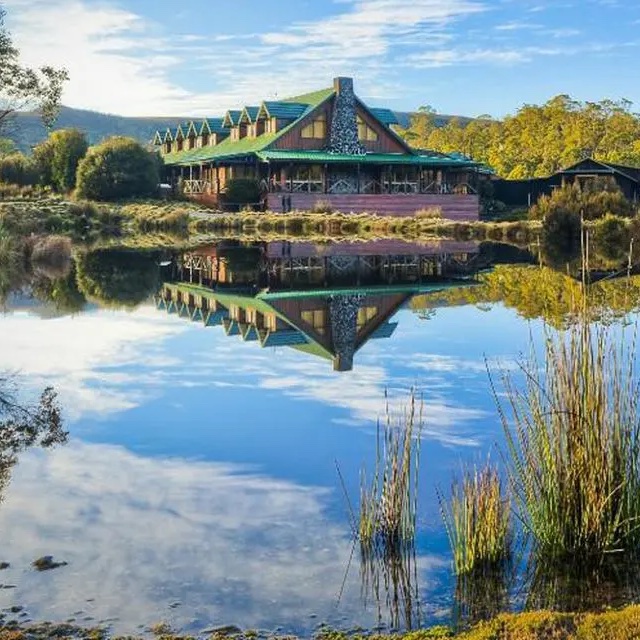
Stay in carefully chosen ecolodges, island retreats and remote nature camps that place you close to the landscapes and wildlife you came to experience. Many properties also support sustainability initiatives and habitat conservation.
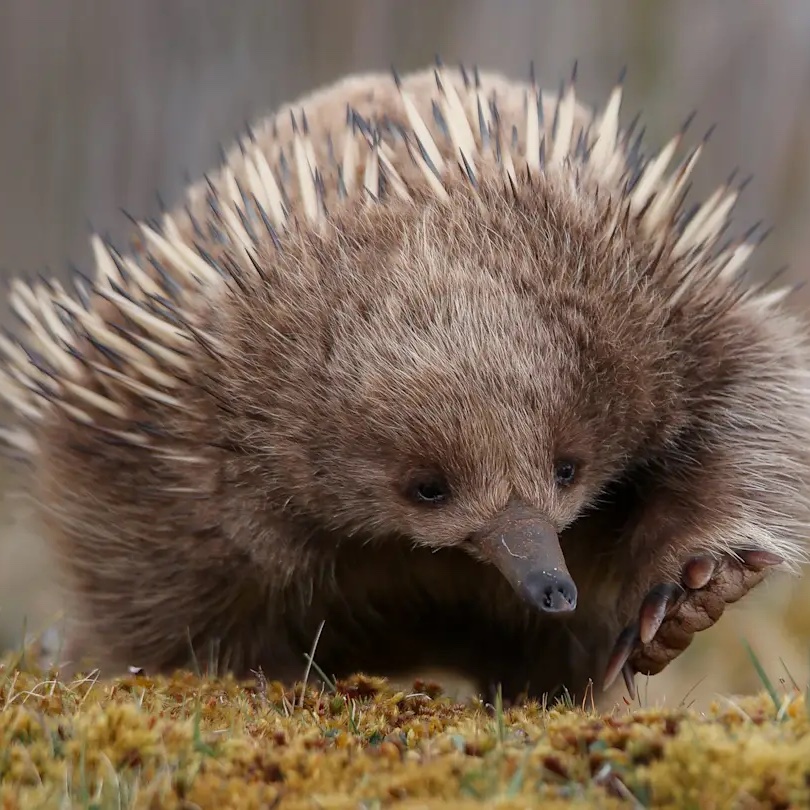
In Australia, our journeys highlight wildlife recovery programs, habitat restoration projects and Indigenous stewardship initiatives that help protect the country’s remarkable biodiversity.
Australia Tour Guide


Frequently Asked Questions
What should I pack for an Australia nature adventure?
Pack lightweight, breathable clothing, comfortable walking shoes, a hat, sunglasses and sun protection. Depending on your itinerary, you may also need a light rain jacket, warmer layers for cool mornings or evenings and swimwear for reef excursions. Binoculars, a camera, reusable water bottle and daypack are also recommended. Australia spans multiple climate zones, so layered clothing is often the best approach.
Is Australia good for wildlife and nature photography?
Yes. Australia offers exceptional opportunities to photograph wildlife and landscapes found nowhere else on Earth, from kangaroos, koalas, wombats, platypuses and Tasmanian devils to coral reefs, rainforests and vast Outback scenery. Early morning and late afternoon often provide the best wildlife activity and light. Nat Hab's Southern Australia & Tasmania Photo Expedition is specifically designed for photographers, with expert instruction, astrophotography opportunities and additional time devoted to wildlife and landscape photography.
How do I get to Australia?
Most international travelers arrive via major gateways such as Sydney, Melbourne, Brisbane, Perth or Cairns. From there, domestic flights connect travelers to wildlife destinations, national parks and remote regions across the continent. Nat Hab provides all transportation during your itinerary, including flights where applicable.
Do you fly between destinations in Australia?
Yes. Because Australia is about the size of the continental U.S., Nat Hab uses a combination of domestic and private chartered flights to maximize time in nature. Depending on the itinerary, flights may connect destinations such as the Great Barrier Reef, Tropical North Queensland, Kangaroo Island, Tasmania, Kakadu, the Kimberley and the Outback. Flying reduces long travel days and allows more time for wildlife viewing, guided excursions and exploration.
Do I need any vaccines or medications to travel to Australia?
No special vaccines are required for most travelers visiting Australia. It is always a good idea to be up to date on routine vaccinations and consult your physician or a travel medicine specialist before departure for recommendations based on your health history and travel plans.
What currency is used in Australia?
Australia uses the Australian dollar (AUD). Credit cards are widely accepted throughout the country, including at hotels, restaurants and most shops. ATMs are readily available in cities and larger towns.
What is the food like in Australia?
Australia's cuisine reflects both its multicultural influences and its diverse landscapes. Fresh seafood, locally raised lamb and beef, tropical fruits and regional wines are common highlights. Depending on where you travel, meals may include freshly caught reef fish, oysters, barramundi, artisan cheeses and produce sourced from nearby farms. Vegetarian travelers are also well served, with options ranging from grilled halloumi burgers and seasonal vegetable dishes to creative plant-based menus at many lodges and restaurants.


