Know Before You Go: Australia Tours
What Wildlife Will I See in Australia?
Australia is one of the few places on Earth where travelers can see egg-laying mammals, tree-dwelling kangaroos and flightless rainforest birds on the same journey. Separated from other continents for millions of years, Australia is a living laboratory of evolution, producing wildlife found nowhere else on the planet.
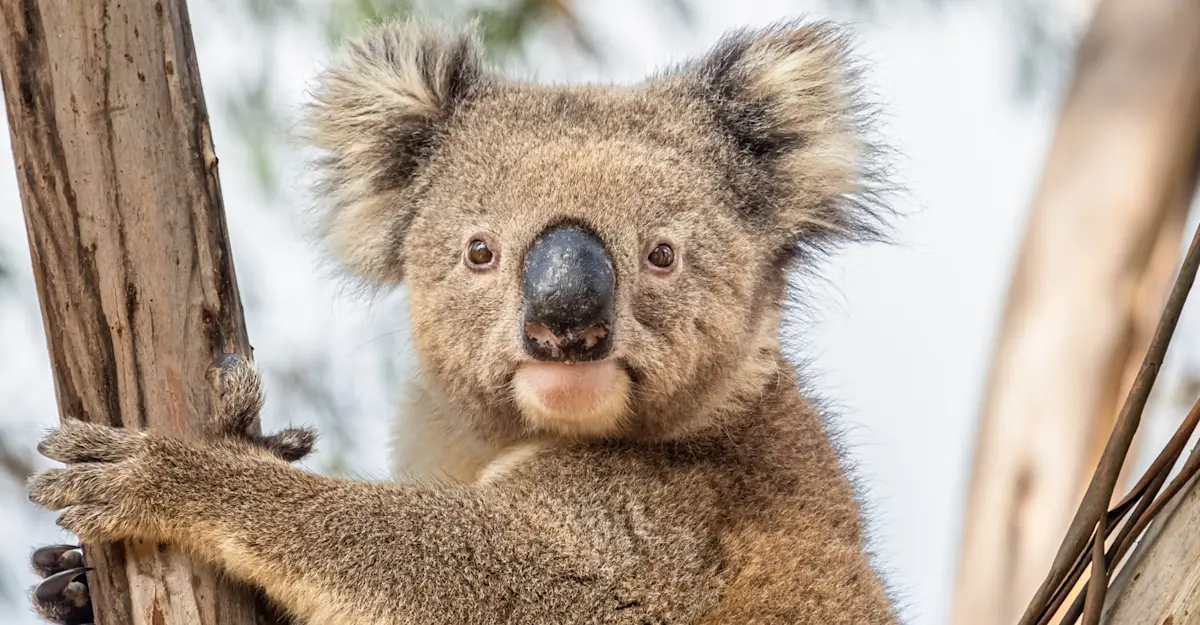
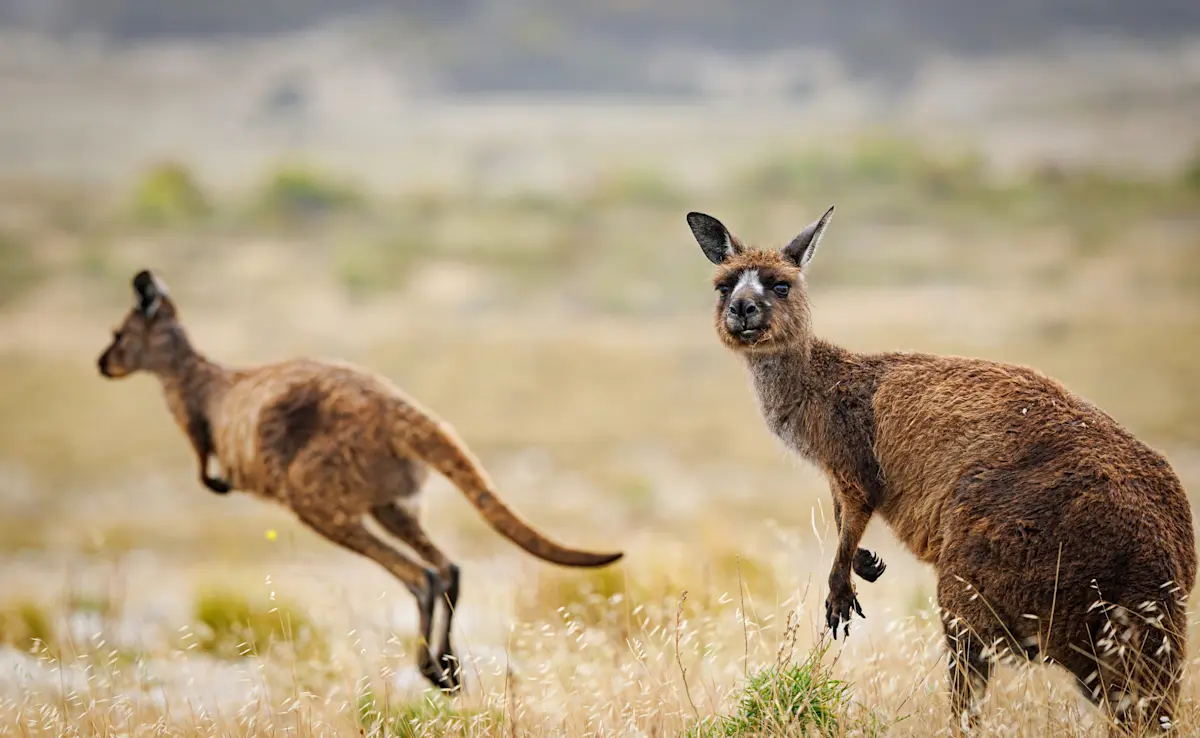
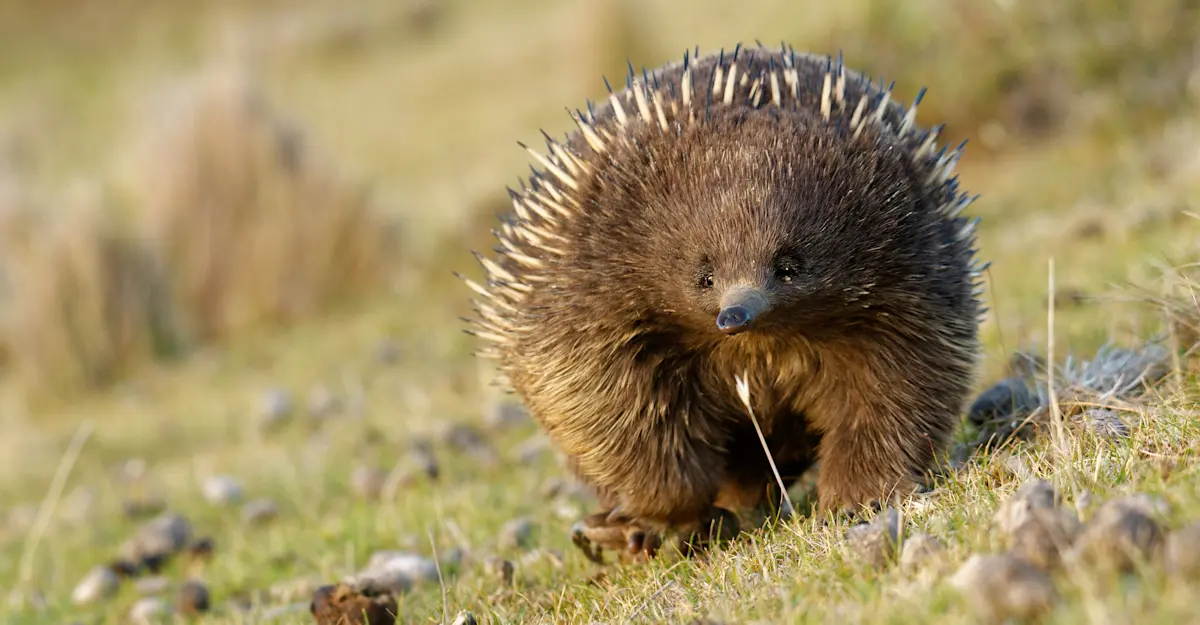
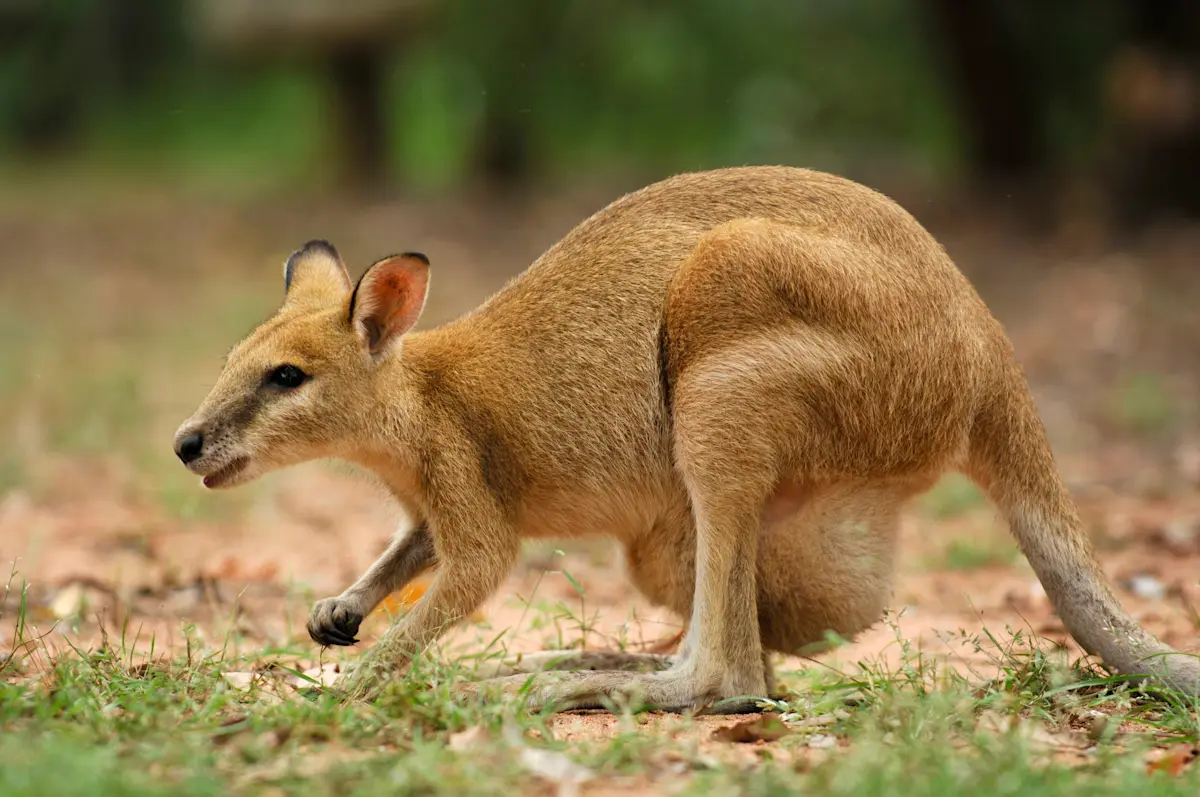
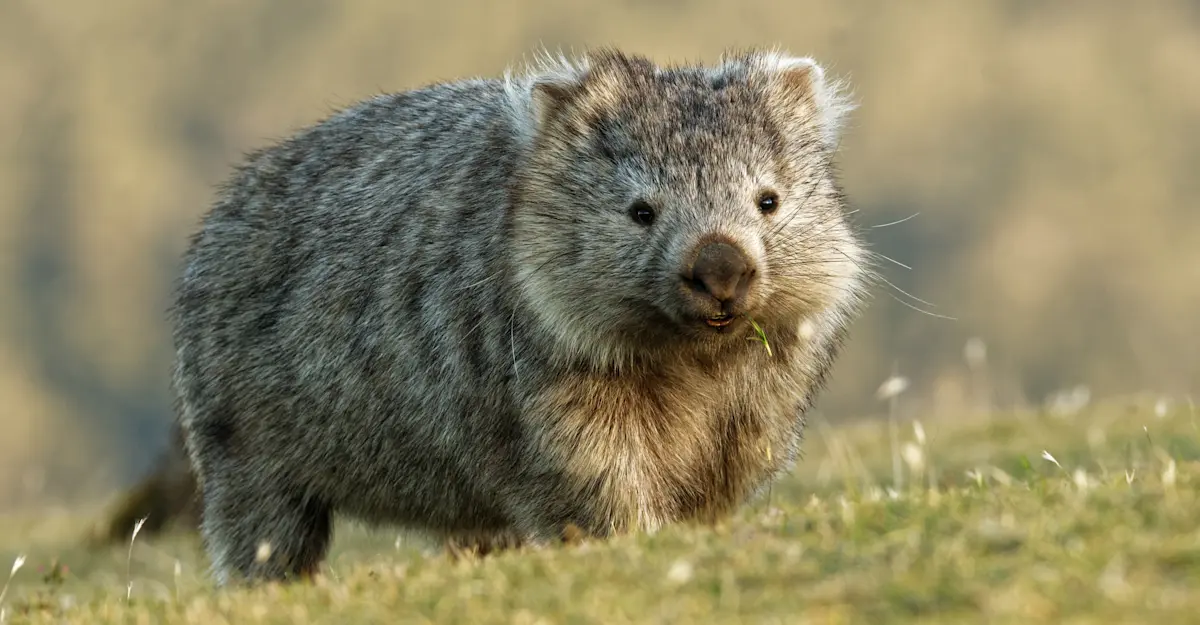
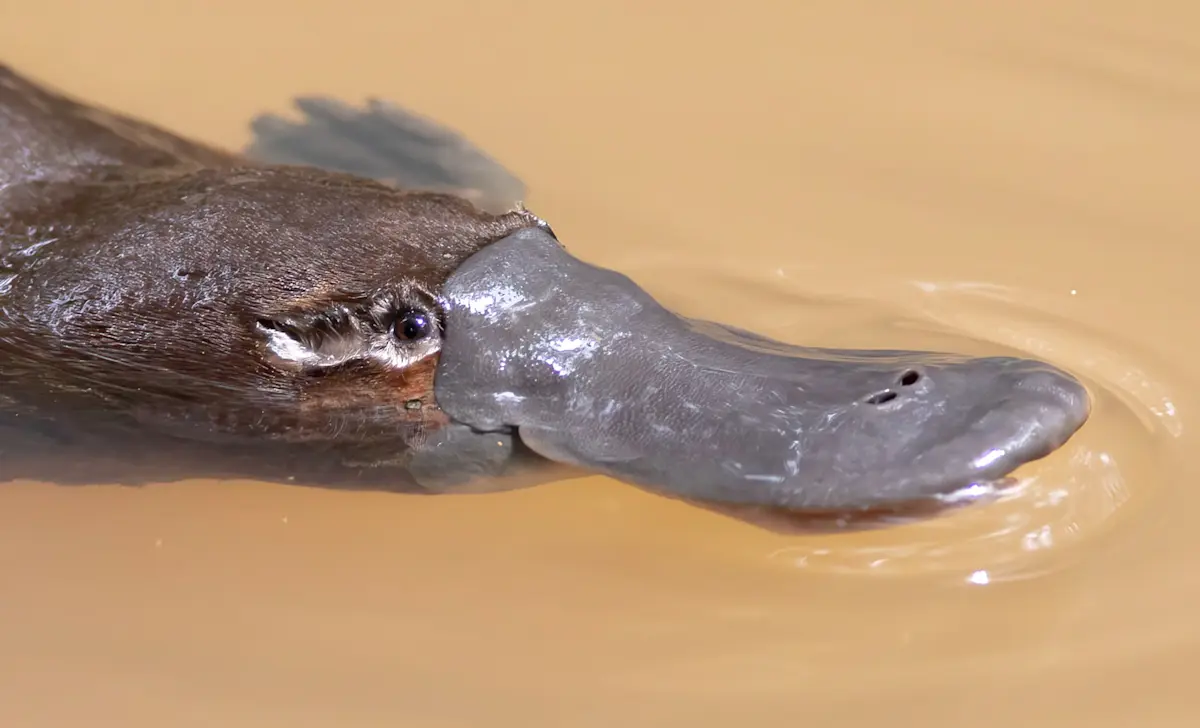
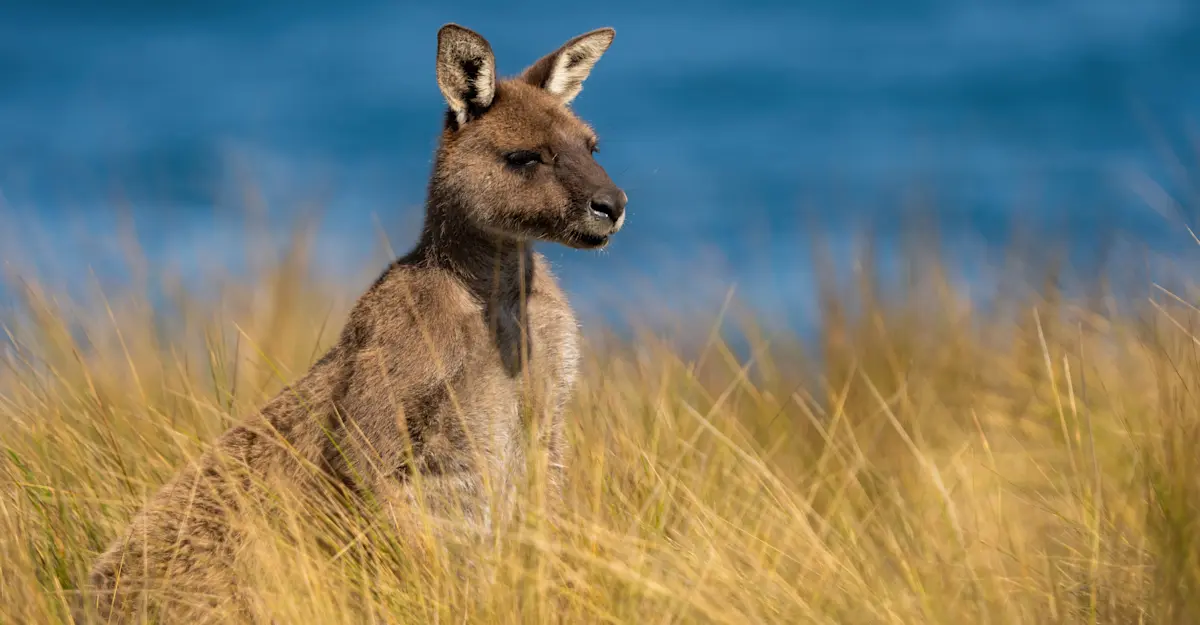
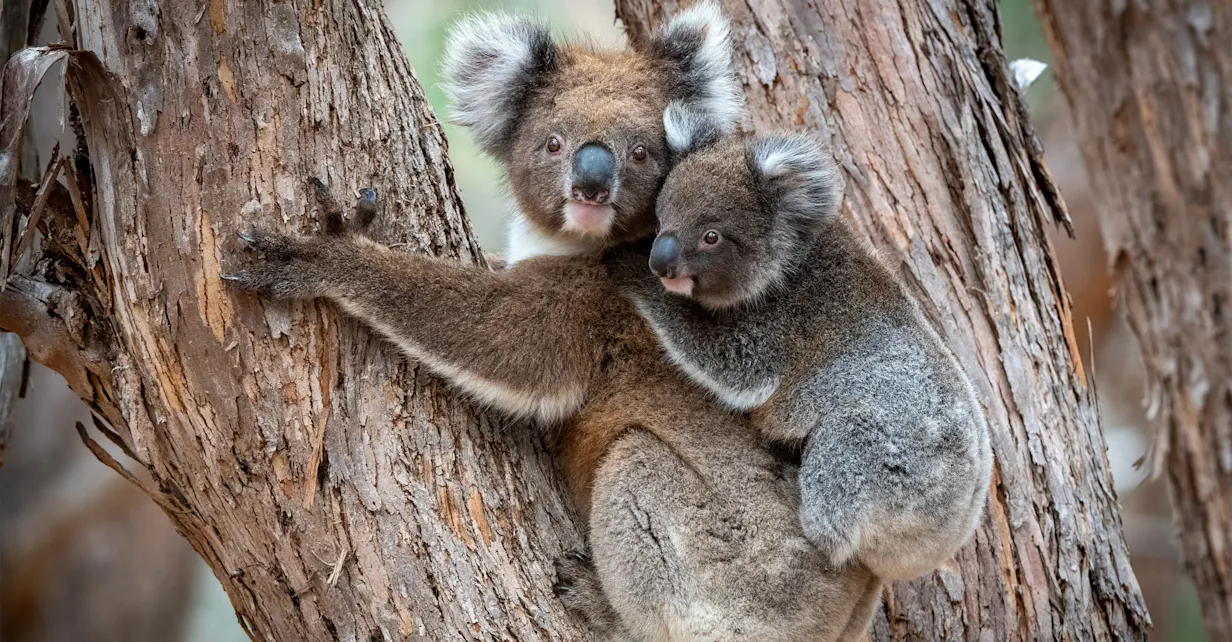
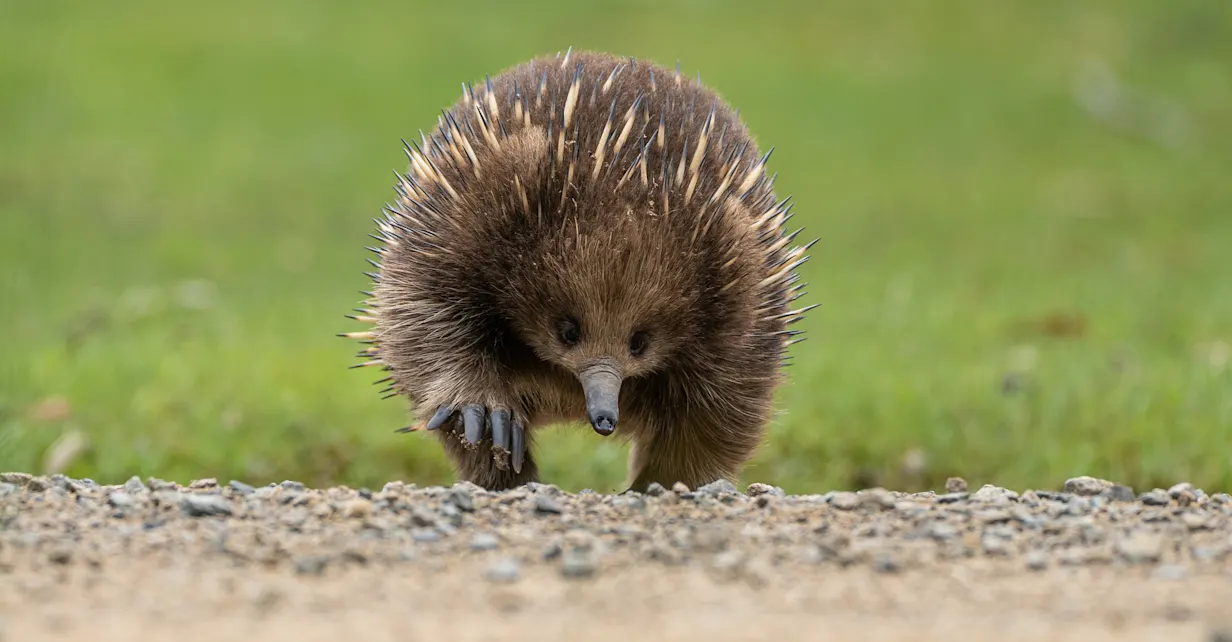
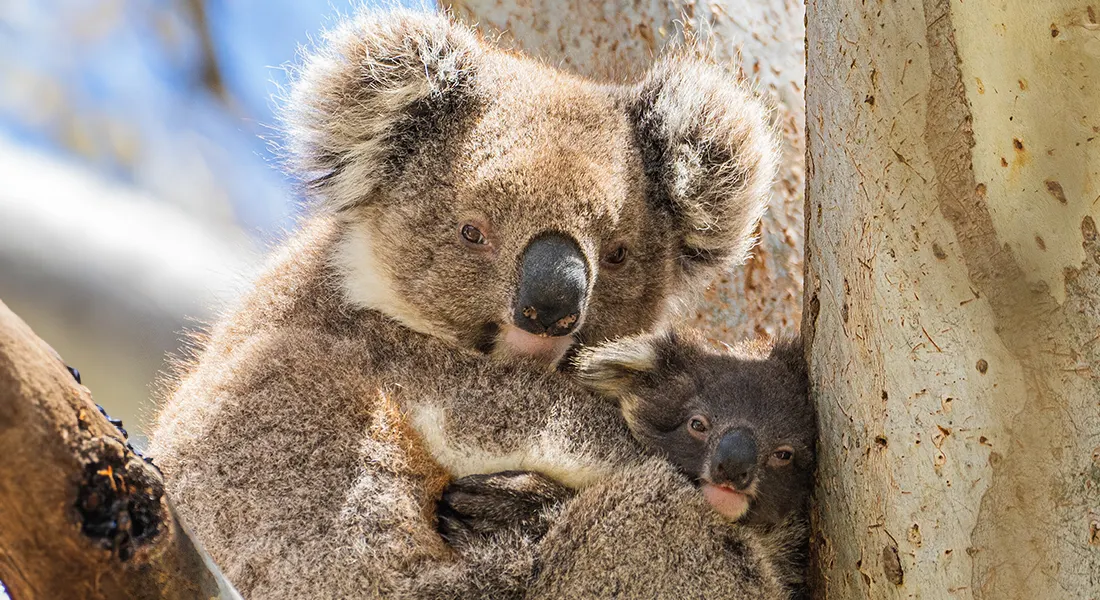
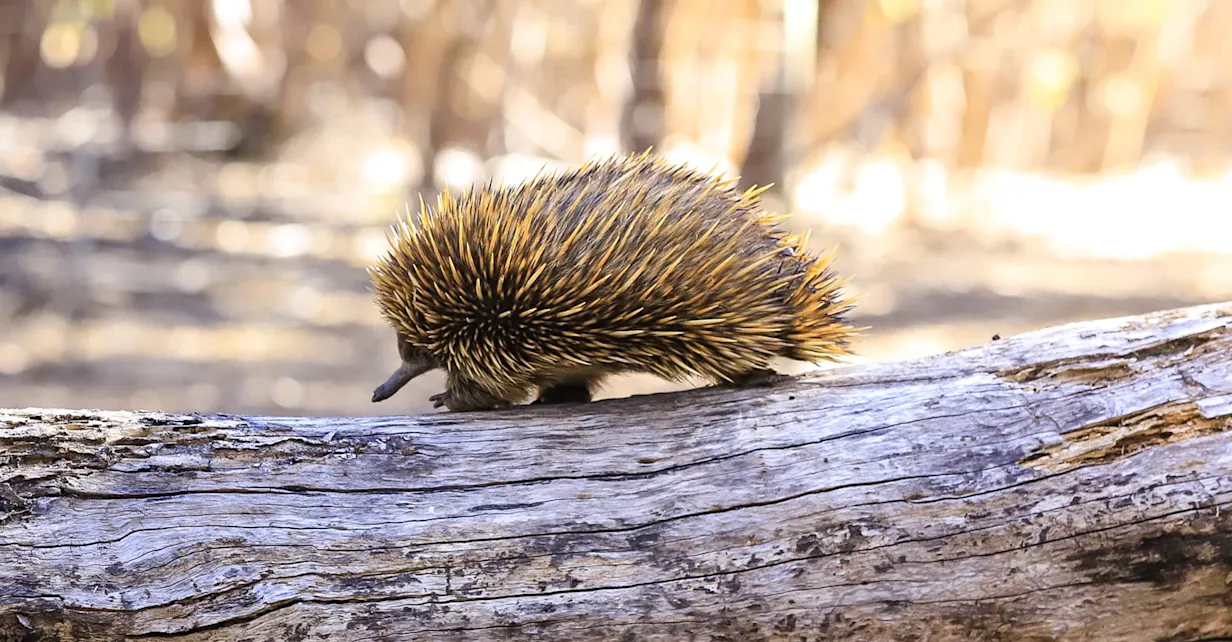
The continent is best known for its marsupials, including kangaroos, wallabies, koalas, wombats, pademelons and Tasmanian devils. Many of these species evolved to fill ecological roles occupied by very different animals elsewhere in the world. Australia is also home to the platypus and echidna, the world's only surviving monotremes—mammals that lay eggs instead of giving birth to live young.
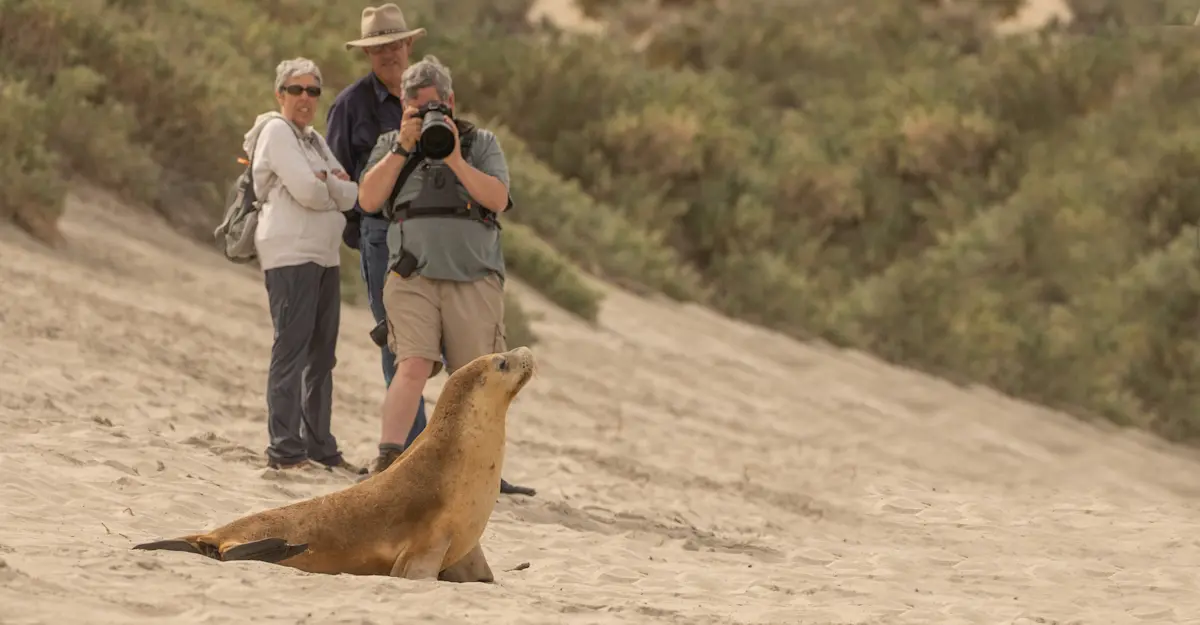
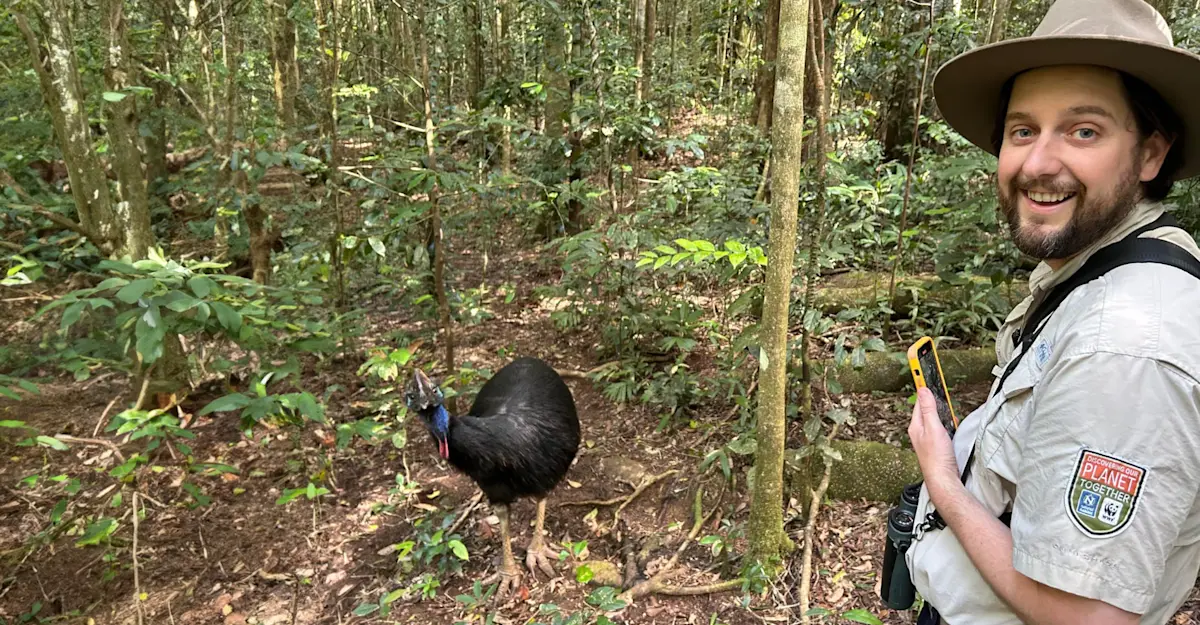
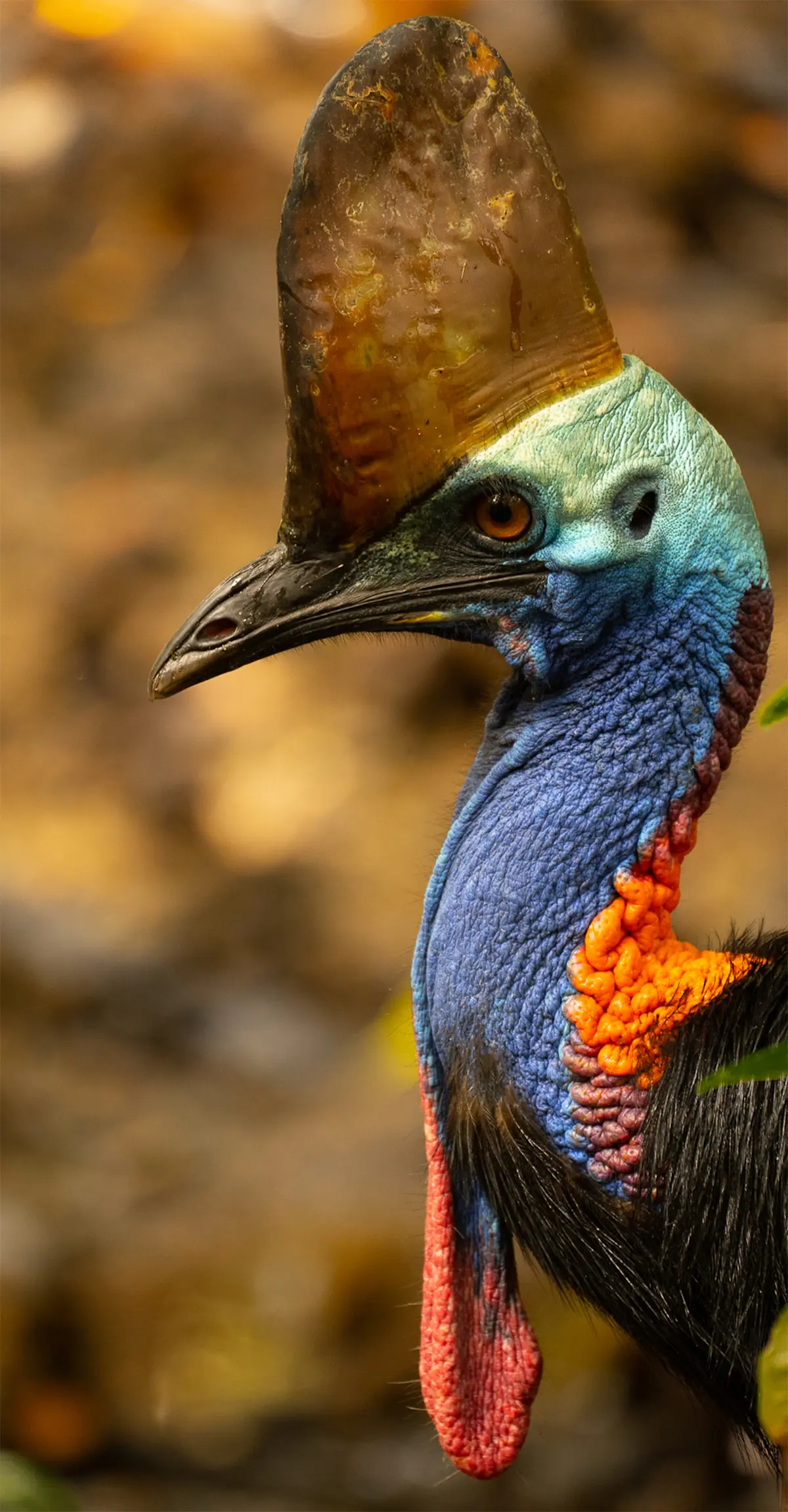
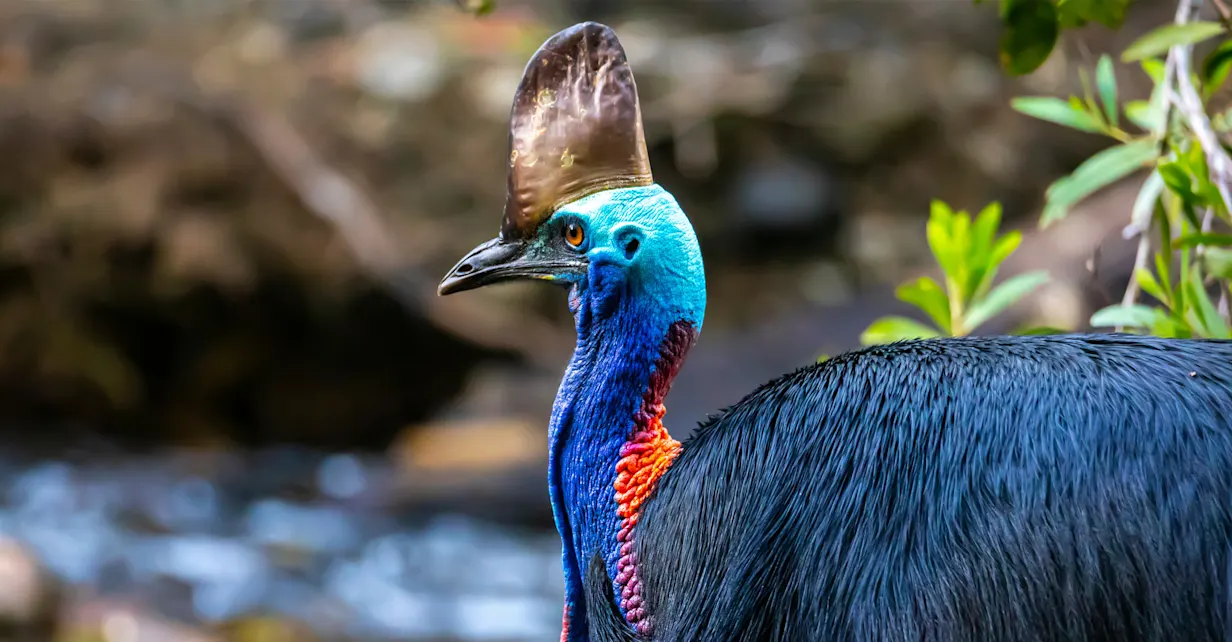
Wildlife encounters vary dramatically across Australia's diverse habitats. In the tropical rainforests of Queensland, travelers may search for the southern cassowary, a towering bird often described as one of the closest living relatives of dinosaurs. On Kangaroo Island, sea lions rest on sandy beaches while koalas nap in eucalyptus trees overhead. In Tasmania's forests, wombats emerge to graze at dusk and Tasmanian devils patrol the undergrowth after dark.
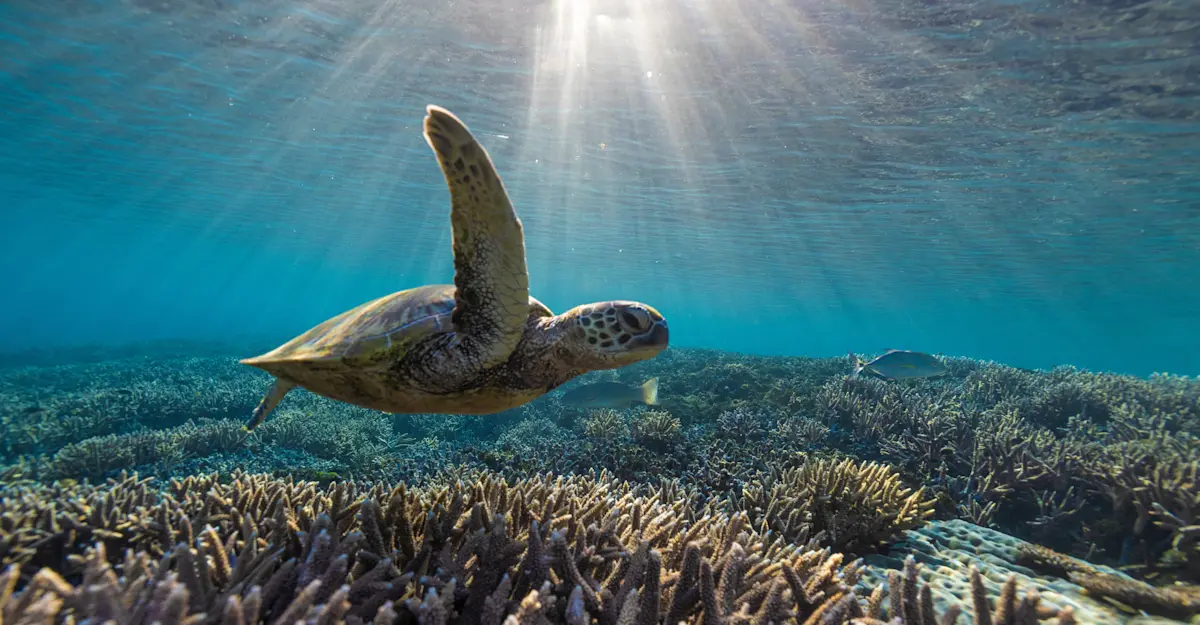
Australia's surrounding seas are equally rich. The Great Barrier Reef supports thousands of marine species, including sea turtles, reef fish, rays and seasonal visitors such as humpback whales. Along the southern coast, dolphins, fur seals and Australian sea lions thrive in nutrient-rich waters shaped by the Southern Ocean.
Wildlife Frequently Asked Questions
Will I See Kangaroos and Koalas in Australia?
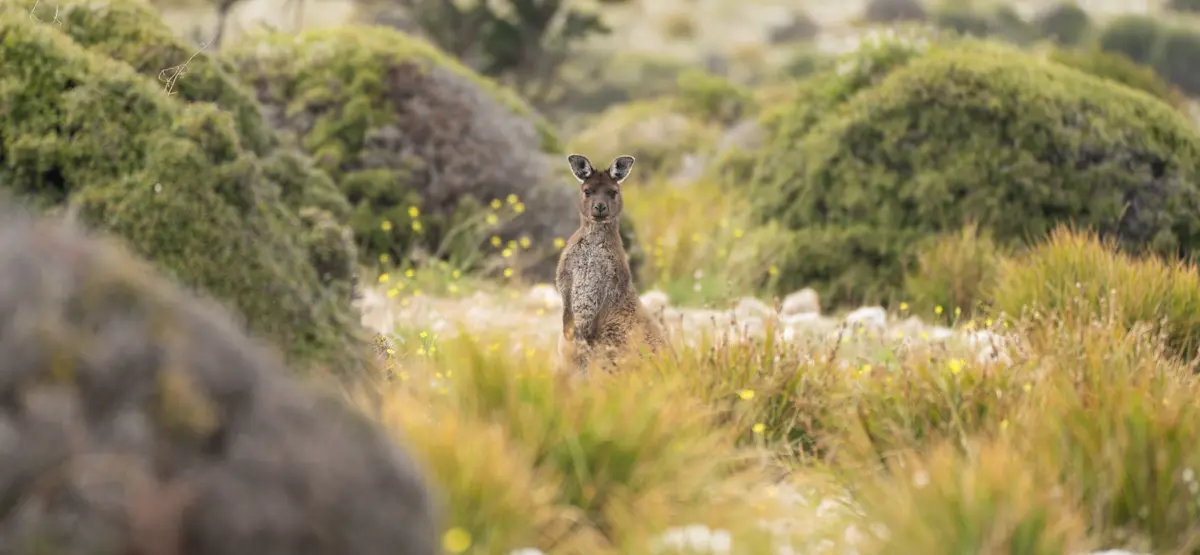
Kangaroos are often seen grazing in open grasslands, national parks and private reserves throughout southern Australia, Tasmania and Kangaroo Island. Koalas are commonly spotted resting in eucalyptus trees on Kangaroo Island, along the Great Ocean Road and in other protected habitats across southern Australia.
Can I See a Platypus in the Wild?
Yes. Australia is one of the few places on Earth where travelers can search for wild platypuses in their natural habitat. Although shy and elusive, they are regularly observed in locations such as Tasmania and the Atherton Tablelands of Tropical North Queensland.
What Wildlife Can I See in Tasmania?
Tasmania protects some of Australia's most intact wildlife habitat and is one of the best places in the country to search for endemic species.
Wildlife commonly seen in Tasmania includes:
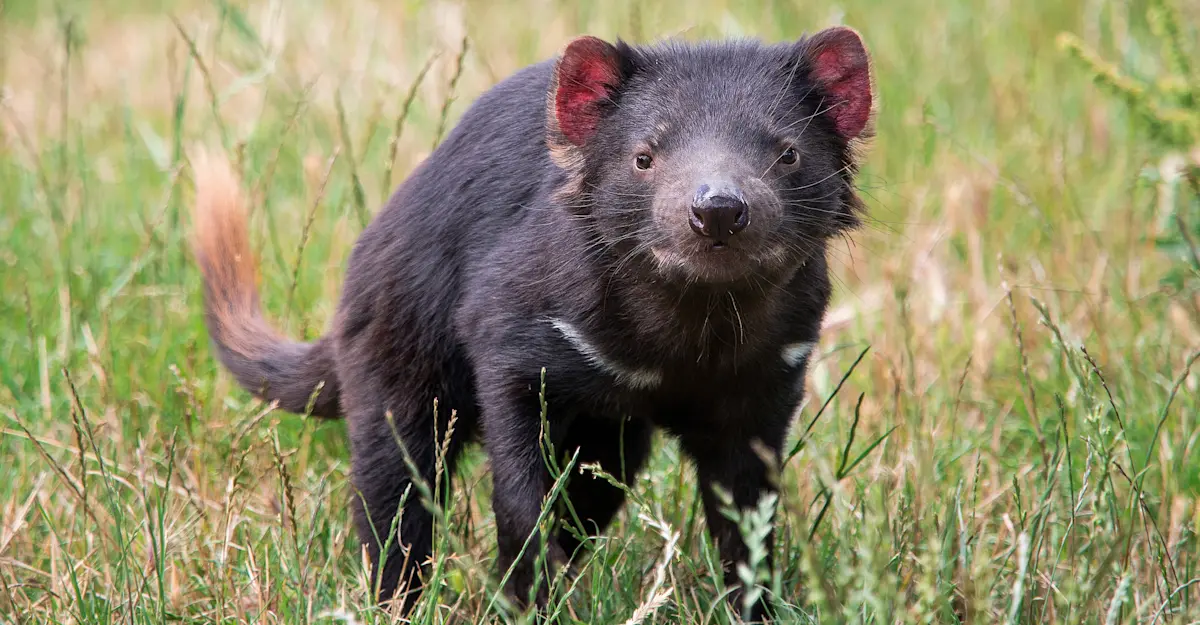
Tasmanian devils
Spotted-tail and eastern quolls
Wombats
Platypuses
Echidnas
Pademelons
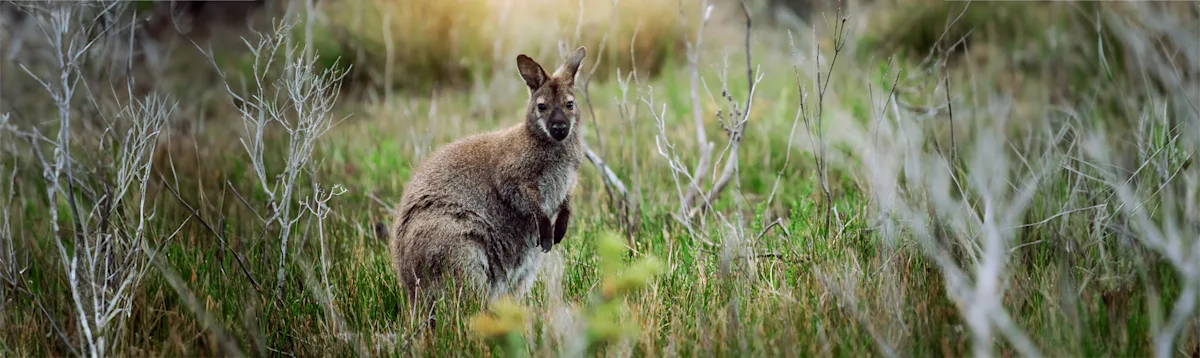
Wallabies
Tasmanian wedge-tailed eagles
What Marine Wildlife Can I See on the Great Barrier Reef?
The Great Barrier Reef is one of the world's most diverse marine ecosystems. Stretching more than 1,400 miles along Australia's northeast coast, it supports thousands of species of fish, corals and marine animals. Snorkeling and boat excursions offer opportunities to observe this remarkable marine environment while learning about ongoing reef conservation efforts. Wildlife commonly encountered on the reef includes:
Sea turtles
Reef fish
Rays
Reef sharks
Giant clams
Dolphins
Seasonal humpback whales
What Birds Are Unique to Australia?
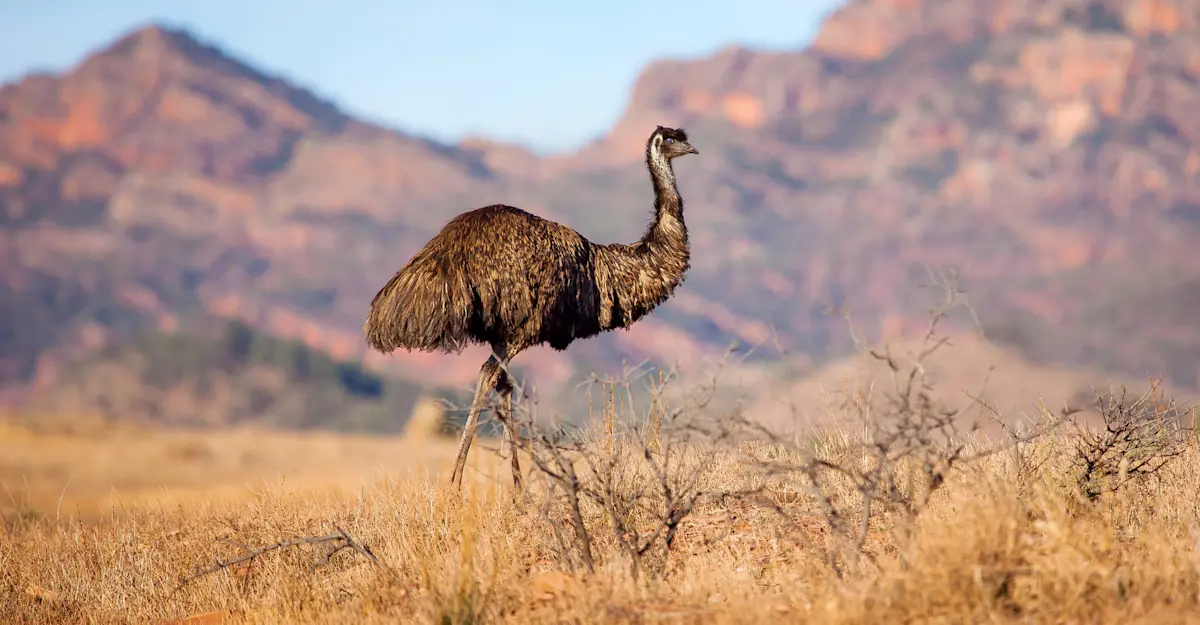
Australia is home to more than 800 bird species, including many found nowhere else on Earth. From tropical rainforests to coastal wetlands and arid Outback landscapes, birdlife is an important part of the country's biodiversity.
Notable species include:
Southern cassowary
Glossy-black cockatoo
Galah
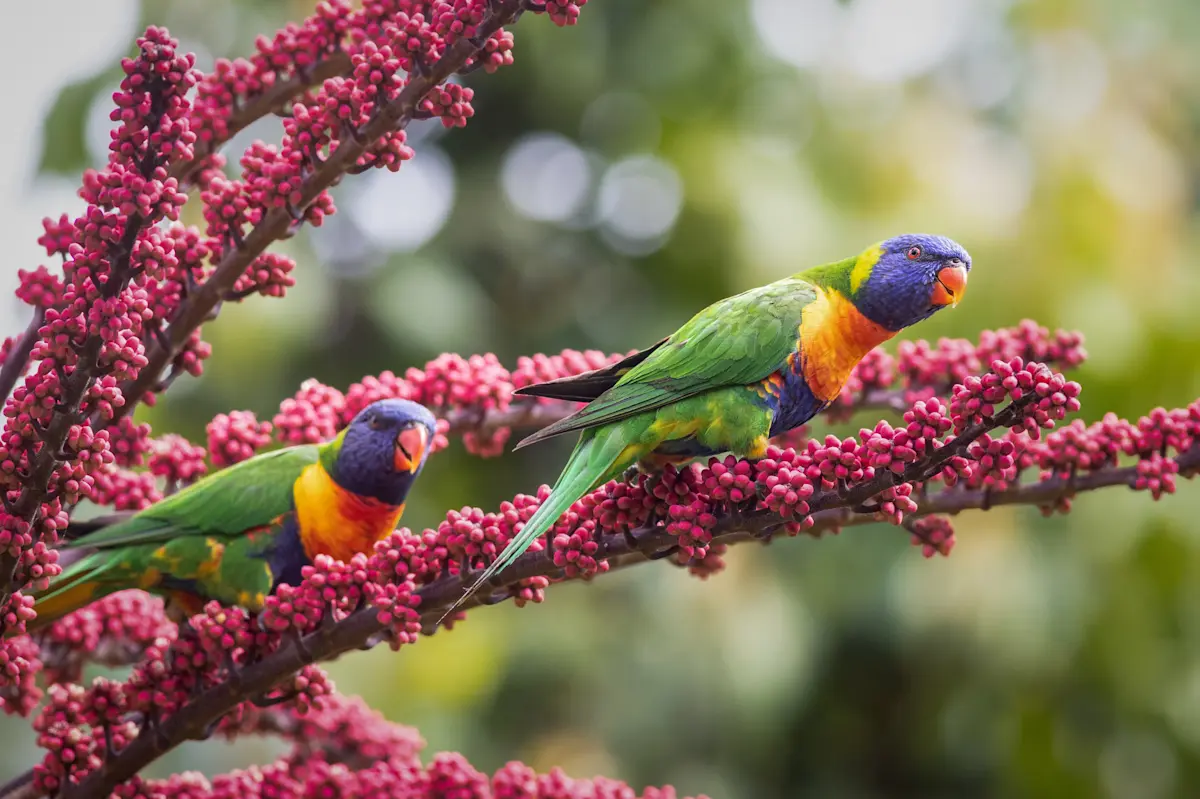
Rainbow lorikeet
King parrot
Black swan
Australian pelican
Various honeyeaters, parrots and raptors
What Wildlife Is Active at Night?
Many of Australia's most intriguing animals are nocturnal or crepuscular, meaning they are most active around dawn, dusk or during the night. Species often encountered during evening wildlife outings include:
Tasmanian devils
Quolls
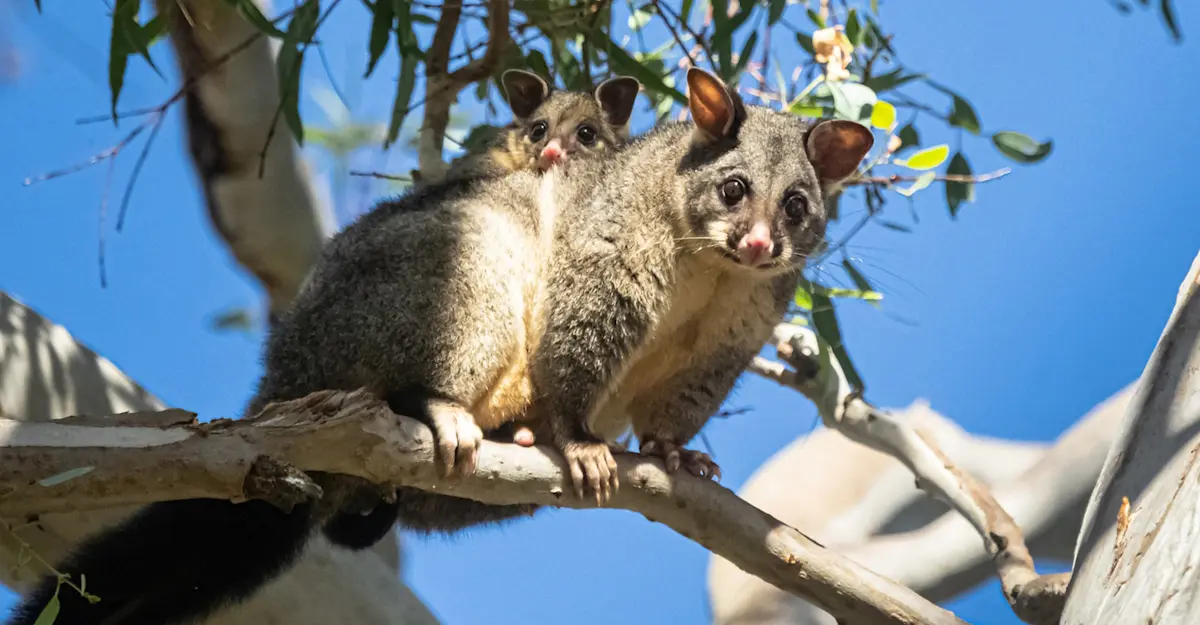
Possums
Pademelons
Wallabies
Wombats
Echidnas
Why Is Conservation Important for Australia's Wildlife?
Australia is home to thousands of species found nowhere else on Earth, yet many native animals face ongoing pressures from habitat loss, invasive predators, changing fire regimes and climate change. Across the country, conservation organizations, Indigenous communities, researchers and private landowners are working to protect wildlife and restore critical habitat.
Travelers may encounter these efforts firsthand. In Tasmania, conservation programs are helping safeguard Tasmanian devils, whose populations have been severely reduced by a contagious cancer known as Devil Facial Tumor Disease. Breeding, monitoring and reintroduction programs are central to the species' recovery.
On Kangaroo Island, habitat restoration and species recovery initiatives support native wildlife including the endangered glossy-black cockatoo. Long-term conservation efforts have helped stabilize populations through habitat protection, nest-box programs and ongoing monitoring.
Private reserves, wildlife sanctuaries and rewilding projects also play an important role by restoring habitat, controlling invasive species and creating safe refuges for native wildlife. Along the Great Barrier Reef, conservation efforts focus on protecting coral ecosystems, monitoring reef health and supporting marine species including sea turtles and seabirds.
For many travelers, these conservation stories add another dimension to the wildlife experience, revealing both Australia's remarkable biodiversity and the ongoing work required to protect it.
Learn More About Australia's Wildlife
Natural History
Australia is a living textbook for understanding the history of evolution, with species that exist nowhere else on Earth.
WWF Conservation
Over the last 40 years, World Wildlife Fund has worked on species conservation and habitat and landscape management across southern Australia.
Koala
Kangaroo
Wallaby
Echidna
Tasmanian Devil
Platypus
Fur Seal
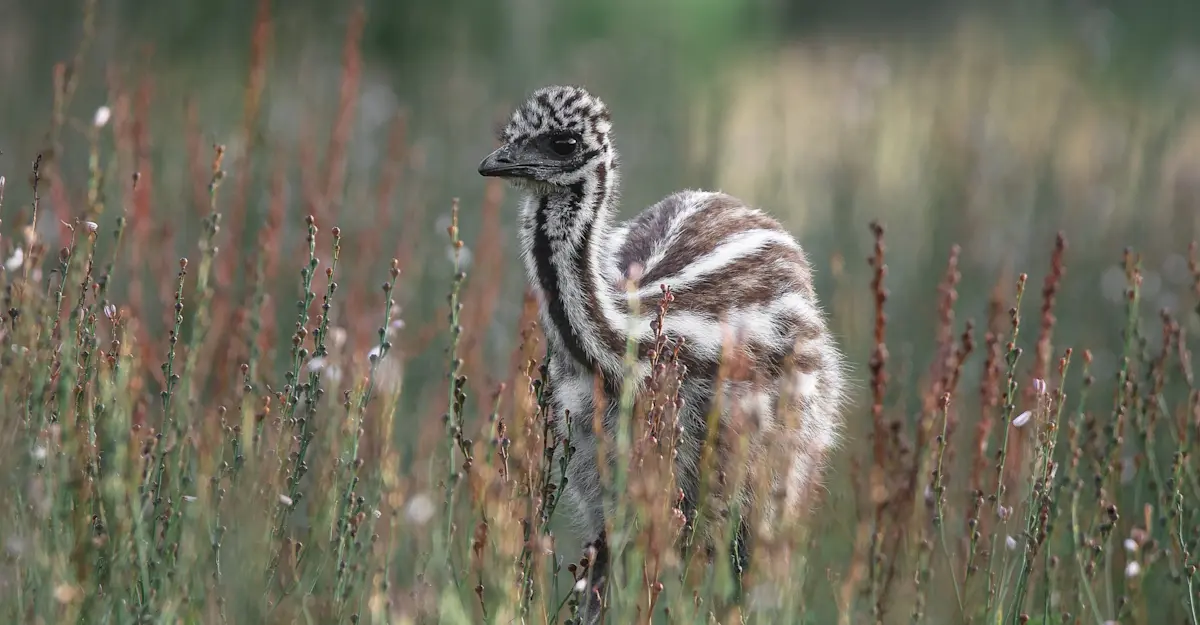
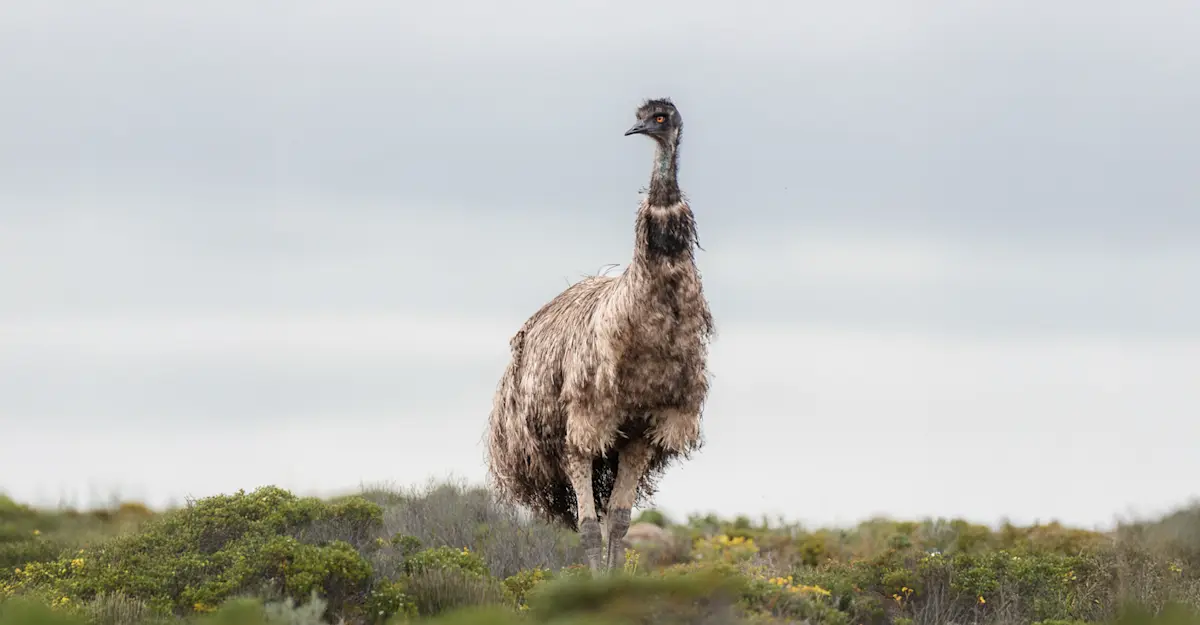
Emu
Cockatoo
Honeyeater
Potaroo
Bandicoot
Wombat
Saltwater Crocodile
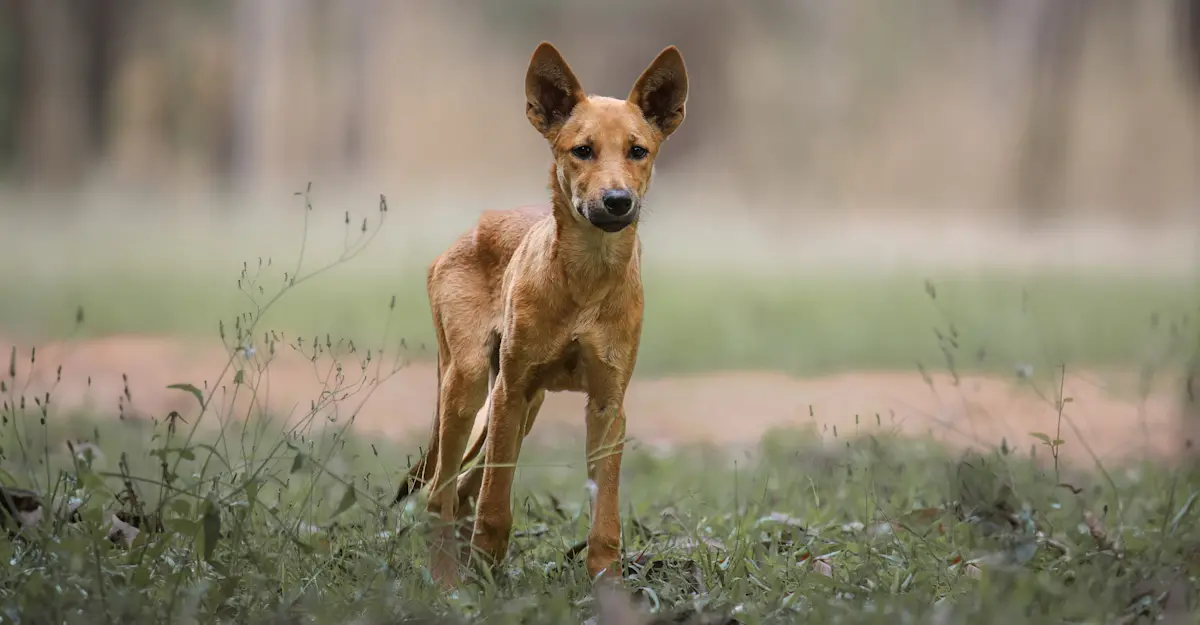
Dingo
Possum
Australia Tours
Ultimate Australia Safari
A three-week nature extravaganza from Australia’s tropical top to Tasmania down south, including the Great Barrier Reef and Outback. Eight national parks, seven private reserves and four World Heritage Sites!
Australia North: Kakadu, Kimberley & the Outback
Journey to the back of beyond on this singular itinerary that connects three of Australia’s most remote tracts of untouched wilderness via private chartered flights—plus a luxury train trip on The Ghan.
Australia South: Tasmania, Kangaroo Island & the Great Ocean Road
Discover the diverse landscapes and ecology of far-south Australia as we explore four national parks and a host of private nature reserves teeming with endemic and endangered wildlife.
Southern Australia & Tasmania Photo Expedition
Photograph a wide array of unique and intriguing Australian wildlife—plus dramatic landscapes from Tasmania’s mountains and sapphire lakes to the rugged Southern Ocean coast
Australia Webinars
WEBINAR | Discover Ultimate Australia
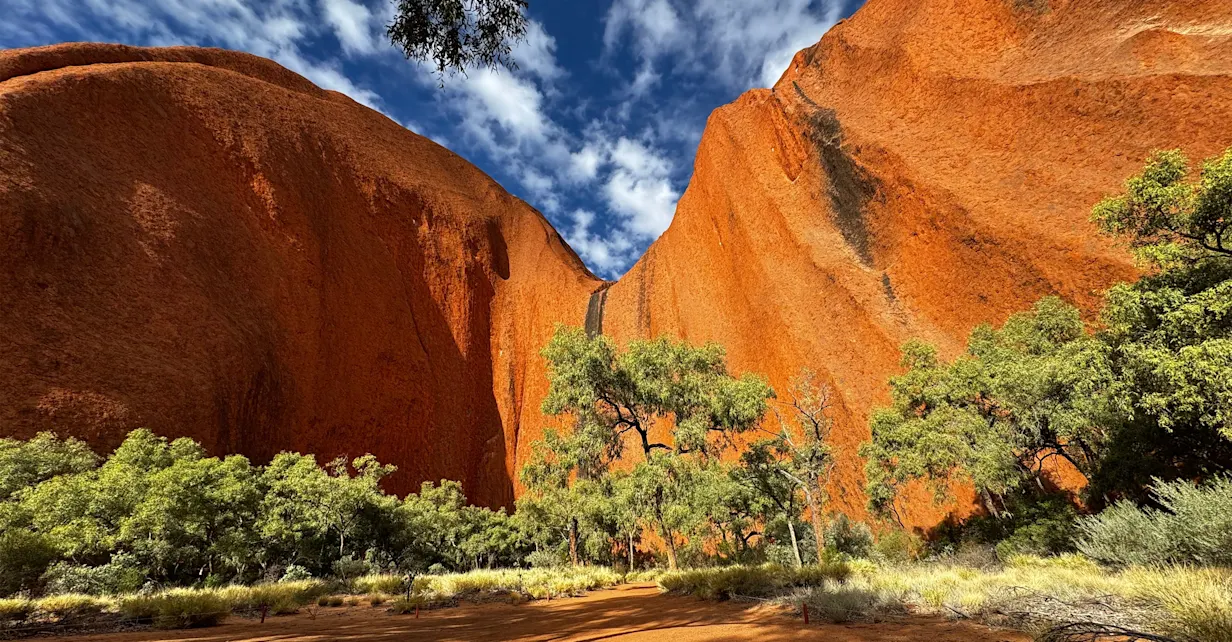
Australia is a land of extraordinary wildlife, where kangaroos, koalas and wallabies roam deserts, rainforests, reefs and remote islands. Nat Hab’s Ultimate Australia safari reveals the continent’s distinctive landscapes, from the red sands of the Outback and the tropical Top End to Tasmania’s wilds and the Great Barrier Reef. Expedition Leader Matt Cornish will share what travelers can expect, including wildlife encounters, the cultural significance of Uluru and the biodiversity across Australia’s habitats, along with practical tips on packing, weather and daily logistics to prepare you for a comprehensive journey Down Under.
WEBINAR | Daintree: Exploring the World’s Oldest Rainforest
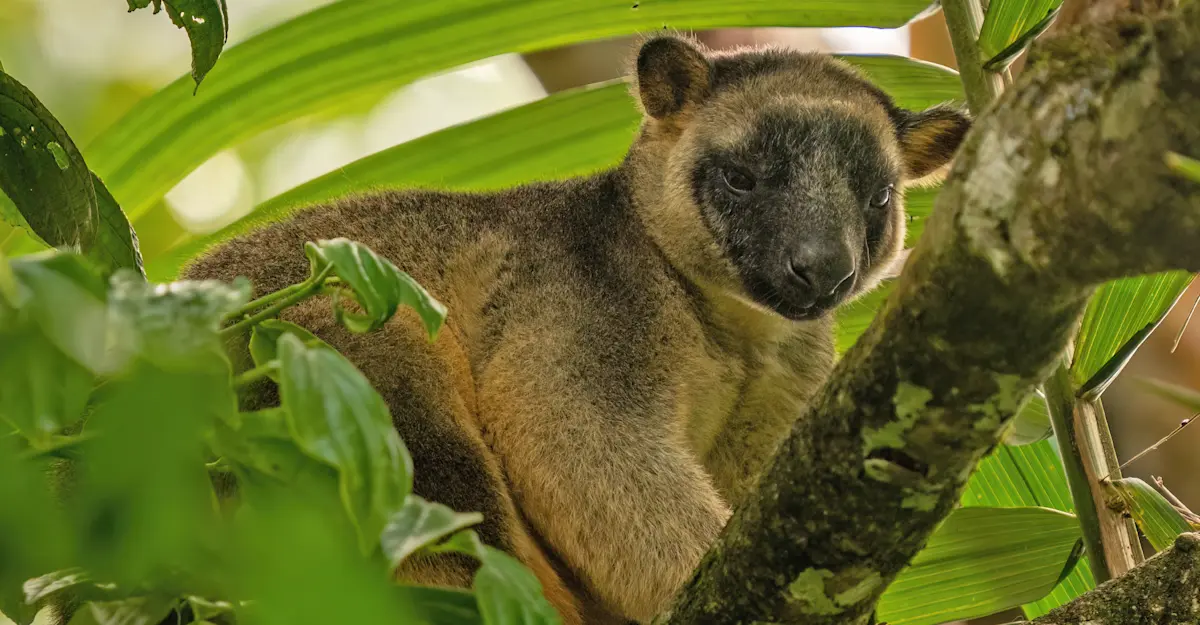
In celebration of World Rainforest Day, Expedition Leader Matt Cornish shares an in-depth look at Australia's Daintree Rainforest in northern Queensland—the oldest continuously surviving tropical rainforest on Earth. Discover what makes this ancient ecosystem so unique, from towering strangler figs and rare cycads to elusive tree kangaroos, saltwater crocodiles and the striking southern cassowary. Matt offers insights into the Daintree’s hidden wonders, its evolutionary history, and the endemic species that have thrived here for hundreds of millions of years.
WEBINAR | Explore Australia’s Wild South
Join Expedition Leader Jacob Emerson as he introduces our new Australia South nature journey and Southern Australia Photo Expedition itineraries! Find out what to pack, how we travel and where we stay on these immersive offerings that include Cradle Mountain-Lake St. Clair—home to wallabies, echidnas and wombats, quoll and Tasmanian devils. We also visit Kangaroo Island, explore the “Remarkable Rocks” of Flinders Chase National Park, travel the Great Ocean Road, venture into a glowworm-lit cave and photograph wild platypuses in the Derwent Valley.
WEBINAR | Discover Southern Australia on a Diverse Safari Down Under
Southern Australia is full of dramatic landscapes, unique flora and quirky animals, from the familiar koala and wallaby to the lesser-known wombat and echidna. Expedition Leader Matt Cornish shares what to expect on our wildlife-rich tour of Southern Australia. Explore Kangaroo Island (home to one of Australia's largest sea lion colonies), the "Remarkable Rocks" of Flinders Chase National Park, the Great Ocean Road, and a cave filled with bioluminescent glowworms. You'll also learn more about where we stay, what to pack and how we travel.
WEBINAR | 10 Photography Lessons from the Wild, Part 1: Foundations
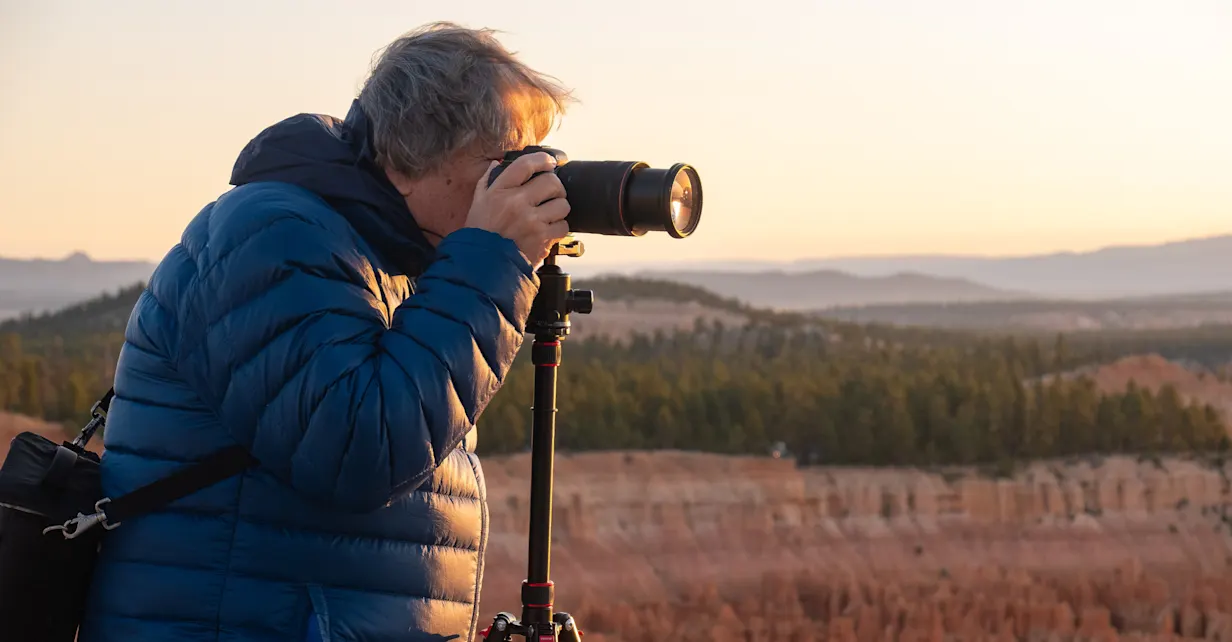
Join Australia Photo Expedition Leader Matt Cornish for Part 1 of a two-part photography series tracing his journey from zookeeper to conservation photographer. Matt shares how a chance encounter with a local photographer and a DSLR camera sparked a 14-year pursuit to document and protect the natural world. In this session, he shares five foundational lessons that shaped his craft, covering technical basics, camera gear advice and essential editing skills learned through years in the field.
WEBINAR | 10 Photography Lessons from the Wild, Part 2: Vision & Voice
In Part 2 of this photography series, Australia Photo Expedition Leader Matt Cornish moves beyond technical foundations to explore the creative and philosophical lessons that define meaningful conservation photography. Drawing on 14 years in the field, Matt shares five more nature photography lessons, focusing on animal behavior, advanced editing, visual storytelling and how to develop a personal photographic voice. Learn how intention, patience and perspective can transform strong images into powerful stories that connect people to the wild.
WEBINAR | NEW Australia North Itinerary: Kakadu, Kimberley & the Outback
Journey to the back of beyond on our new Northern Australia itinerary. Expedition Leader Nikki Sentinella reveals this remarkable adventure, from watching the sun set over Uluru in the Red Center to boarding The Ghan train for a rail journey across the desert. In the tropical “Top End,” explore the wetlands of Kakadu alongside Aboriginal guides, where crocodiles and birdlife thrive, before continuing to the Kimberley’s otherworldly Bungle Bungle Range. Nikki also shares what to expect each day, along with practical tips to help you prepare for this far-reaching journey into Australia’s wild north.
WEBINAR | Natural Wonders & Rare Wildlife of Northern Australia
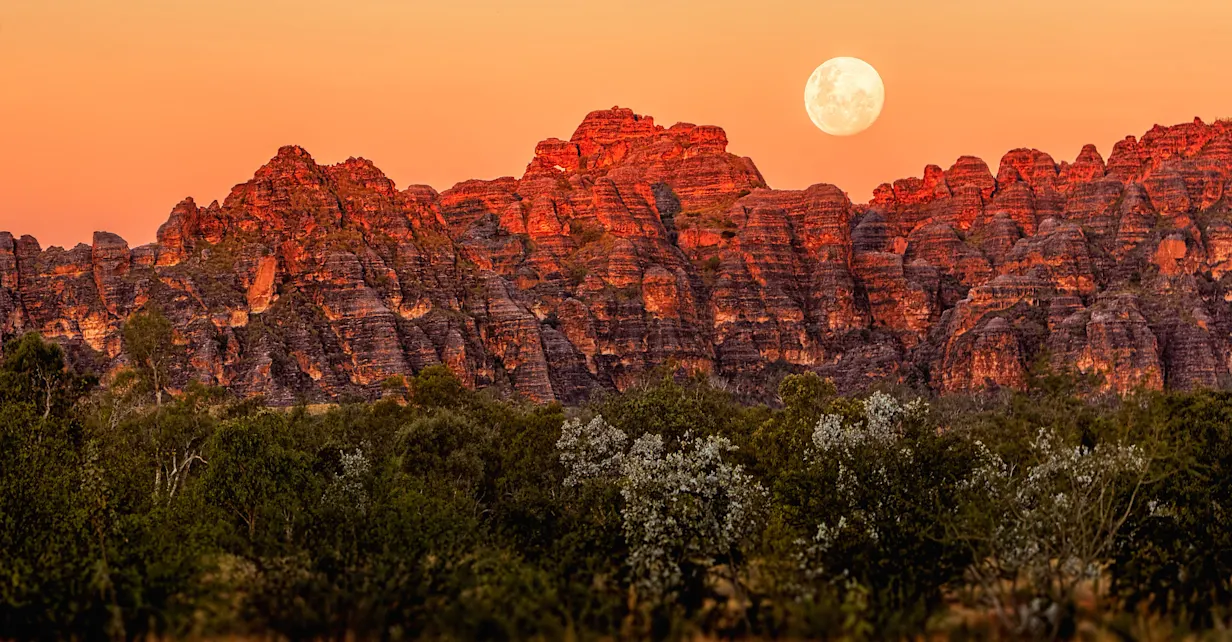
Northern Australia boasts some of the planet's most ancient landscapes and unique wildlife, from the vibrant wetlands of Kakadu National Park and its giant crocodiles to the beehive-shaped cones of the Bungle Bungles in Purnululu National Park, home to some of Australia's rarest wallabies. Join Expedition Leader Nikki Sentinella to discover what awaits on our immersive 14-day Australia North: Kakadu, Kimberley & the Outback adventure. Take a scenic rail journey aboard The Ghan luxury train, cruise red-rock gorges, and explore Aboriginal rock art sites on this deep dive into Australia's untamed northern wilderness.
WEBINAR | Safari Smarts: How to Read Animal Behavior in Real Time
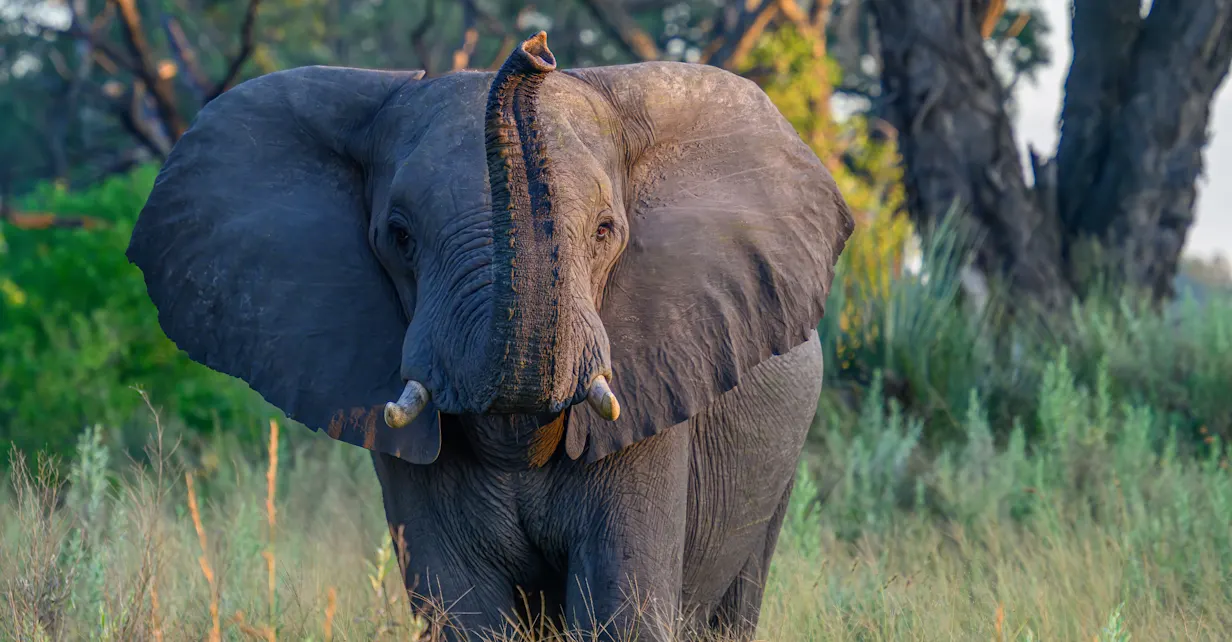
What are lions, leopards and elephants really communicating when they flick their tails, pause mid-step or trumpet loudly across the savanna? Expedition Leader Lorraine Doyle explains how to interpret the behavioral language of African wildlife. Through real examples from the field, she breaks down key patterns — from predator-prey interactions and social hierarchies to alarm calls and courtship displays — so you can recognize what’s happening beneath the surface. Gain the skills to read subtle cues and transform every wildlife encounter into a deeper, more meaningful experience.