
Know Before You Go: Botswana Safaris
Why Should I Choose a Botswana Safari?
Botswana offers one of Africa’s most exclusive and conservation-focused safari experiences. Known for its thriving wildlife, protected ecosystems and commitment to sustainability, Botswana is a top choice for nature travelers.
Although much of the country lies within the arid Kalahari Basin, Botswana is home to some of the continent’s most diverse ecosystems. The stark beauty of the desert contrasts with the lush Okavango Delta—the world’s largest inland delta and a UNESCO World Heritage Site—where seasonal waterways support elephants, lions, hippos, crocodiles and hundreds of bird species.
A Botswana safari takes travelers deep into remote wilderness. Experiences include:
Small-group wildlife viewing
Eco-luxury lodges that support conservation and communities
Paddling a mokoro canoe through the Okavango Delta
Tracking big cats in the Kalahari
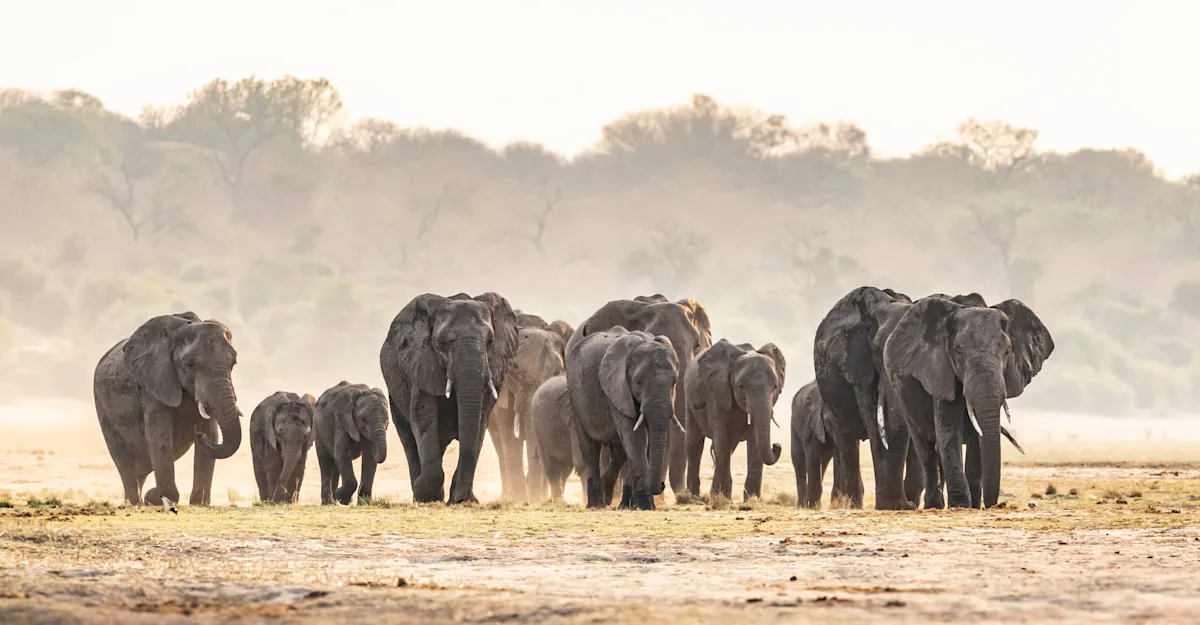
Viewing huge elephant herds in Chobe National Park
Botswana sets the standard for conservation in Africa, with vast protected areas and wildlife-friendly, low-impact tourism. When you take a safari in Botswana, you become part of its vital conservation efforts.
Why Choose Nat Hab for a Botswana Safari?
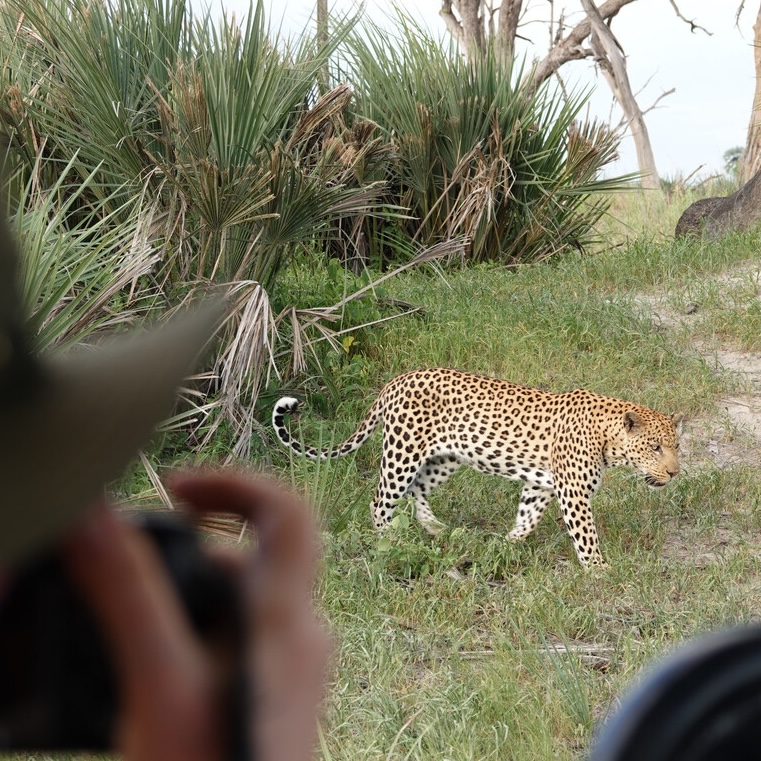
Our Botswana safaris focus on private conservancies with expert guides, small groups, exclusive camps, and seamless charter flights. Learn More
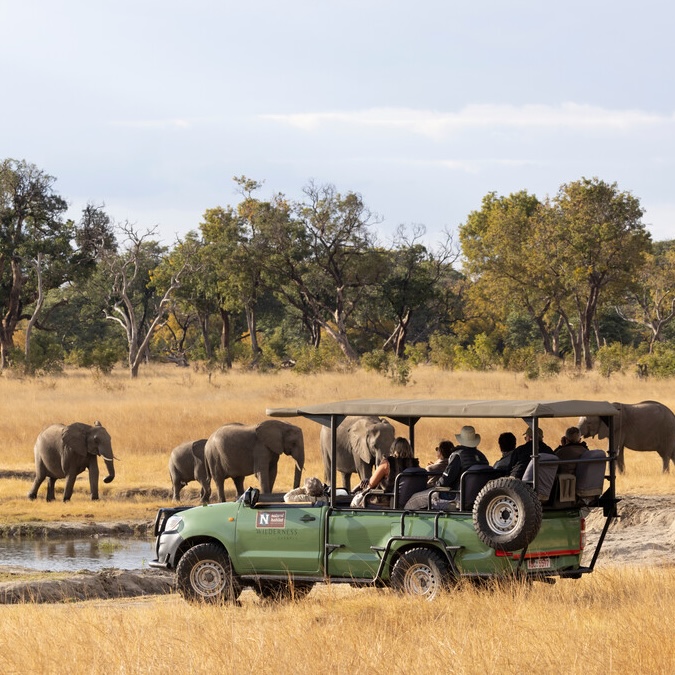
With the smallest groups in Botswana, Nat Hab's safaris offer flexible wildlife viewing, open 4x4 rides, access to remote camps, and close encounters. Learn More
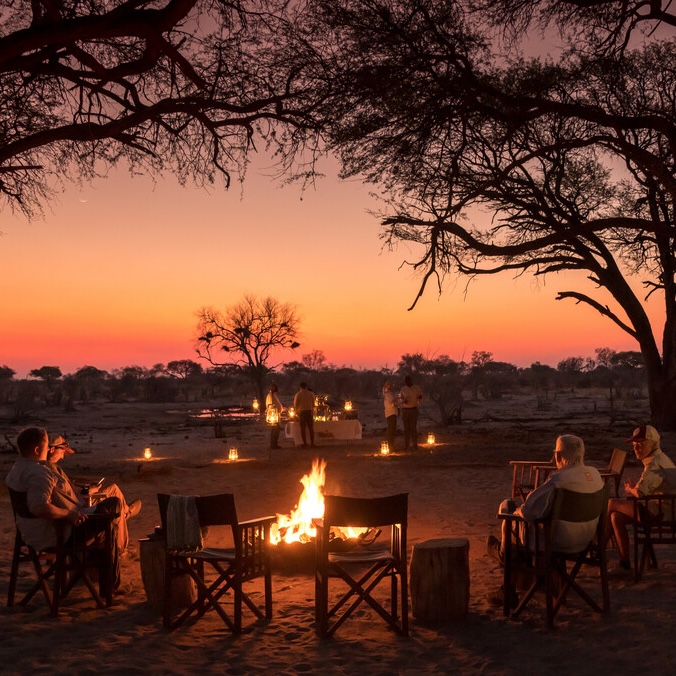
Set on private conservancies within thriving wildlife habitat, our remote safari camps provide modern comforts in an intimate, secluded setting. Learn More
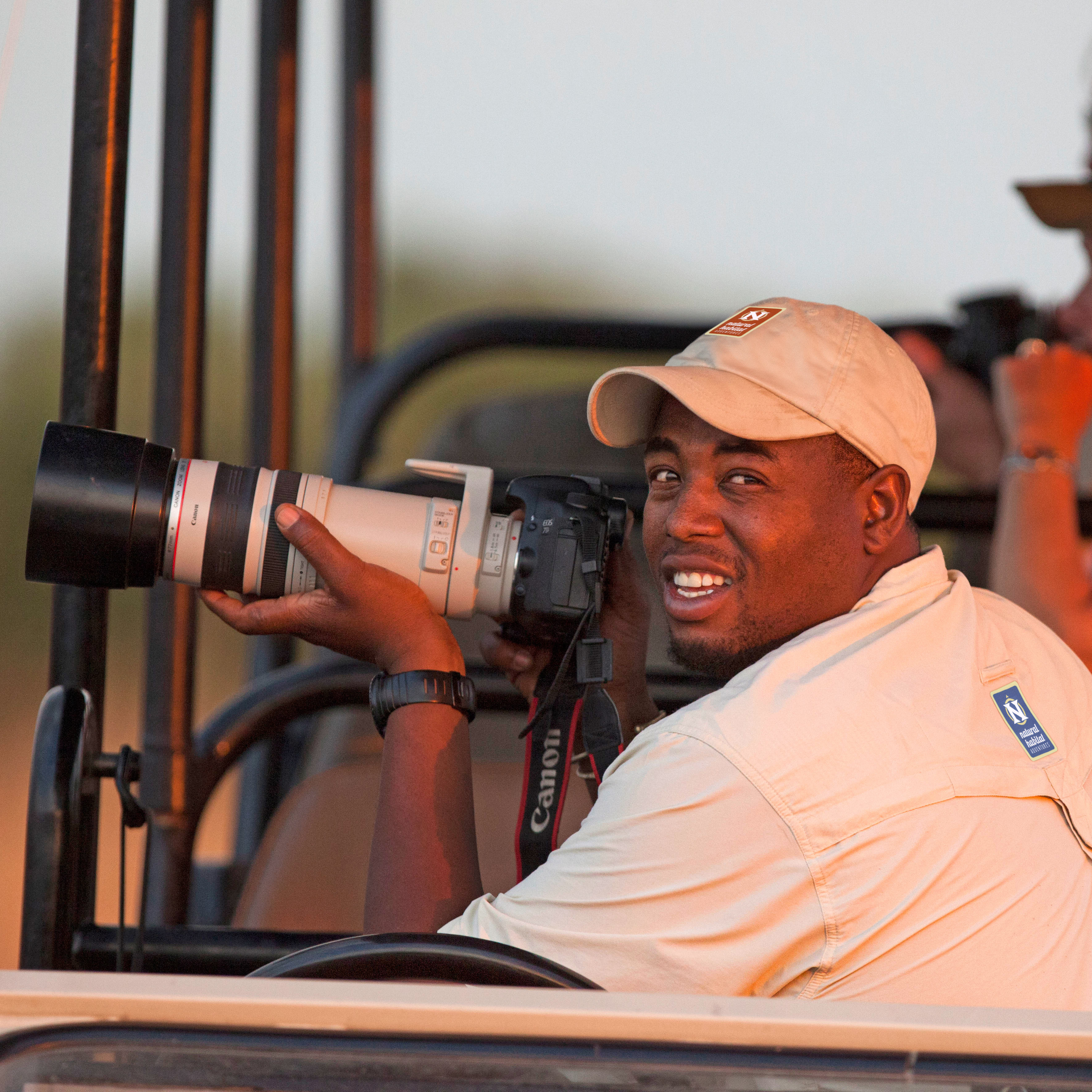
Nat Hab Expedition Leaders in Botswana average 15 years’ expertise as guides, naturalists and trackers, for personalized guiding and extraordinary safaris. Learn More
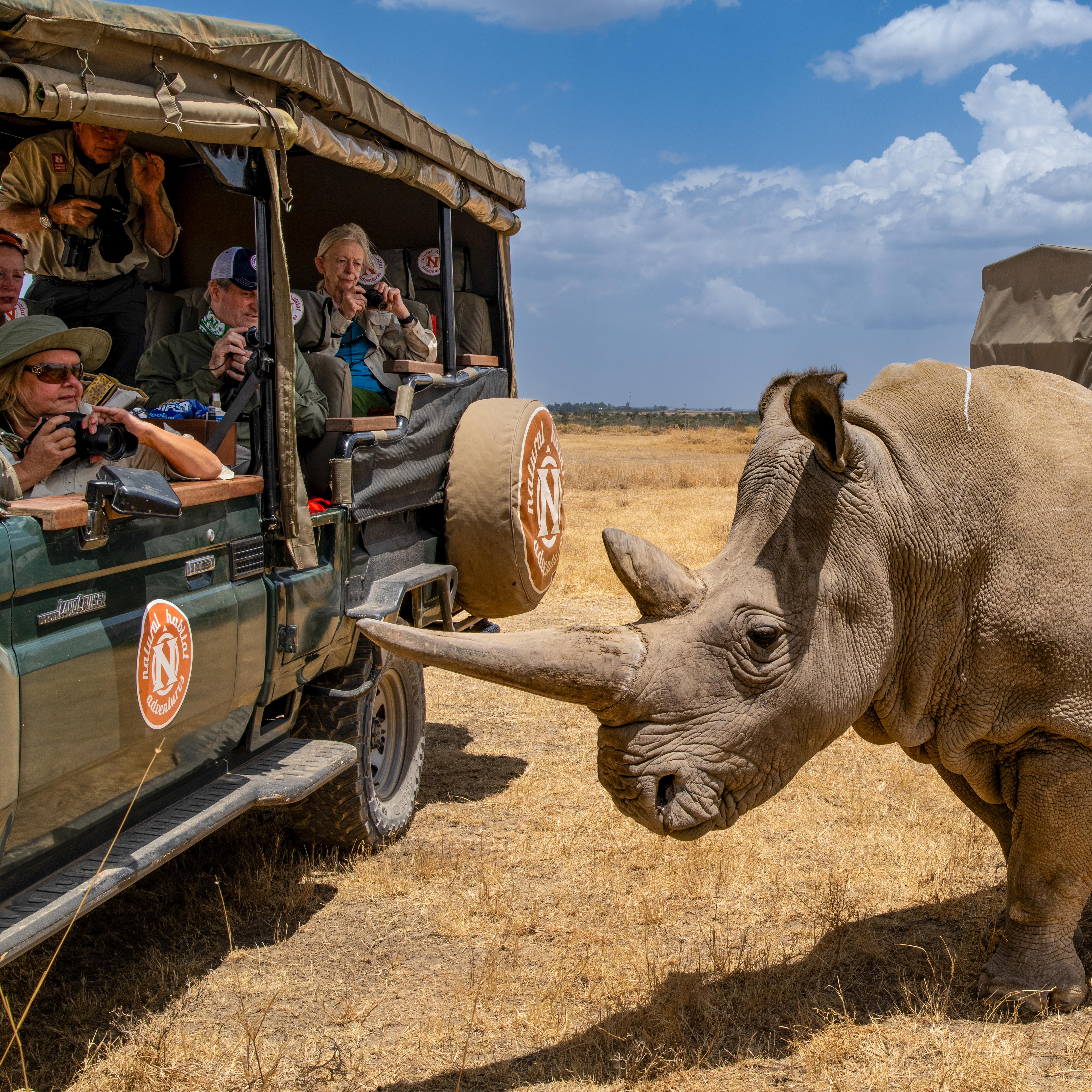
Through our WWF partnership, Nat Hab journeys protect wildlife, habitats and communities—advancing global conservation via sustainable, life-affirming adventures. Learn More
Botswana Safari Guide


Frequently Asked Questions
What should I pack for a Botswana safari?
Pack lightweight, neutral-colored clothing, a wide-brimmed hat, comfortable walking shoes and layers for cool mornings and evenings. Include sunscreen, insect repellent, binoculars and a good camera. Soft-sided luggage is required due to aircraft weight limits.
Do I need a special visa, vaccinations, or malaria medication for Botswana?
U.S. and Canadian travelers do not need a visa for stays under 90 days. Routine vaccinations are recommended. Botswana is a malaria-risk area, so speak with your doctor about antimalarial medication before travel.
Are Botswana safaris suitable for families?
Yes, many Botswana safari camps welcome families with children over a certain age. Family-friendly safaris offer flexible schedules, private guides and accommodations suited for small groups. Wildlife viewing is exciting for kids and adults alike.
What is a typical day like on safari in Botswana?
Days start early with a morning game drive at sunrise, followed by brunch and rest time at camp. Afternoon tea leads into an evening safari, often ending with sundowners in the bush. Dinner is served back at camp, sometimes around the fire.
How safe is a Botswana safari?
Botswana is one of Africa’s safest safari destinations. Camps follow strict safety protocols, and experienced guides lead all activities. Wildlife encounters are managed with expert care, and remote locations mean low exposure to crime or health risks.
What’s the luggage limit for my safari?
On light aircraft flights in Botswana, the luggage limit is typically 44 pounds (can vary depending on specific trips) per person, including carry-ons. Bags must be soft-sided to fit into small cargo compartments.
What kind of vehicles are used for game drives?
Game drives use open 4x4 safari vehicles designed for optimal wildlife viewing and photography. Vehicles are custom-built with tiered seating, and some include a canopy for shade. Private vehicles may be available on request.
Nat Hab deployed one of the safari industry’s first off-the-grid solar-powered electric safari vehicles in Botswana. "Not only does an ESV lessen our carbon footprint, it’s also much quieter, making it ideal for game viewing in the African bush,” said Ben Bressler, President of Natural Habitat Adventures. —Forbes, opens in new tab
Can you combine a Botswana safari with Victoria Falls or Namibia?
Yes. Many travelers pair a Botswana safari with Victoria Falls in Zimbabwe or Zambia, or with Namibia’s desert landscapes. Regional flights make these combinations convenient and seamless.
What type of food will be served on a Botswana safari?
You’ll enjoy hearty, fresh meals prepared daily by camp chefs. Menus include international dishes and regional specialties, with accommodations for dietary restrictions. Meals are often served al fresco, surrounded by nature.
Will there be internet connection or cell service on my Botswana safari?
Most remote safari camps have limited or no Wi-Fi and poor cell coverage. Some offer spotty satellite internet in the main area. Safaris are a great time to unplug and fully immerse in nature.
Is tipping expected on safari in Botswana?
Tipping is customary and appreciated. Guidelines vary by camp, but gratuities are usually given to guides and staff at the end of your stay. A recommended amount is included in your pre-trip materials.
What is the best way to get to Botswana to start my safari?
Most travelers fly into Maun via Johannesburg, South Africa. From there, light aircraft transfers or overland travel connect you to your safari camps.
Can Nat Hab help me book a hotel if I want to arrive early?
Yes. If you’d like to arrive before your safari begins, we can assist with booking a pre-night hotel near your arrival airport or in Johannesburg.
I want to stay and explore more of Africa—can Nat Hab help me plan a trip extension?
Absolutely. Nat Hab offers custom trip extensions to places like Victoria Falls, Namibia, Cape Town or Kenya. Our team can tailor post-safari travel to match your interests.


