
Know Before You Go: Galapagos Tours
Why is the Galapagos a Wildlife Paradise?
The animals of the Galapagos are unlike any other creatures on the planet. Roughly 80% of the land birds, 97% of reptiles and land mammals, and 30% of plants are endemic—found nowhere else. Even beneath the waves, 20% of marine species are endemic.
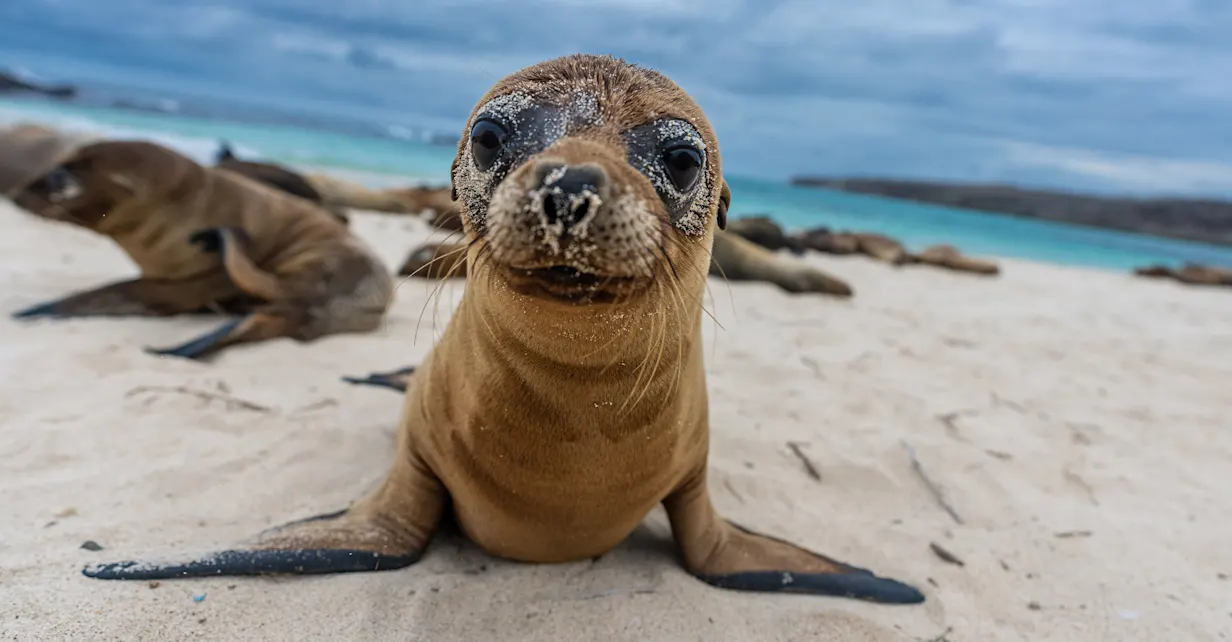
Because predators are scarce and tourism is carefully managed, Galapagos wildlife shows little fear of humans. Travelers can watch intimate behaviors—mating dances, parental care, even playful underwater interactions—just feet away. A single walk may reveal marine iguanas basking on lava rocks, blue-footed boobies nesting, and sea lions nursing pups.
This combination of biodiversity and accessibility makes the Galapagos a world-class destination for nature travelers, photographers and wildlife lovers.
What Wildlife Will I See in the Galapagos?
Travelers to the Galapagos can expect remarkably close encounters with animals found nowhere else on Earth. From giant tortoises roaming the highlands to marine iguanas basking on beaches, the islands teem with iconic species that shaped Charles Darwin’s theory of evolution.
Highlights include:
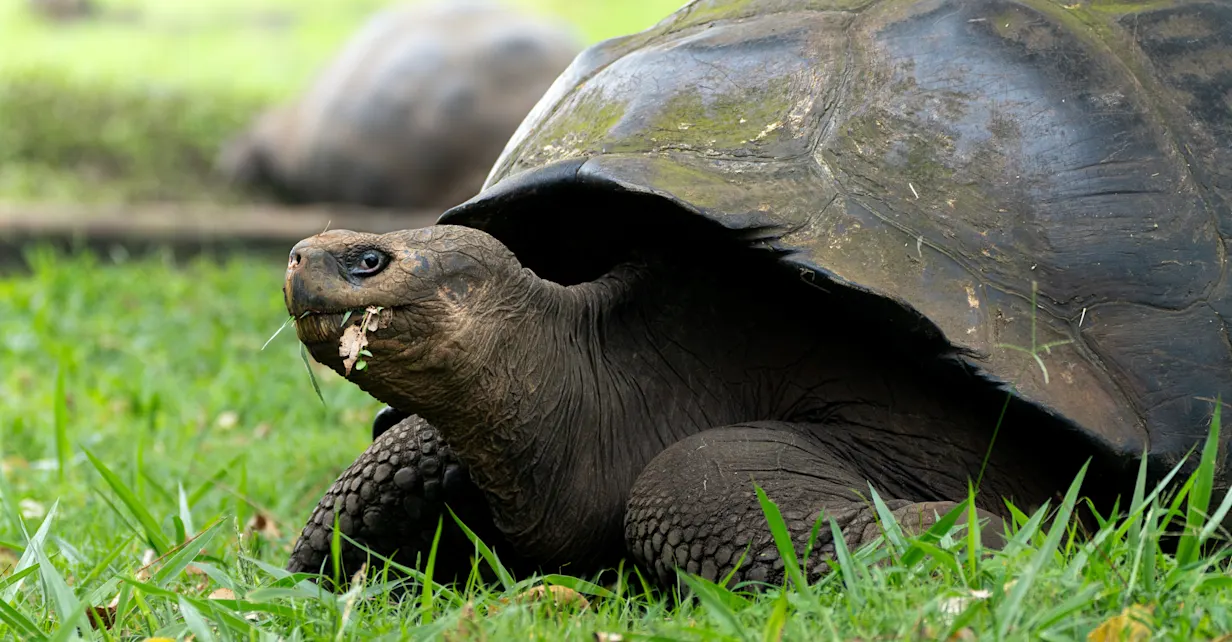
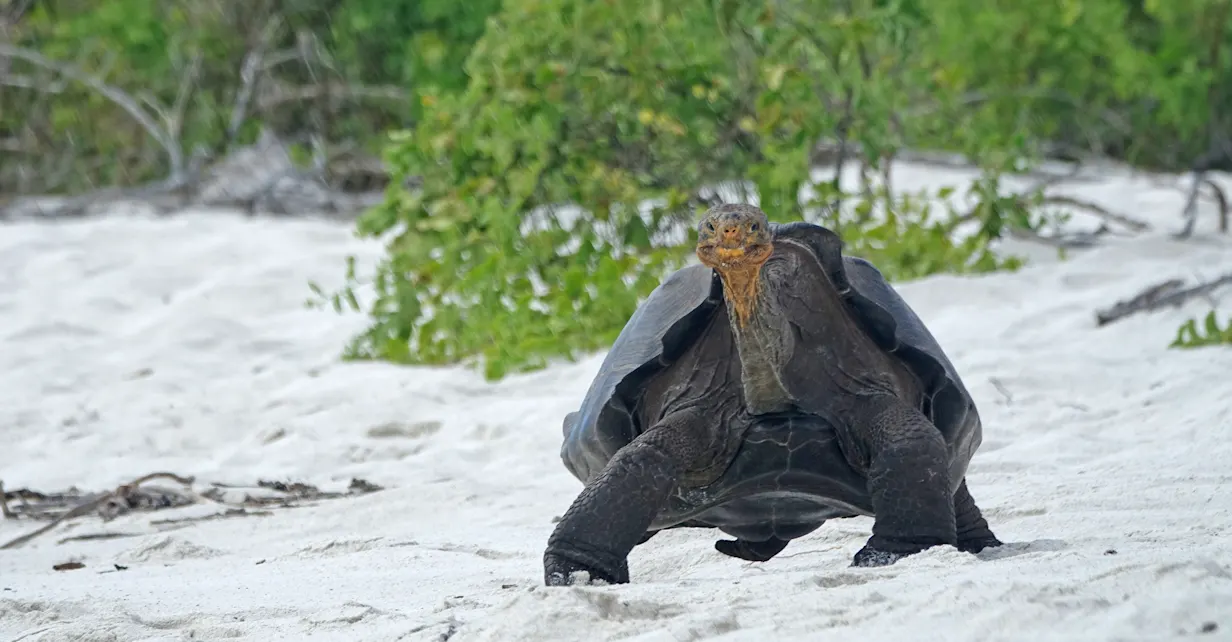
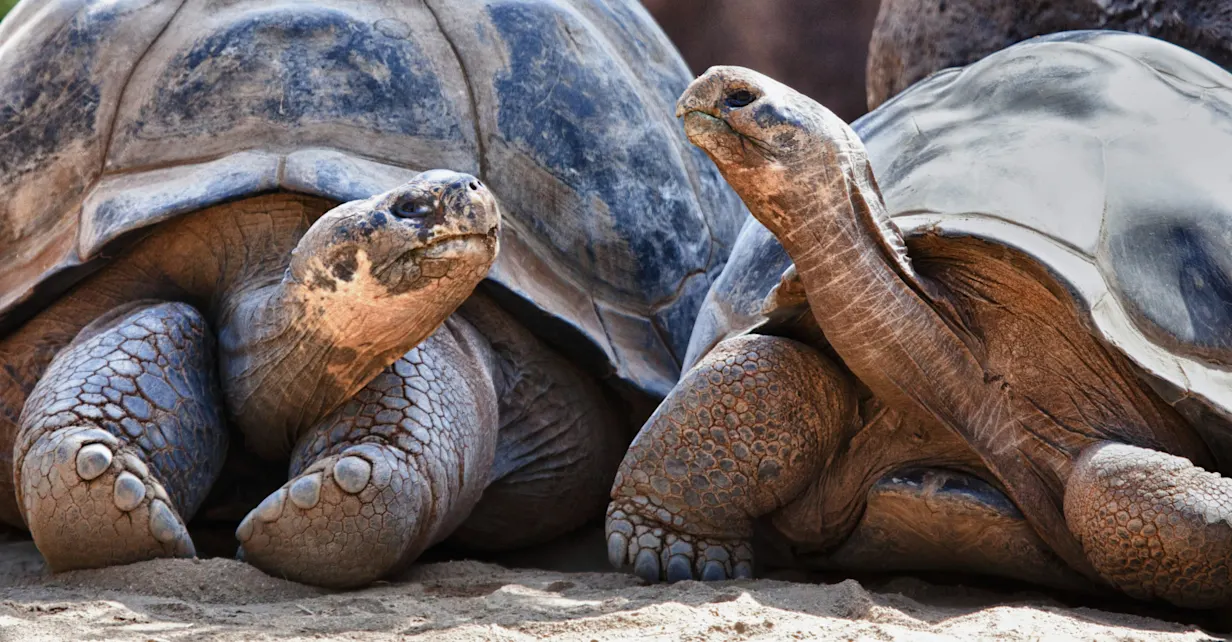
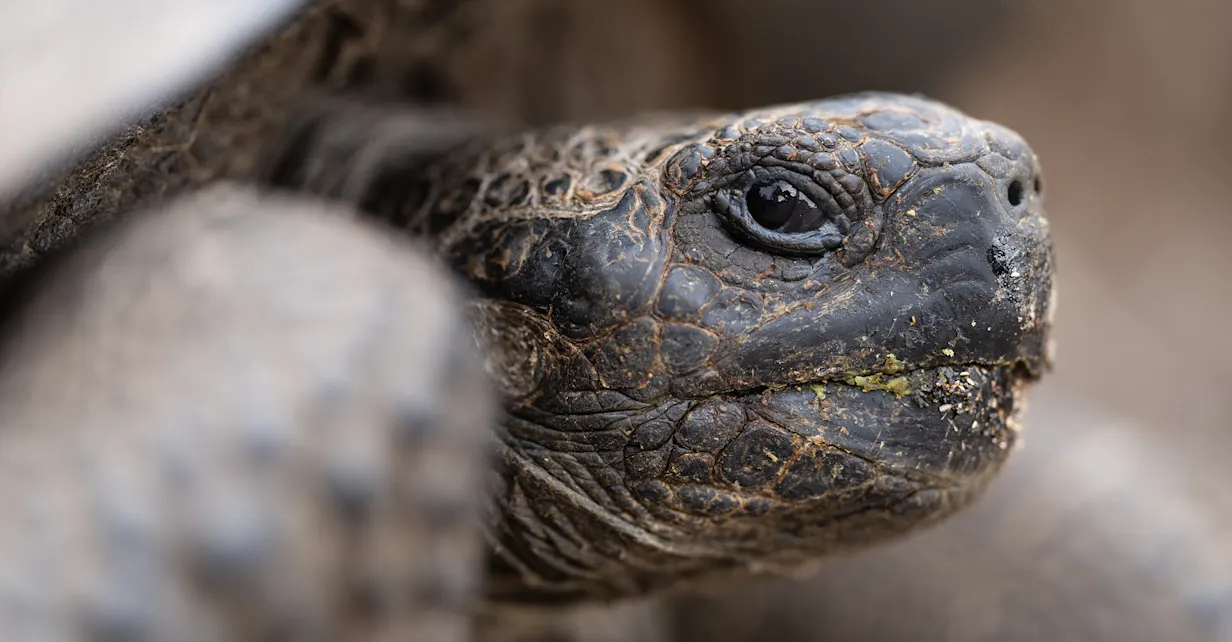
Giant tortoises – long-lived symbols of the archipelago
Marine iguanas – the world’s only ocean-going lizards
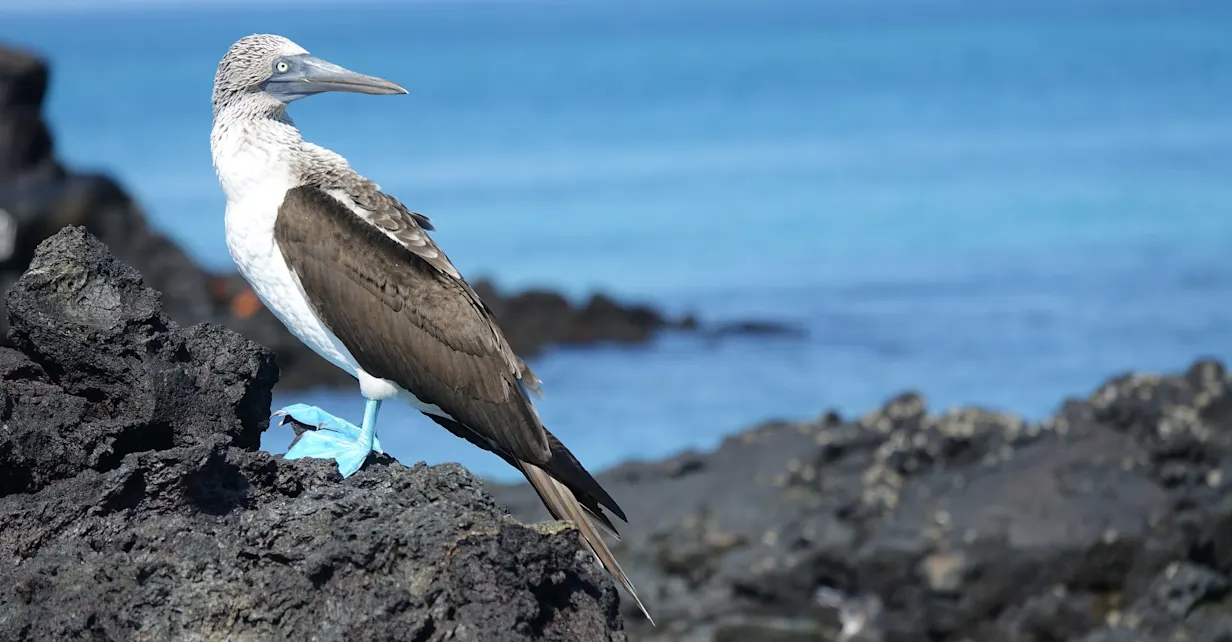
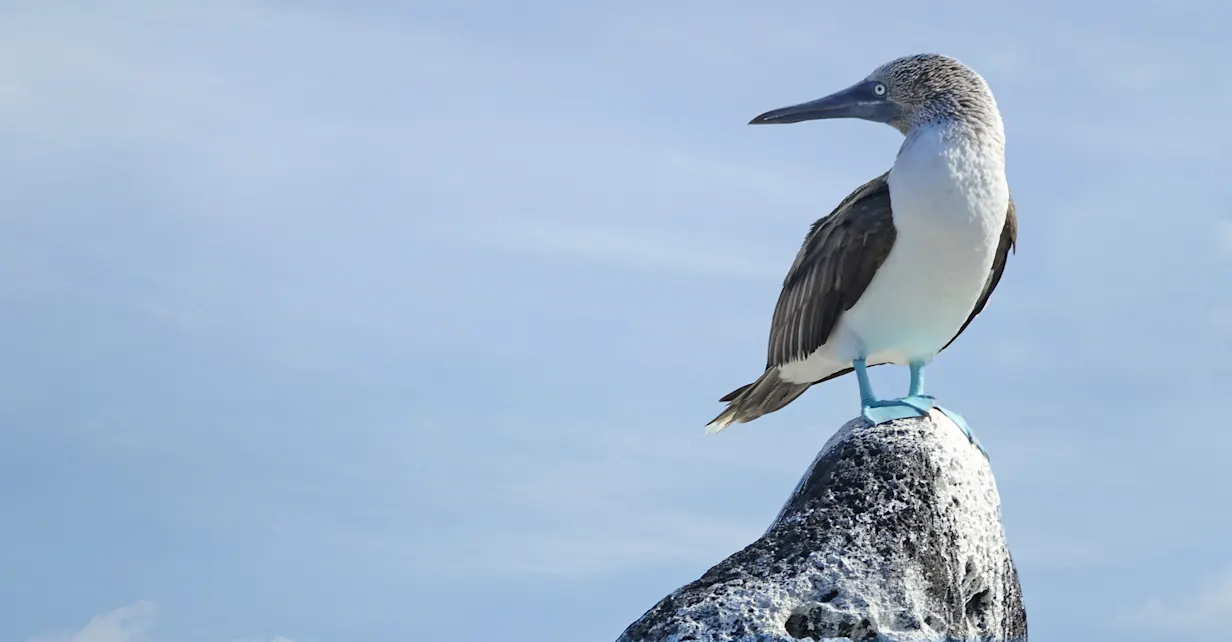
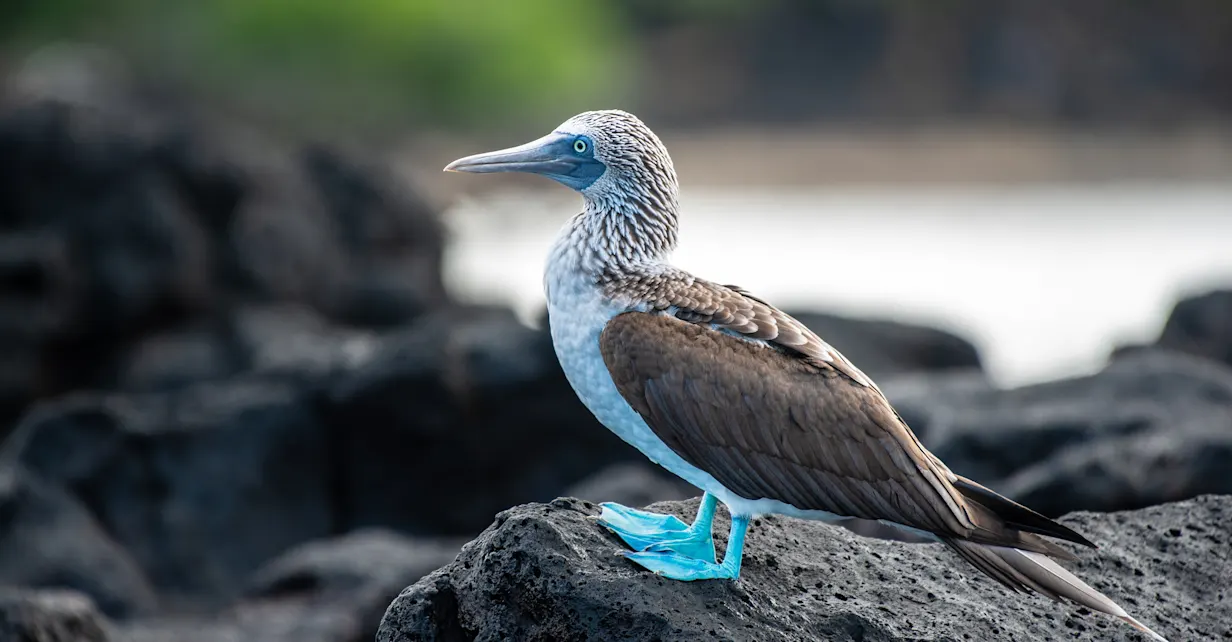
Blue-footed boobies – famous for their turquoise feet and courtship dances
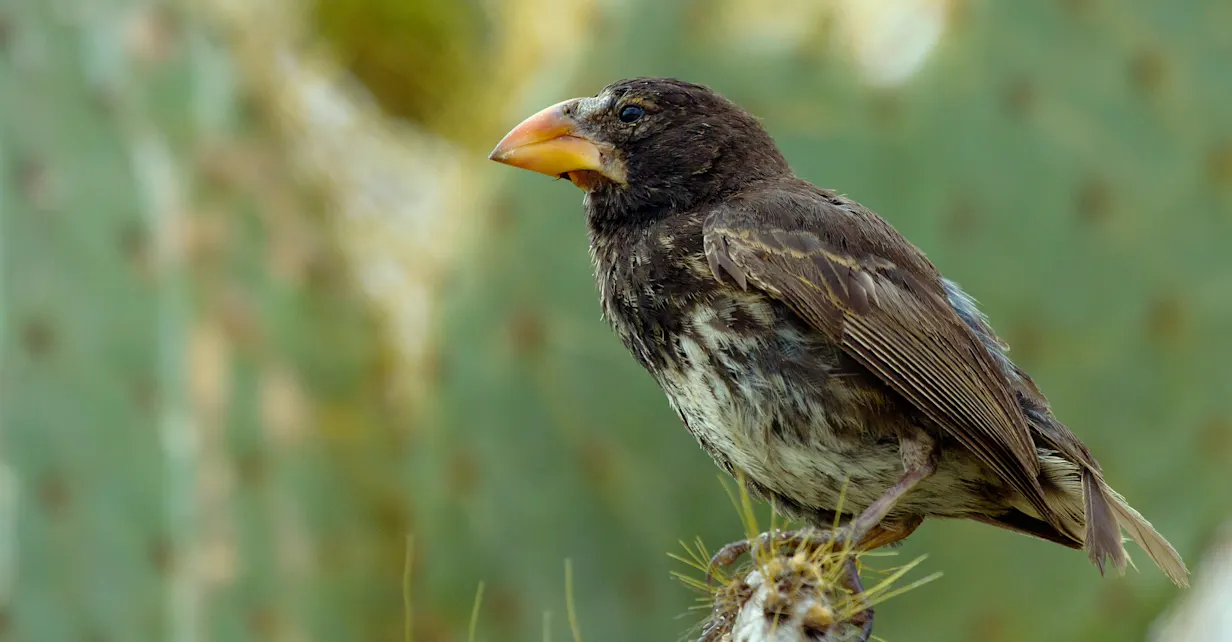
Darwin’s finches – each with distinct beak adaptations
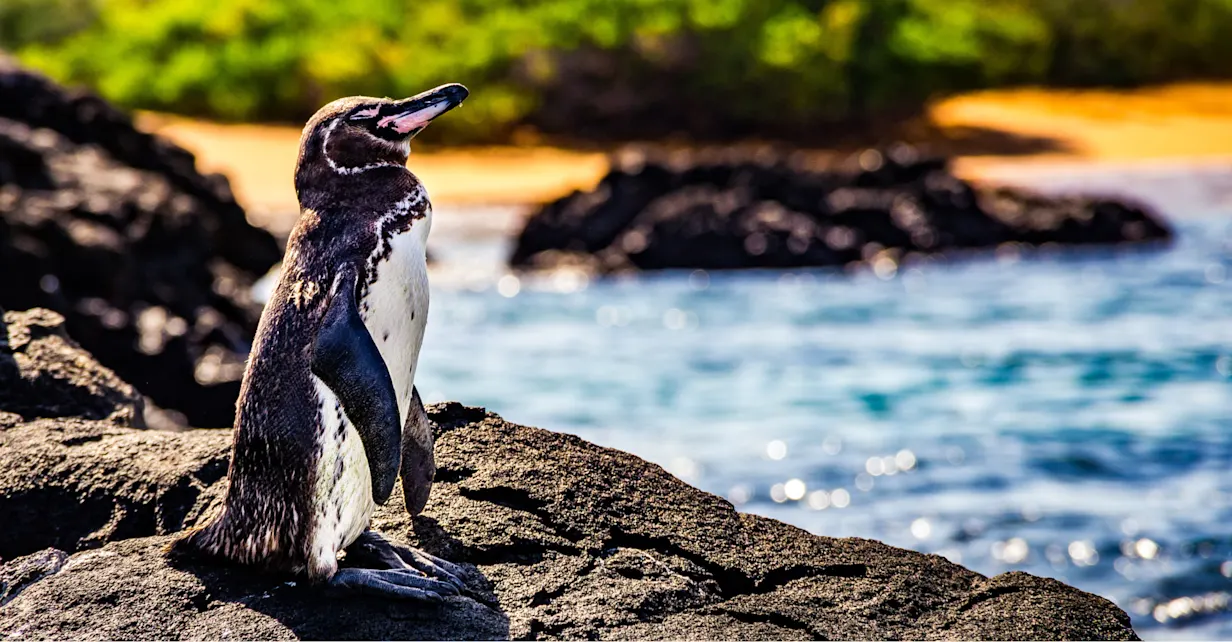
Galapagos penguins – thriving on the equator
Flightless cormorants – powerful swimmers that lost the ability to fly
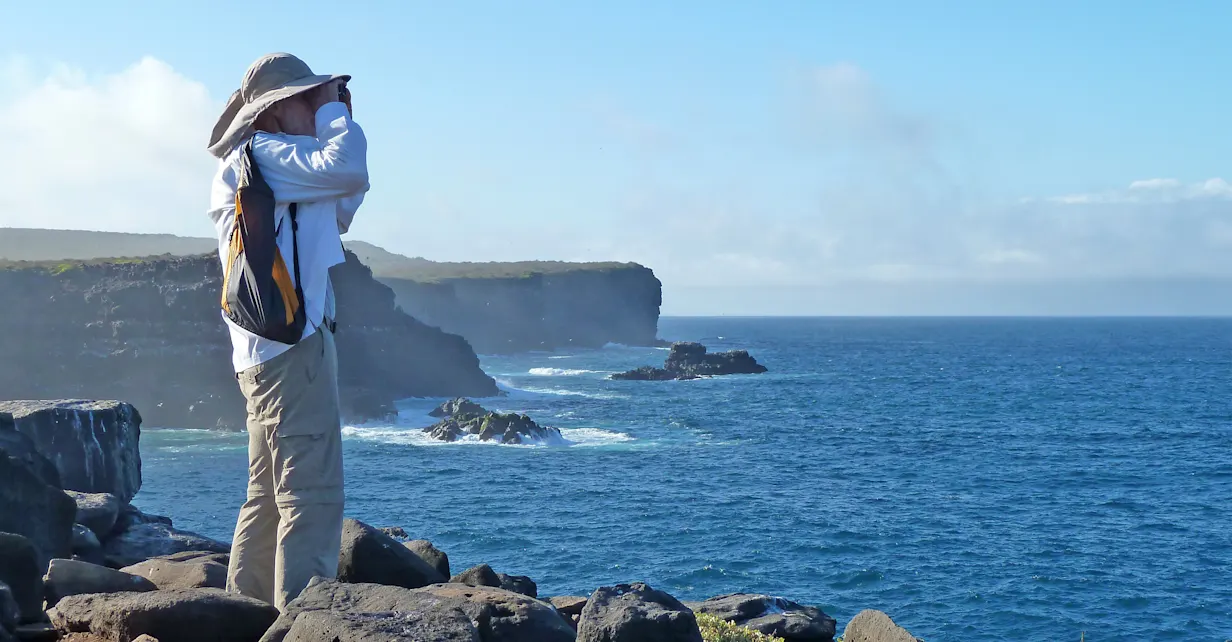
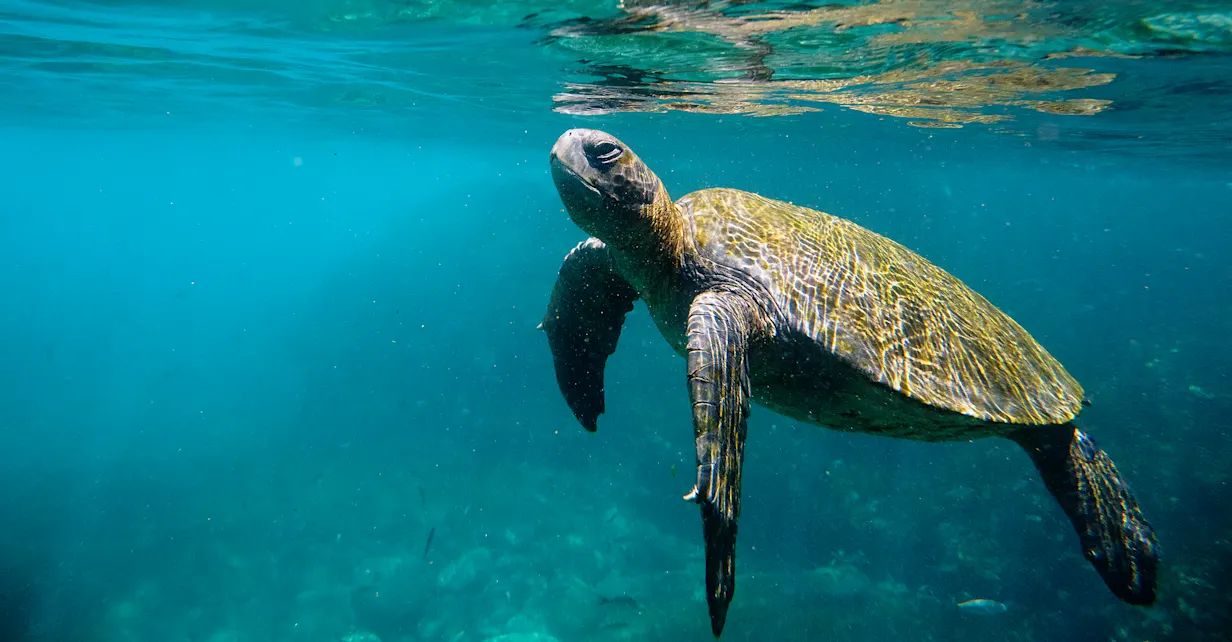
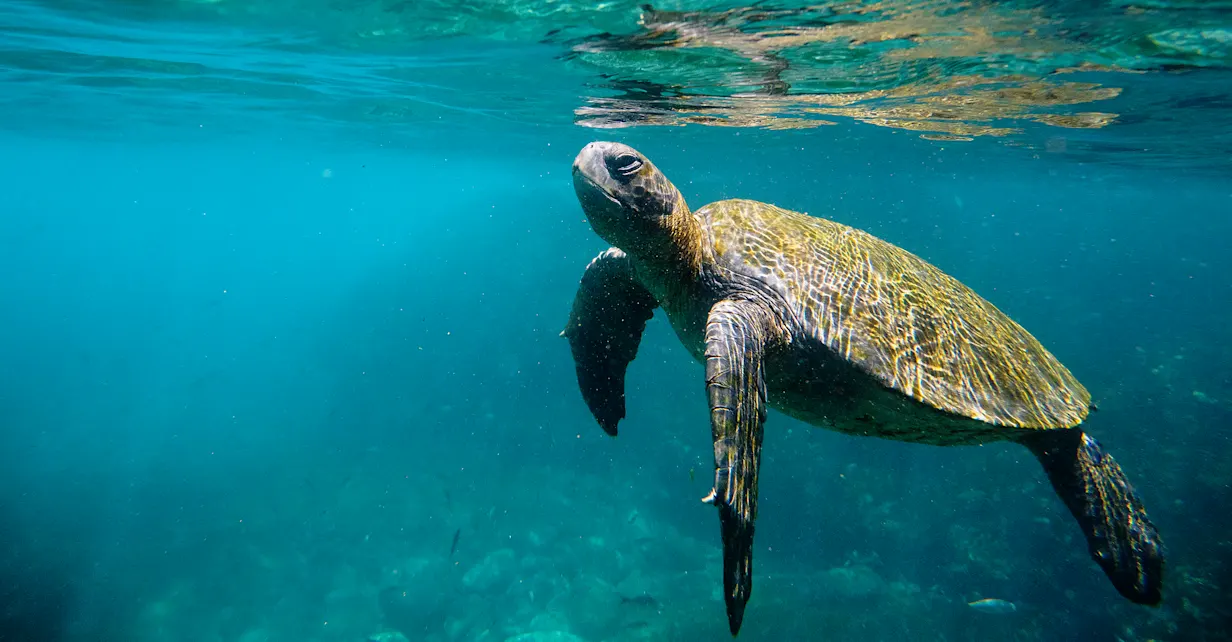
In the water, snorkeling often brings encounters with sea lions, green sea turtles, reef sharks, rays, and even penguins. What sets the Galapagos apart is the accessibility of this wildlife—no binoculars or long lenses required.
How Close Will I Get to Wildlife in the Galapagos?
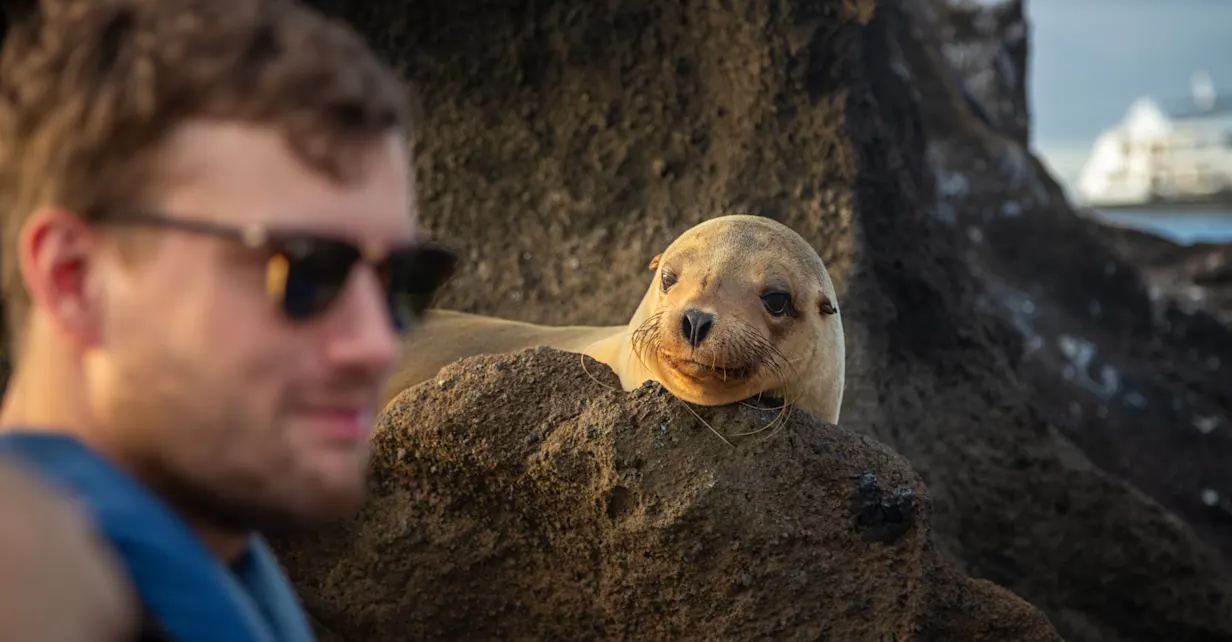
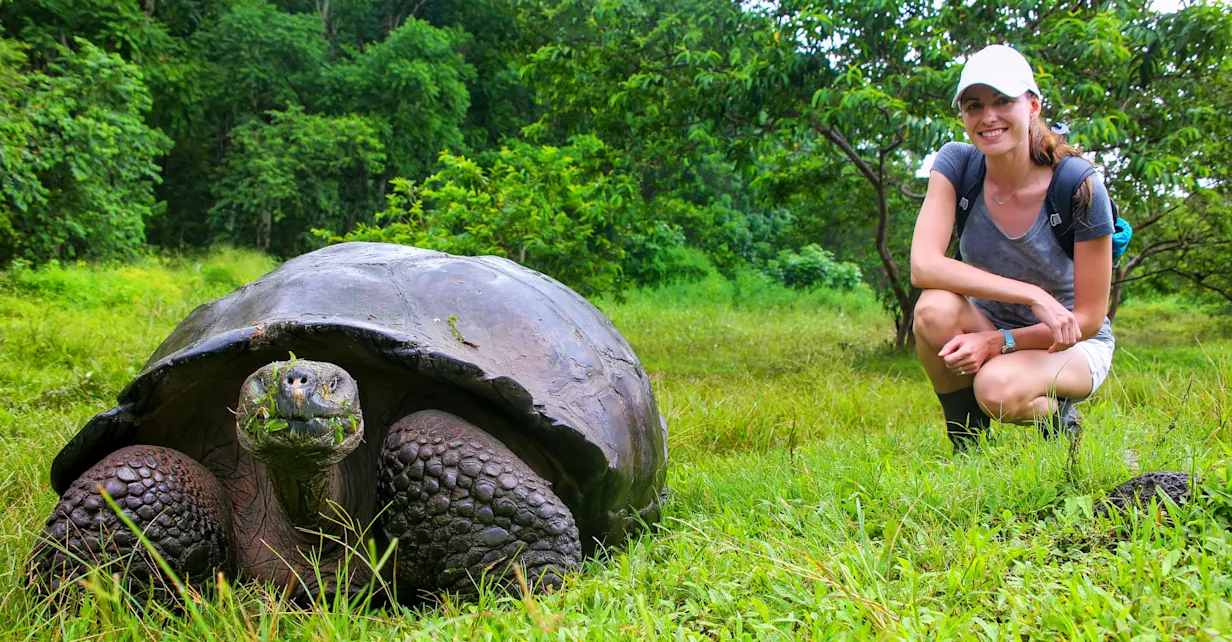
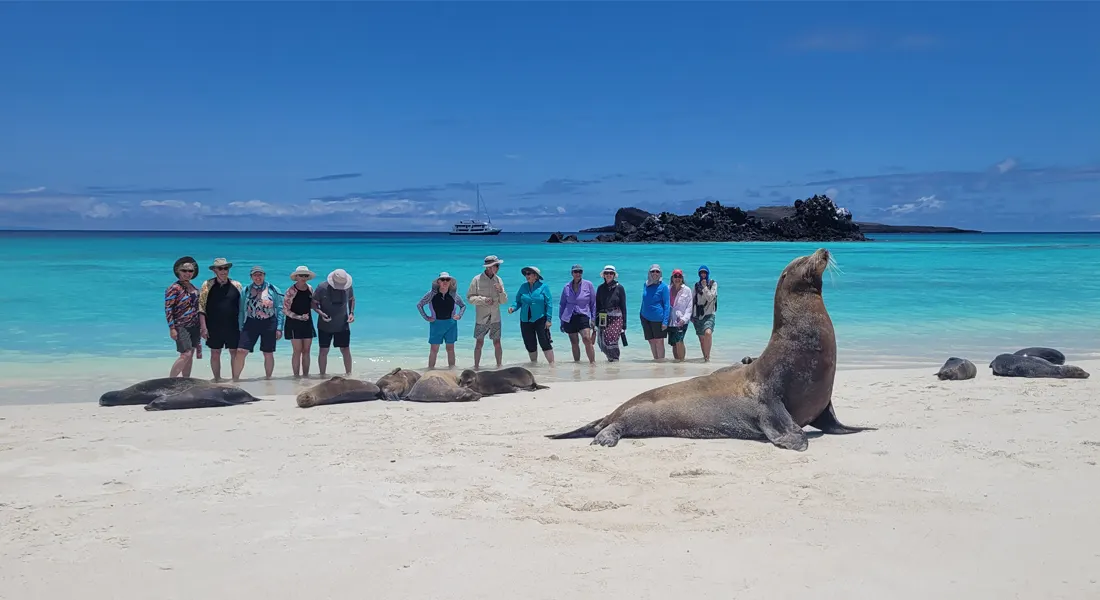
Most Galapagos wildlife is indifferent to human presence, so it is highly likely we’ll come very close to many animals on the islands and in the surrounding waters. Galapagos park rules state that we cannot get within 6 feet of any animal.
Photo gallery
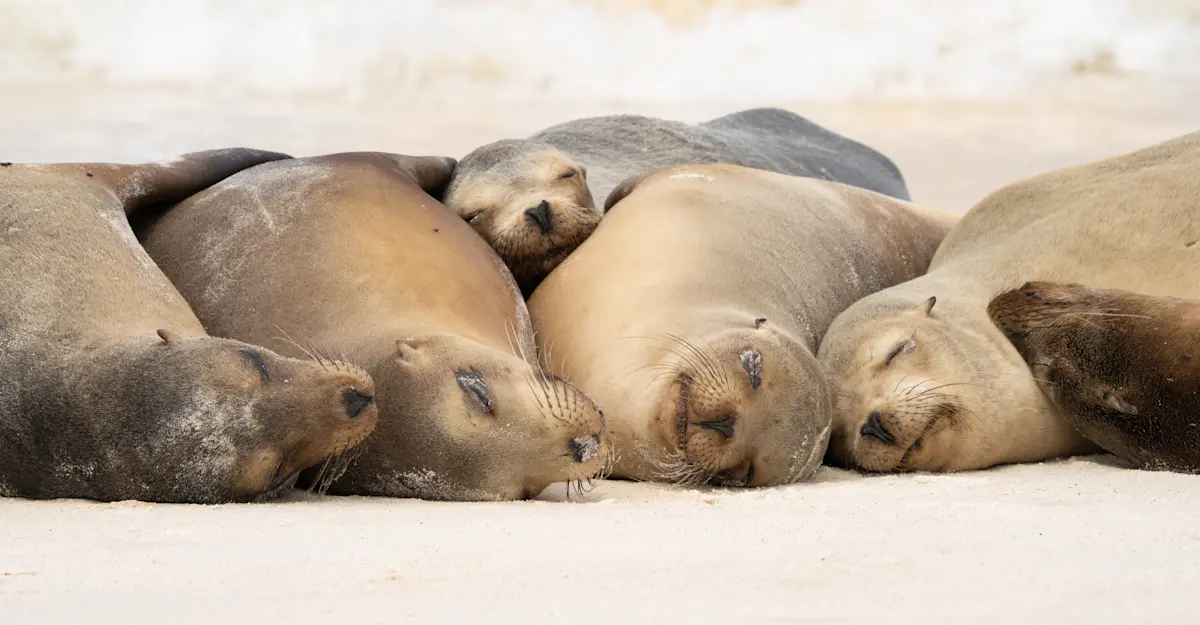
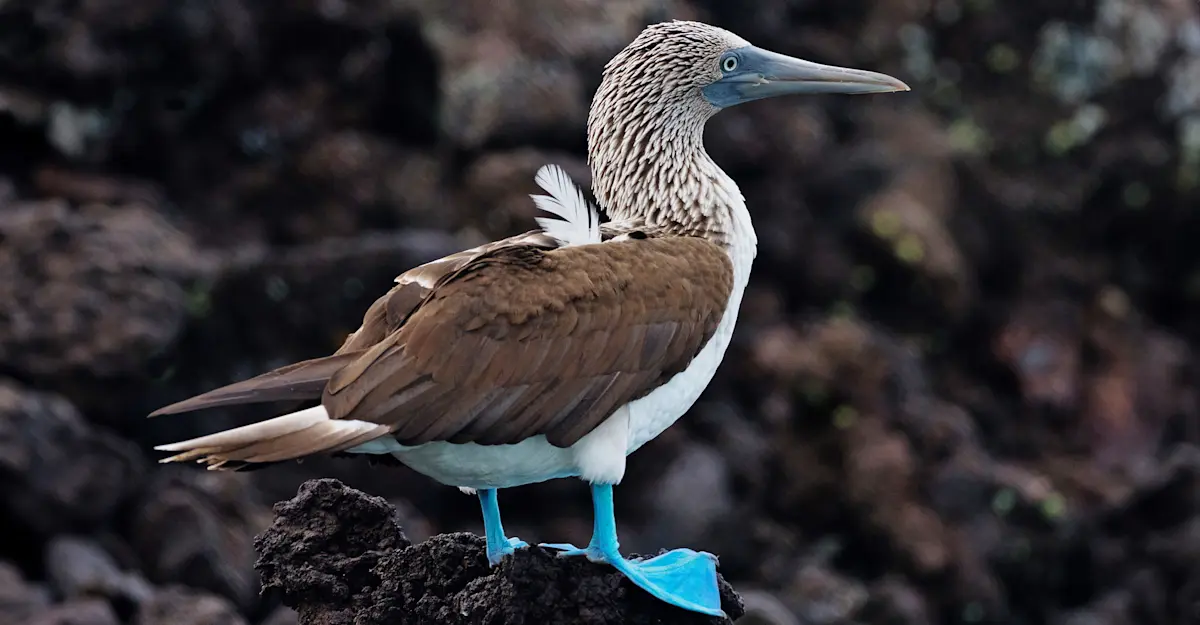
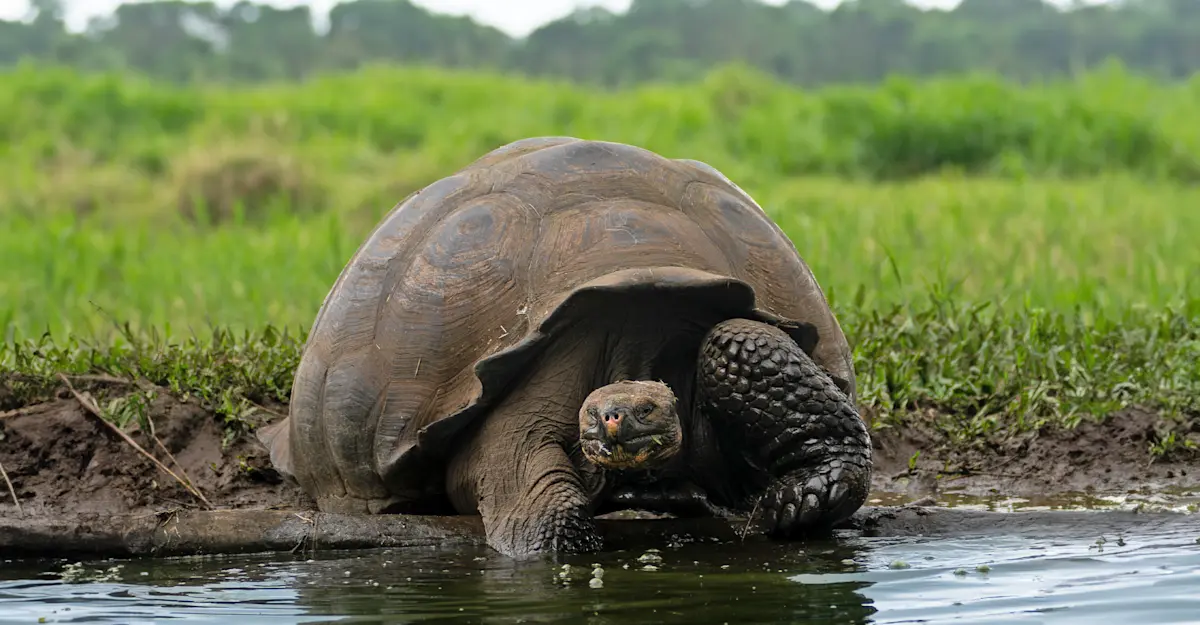
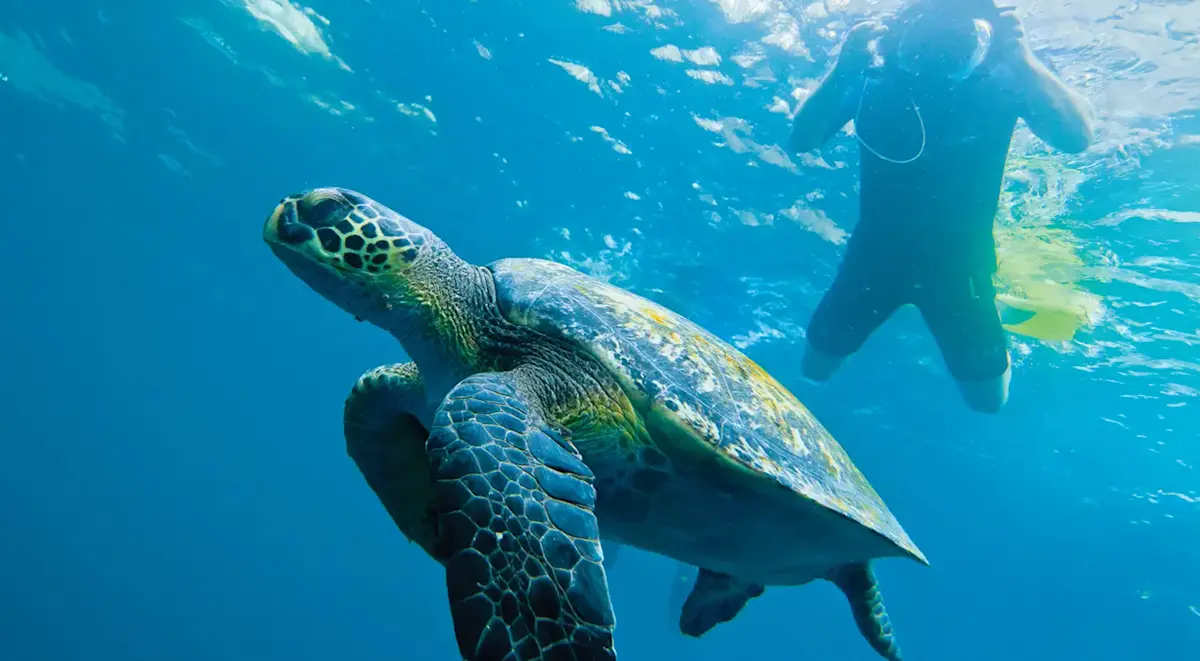
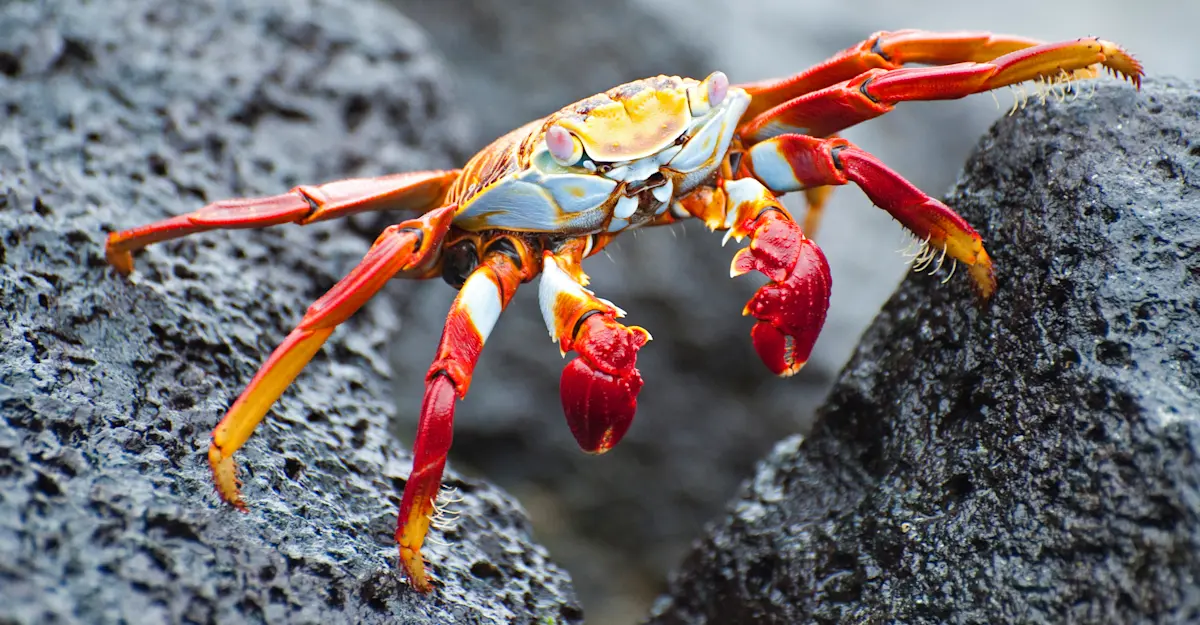
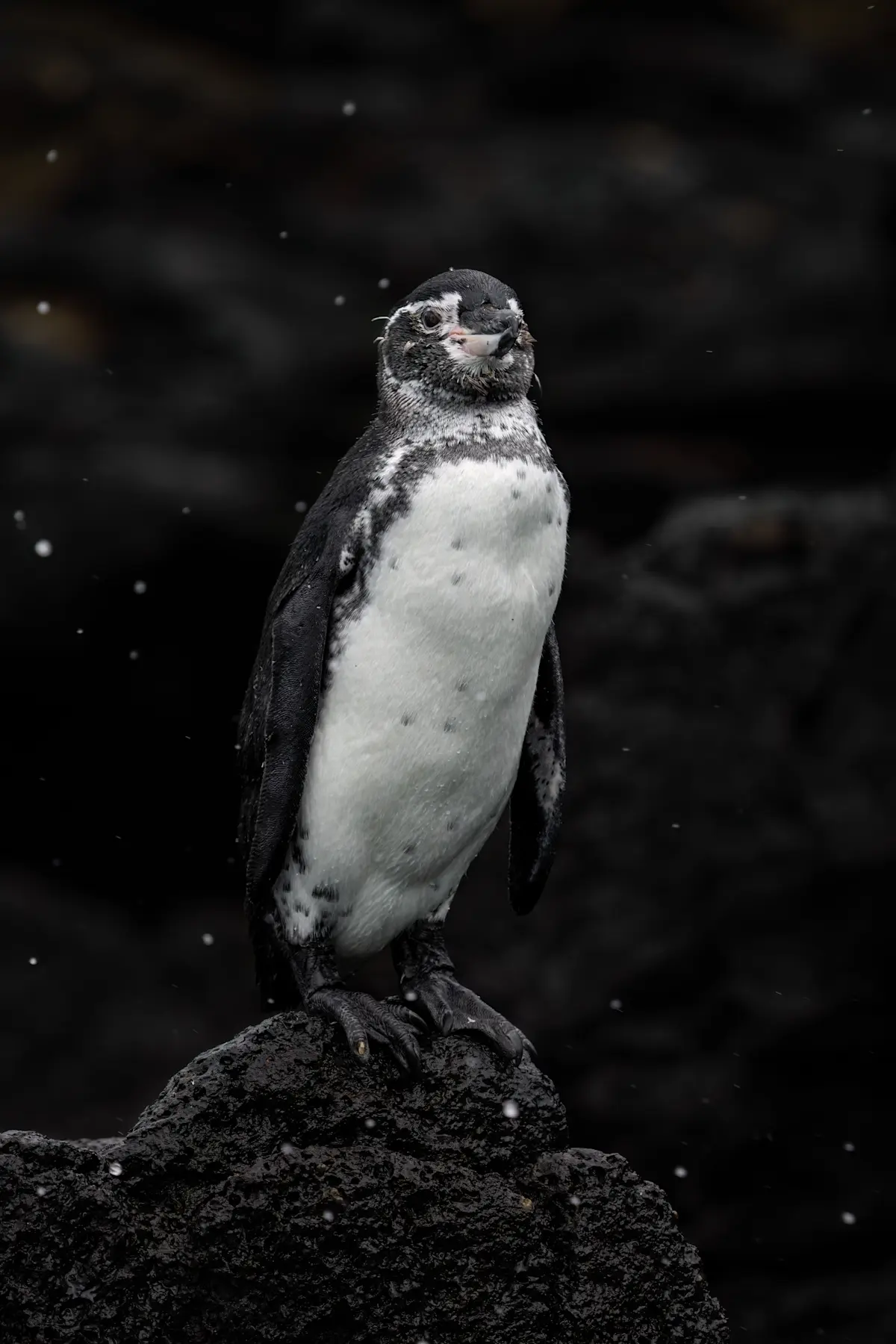
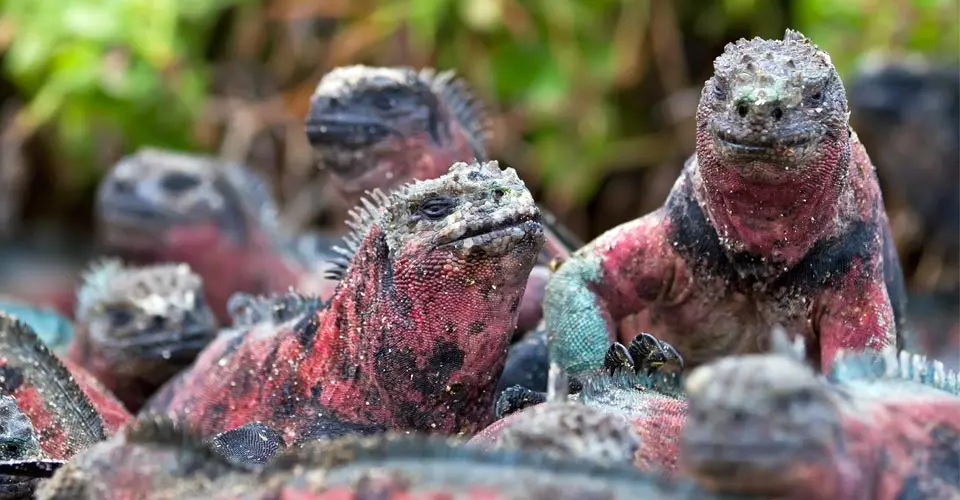
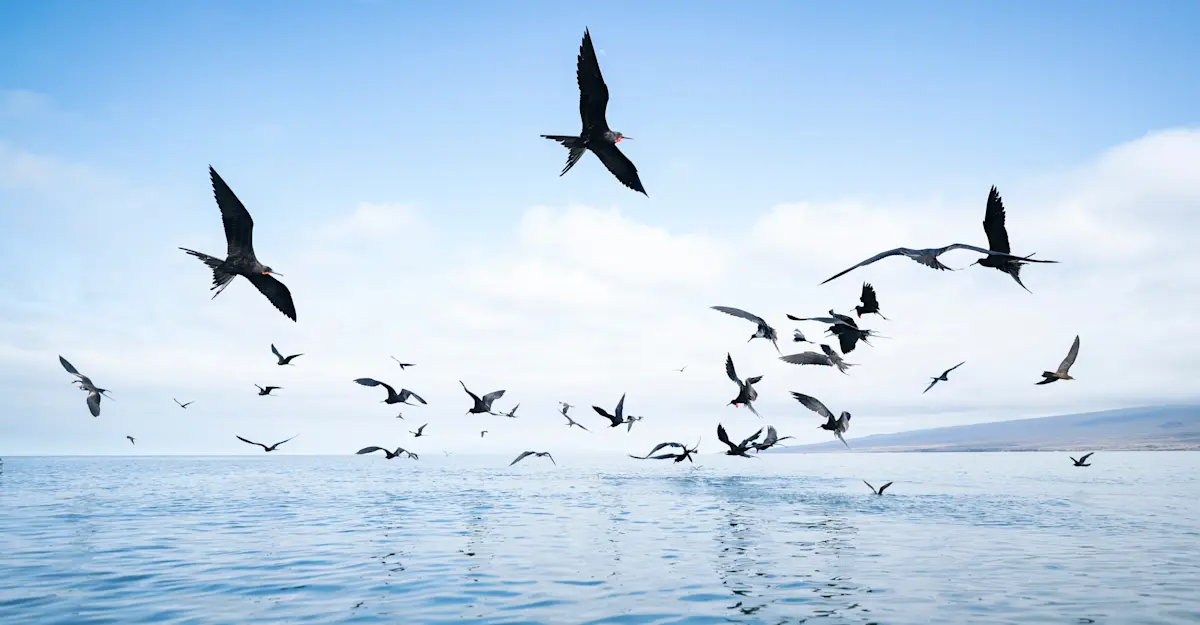
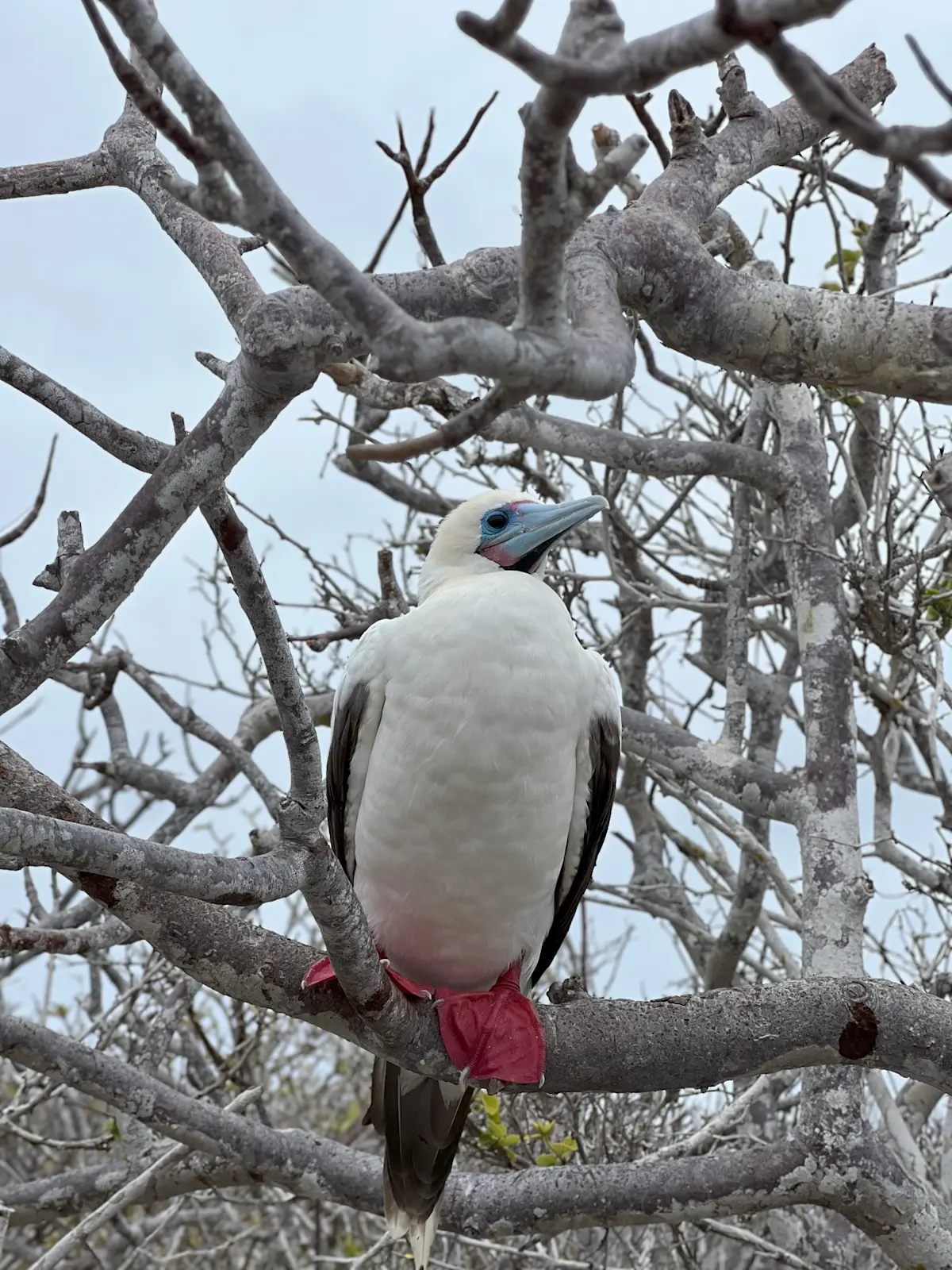
Photo 1 of 9
Wildlife Frequently Asked Questions
What are the Galapagos Big 15?
Modeled after Africa’s Big Five, the Galapagos Big 15 are the most sought-after species across the archipelago. A thoughtfully planned itinerary will maximize your chances to encounter them.
Species | Common Activity | Best Viewing Method |
|---|---|---|
Galapagos Giant Tortoise | Grazing in highland meadows | Land hike, conservation center |
Marine Iguana | Sunbathing on lava rocks | Land hike, shoreline |
Galapagos Land Iguana | Foraging in arid zones | Land hike |
Santa Fe Land Iguana | Seen only on Santa Fe island | Land hike |
Flightless Cormorant | Nesting and diving | Boat, coastal hike |
Galapagos Penguin | Swimming and nesting | Snorkeling, boat, shoreline |
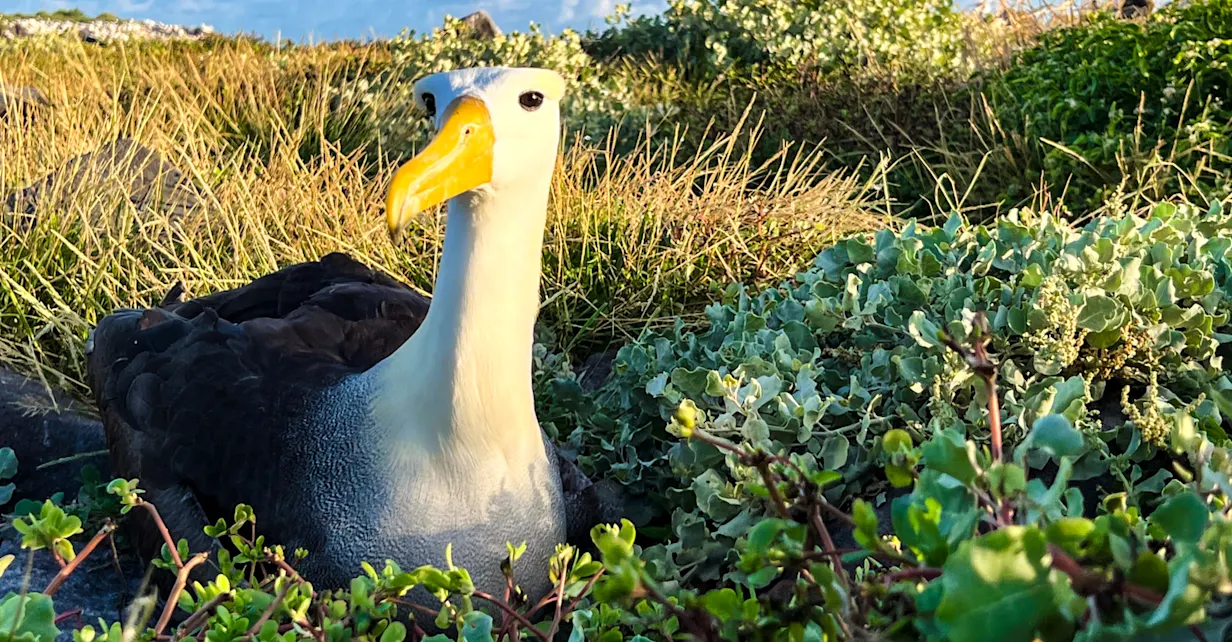
Waved Albatross | Mating dances on Espanola | Land hike (Apr–Dec) |
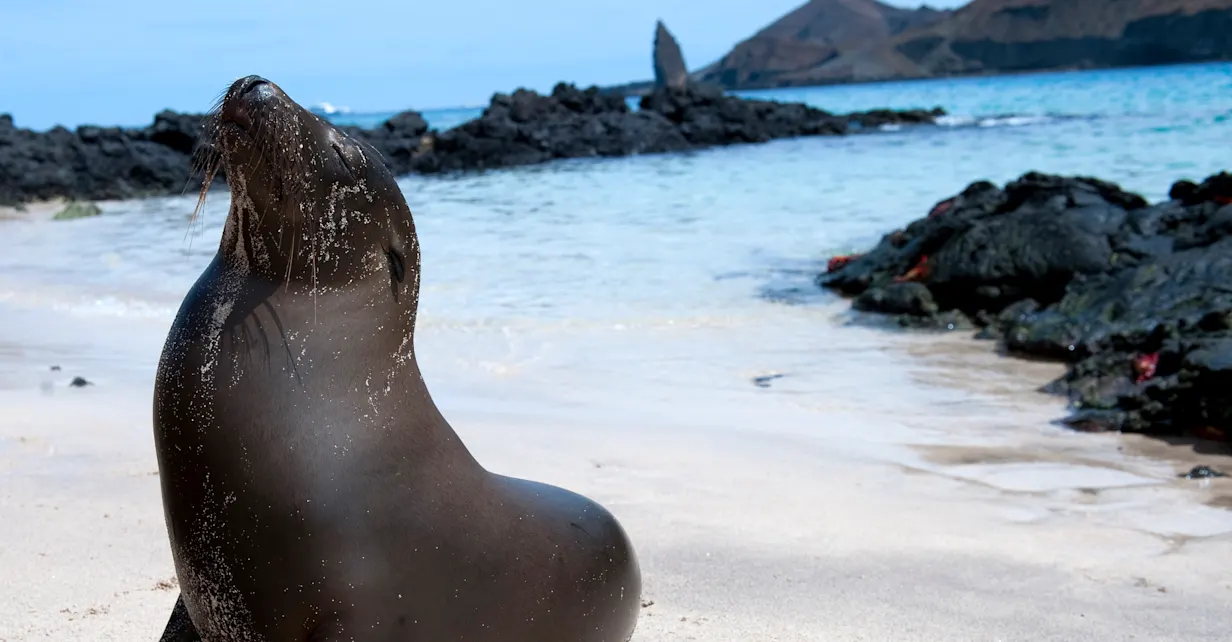
Galapagos Sea Lion | Playing, nursing, swimming, sunbathing | Snorkeling, land hike, shoreline |
Galapagos Fur Seal | Lounging on rocky coastlines | Boat, shoreline |
Blue-footed Booby | Courtship display, nesting | Land hike |
Nazca Booby | Nesting on cliffs | Land hike |
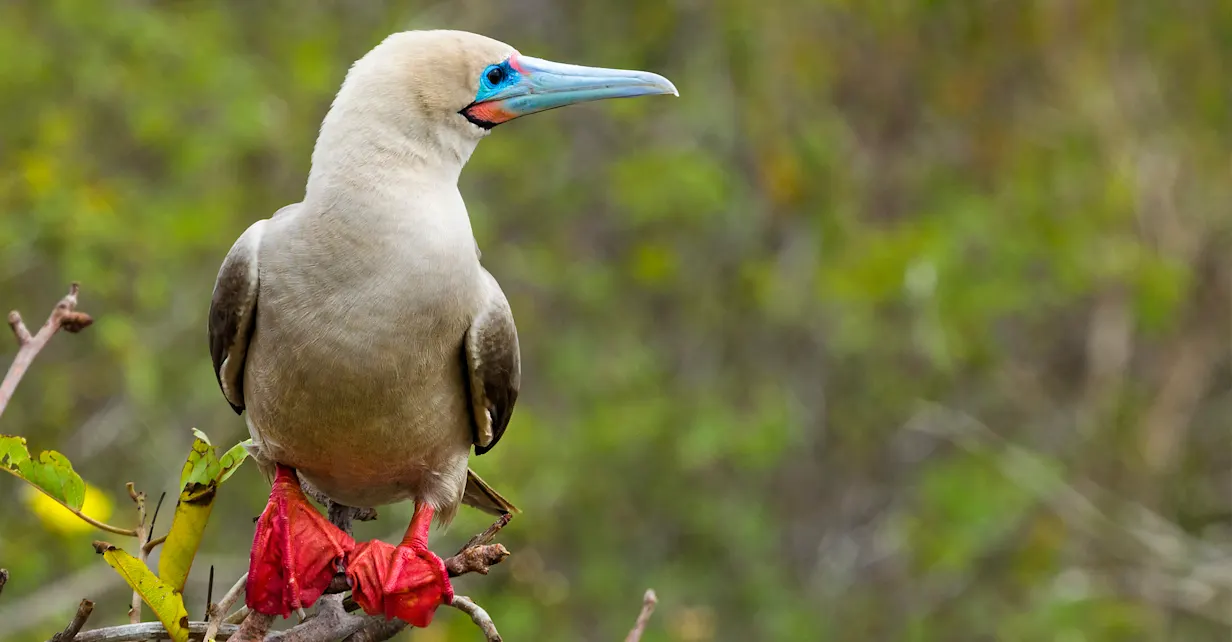
Red-footed Booby | Nesting in trees | Boat, land hike (Genovesa) |
American Flamingo | Wading in brackish lagoons | Land hike, boat |
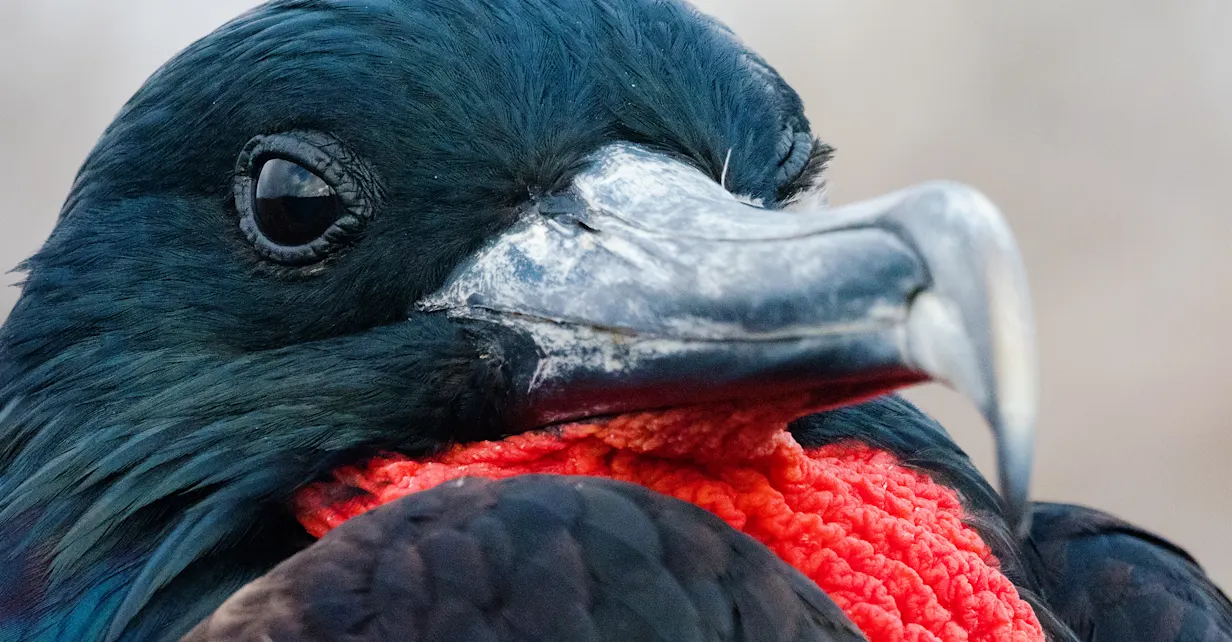
Great Frigatebird | Mating display with throat pouch | Land hike, boat |
Galapagos Hawk | Hunting and soaring | Land hike |
Can I See Giant Tortoises in the Wild?
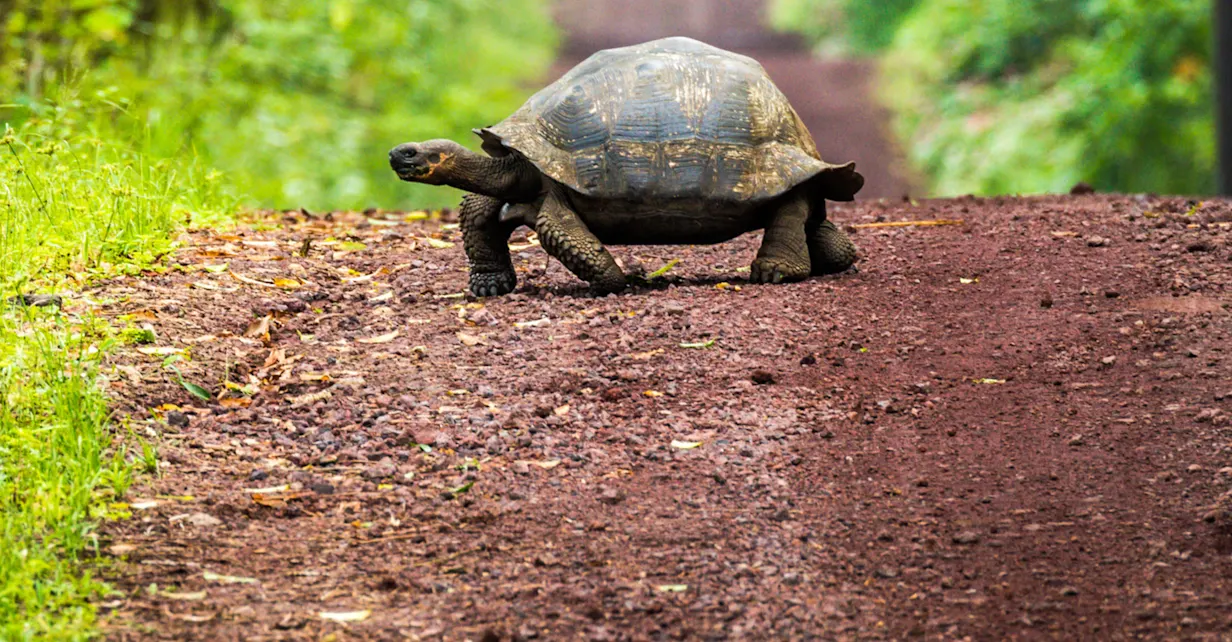
Yes. Galapagos giant tortoises are among the archipelago’s most iconic animals, found only here and the Seychelles. In the Galapagos, you can see them in the wild—particularly in highland meadows—or at conservation reserves. These ancient reptiles can live more than 100 years and weigh over 500 pounds.
What Wildlife Will I See Snorkeling in the Galapagos?
Snorkeling is a highlight of any Galapagos adventure, offering encounters with:
Sea lions twirling and darting underwater
Galapagos penguins, the only penguin north of the equator
Green sea turtles gliding past reefs
Rays (spotted eagle rays, manta rays)
Reef sharks in shallow coves
What Birds Can I See in the Galapagos?
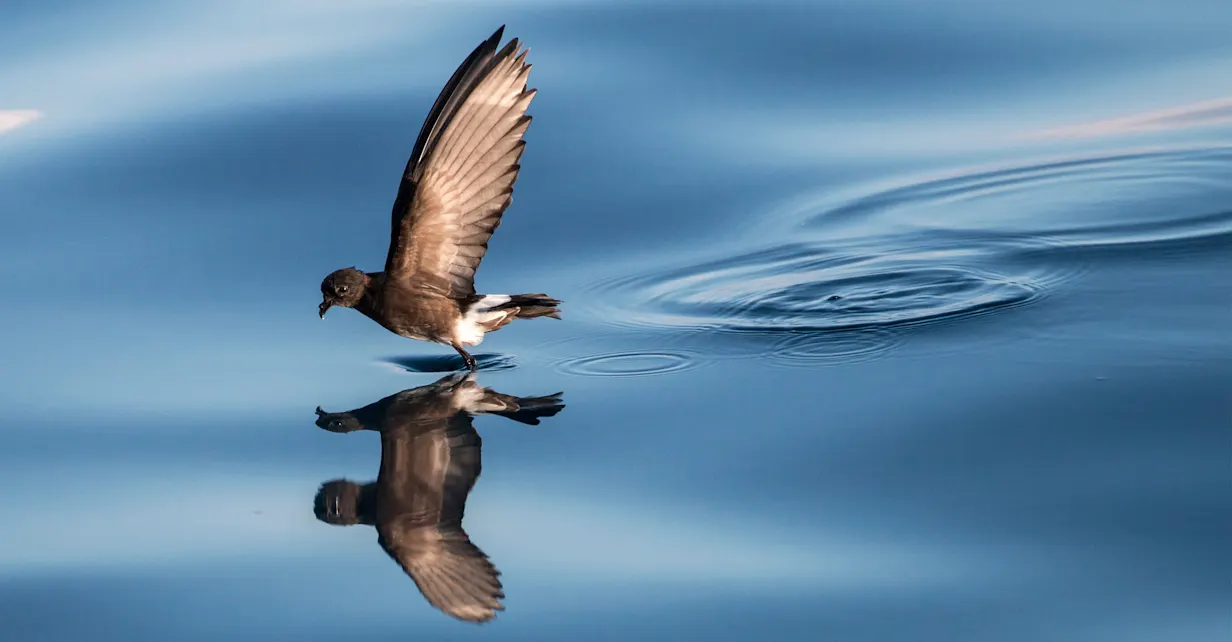
With 180+ bird species—including many endemics—the Galapagos is a paradise for birdwatchers. Birds nest on cliffs, perch in trees, and soar above trails, largely unfazed by human presence.
Top species include:
Blue-footed booby – turquoise feet, comical dance
Waved albatross – enormous wingspan, rare breeding on Española (Apr–Dec)
Galapagos penguin – fast-swimming, found on western islands
Magnificent frigatebird – males inflate a red throat pouch to attract mates
Galapagos hawk – apex predator of the islandsThe Galapagos is home to over 180 bird species, including dozens of endemics. Birds are everywhere—nesting on cliffs, diving for fish, or standing just off the trail. Most are unbothered by human presence, making it easy to observe their behaviors up close.
Will Natural Habitat Adventures Get Me Close to Wildlife?
For the best Galapagos wildlife encounters, travel with Natural Habitat Adventures. Our expert naturalist guides know where and when to find the islands’ most remarkable species. Whether you’re a photographer or wildlife enthusiast, our small-group adventures offer unparalleled access to the Galapagos’ incredible wildlife.