

Know Before You Go: India Tours
Why Should I Go on an India Wildlife Safari?
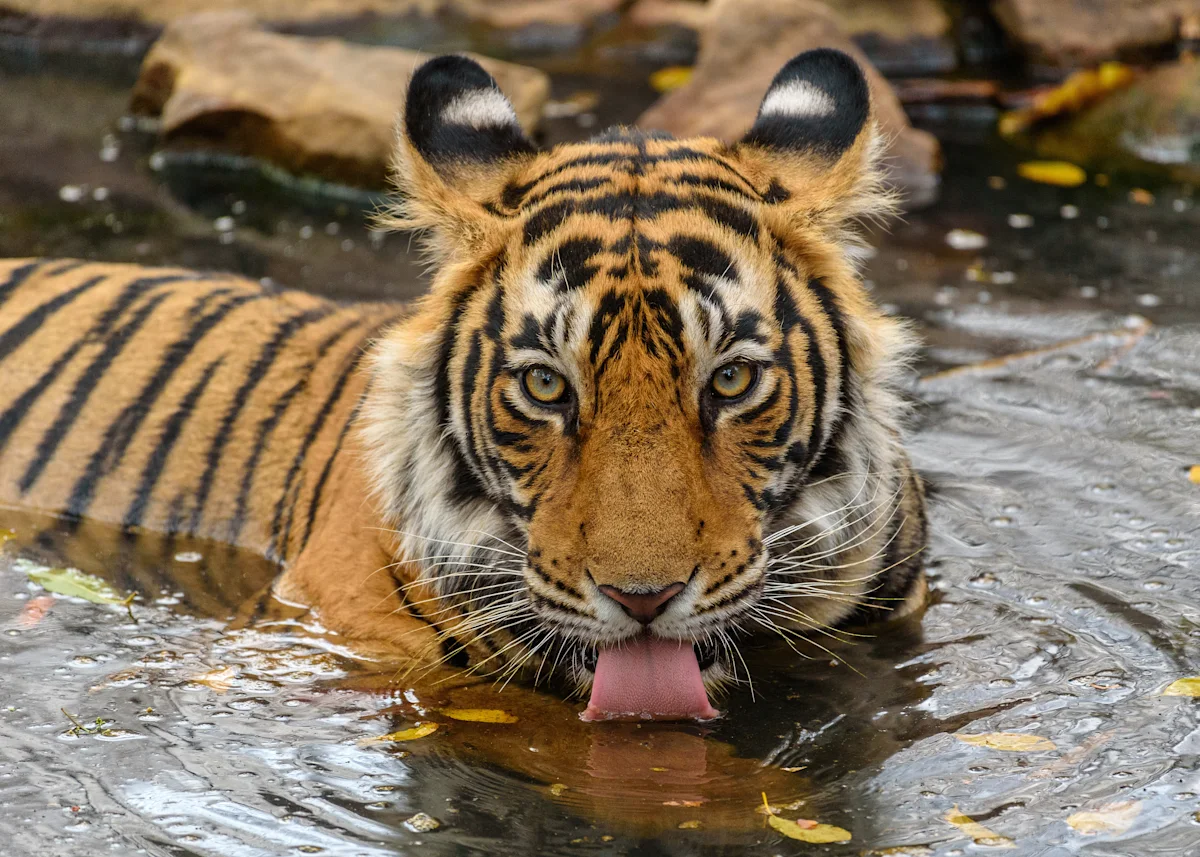
Imagine following fresh tiger tracks down a forest road at dawn, listening as alarm calls echo through the trees and waiting for a striped shape to emerge from the shadows. A wildlife safari in India offers one of the world's best opportunities to search for wild Bengal tigers while exploring the country's diverse forests, grasslands and wetlands in search of other fascinating species.
India is home to roughly 75% of the world's wild tigers, along with Asian elephants, one-horned rhinoceroses, leopards, sloth bears, crocodiles and more than 1,300 bird species. From the tiger forests of Bandhavgarh and Kanha to the Terai grasslands of Dudhwa National Park, India's protected landscapes support an extraordinary diversity of wildlife and habitats.
What makes an India safari especially compelling is the sense of discovery. Fresh pugmarks on a forest road, a herd of barasingha emerging from tall grass or a tiger stepping silently from the trees can transform an ordinary game drive into an unforgettable wildlife encounter.
For nature travelers, photographers and wildlife enthusiasts, India combines remarkable biodiversity, rich cultural heritage and some of the world's most rewarding safari experiences.
What Makes India One of the World's Best Places to See Tigers?
India offers the best opportunity in the world to see wild Bengal tigers. Roughly three-quarters of the global tiger population lives within India's network of national parks and tiger reserves, making the country the center of tiger conservation and tiger-focused wildlife travel.
Bandhavgarh and Kanha are among India's most celebrated tiger reserves, protecting forests, grasslands and prey-rich habitats that allow tigers to thrive. Spotted deer, sambar and wild boar support healthy predator populations, while decades of conservation efforts have helped tiger numbers recover across many protected landscapes.
Game drives are built around habitat knowledge, animal behavior and timing. Naturalist guides and trackers watch for signs such as pugmarks, scratch marks, alarm calls and movement in dense vegetation. Every safari carries a sense of anticipation, as a tiger may appear beside a waterhole, emerge from tall grass or silently cross a forest track.
While tiger sightings are never guaranteed, India offers some of the highest-quality tiger-viewing opportunities anywhere in the world.
Why Should I Travel With Natural Habitat Adventures on an India Safari?
Wildlife tourism plays an important role in supporting conservation across India's protected reserves, and Nat Hab designs our safaris to maximize both wildlife encounters and long-term conservation impact. By combining expert naturalist guides, carefully chosen lodges and extensive time in the field, our itineraries provide immersive access to some of India's most rewarding wildlife destinations.
Why Choose Nat Hab for an India Wildlife Safari?
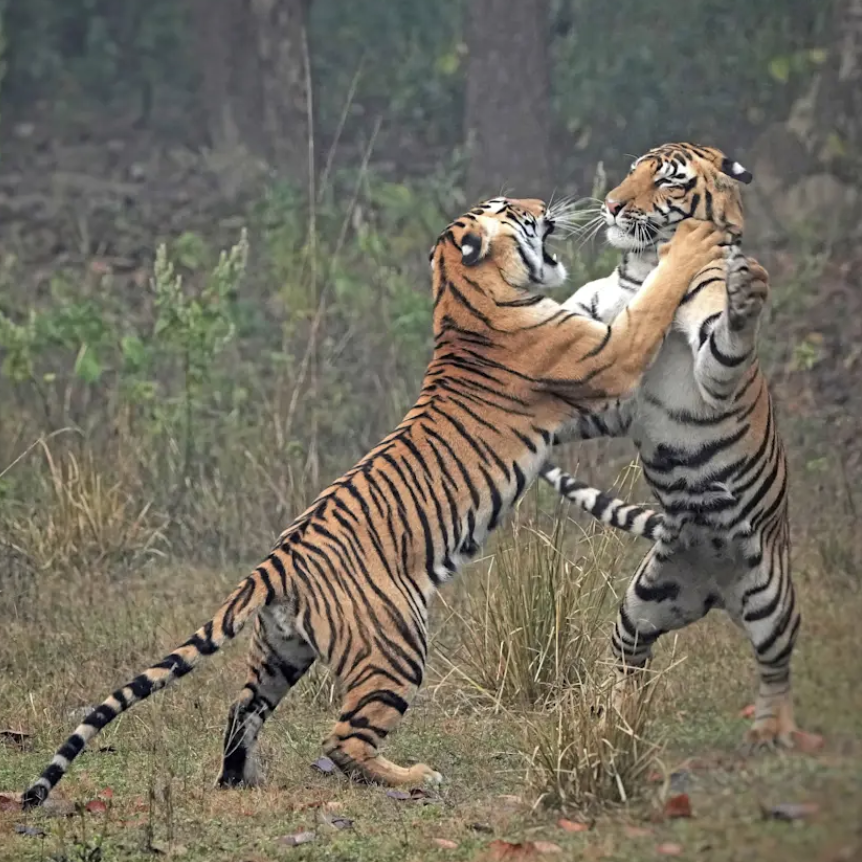
Our India safaris focus on exceptional wildlife experiences, from intensive tiger viewing in renowned reserves to journeys that showcase a broader range of India’s habitats and species. Each itinerary is designed to maximize time in the field and provide immersive access to the country's wildlife and natural heritage. Learn More
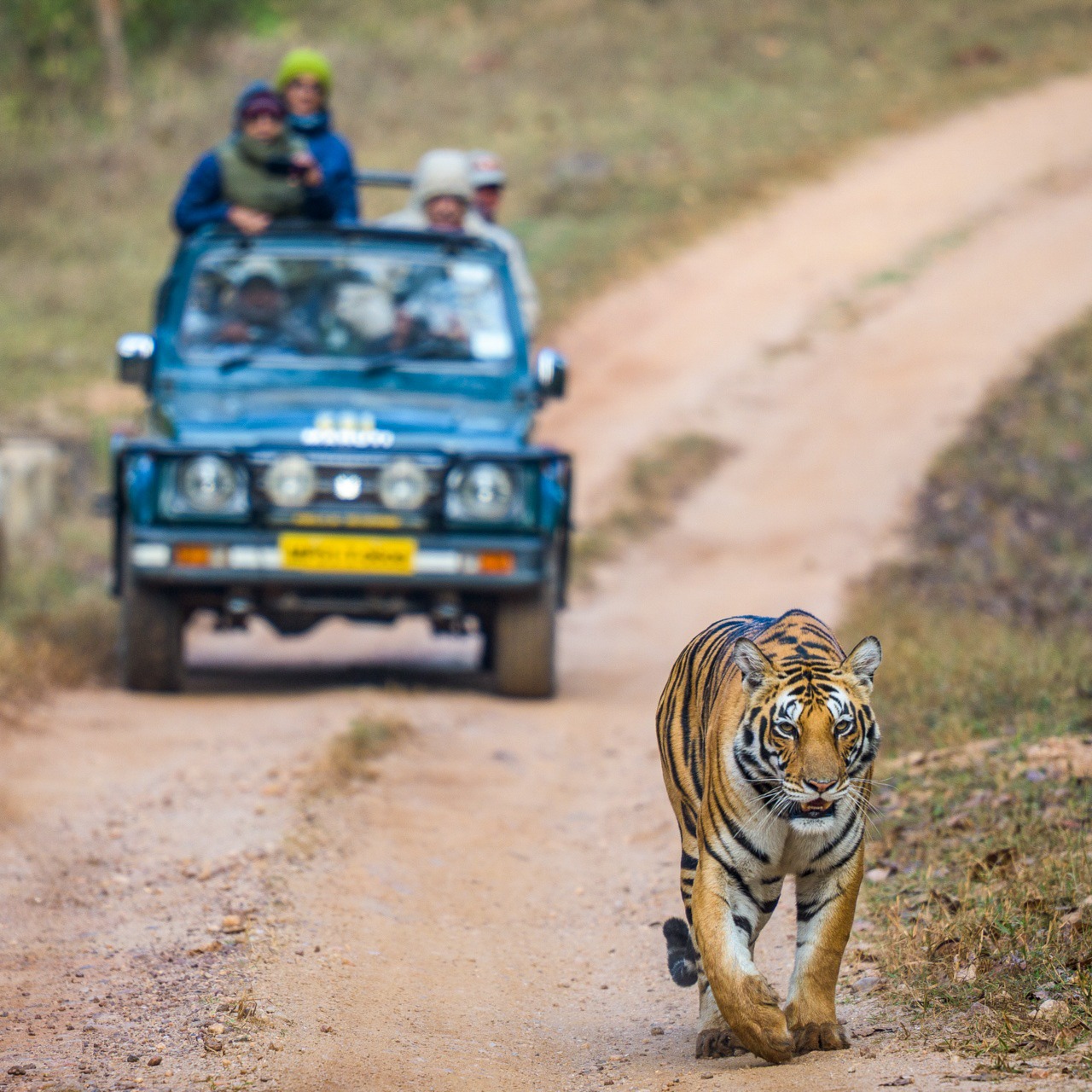
With an average group size of 11 travelers or fewer, our safaris offer a quieter, more flexible experience in the field. Smaller groups allow for more personalized guiding, easier wildlife viewing and greater opportunities to engage with local experts and naturalists. Learn More

Stay at carefully selected jungle lodges and heritage properties located close to prime wildlife habitat. By staying near national parks and wildlife corridors, guests maximize safari time while enjoying comfortable accommodations immersed in nature. Learn More

Nat Hab Expedition Leaders are among India's most experienced naturalists, interpreting everything from tiger behavior and birdlife to ecology and conservation challenges. Their expertise helps transform fleeting signs—such as pugmarks, alarm calls and animal tracks—into a deeper understanding of the natural world. Learn More
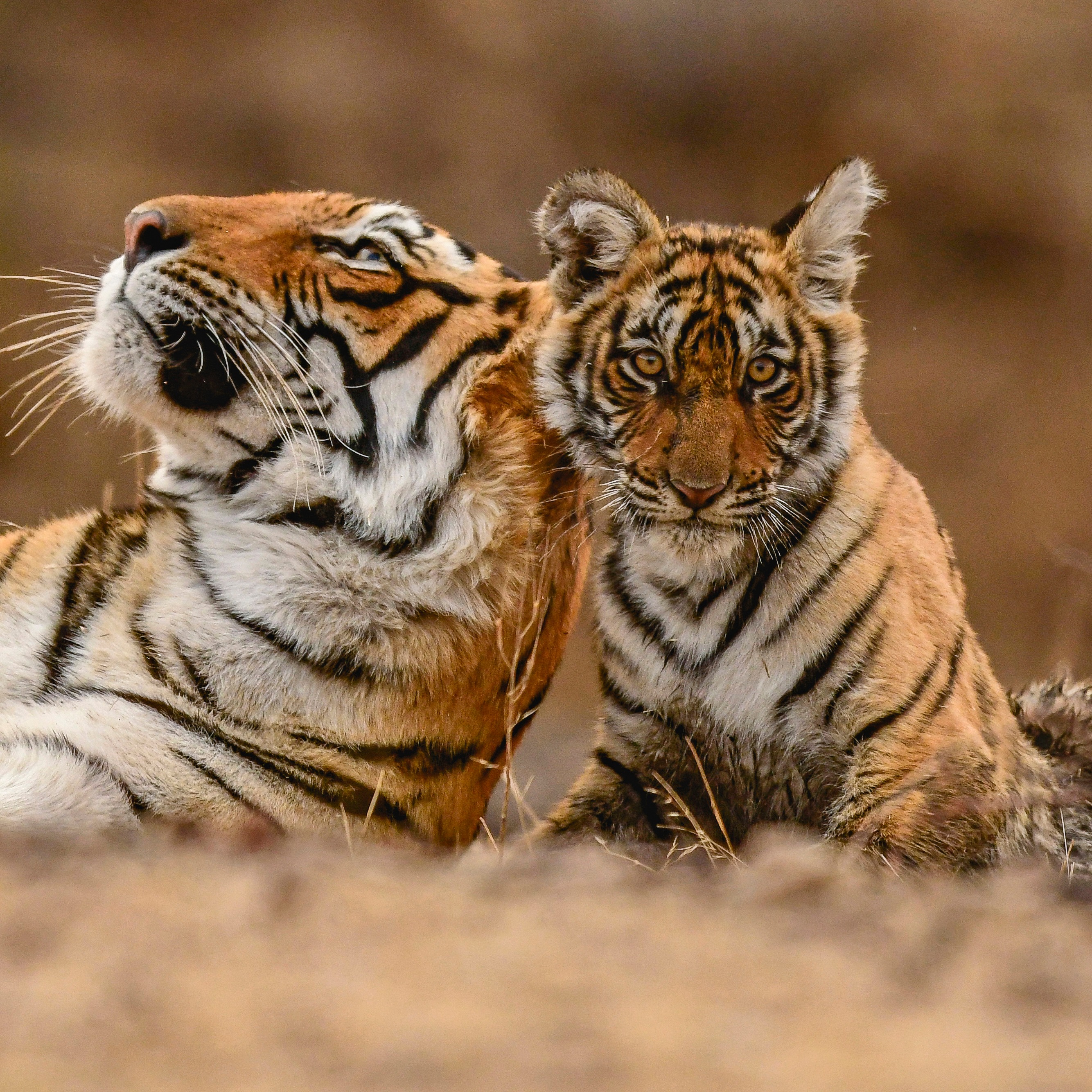
As WWF's travel partner and the world's first carbon-neutral travel company, Nat Hab supports responsible wildlife tourism that benefits both wildlife and local communities. Travelers gain insight into the conservation efforts helping protect tigers, rhinos, elephants and other species across India's most important protected landscapes. Learn More
India Wildlife Safari Guide


Frequently Asked Questions
Will I see Bengal tigers on an India safari?
No operator can guarantee a tiger sighting, but India offers some of the best opportunities anywhere in the world to see wild Bengal tigers. Many itineraries focus on premier tiger reserves such as Tadoba, Bandhavgarh and Kanha, traveling during the prime wildlife-viewing season from January through May when visibility improves and animals are often easier to spot.
How do you get to India's national parks for safari?
Most India wildlife safaris begin with an international flight into Delhi. From there, travelers typically connect via domestic flights and overland transfers to reach key wildlife regions. Depending on the itinerary, you may fly to hubs such as Nagpur, Jabalpur, Raipur or Lucknow before continuing to reserves such as Tadoba, Bandhavgarh, Kanha or Dudhwa National Park.
What should I pack for an India tiger safari?
Pack lightweight, breathable clothing in neutral colors, along with a warm layer for cool morning game drives. Comfortable closed-toe shoes, a hat, sunglasses, sunscreen, insect repellent, binoculars and a camera with a zoom lens are also recommended.
Do I need any vaccines or medications to travel to India?
Recommendations vary based on your health history, country of residence and travel plans. Consult your healthcare provider or a travel clinic before departure and review the latest official health guidance for India to determine what vaccines or medications may be appropriate for your trip.
What currency is used in India?
India's official currency is the Indian rupee (INR). Credit cards are widely accepted at hotels and many restaurants, though cash is useful for small purchases and tips, particularly in rural safari regions. ATMs are common in cities but may be limited near some national parks.
What language is spoken in India?
India has many languages, but Hindi and English are widely used across much of the country. English is commonly spoken in hotels, lodges and tourism settings, though you may also hear regional languages depending on the state you visit.
What is the food like on an India safari?
Food is often a highlight of an India safari. Lodges typically serve a mix of regional Indian cuisine and familiar international dishes, with abundant vegetarian options. Meals may include curries, lentils, rice, fresh vegetables, naan, grilled meats, soups and seasonal fruit.


