

Know Before You Go: India Tours
When Should I Go on an India Wildlife Safari?
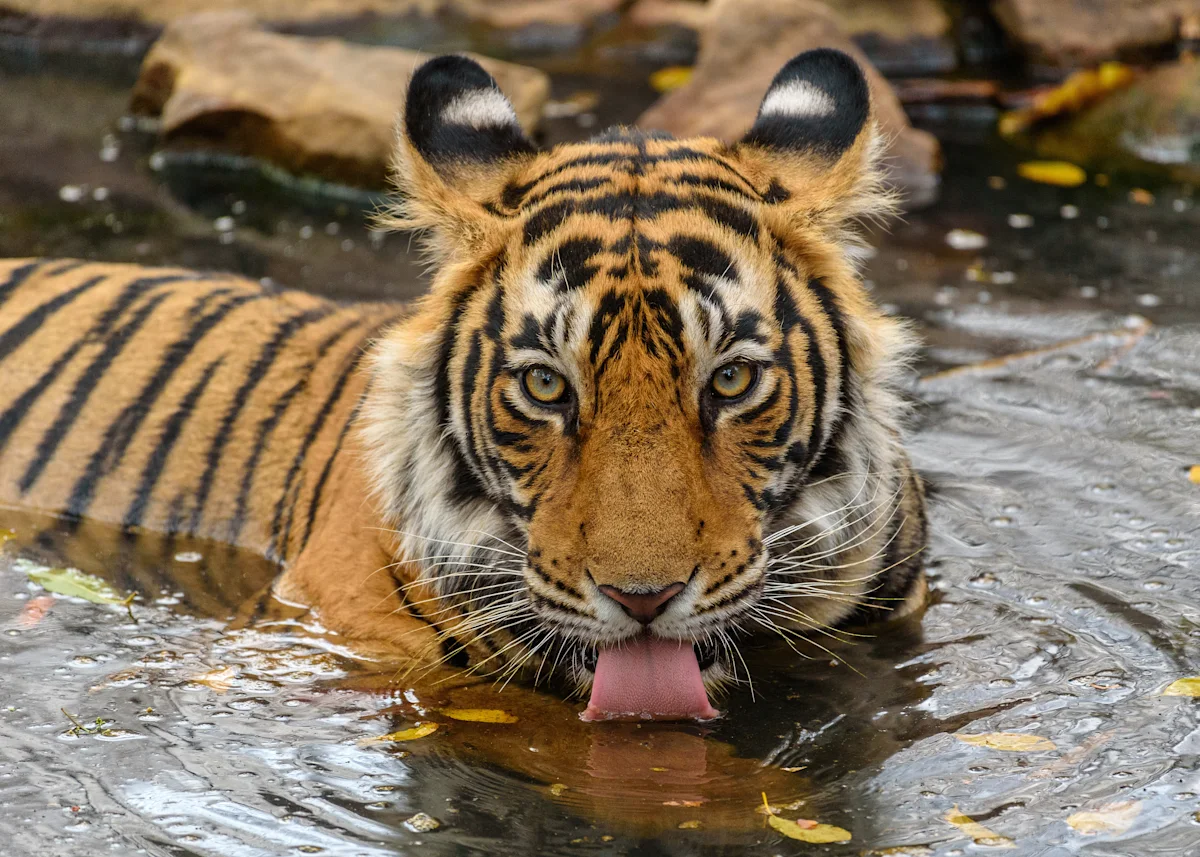
The best time to visit India for a wildlife safari is generally from January through May, when cooler winter conditions gradually give way to warmer temperatures and wildlife becomes easier to find. This period offers some of the year's best opportunities for tiger sightings, wildlife photography and game drives across India's premier national parks.
Much of India's prime safari country lies at lower elevations, so heat and rainfall shape both park access and wildlife movement. During winter, mornings are often cool and comfortable, with clear air and good visibility through the forests. As spring progresses and temperatures rise, water sources begin to shrink, drawing wildlife toward rivers, ponds and waterholes. This natural concentration of animals can make sightings more consistent and photography especially rewarding.
Understanding India's seasonal patterns can help you choose the best timing for your safari, whether your goal is tiger tracking, birdwatching, photography or comfortable weather.
India’s Wildlife Travel Seasons: What to Expect
India’s safari seasons follow a dramatic natural rhythm: forests shift from post-monsoon greenery to dry-season openness, waterholes become more important by the week and wildlife patterns become increasingly predictable. In central India's tiger reserves, this seasonal transition creates prime conditions for tracking and wildlife viewing, while Dudhwa National Park offers rewarding opportunities to observe rhinos, barasingha and diverse birdlife in its grassland and wetland habitats.
By January, many parks have nearly completed their transition out of the monsoon cycle. Vegetation begins thinning, water sources start to recede and wildlife activity increases—setting the stage for some of India’s most exciting safari days.
India’s Safari Seasons Explained
January–February: Cool Weather, Active Tigers, Atmospheric Light
January and February are among the most comfortable months for an India safari, with cooler temperatures and crisp early mornings that create beautiful conditions for photography. As the landscape dries, visibility begins to improve, and tigers often move frequently along forest roads and game trails.
This is also a peak period for natural behavior, including the tiger mating season, when males and females may patrol more actively, vocalize, scent-mark and cover more ground.
What to expect:
Morning lows: ~45–60°F (cooler in some parks)
Afternoon highs: ~70–85°F
Tigers are often on the move, especially along trails and forest edges
Misty mornings and soft light are ideal for wildlife photography
Many mammals may still carry richer winter coats, adding depth to portraits
March–May: Peak Visibility and Prime Big Cat Conditions
As spring progresses into early summer, forest vegetation continues to thin, and wildlife concentrates more reliably around remaining water sources. These warmer months often deliver some of the clearest, least obstructed sightings—especially in tiger habitats where animals move between shade and water at predictable times of day.
Temperatures can be intense by April and May, but this is also when tracking can be at its best, with strong potential for tigers, leopards and predator–prey encounters.
What to expect:
Morning lows: ~65–80°F
Afternoon highs: ~90–105°F+ (especially April–May)
Best visibility as foliage dries and opens up
Wildlife gathers near waterholes and river edges
Strong chances for clear tiger sightings, often in open terrain or along roads
Animals may rest longer midday, with activity peaking early and late
Monsoon Season (June–September): Lush Renewal, Limited Park Access
The monsoon transforms India’s landscapes, replenishing rivers, grasslands and forests. However, heavy rainfall and breeding seasons mean that many national parks close or operate with limited access during this period. Road conditions can be difficult, and wildlife viewing is generally less consistent.
What to expect:
Daytime highs: ~80–95°F (with high humidity)
Many parks are closed or travel-restricted due to rain and conditions
Landscapes become intensely green, but sightings are often more challenging
October–December: Green Landscapes and Early-Season Openings
October through December marks the transition out of the monsoon, when parks reopen and the landscape is still vibrant and green. Wildlife viewing can be excellent, but visibility is often more limited early on due to thicker vegetation and widespread water availability.
For travelers who enjoy greener scenery and milder temperatures, this can be a rewarding time to visit, especially as conditions begin shifting toward the stronger tracking months ahead.
What to expect:
Morning lows: ~55–70°F
Afternoon highs: ~75–90°F
Fresh post-monsoon scenery with plentiful water and dense vegetation
Wildlife is present, but tracking can be harder until vegetation thins
Birdlife remains strong, including resident species and seasonal arrivals.


